

Grinding and Polishing Machine: The Complete 2026 Buyer’s and Operator’s Guide
A grinding and polishing machine is the difference between a rough, flawed workpiece and a precise, mirror-finish component. In metal fabrication, floor restoration, and materials testing alike, surface quality drives both performance and perceived value. The right unit determines your output quality, your labor cost, and — just as important — your operator safety.
Industry data shows that a well-matched machine can cut polishing time by up to 30 percent, while roughly 40 percent of professionals later regret not planning for future applications when they buy. Those numbers matter because surface finishing is rarely a one-off task. It is a recurring, high-volume operation where small efficiency gains compound into major savings.
In this guide, you will learn the main types of machines, how to match one to your material and budget, the specifications that actually move the needle, and the maintenance habits that keep finishes consistent. We will also cover the 2026 automation trends reshaping the industry and answer the questions buyers ask most.
What Is a Grinding and Polishing Machine?
A grinding and polishing machine is a powered tool that refines a workpiece surface through three progressive operations. Each stage prepares the part for the next, and skipping a step almost always shows up in the final result.
- Grinding removes material quickly. It eliminates burrs, welds, rust, and oxidation using abrasive wheels or belts. This is the heavy-cutting stage that establishes shape and dimension.
- Polishing smooths the surface, erasing fine scratches and lowering roughness (measured as Ra) to produce a semi-bright finish. It is the bridge between raw grinding and final shine.
- Buffing applies compounds to soft cloth wheels for the final high-gloss or mirror look. This is where aesthetics and corrosion resistance are finalized.
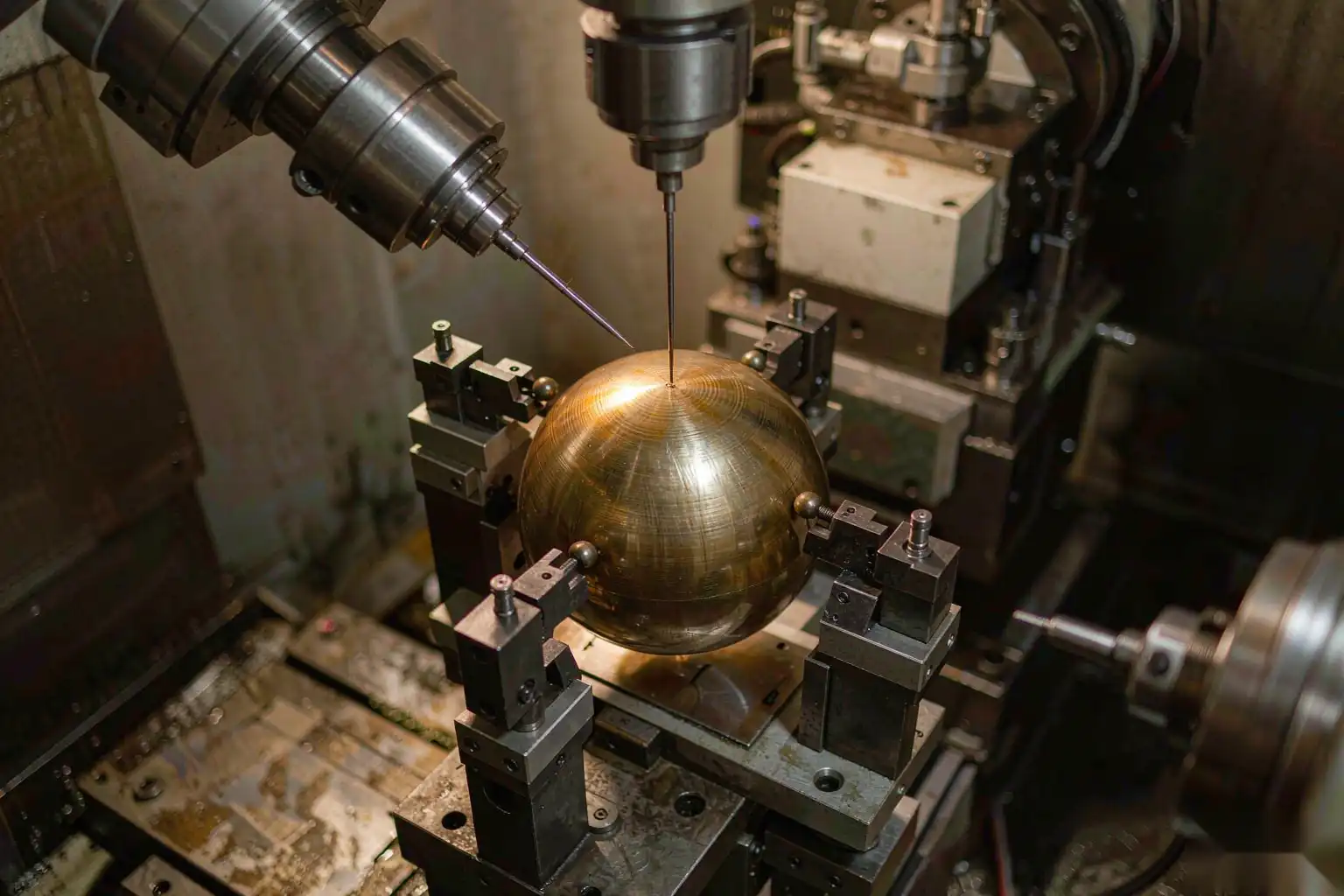
Most machines combine at least two of these stages, and many modern units handle all three in a single pass. The core components are a motor that drives the abrasive media, interchangeable grinding or polishing wheels, speed control for different materials, a workrest or fixture to stabilize the part, and safety guards with emergency stops. Advanced models add dust extraction systems and programmable logic controllers that store repeatable preparation recipes.
Main Types of Grinding and Polishing Machines
Not every machine suits every job. Understanding the four families below prevents costly mismatches.
Metal Surface Grinders and Polishers
These are the workhorses of workshops and factories. They shape and finish stainless steel, aluminum, brass, titanium, and carbon steel parts.
- Bench-top machines are compact and ideal for small parts, tools, and light-duty work where space is limited.
- Pedestal machines mount on a floor stand for medium-to-heavy tasks and offer better vibration control.
- Belt grinders use continuous abrasive belts for fast stock removal, edge grinding, and deburring of larger panels.
- Rotary and vibratory polishers smooth batches of small hardware, fasteners, or jewelry parts in bulk with minimal operator effort.
Floor and Concrete Grinding Machines
Built for hard flat surfaces rather than discrete parts, these machines level, smooth, and refine floors in commercial and industrial settings.
- Planetary grinders use multiple rotating heads that spin in opposite directions for even pressure distribution and fast coverage on large commercial floors.
- Single-disc machines are versatile favorites for marble, terrazzo, and routine maintenance work in tighter areas.
- Edge grinders reach corners, stairs, and wall lines that big machines cannot access, completing a uniform finish.
The clever part is flexibility: simply swapping diamond tooling or polishing pads lets one machine handle concrete, stone, and terrazzo.
Metallographic and Lab Sample Prep Machines
Used in quality-control and research labs, these prepare metal, ceramic, and composite samples for microscopy and hardness testing. They demand extreme flatness and repeatability, typically featuring automatic pressure control, adjustable rotation direction, and programmable methods so different operators get identical results. For Vickers or Micro Vickers hardness testing, the final surface must show clear indentation edges — which makes preparation quality non-negotiable.
CNC and Robotic Polishing Cells
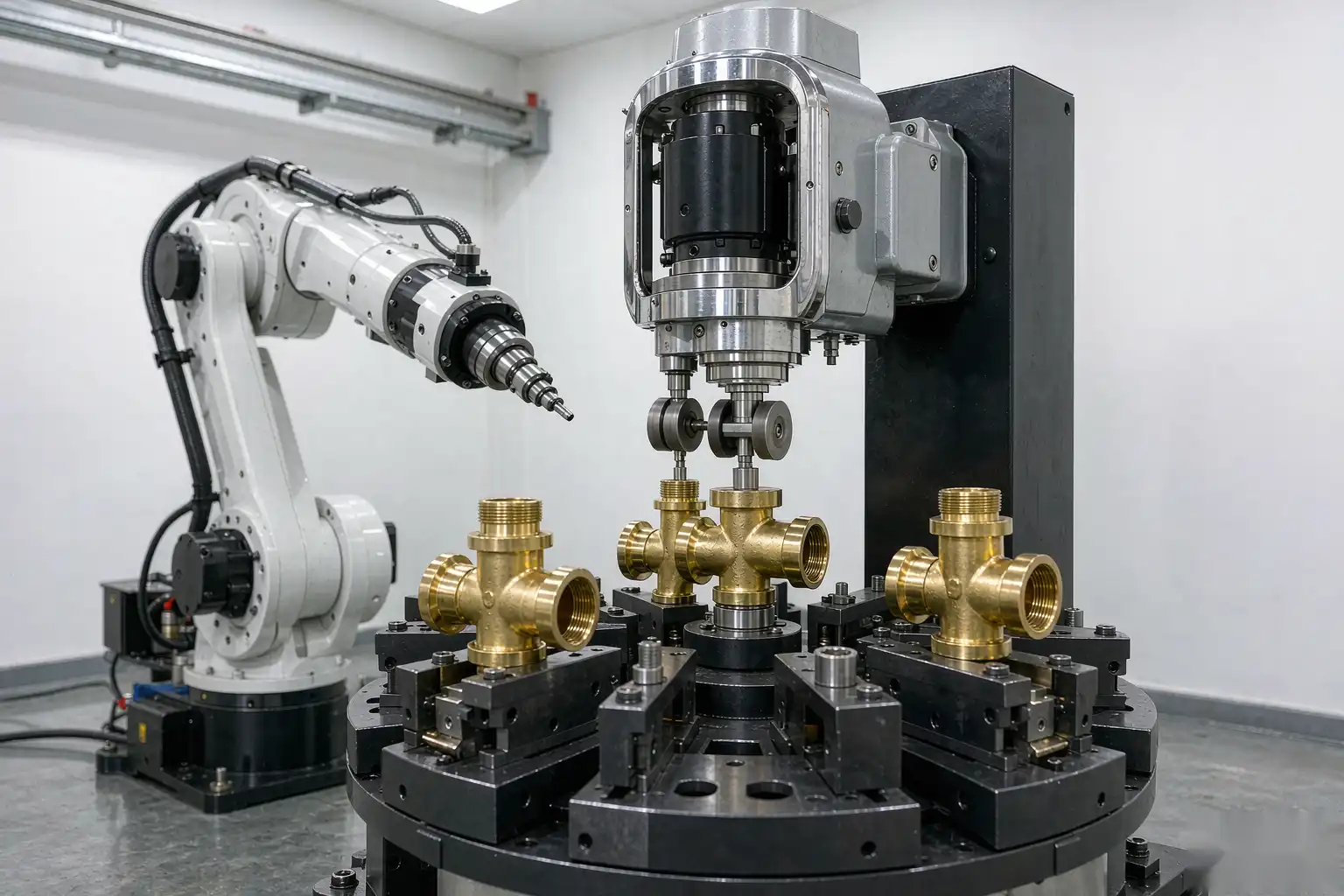
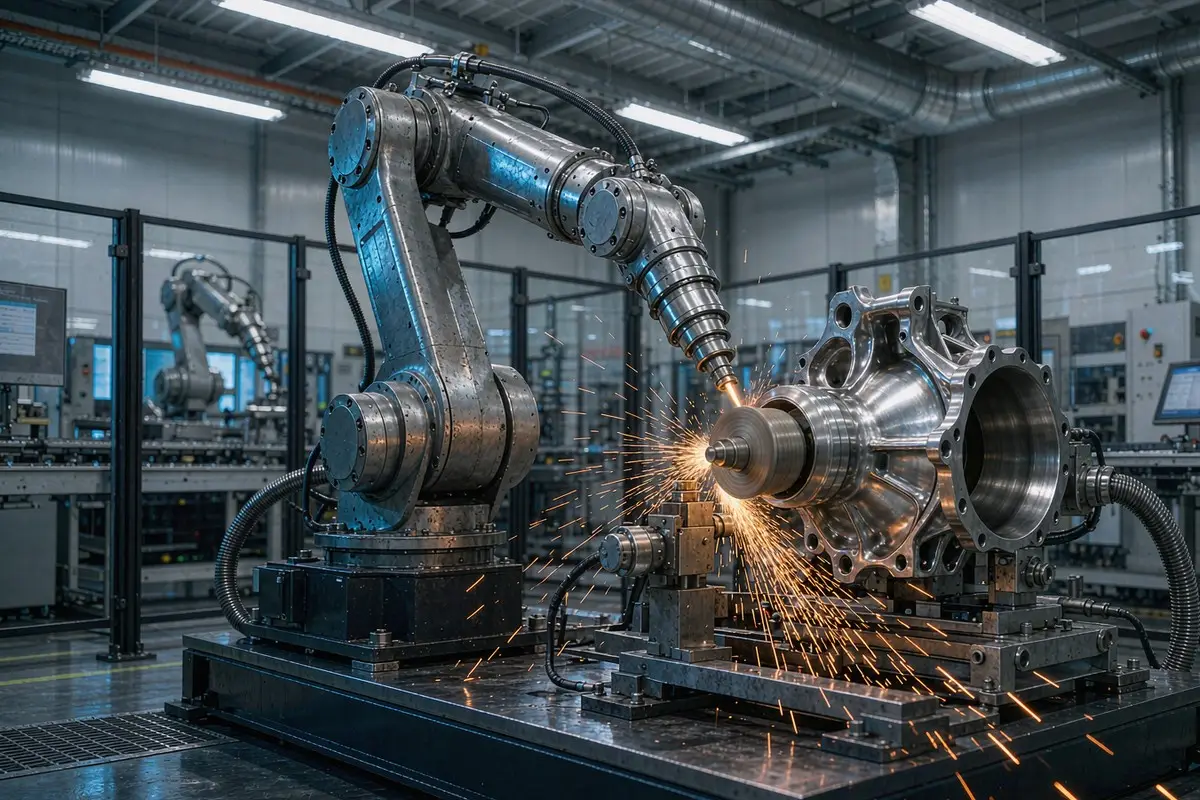
For high-volume production, robotic grinding and polishing cells apply constant force and variable speed across complex geometries that manual work cannot replicate consistently. Industries like aerospace and automotive rely on them for defect-free finishes with minimal operator input. Force-control sensors paired with machine vision let these systems adapt to curved surfaces in real time, which is critical when surface finish affects aerodynamic or sealing performance.
How to Choose the Right Grinding and Polishing Machine
Buying the wrong unit wastes money and hurts quality. Use this practical checklist before you request a quote.
Match the Machine to Your Material
Hard materials like granite, hardened steel, or quartz need robust machines with specialized pads and strong, rigid spindles. Softer metals such as aluminum scratch easily and need gentler settings and finer abrasives. A poorly matched machine delivers poor finishes and can damage expensive workpieces — which quickly harms your reputation with clients.
Power, Speed, and Precision Specs
Three numbers drive real-world results, and they vary dramatically by application:
| Application | Machine Type | Power (Hp) | RPM Range | Weight (lbs) |
|---|---|---|---|---|
| Metal polishing | Belt sander | 2 | 1,500–5,000 | 100 |
| Concrete polishing | Floor grinder | 5 | 800–3,000 | 250 |
| Glass polishing | Buffing machine | 1.5 | 1,200–4,000 | 50 |
| Stone polishing | Wet polisher | 3 | 600–3,000 | 60 |
| Wood finishing | Disc sander | 2 | 1,000–3,000 | 80 |
Lower RPMs suit soft materials; higher RPMs excel on hard surfaces. Variable speed control lets one machine adapt across jobs, so prioritize it unless you run a single, fixed process.
Manual, Semi-Automatic, or Fully Automatic?
- Manual machines cost less and suit low-volume labs or highly experienced operators who value control.
- Semi-automatic units balance flexibility and repeatability for mixed workflows.
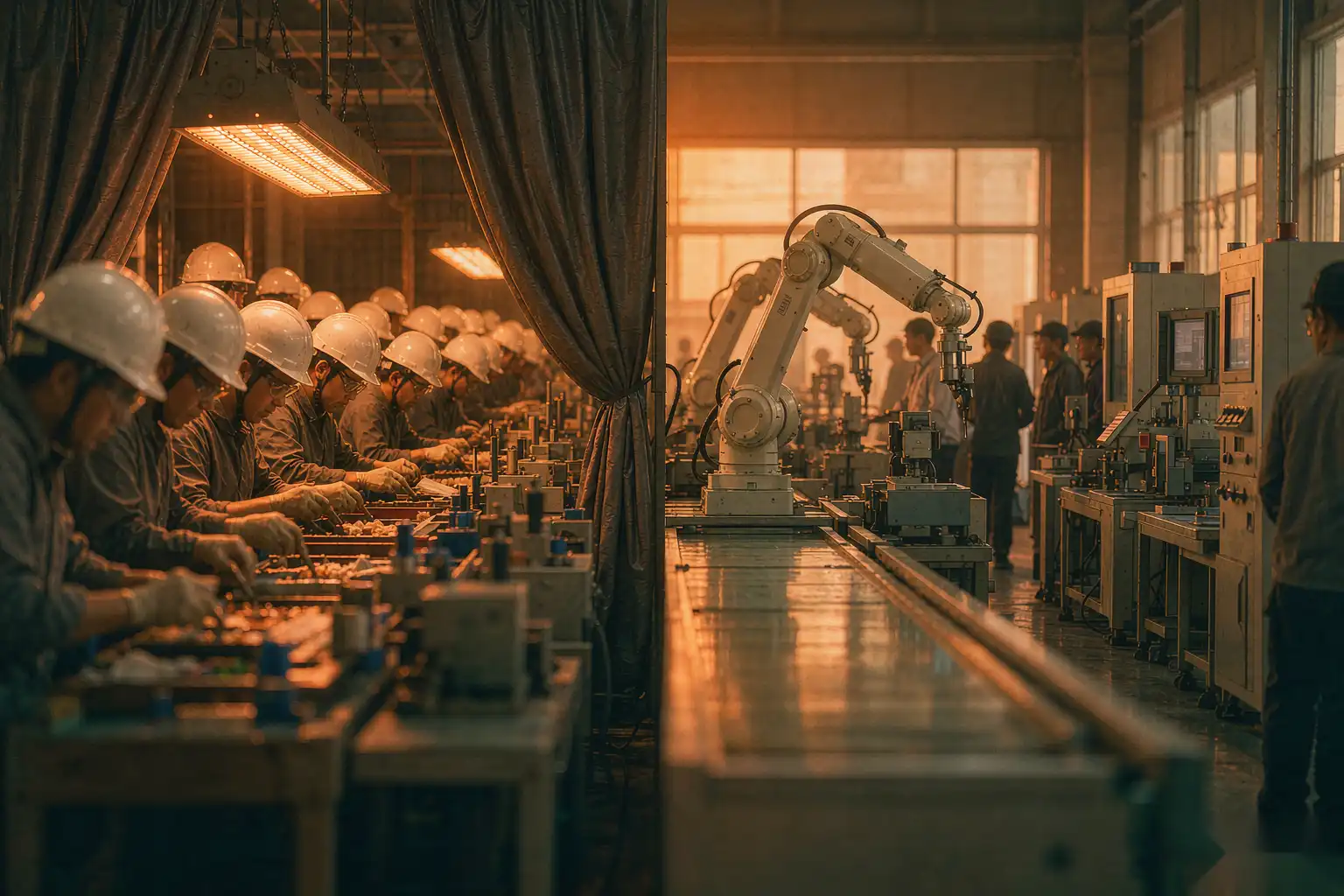
- Fully automatic cells boost throughput and cut operator variation — ideal for batch QC and mass production lines.
Remember the earlier statistic: about 40 percent of buyers regret not planning for future applications. If your volume is growing, a slightly more capable automatic machine now can save a costly replacement later.
Budget and Total Cost of Ownership
Companies often allocate 5–10 percent of their annual budget to equipment, and the number fluctuates with operational scale. A quality machine lasts 5–15 years, while a cheap one breaks down and racks up maintenance. Factor in tooling, consumables, staff training, and spare-part availability — not just the sticker price. Spending a little more upfront on a machine with strong after-sales support frequently pays back through lower downtime.
Common Applications Across Industries
These machines appear wherever surface quality matters:
- Automotive — gears, brake discs, wheels, and body panels where finish affects both looks and function.
- Aerospace — turbine blades and composite structures where surface integrity impacts performance.
- Metal fabrication — welded parts, furniture, and fittings prepared for coating or assembly.
- Construction — polished concrete and stone floors in retail, warehouses, and offices.
- Medical devices — implants and instruments requiring sterile, ultra-smooth surfaces.
- Jewelry — precious metal finishing with high-gloss results.
- Electronics — wafers, screens, and connectors where micro-level flatness is essential.
Each sector stresses different machine traits. Aerospace values rigidity and consistency; flooring contractors value coverage speed and dust control; labs value repeatability and sample compatibility.
Maintenance and Safety Best Practices
Consistent results come from discipline, not luck. Build these habits into your standard operating procedure:
- Replace worn wheels on schedule. A loaded, glazed, or contaminated wheel ruins finishes and can overheat the workpiece.
- Empty dust collectors regularly to prevent fire hazards, protect air quality, and maintain visibility.
- Lubricate moving parts and inspect electrical systems and safety features periodically.
- Match consumables to the job — diamond suspensions for ceramics, rouge or tripoli for metals, colloidal silica for final lab passes.
- Train every operator on speed selection, correct pressure, and overheating prevention.
- Keep guards and emergency stops active at all times; never bypass safety interlocks.
Improper use — too much pressure, a wrong wheel, or an uncleaned machine — causes uneven surfaces, discoloration, or injury. The best machines still depend on the people running them.
2026 Trends: Automation, IoT, and Robotics
The surface-finishing industry is shifting faster than ever:
- Smart machines integrate IoT sensors and AI to self-optimize parameters and predict maintenance before failure.
- Digital twins simulate the polishing process in virtual space, cutting trial-and-error costs during setup.
- Force-control plus vision is becoming the standard for flexible, multi-variety production runs.
- Robotic cells — explored in our robotic grinding machine guide for metal castings — now handle complex curves with constant force, especially in aerospace composites and medical implant manufacturing.
- Domestic manufacturers are closing the gap on legacy global brands, offering strong performance at accessible prices with shorter spare-part lead times.
For buyers, the takeaway is clear: connectivity and programmability are no longer premium extras. They are the foundation of competitive throughput.
Frequently Asked Questions
What is the difference between grinding and polishing?
Grinding removes material aggressively to shape and clean a part, using coarse abrasives. Polishing refines the already-ground surface to reduce roughness and create a brighter finish. Buffing then adds the final gloss with soft wheels and compounds. For a deeper comparison of grinding, polishing, and deburring in casting applications, read our grinding vs. polishing vs. deburring guide.
How much does a grinding and polishing machine cost?
Prices range widely — from a few hundred dollars for a bench-top unit to tens of thousands for CNC or robotic cells. Budget for consumables, tooling, and operator training on top of the base price, and weigh total cost of ownership over the machine’s 5–15 year lifespan.
Can one machine handle both metal and stone?
Generally no. Metal machines use wheels and belts; floor machines use diamond tooling and pads. Some multi-head systems bridge categories, but most shops keep separate units for best results and longevity.
What RPM do I need?
It depends on the material. Soft materials need lower RPMs (roughly 600–1,500), while hard surfaces benefit from higher ranges (up to 5,000). A variable-speed machine covers both, which is why we recommend it for mixed workflows.
How do I maintain consistent finish quality?
Use automatic pressure control where possible, standardize your consumables, document parameters for every job, and replace wheels on a fixed schedule. Operator training and routine maintenance matter more than any single spec.
Conclusion
The right grinding and polishing machine pays for itself in quality, speed, and safety. Match the machine type to your material, the specifications to your workload, and the automation level to your production volume. With disciplined maintenance and an eye on the 2026 trends toward smart, robotic finishing, you will keep delivering flawless surfaces that win repeat business.
Ready to upgrade your shop? Compare candidate models against the checklist above, demand real after-sales support, and choose versatility when your workload is growing. A thoughtful purchase today protects your throughput for the next decade.