

Foundry automation across deburring, grinding, and polishing moves the dirtiest, hardest-to-staff jobs off the floor and onto machines that hold tolerance through every shift. The decision is no longer whether to automate but where to start, and the right starting point depends on your casting mix and plant scale. Surface finishing automation for foundries sets the context; this guide stays inside the foundry fence line.
The Foundry Case for Automating the Finishing End
Casting finishing is where foundries lose people and margin at the same time. The work is hot, dusty, and repetitive, and turnover among grinders runs double the plant average. Every departure takes skill the next hire takes months to rebuild.
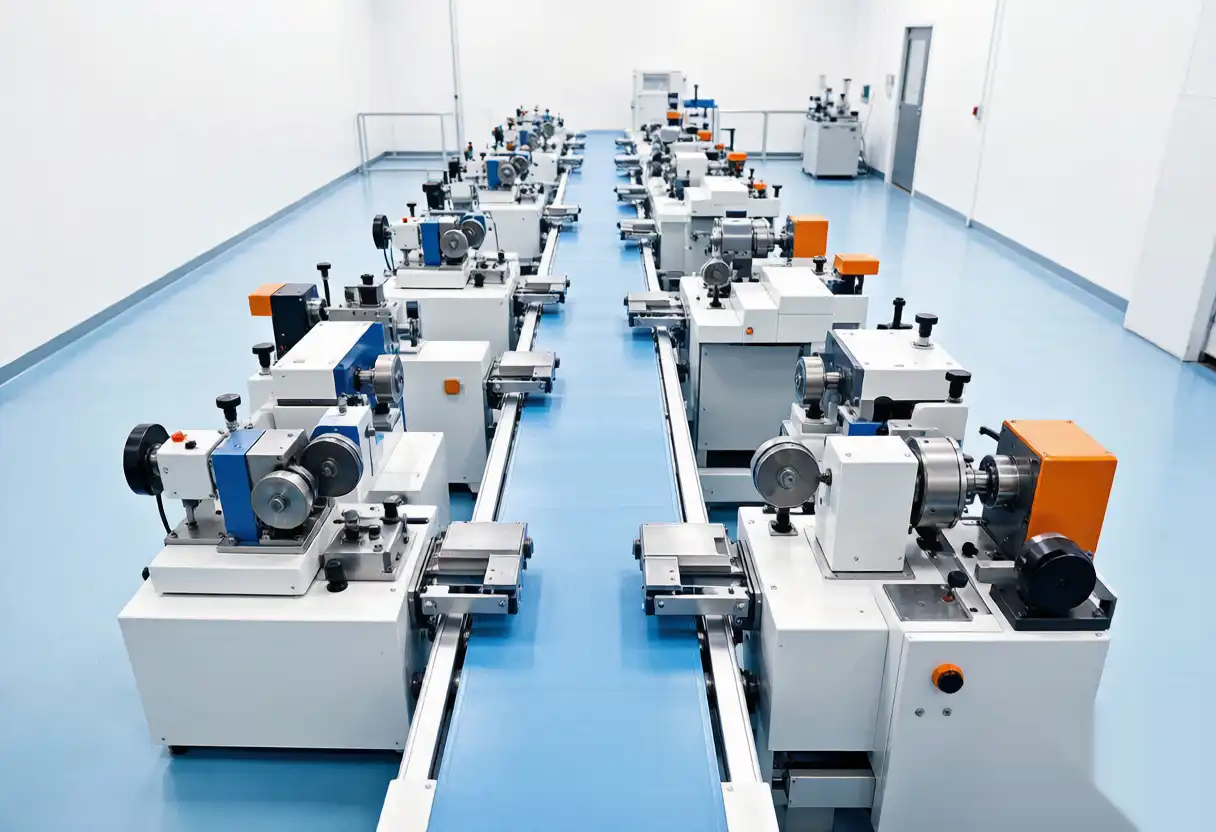
Downstream customers feel that churn as inconsistency. The same casting arrives with different edge conditions depending on who ran the bench that day, and quality disputes follow.
Automation attacks both problems directly. A robotic grinding cell repeats the same path with the same force around the clock, and it turns a staffing problem into a maintenance schedule.
There is a quieter benefit too: data. Automated cells log force, cycle, and tool life, so process arguments end with numbers instead of opinions.
Deburring: Equipment Forms Compared
Foundry deburring covers everything from trimming casting flash to breaking edges on machined faces. Three equipment forms dominate, and they are not interchangeable.
Trim presses shear gates and overflow stubs right after shakeout. They are fast and cheap per part but only touch what a die can reach, and they need a die per casting family.
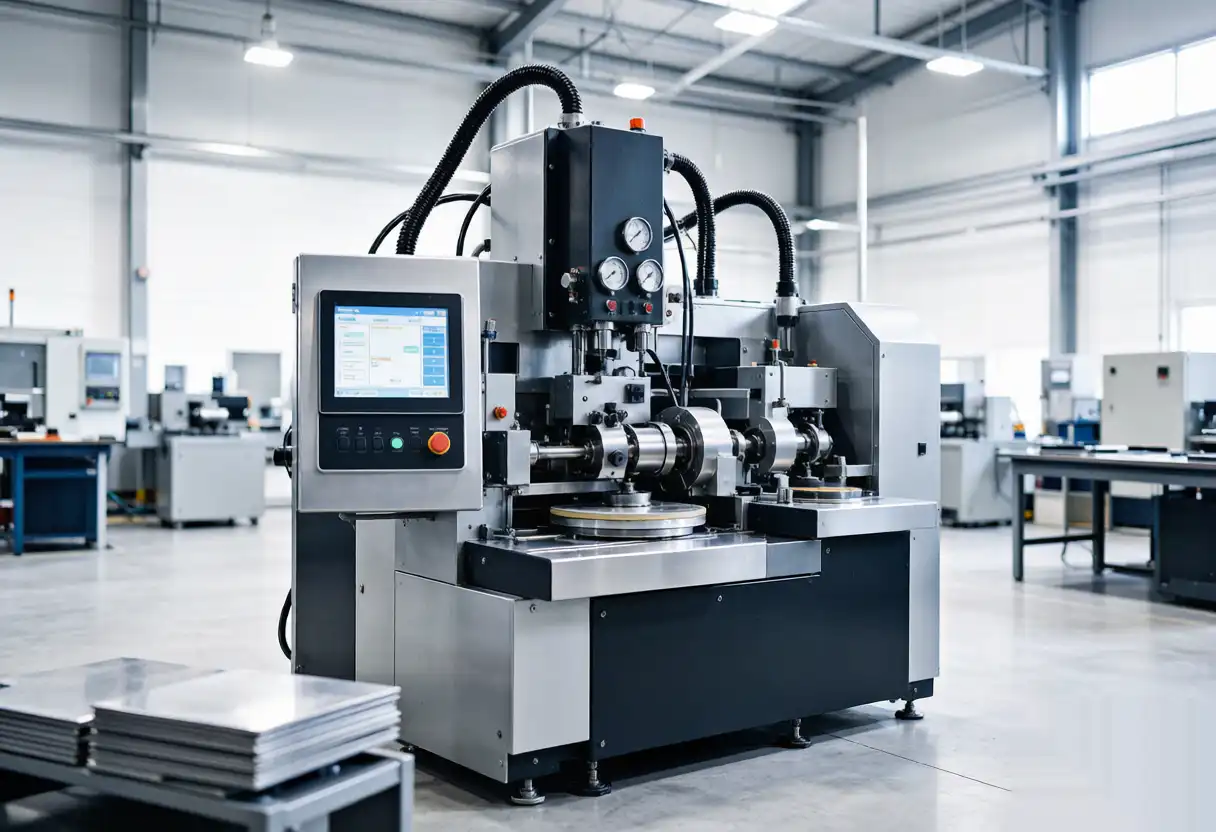
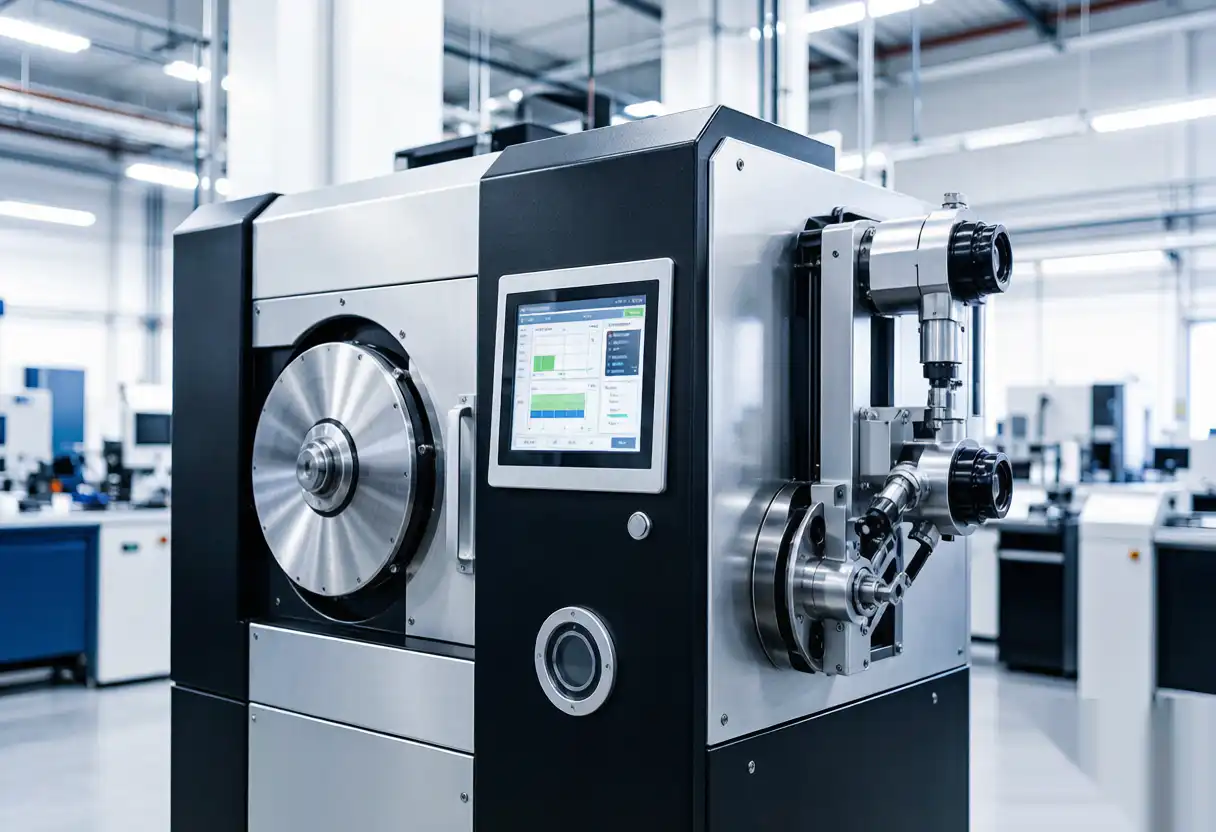
CNC deburring machines follow programmed paths with spindles and brushes. They handle complex geometry and tight burr specs, at the price of programming time per part.
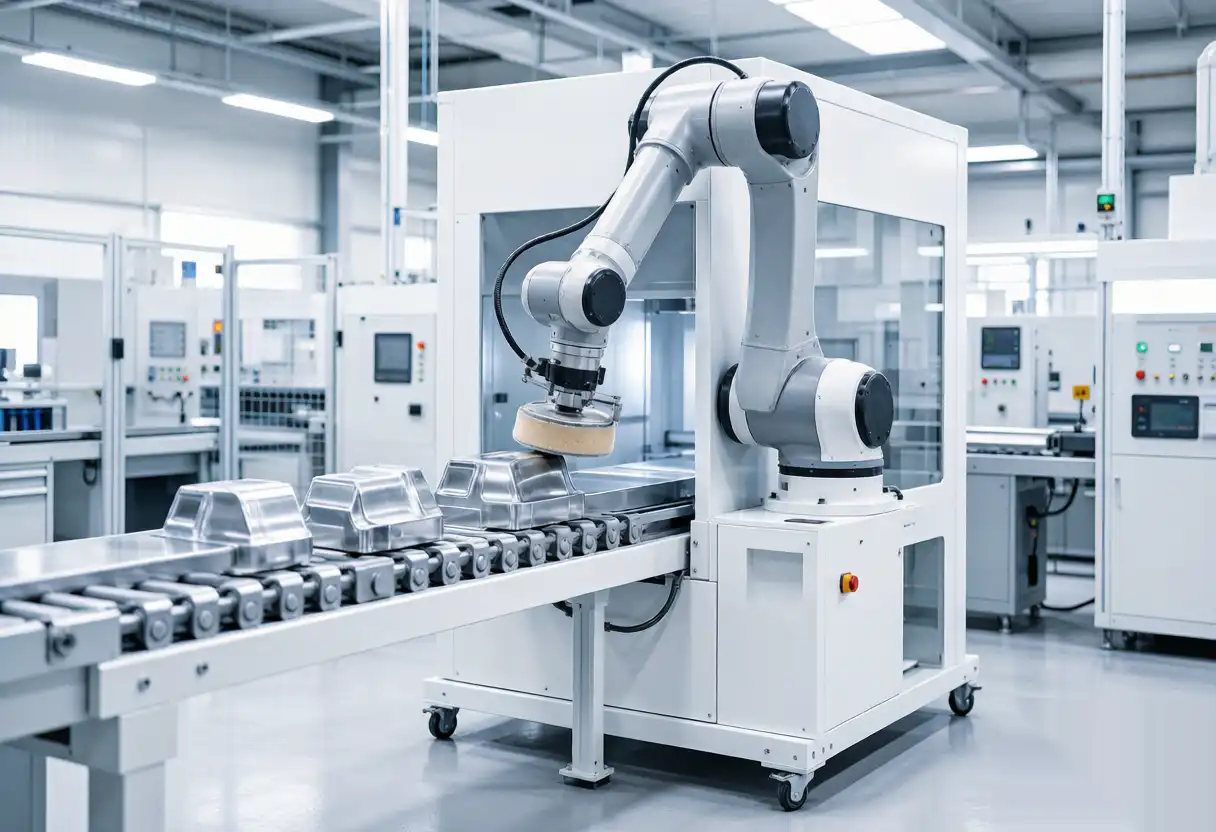
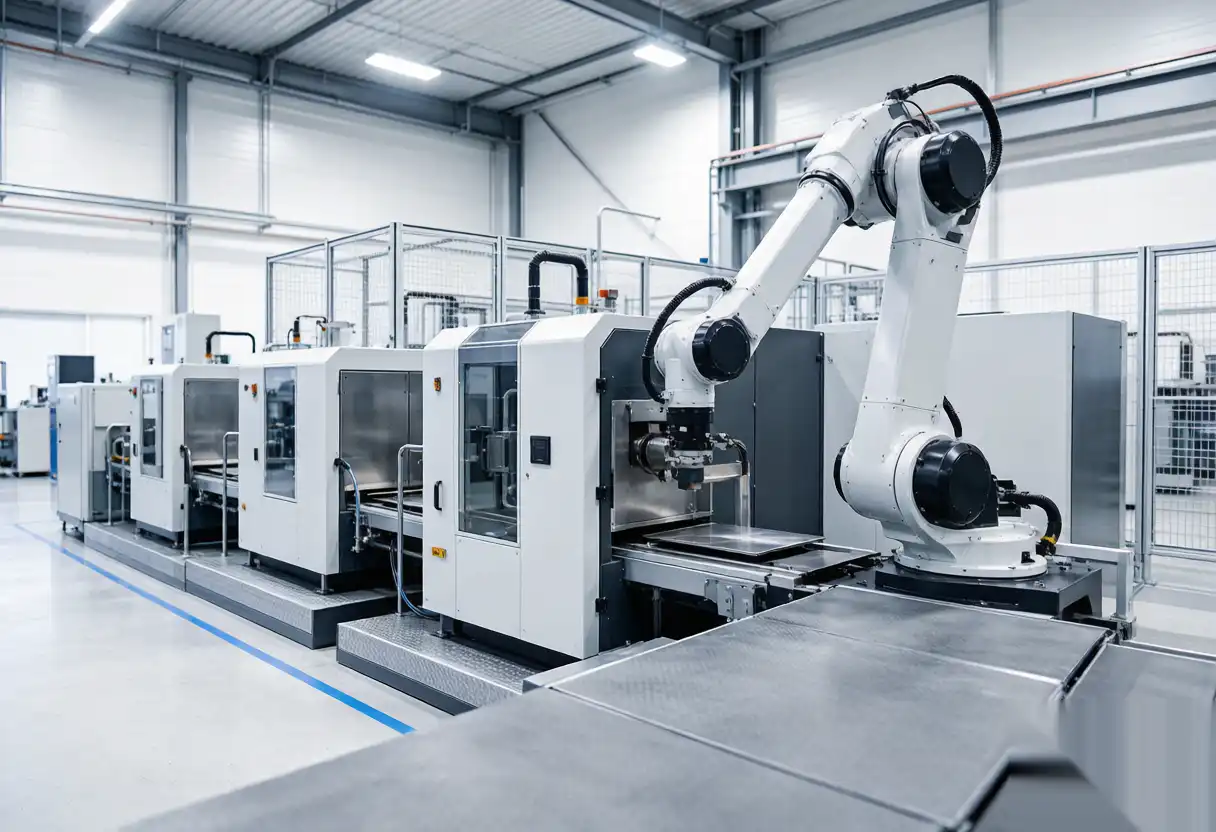
Robotic cells hold the tool or the part and cover the widest range, including multi-face parts. They cost more up front but convert between families by program and fixture change.
| Form | Strength | Watch-out | Best Volume |
|---|---|---|---|
| Trim press | Speed, low cost per part | Dedicated die per family | >50k/year per family |
| CNC deburr machine | Precision on complex edges | Programming hours per part | 10k–100k/year |
| Robotic cell | Flexibility, multi-face reach | Higher capital, integration | Mixed, 20k–500k/year |
Grinding: Matching Machines to Casting Weight
Grinding removes stock and blends parting lines. Casting weight and rigidity decide the machine form more than any preference.
Light castings under five kilograms suit robot-held-part grinding against fixed belts. The robot presents each face at the right angle, and one belt station serves many features.
Heavy castings suit part-stationary grinding with a robot carrying the grinder, or a manipulator where the operator keeps control. Force on a twenty-kilogram housing needs the machine, not an arm, to react it.
Long structural castings — rails, beams — want dual-robot cells where one robot holds and rotates while the other grinds, turning a multi-clamp problem into one continuous path.
Polishing: The Appearance Step
Polishing matters when castings ship visible. Sanitary, hardware, and decorative castings need cut and colour passes with compound; industrial castings often stop at ground texture.
Robotic polishing with force control handles curves that flat-belt machines mark. For flat-dominated parts, through-feed belt polishers run faster and simpler.
Compound management is the hidden success factor. Timed dosing and wheel dressing keep the finish stable for weeks; by-eye dosing drifts within days.
Solutions by Plant Size
Foundries cluster into three practical size bands, and each band has a solution shape that fits without over-building.
| Plant Band | Casting Output | Recommended Shape | Indicative Investment |
|---|---|---|---|
| Jobbing shop | <500 t/month, high mix | 1 flexible robot cell + manual backup | $120k–250k |
| Mid foundry | 500–2,000 t/month | 2–3 cells + trim press + conveyor links | $300k–700k |
| Volume foundry | >2,000 t/month | Dedicated lines, wash, vision gates | $800k+ |
Treat the investment figures as brackets, not quotes. Alloy, casting size, and local wage levels move them; the shapes are the durable part of the table.
Linking Finishing to the Casting Floor
Finishing automation fails quietly when the castings arriving at it vary. Thermal distortion, flash condition, and gating stubs all shift between shots, so the cell needs either consistent inputs or sensing to adapt.
Vision location solves most variation. A camera finds the actual part position and the robot adjusts its path in-flight, absorbing the millimetres of drift a shakeout leaves behind.
Conveyors should buffer, not just move. A small queue between casting and finishing absorbs cycle mismatches, so a slow shot at the moulding line never starves the cells.
Layout discipline matters too. Keep grinding dust away from polishing compound, and give each zone its own extraction path. Mixed exhaust loads both filters twice as fast.
A Phased Roadmap That Funds Itself
The proven pattern is three phases, each paying for the next.
- Phase 1 — Deburr one family. Automate the highest-volume family’s flash removal first. Fast payback, and your team learns robot basics on the simplest process.
- Phase 2 — Add grinding and a second family. Extend the cell to stock removal, add fixtures for family two, and prove cycle at rate. Payback funds phase three.
- Phase 3 — Polish, wash, and integrate. Add appearance passes, a wash station, and conveyor links back toward shakeout. Now finishing runs casting-to-shipment.
Each phase stands alone as a win. That matters when capital approvals come one year at a time, and it matters more when a phase needs rework — the foundry keeps running meanwhile.
Investment and Payback Expectations
Payback in foundry finishing runs eighteen to thirty months on labour substitution alone. Counting rework reduction and throughput gains, well-specified cells reach fifteen to twenty.
The honest ledger includes consumables — belts, brushes, compound, and dressing tools — which run eight to fifteen percent of the capital per year. Budget them from day one or the savings evaporate quietly.
Automated solutions for small and medium foundries detail the entry-level economics, and grinding machine maintenance for maximum uptime covers the upkeep side that keeps payback on schedule.
Choosing Partners Foundries Can Live With
Your automation partner will be on your floor for years. Pick one with foundry references, regional spares, and engineers who will stand at the shakeout and watch castings vary before quoting.
Contract for performance, not hardware: cycle time, burr spec, and finish band written into acceptance. Suppliers who accept measurable targets are the ones who hit them.
Train two operators and two maintainers per shift pattern. Single-person dependencies inside an automated foundry are simply manual labour wearing a different shirt.
Dust, Safety, and Regulatory Ground Rules
Foundry finishing dust is not housekeeping trivia; it is a regulatory and safety input that shapes the layout. Grinding dust from ferrous castings carries spark risk, aluminium dust carries combustion risk in concentration, and both carry exposure limits that local inspectors enforce.
Zone the extraction by station and alloy. Shared ducting mixes hazards that were separate at the wheel: sparks from steel grinding travelling toward aluminium dust is the classic avoidable incident.
Guarding follows spindle speed, and interlocks follow operator reach. A foundry cell that runs unattended at night still needs door interlocks that fail safe, because the 6 a.m. shift inherits whatever state the night left.
Housekeeping schedules close the gap. Dust that settles on fixtures shifts datums; dust that settles on floors becomes tomorrow’s airborne exposure. Both belong on the same maintenance calendar as belt changes.
People: Transitioning the Finishing Crew
The finishing crew that automation replaces is also the crew that knows where every casting hides its problems. Plants that design the transition well capture that knowledge; plants that design it poorly pay for its absence.
Move your best grinders into programming, cell operation, and first-article inspection roles. Their hands know forces and angles the engineer’s model does not, and the paths they teach run better for it.
Be honest about headcount early. Foundries that hide the staffing impact poison the project; the floor knows, and quiet resistance costs more months than any retraining budget.
Train two deep on every role — operator, maintenance, programming. A foundry cell with one trained operator is manual labour with a robot standing in it.
Contracting and Supplier Evaluation Details
Foundry projects survive or die on contract structure. Milestone payments tied to layout approval, factory test, and site acceptance keep both sides honest through the long middle of an integration.
Specify the factory test on your castings. A cell that runs the supplier’s demo parts but has never met your flash condition has not been tested — it has been demonstrated.
Include a spare-parts schedule with lead times in the contract, and price the first two years of consumables as a line item. Suppliers who quote these openly are quoting from experience.
Agree the escalation path before commissioning: response times, remote diagnostics access, and who pays travel when the answer is a settings change. The friendships formed during sales calls age quickly during downtime.
Finally, write the training scope into the contract with named hours — two weeks on-site after commissioning is the working minimum — and hold the payment milestone that follows it. Training delivered as an afterthought is training the plant never received.
Foundry automation succeeds as a sequence — deburr, then grind, then polish — sized to the plant band and linked to the casting floor with buffers and sensing. Follow the shape and each phase funds the next.
Consult your quality team before changing an approved process.