

AT A GLANCE · Die casting produces parts fast, but the parts do not leave the foundry ready. Parting lines, gates, and ejector marks all need finishing. That step is still manual in many plants, which makes it slow and inconsistent. Robotic surface finishing for die casting changes that. A cell removes the defects, blends the edges, and delivers a consistent finish on every part.
This article reviews the main solution types. Each one fits a different job. Use this overview to see which direction suits your parts and your volume.
What Die Casters Need From a Finishing Cell
First, the cell must remove gross material. Gates and parting-line flash are the biggest defects, and they need a robust cutting pass. Second, it must blend and deburr edges without harming the part. Third, it must apply a consistent cosmetic finish.
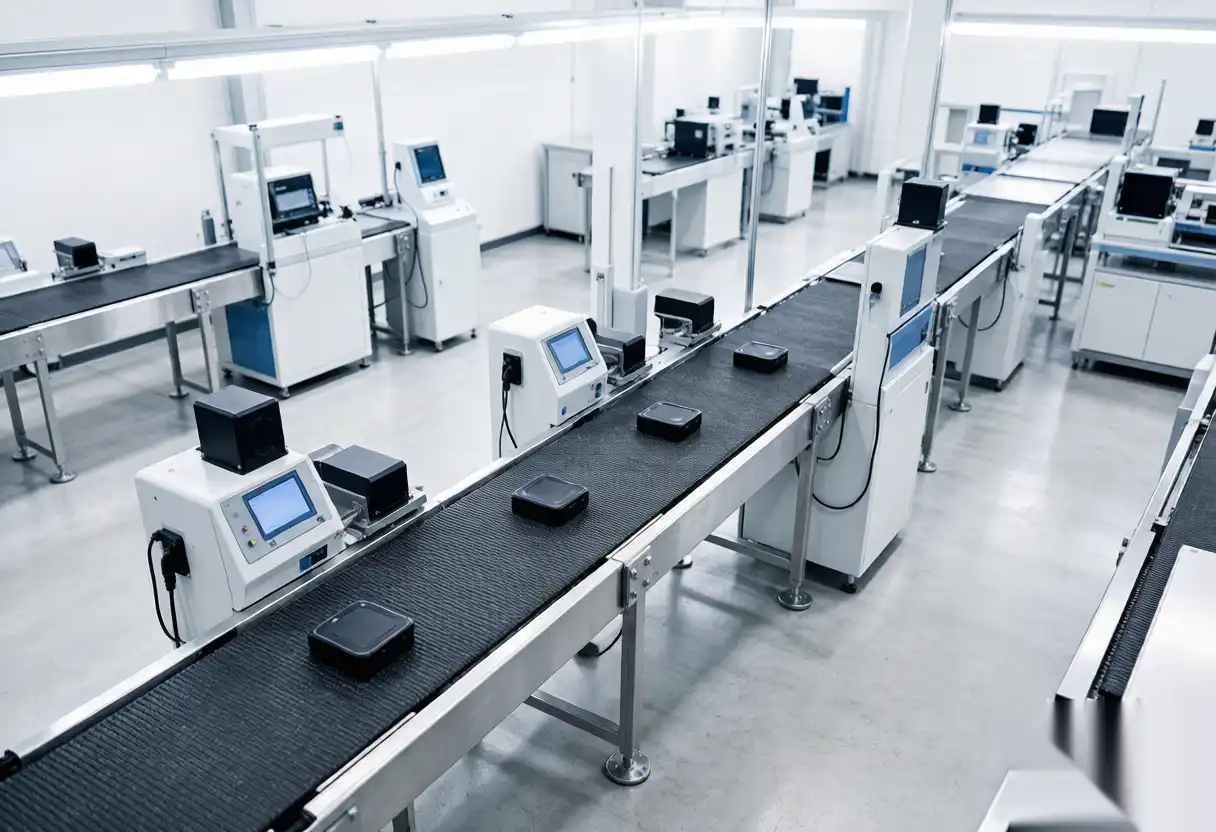
Therefore, a complete solution has three stages. Grind, deburr, then polish. The order matters, because each stage prepares the surface for the next one.
Solution 1 — Automated Deburring Cells
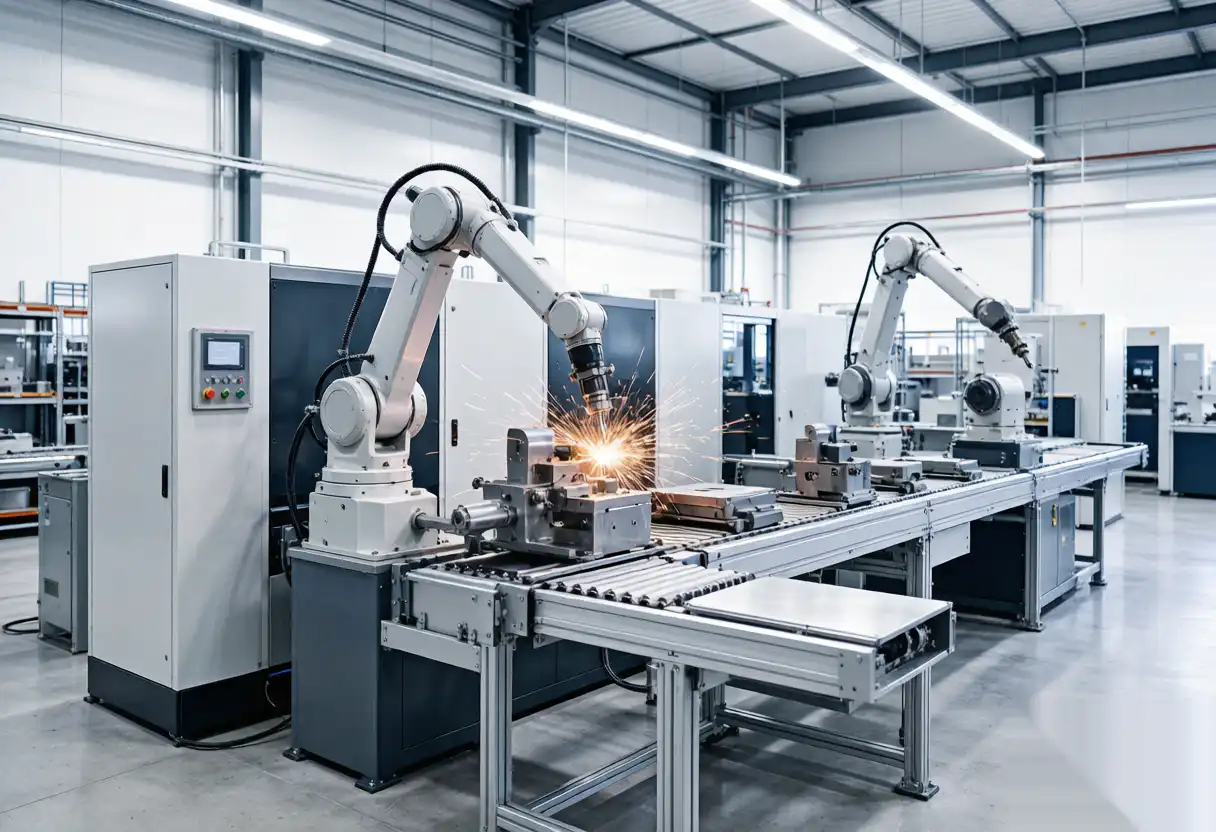
A deburring cell targets edges, holes, and parting lines. It uses a compliant tool that follows the contour, so the cut stays even on curved castings. These cells are the most common first step for die casters.
For example, automated deburring for zinc alloy die castings removes flash without smearing the soft alloy. Light force and metered compound keep the surface clean. Cycle times are short, often under a minute per part.
In addition, deburring cells run unattended. One operator tends two or three cells. That is a direct labor saving from day one.
Solution 2 — Robotic Grinding Stations
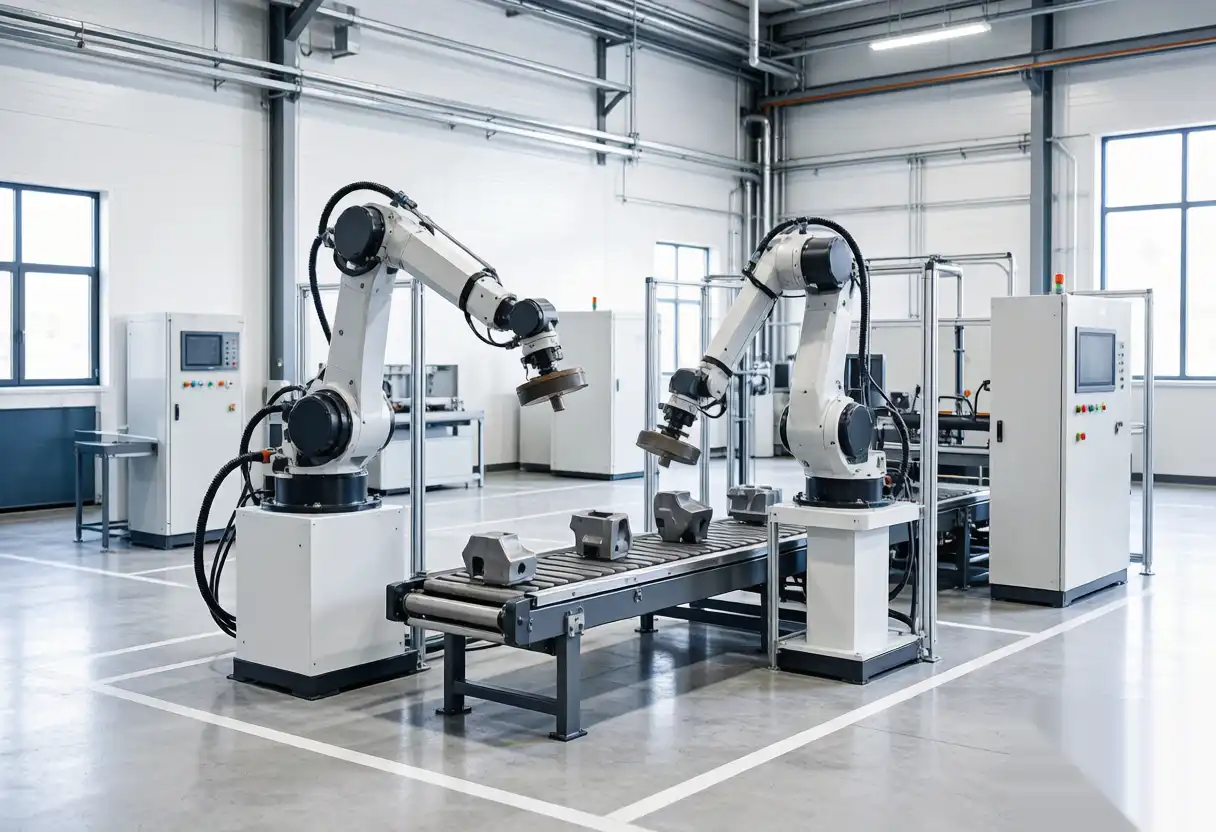
Grinding stations handle the heavy work. They remove gates, risers, and heavy flash with abrasive belts or wheels. A force-controlled spindle keeps the cut constant as the belt wears.
These stations work best on cast iron, steel, and thick-walled aluminum. They protect the downstream polish by making the part close to net shape before the finish pass.
As a result, polishing media lasts longer and the final finish is more stable. The grinding station does the ugly work so the polish does not have to.
Solution 3 — Polishing and Buffing Cells
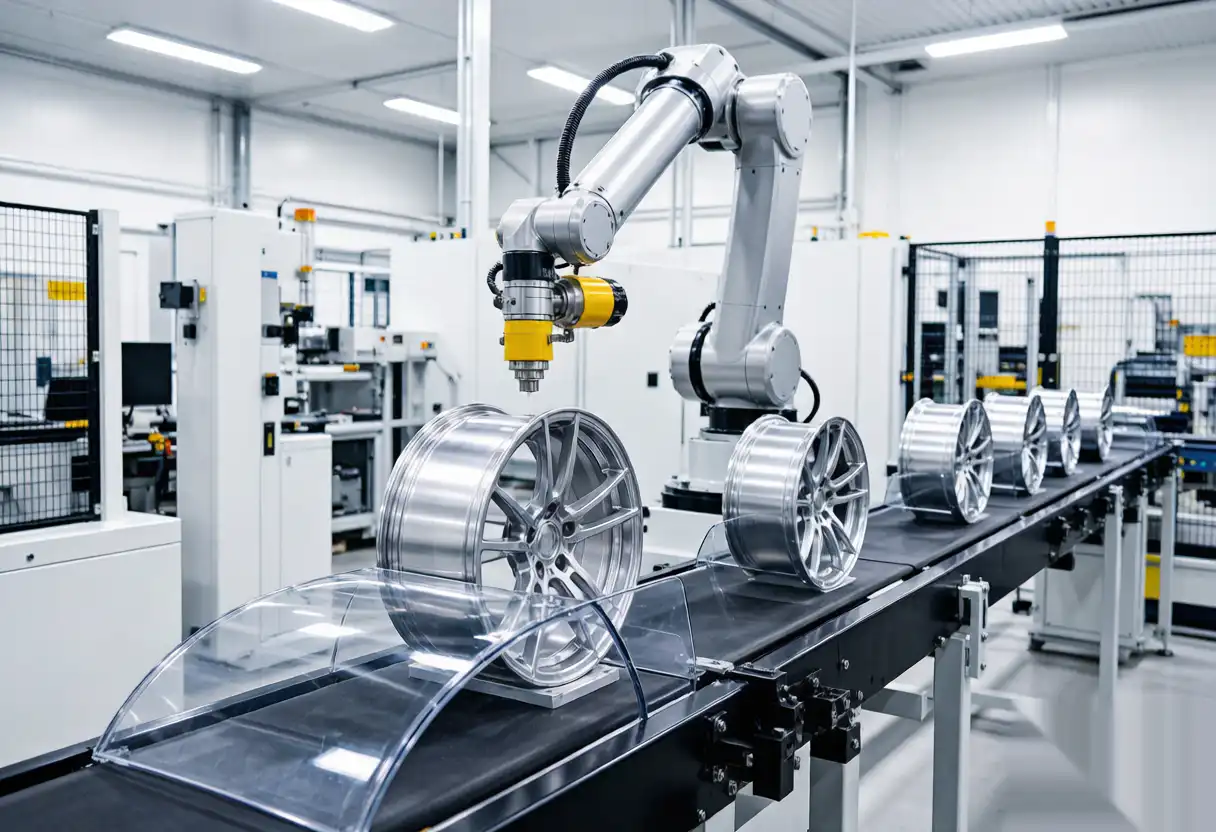
Polishing cells deliver the cosmetic result. They use a series of abrasive passes, from coarse to fine, to reach satin or mirror finishes. Automatic polishing machines for die-cast components follow this pattern.
However, polishing is the most sensitive stage. Force, speed, and compound must stay constant. A small drift shows up as a visible streak. That is why force control matters most here.
Consequently, polishing cells produce the same finish on part one and part one thousand. That consistency is what customers actually see and remember.
Solution 4 — Linked Casting-to-Finish Lines
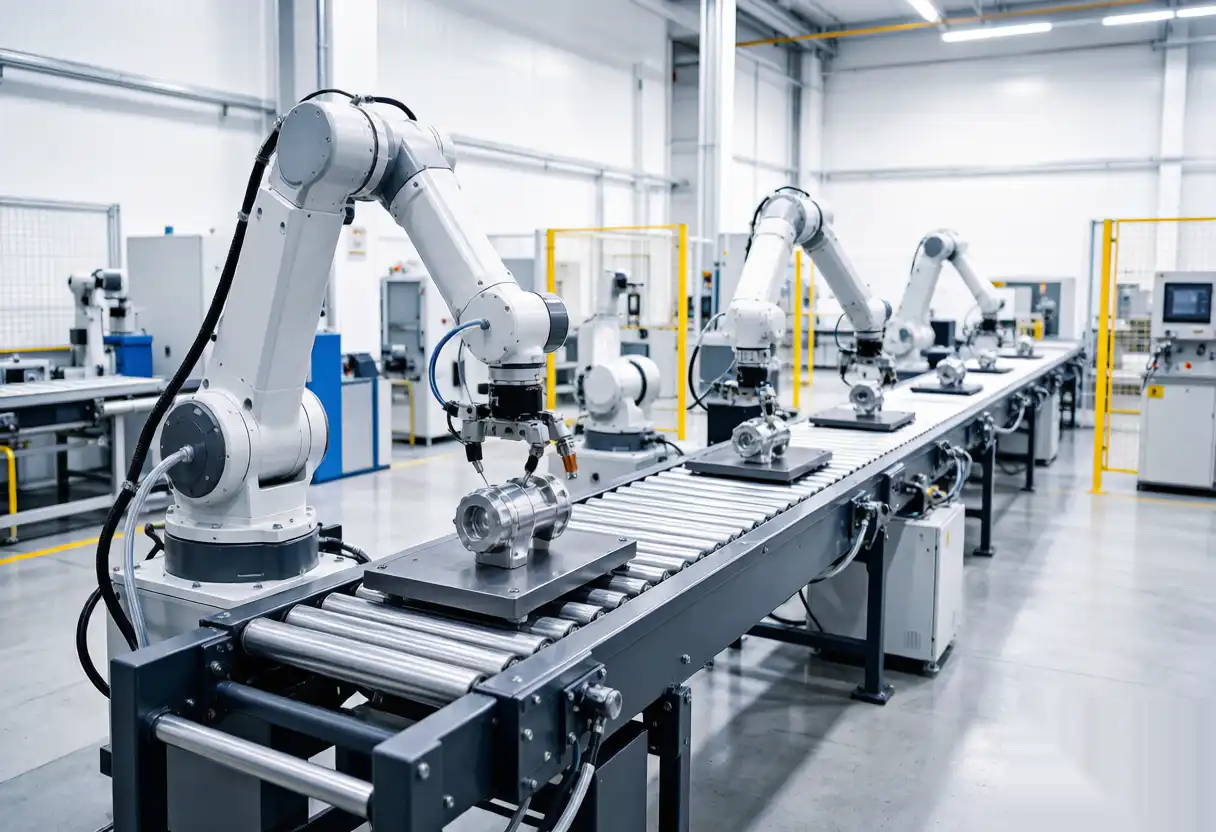
For high volumes, foundries link the stages into one line. A conveyor or shuttle moves each casting from grinding to deburring to polishing without re-fixturing. Robotic polishing for zinc alloy parts shows the quality gain this delivers.
For example, one line can turn a raw casting into a finished part in minutes. The operator loads the casting; the line does the rest. That removes both the labor and the inconsistency.
In addition, a linked line uses space better than a row of manual benches. It also makes the process visible. Every part follows the same path at the same speed.
Deburring, Grinding, or Polishing First?
Many die casters ask which stage matters most. The answer depends on the defect list. Use this simple guide.
- Gates and risers are the problem. Start with grinding. Remove the gross material first.
- Edges and holes are the problem. Start with deburring. A compliant brush cell blends them fast.
- Appearance is the problem. Start with polishing. Deliver the cosmetic result customers see.
However, the stages work together. Grinding prepares the surface. Deburring cleans the edges. Polishing delivers the look. Most cells combine all three in sequence.
Cell Layout Options
Layout follows volume and mix. A rotary table suits high-volume, identical parts. The robot works on one station while an operator loads the other. There is no idle time.
Alternatively, a quick-change single fixture suits a mixed catalog. Switchover is a fixture swap plus a recipe load. Most die casters start here because it is flexible.
For continuous production, a linked line moves parts through every stage on one conveyor. It uses the least labor per part but needs the most engineering.
Therefore, match the layout to your dominant volume. Do not buy a linked line for a job that changes weekly.
Cell Economics for Die Casters
The numbers that matter are simple. Count labor hours per 100 parts before and after. Count rework and scrap. Count first-pass yield.
For example, a cell that lifts yield from 85 to 97 percent saves money on every batch. A cell that halves rework saves paid metal and paid labor. Both show up on the monthly report.
In addition, most cells pay back within twelve to eighteen months on high-volume lines. The payback comes from labor, yield, and capacity together.
Therefore, model all three legs before you invest. The robot is the visible cost; the savings are the invisible gain.
Integration, Safety, and Dust Control
Plan the cell as part of the line, not an island. Feed it parts that are close to net shape. Send it work from a stable die. That makes every stage easier.
Safety comes first. Enclose the cell with interlocked fencing so the robot stops when a gate opens. Capture dust at the source with local extraction. Zinc and aluminum fines are a real hazard.
Consequently, a well-guarded, well-extracted cell protects people and keeps the finish clean. Do not skip either one to save floor space.
Signs Your Line Is Ready for Automation
- Finishing is the bottleneck between casting and shipping.
- You cannot staff the finishing bench reliably.
- Customer returns mention inconsistent finish.
- Rework costs more than the machine would.
- One part family drives most of your volume.
If three or more of these fit, the business case is probably already there. Start with one cell and prove it.
What to Prepare Before You Buy
Before you sign anything, prepare three things. First, collect sample parts from your worst production runs. Second, write your finish spec in numbers. Third, define your throughput target per shift.
These inputs let the supplier design the cell around your reality, not a brochure. As a result, commissioning is faster and the result matches what you asked for.
How to Choose the Right Solution
- Low volume, complex parts. A single robotic cell with quick-change fixtures.
- High volume, simple parts. A twin-station or rotary cell for maximum throughput.
- Mixed catalog. One deburring cell plus saved recipes per part family.
- Continuous production. A linked line from casting to finish.
Start with the part that causes the most rework. Prove the cell on that part, then expand. Do not try to automate the whole catalog on day one.
What the Cell Delivers in Practice
Most die casters see three results within the first month. First-pass finish yield climbs above 97 percent. Scrap and rework fall by half. And labor hours per 100 parts drop sharply.
For example, a zinc die caster moving from manual to robotic finishing typically sees rework drop from fifteen percent to three. That is paid metal and paid labor returned to the bottom line.
In addition, the cell removes a staffing problem. Finishing work is repetitive and hard to keep staffed. A robot does not quit, does not tire, and does not need a break.
Frequently Asked Questions
Can one cell handle zinc and aluminum? Yes, with separate recipes and tooling. The fixture philosophy and robot stay the same; only the abrasive sequence and force table change.
How much space does a cell need? Typically 2.5 to 6 square meters, depending on layout and robot reach. Twin-station cells use space more efficiently.
How long does commissioning take? Most cells reach validated production in four to eight weeks. The fixture design usually dominates that time.
What if my parts change? Quick-change fixtures and saved recipes make switchover a minutes-long job. New parts need a new fixture and a new recipe, not a new cell.
Do I need a new fixture for every part? Yes, but fixtures are quick-change. Swap and reload takes minutes, not hours. Design them to datum features for repeatability.
Can the cell run lights-out? Many do. With a twin-station layout and scheduled media changes, a cell runs unattended between shifts.
What finish can it reach? From heavy deburr to satin to near-mirror, depending on the abrasive sequence. Mirror on porous castings is the hardest case and needs densification first.
Who maintains the cell? One trained technician is usually enough. Most cells need little more than media changes and a daily checklist. The robot itself is the most reliable part of the line.