

QUICK SPECIFICATIONS
| Machining Tolerance | ±0.05 mm typical |
| First Article Setup Time | 30–90 min |
| Target Surface Finish | Ra 0.2–0.8 µm |
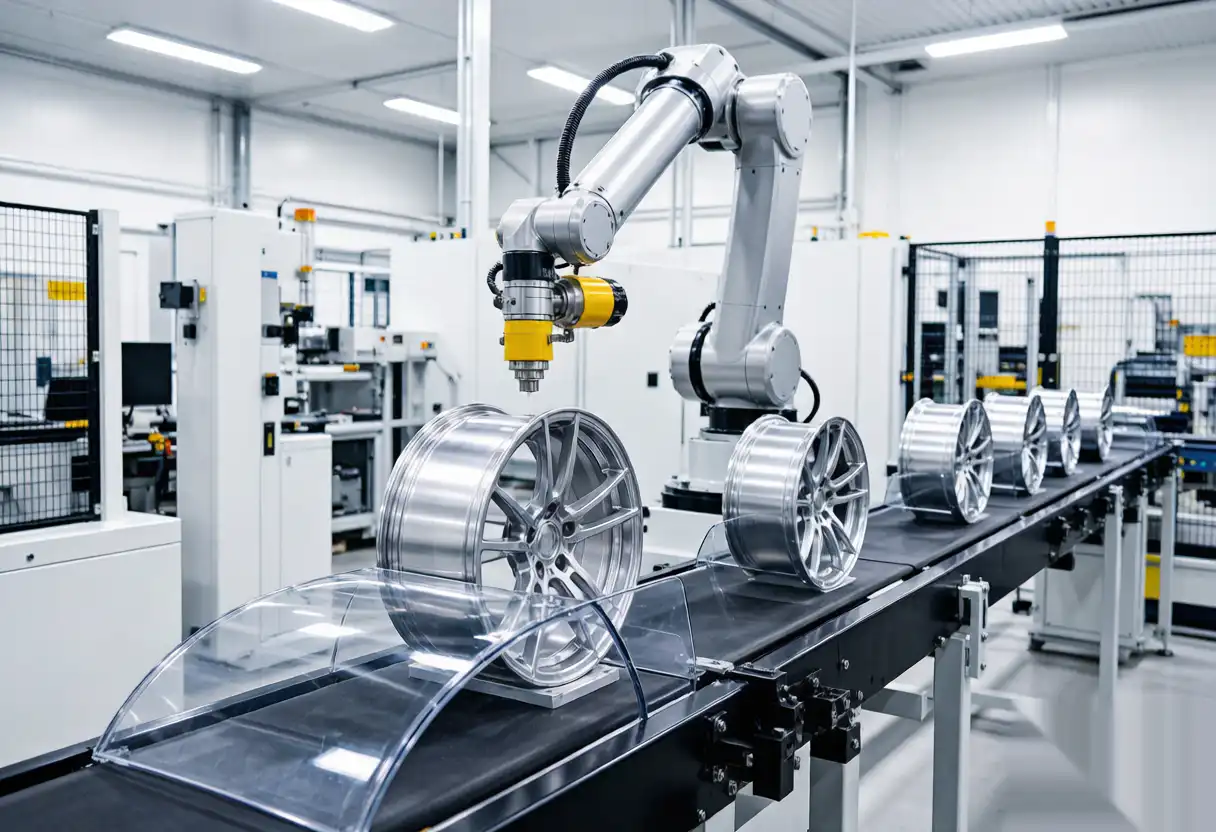
Selecting an automotive wheel polishing machine requires careful technical evaluation. Alloy wheels present unique finishing challenges: they are large, feature complex 3D curved surfaces, and require highly reflective, flaw-free cosmetics. Surface defects like “orange peel” or thermal drag marks can quickly lead to high reject rates. This technical assessment covers critical machine selection criteria, production volume factors, and a pre-purchase engineering checklist to evaluate machinery suppliers.
1. Define Your Wheel Material and Surface Finish Requirements
Before comparing finishing equipment, analyze your specific product mix. A machine optimized for cast aluminum rims may struggle with forged alloy or coated wheels. Key material and process variables include:
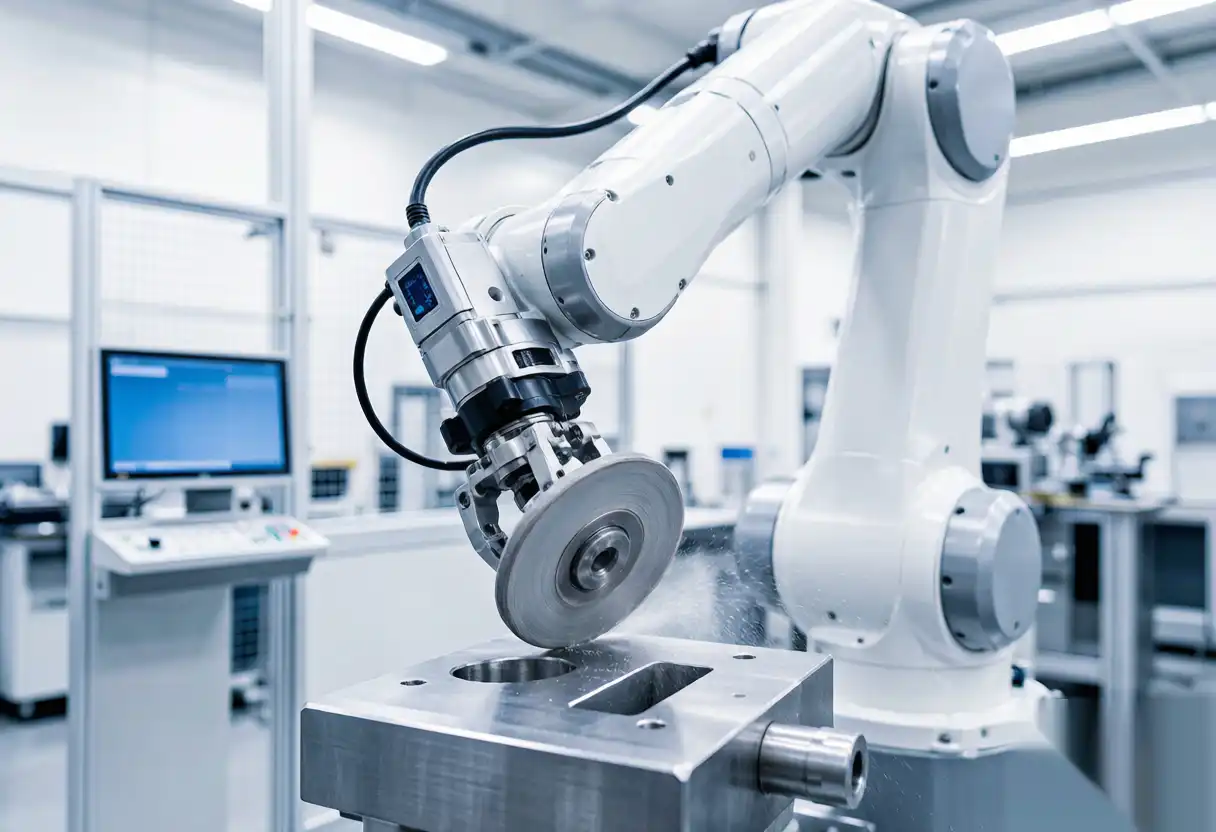
- Substrate Material: Cast aluminum alloys (A356, A356-T6) are soft and heat-sensitive, requiring precise compound application to prevent abrasive loading. Forged aluminum is denser and requires controlled force compliance. Steel or specialty alloys (magnesium/carbon fiber hybrids) demand dedicated abrasive media and speed parameters.
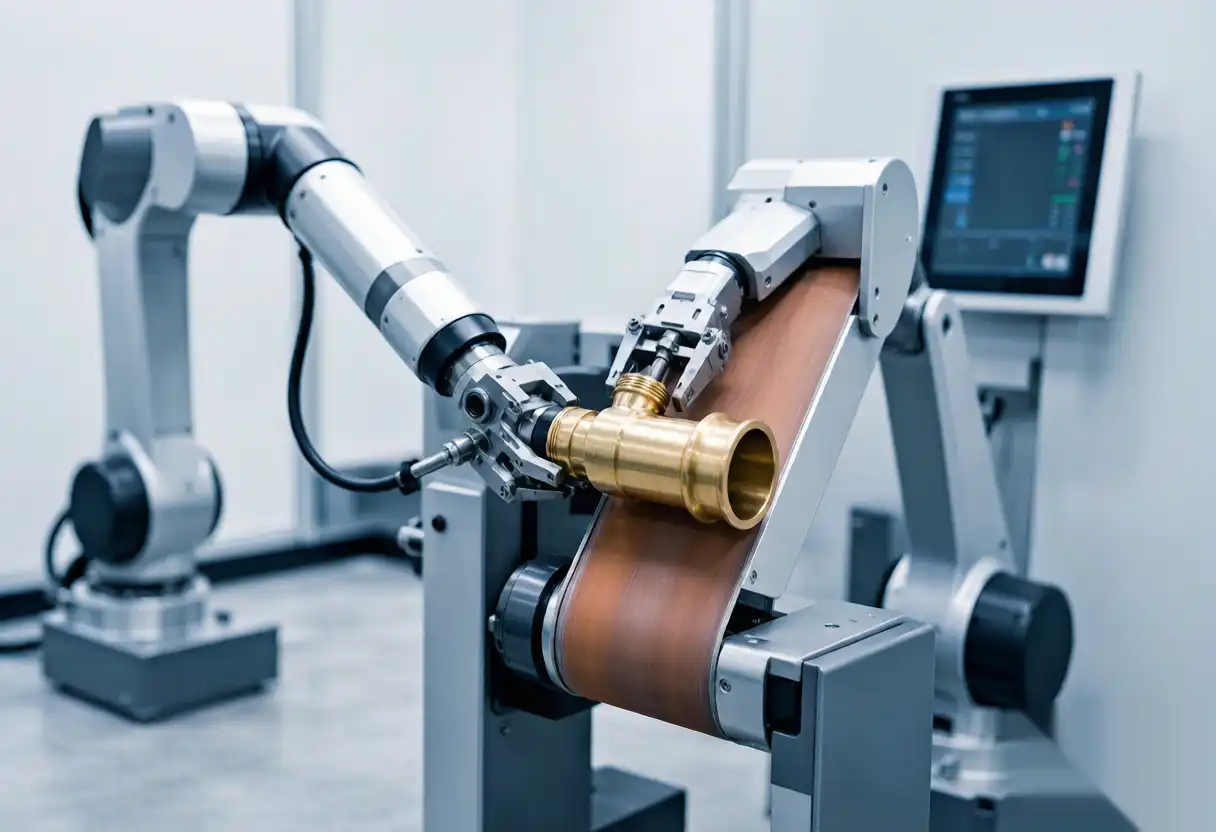
- Surface Finish Specifications: High-mirror polish requires multi-stage cut-and-color processes with fine liquid buffing compounds. Brushed or satin finishes utilize radial flap wheels for directional graining. Clear-coated or diamond-cut wheels require selective edge polishing without compromising existing coatings.
- Wheel Geometry & Size Range: Ensure the machine’s chucking and clamping range handles your complete SKU spectrum—from 15-inch standard rims up to 24-inch aftermarket SUV wheels.
2. Align Machine Throughput with Production Batch Size
Polishing cell architecture depends heavily on your daily output requirements and batch variability:
3. Comparing Wheel Polishing Machine Architectures
Select from four primary machine configurations depending on your flexibility and volume goals:
Ideal for low volume and job shops. Lower initial cost and simple operation, but throughput is limited to one part at a time.
Best for high-volume dedicated OEM runs. Parts index through multiple grinding and color buffing heads for fast cycle times.
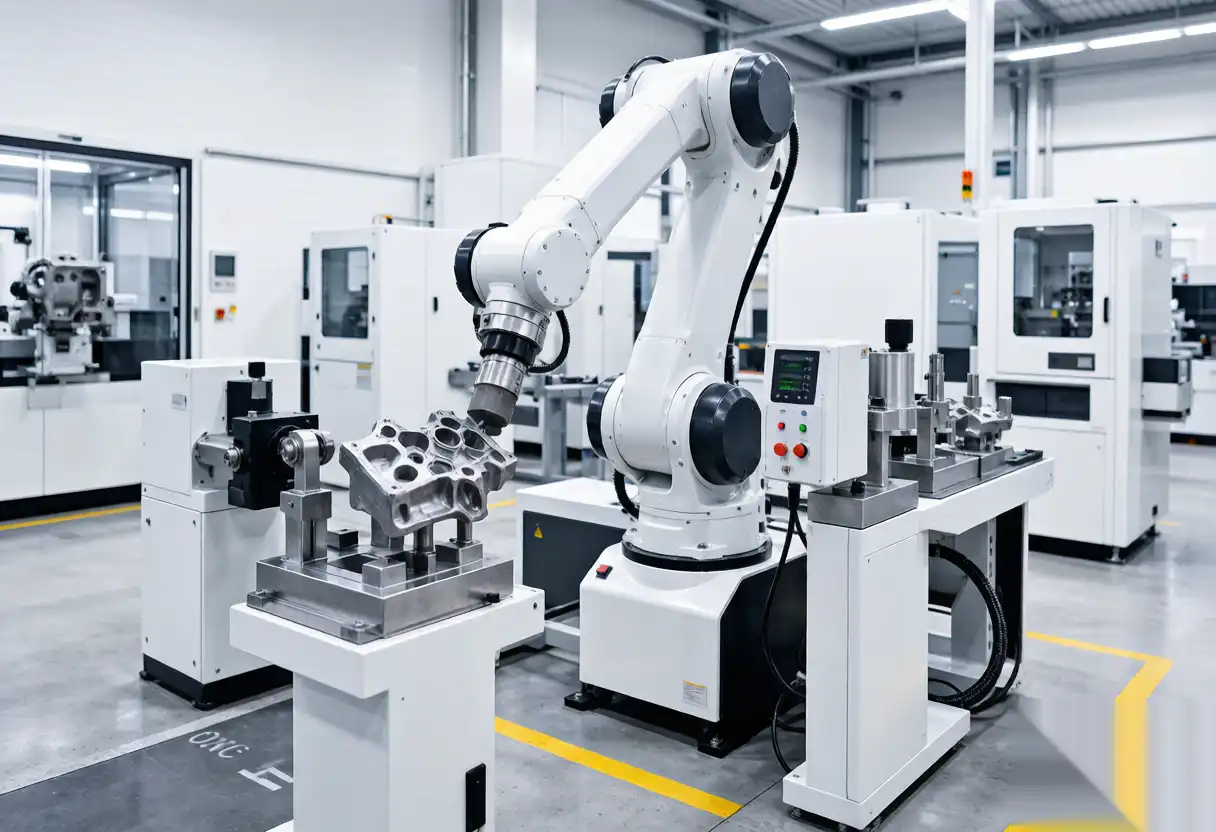
Provides maximum flexibility for complex 3D contours and high-mix SKU runs. Integrates force control sensors for uniform quality.
Multi-axis programmable toolpaths deliver superior repeatability on known wheel geometries and bright-machined surfaces.
4. Critical Technical Specifications to Evaluate
- Spindle Power & Variable Speed: High torque at lower RPM prevents alloy overheating during heavy cutting, while high RPM ensures a clear mirror finish during color buffing.
- Active Force Control Compliance: Dynamic pressure control keeps polishing heads floating along wheel contours, preventing edge burn-through.
- Dust Collection & Safety Filtration: High-efficiency extraction systems are critical for capturing airborne aluminum dust and compound residue.
- Automatic Compound Metering: Delivers precise liquid compound dosing to maintain stable cut rates across continuous shifts.
- CNC / PLC Recipe Management: Stores part-specific parameters (speed, pressure, dwell time) for fast changeovers.
5. Preventing Common Surface Defects in Wheel Finishing
Automated wheel polishing equipment must incorporate control safeguards against key defect modes:
- Orange Peel & Surface Haze: Caused by worn abrasives or improper progression; controlled by multi-stage recipe timing.
- Thermal Burn Marks: Caused by excessive force or insufficient compound; prevented by active force limiting and automated slurry spray.
- Edge Overshoot / Cut-Through: Prevented by 3D optical scanning or accurate CNC path programming.
- Swirl Marks: Eliminated through proper buff cleaning cycles and directional control.
6. Facility Requirements & Plant Integration
Plan floor space for the entire cell footprint, including loading zones, dust collectors, compound reservoirs, and quality inspection stations. Ensure your shop floor provides 3-phase electrical power, dry compressed air, and proper drainage. Robotic cells also require safety fencing or light curtain enclosures to comply with ISO safety standards.
7. ROI and Payback Analysis
Calculate capital investment against savings in manual labor, reduced scrap rework, and increased throughput. Automated polishing cells typically achieve full payback within 12 to 24 months for medium-to-high volume production lines.
8. 10-Point Pre-Purchase Supplier Checklist
Use this 10-point checklist to evaluate machine proposals before committing:
- Has the supplier demonstrated successful polishing trials using your exact wheel sample?
- Is the quoted cycle time based on your target Ra finish specification?
- Does part changeover require quick menu selection or complete re-programming?
- Which force control mechanism (active vs. passive) maintains contact along curved wheel faces?
- What dust extraction and explosive aluminum dust safety filtration systems are included?
- What is the total installed footprint including maintenance access and peripherals?
- Does the chucking system support your full range of wheel diameters and center bores?
- What hardware safeguards prevent heat smearing, burn marks, and edge gouging?
- What are the estimated annual costs for replacement consumables, spare parts, and maintenance?
- Is the ROI calculation verified against your plant’s realistic production volumes?
9. Commissioning and First-Article Validation
Conduct factory acceptance testing (FAT) using your production wheel castings before shipment. Verify cycle times, surface roughness (Ra), and visual consistency across a validation run of 20 to 50 wheels to ensure machine performance matches technical proposals.
Frequently Asked Questions
Can one machine process mirror, brushed, and painted wheels?
Yes, provided the machine features quick-change abrasive heads, programmable variable speeds, and recipe storage for seamless toolpath switching.
Is robotic polishing mandatory for automotive wheels?
Not for high-volume single-SKU lines, where indexing machines offer excellent speed. Robotic cells excel in high-mix facilities requiring frequent geometry adjustments.
How do you prevent thermal damage on soft aluminum alloys?
Maintain active force control (preventing excessive pressure), optimize peripheral wheel speeds, and utilize continuous automated liquid compound application.
Consult Engineering Experts at Xiamen Dingzhu
Xiamen Dingzhu Intelligent Equipment manufactures advanced automated polishing cells for foundry, automotive, and hardware manufacturers worldwide. Provide your wheel dimensions, material specs, and output targets to receive a custom machinery proposal. Speak with our technical engineering team today.
References
- Deloitte — Smart Manufacturing Insights
- PwC — Industry 4.0 Applications in Automotive Manufacturing
- World Economic Forum — Advanced Manufacturing Systems
*This content is provided for educational and engineering planning purposes.