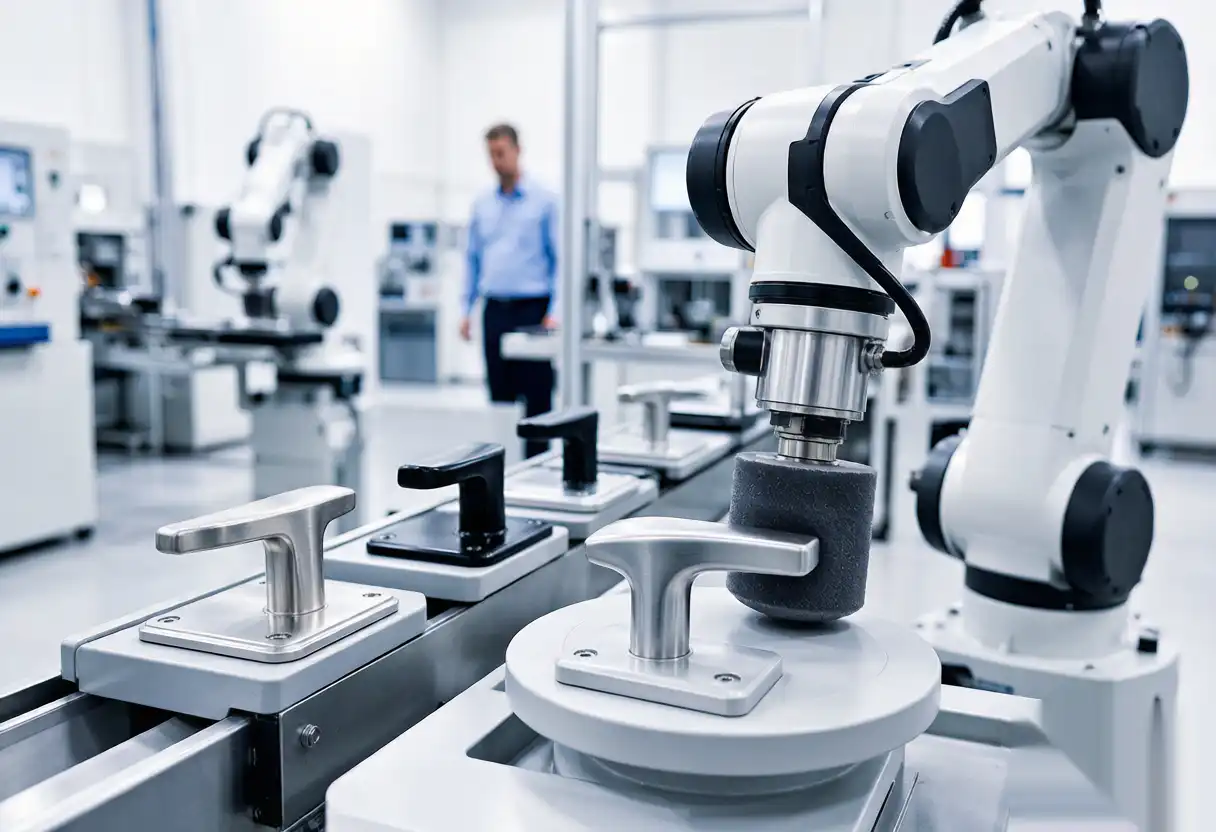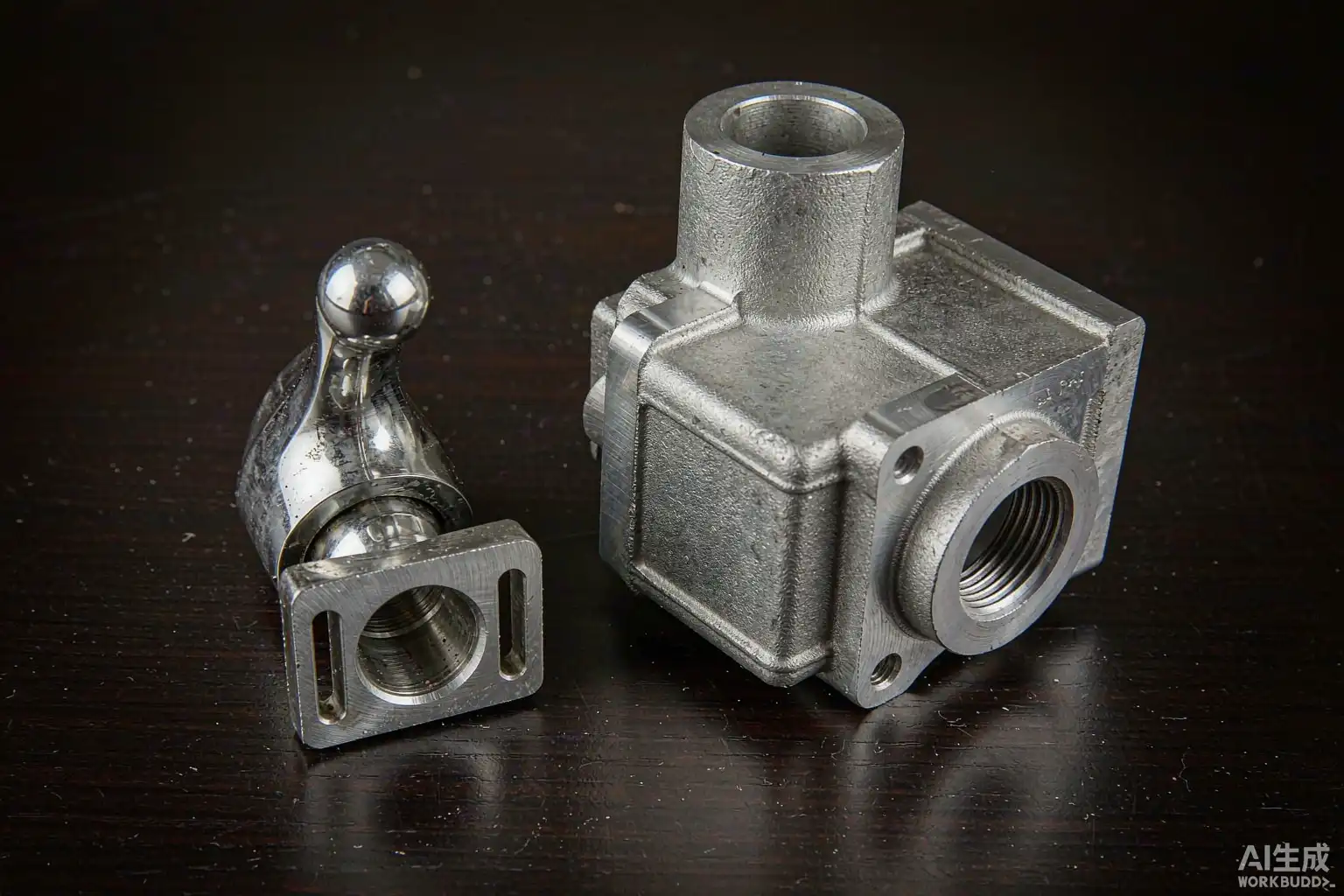


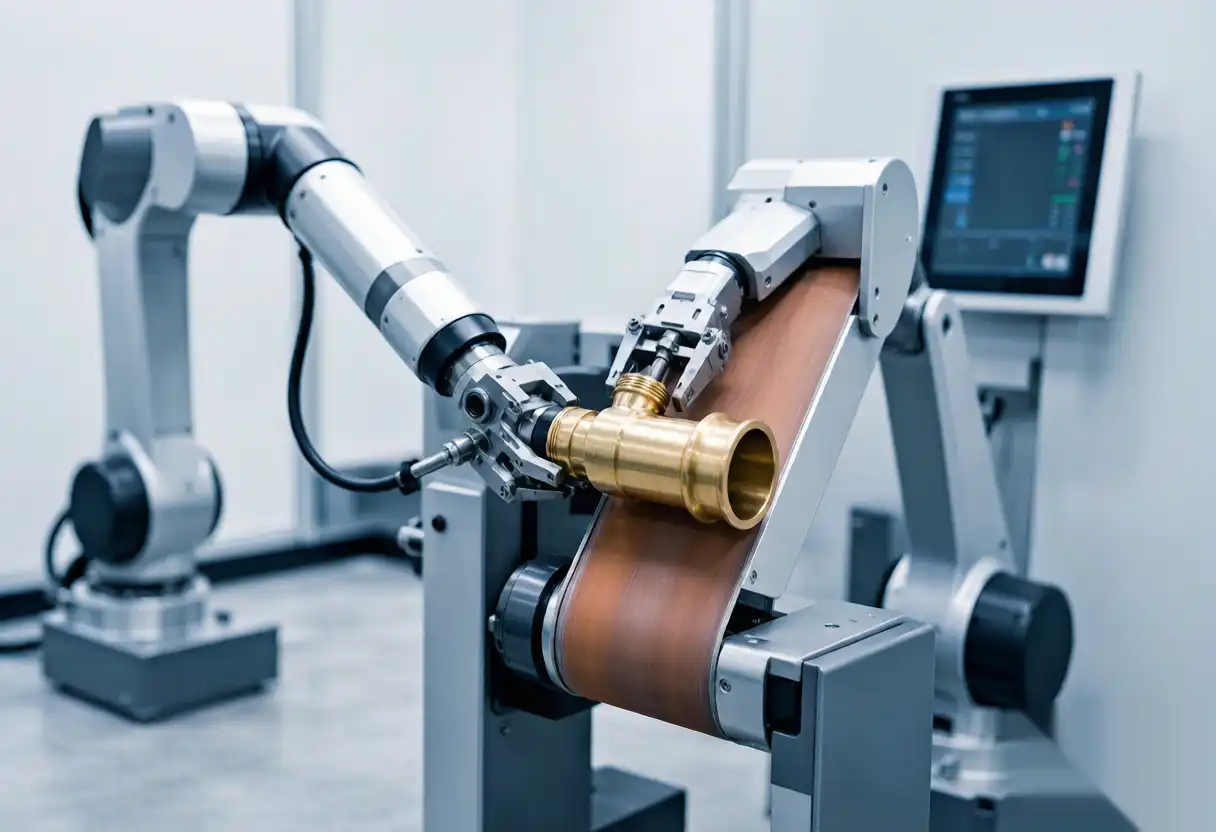
A grinding machine for sanitary fittings is a programmable finishing system that removes parting lines, gate stubs, and surface defects from faucet bodies, shower components, and valve housings made of brass, stainless steel, or zinc alloy. It delivers the consistent, scratch-free substrate that a downstream polishing machine for brass faucets needs to reach a mirror finish.
Why Sanitary Fittings Need a Dedicated Grinder
Sanitary fittings have curved, thin-wall geometries and visible surfaces where every scratch shows. Manual grinding cannot hold tolerance across thousands of units, and operator fatigue introduces variation. A dedicated automatic grinding machine holds contact force and path so each fitting leaves the station identical.
Common Configurations
- Single-station rotary table for low-mix, high-volume faucet bodies
- 6-axis robot cell for complex curves and mixed SKUs
- In-line belt-head unit for long parts such as shower columns
Material-Specific Settings
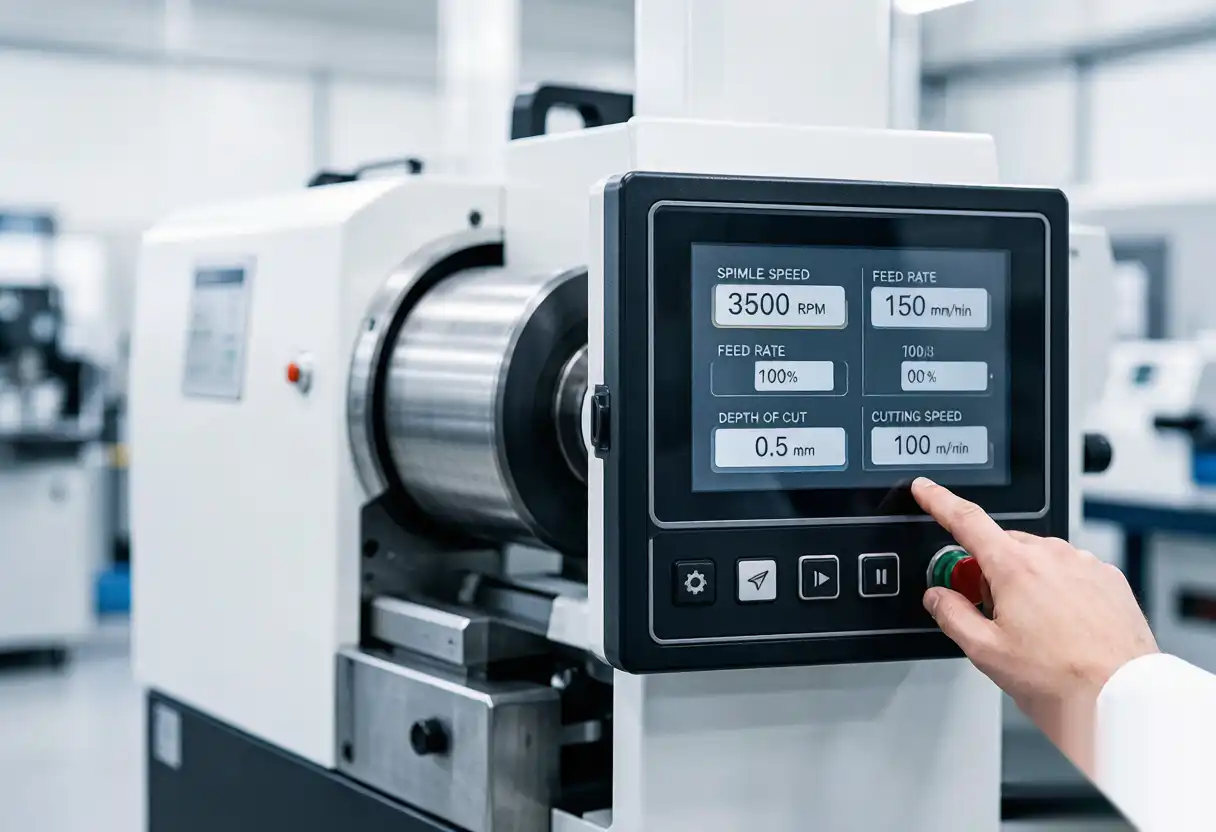
Brass suits 8,000–12,000 RPM with medium abrasive belts; 304 stainless needs cooler runs and an 80–120 grit progression to avoid work hardening. Match the media to the alloy using our grinding wheel selection guide.
| Factor | Brass | Stainless steel |
|---|---|---|
| Spindle RPM | 8,000–12,000 | 6,000–10,000 |
| Start grit | 120 | 80 |
| Coolant | Optional | Recommended |
| Typical Ra after | 0.4–0.8 µm | 0.6–1.0 µm |
QUICK TIP
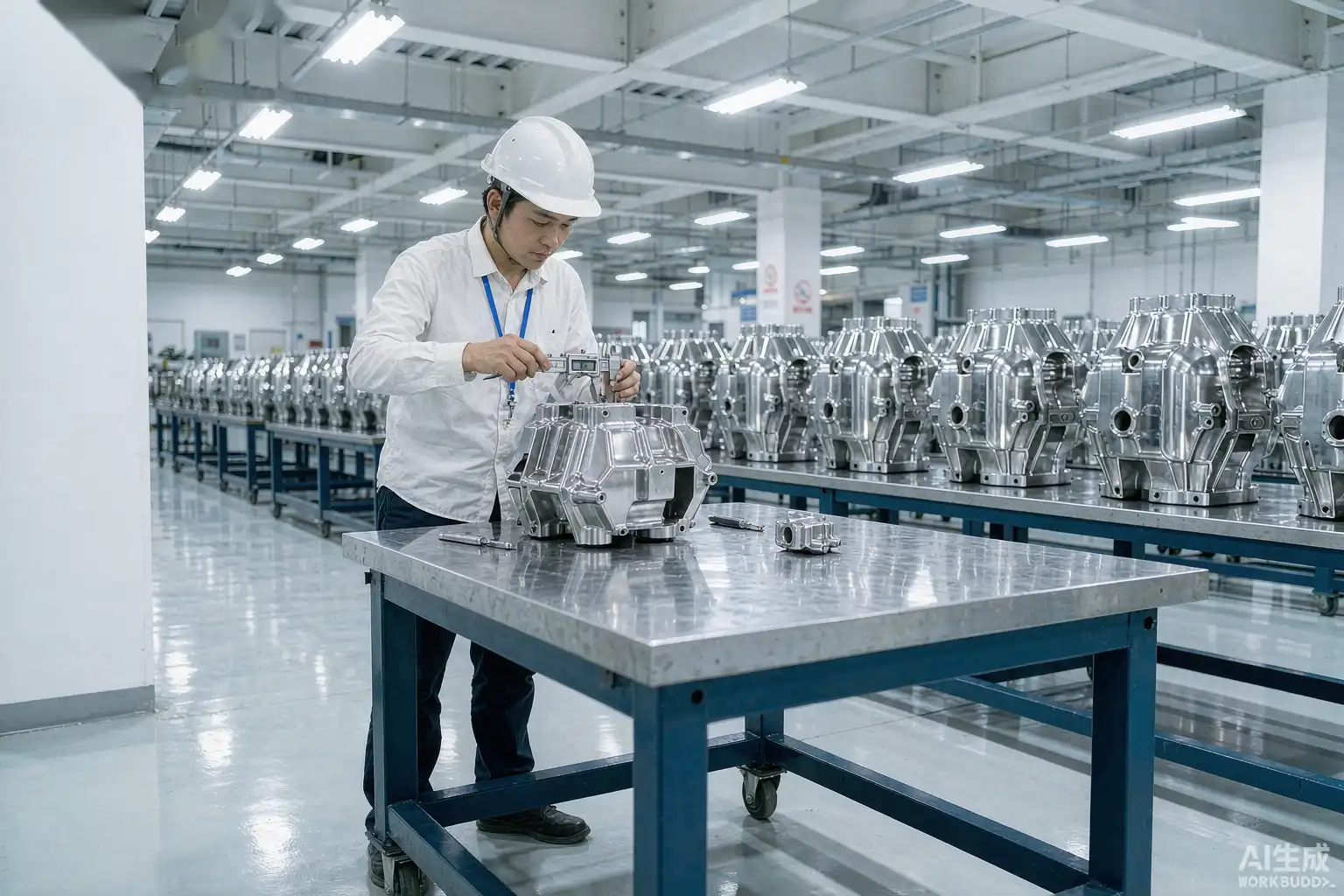
Validate on 20 sample fittings before full production; measure Ra on the visible face, not the hidden bore.
Integration With Polishing
Plan the handoff early. A two-in-one grinding and polishing machine can collapse two stations into one cell, cutting footprint and transfer handling for sanitary ware lines.
Frequently Asked Questions
Can one machine handle both brass and stainless?
Yes, with quick-change tooling and saved programs, but expect a 10–15 minute changeover and a coolant switch for stainless.
What Ra can I expect after grinding?
Typically Ra 0.4–0.8 µm on brass and 0.6–1.0 µm on stainless — ready for the polishing stage.
Do I need coolant?
For stainless and long runs, yes. Short brass runs can run dry with good dust extraction.
Need Help Specifying the Right Machine?
Talk to the application engineers at Xiamen Dingzhu Intelligent Equipment — we size grinding, polishing, and surface finishing systems to your castings, volume, and finish targets. Explore our full range of automatic grinding machines and automatic polishing machines.
References
- American Foundry Society — afsinc.org
- ISO 9001 quality management — iso.org
- NADCA die casting standards — nadca.com
This article is for general guidance only and does not constitute a specification or quote. Confirm process parameters and tolerances with the equipment supplier for your specific parts.