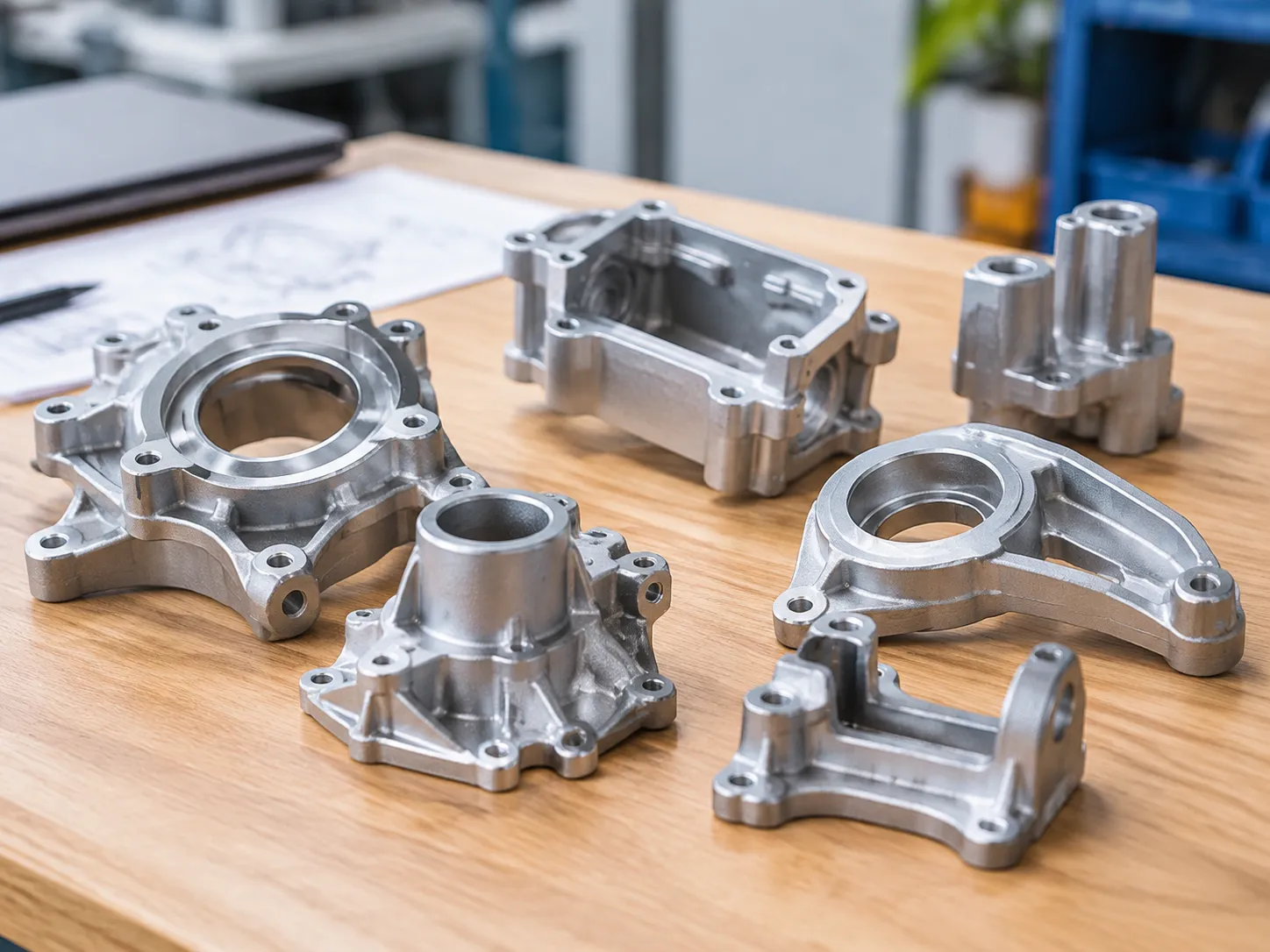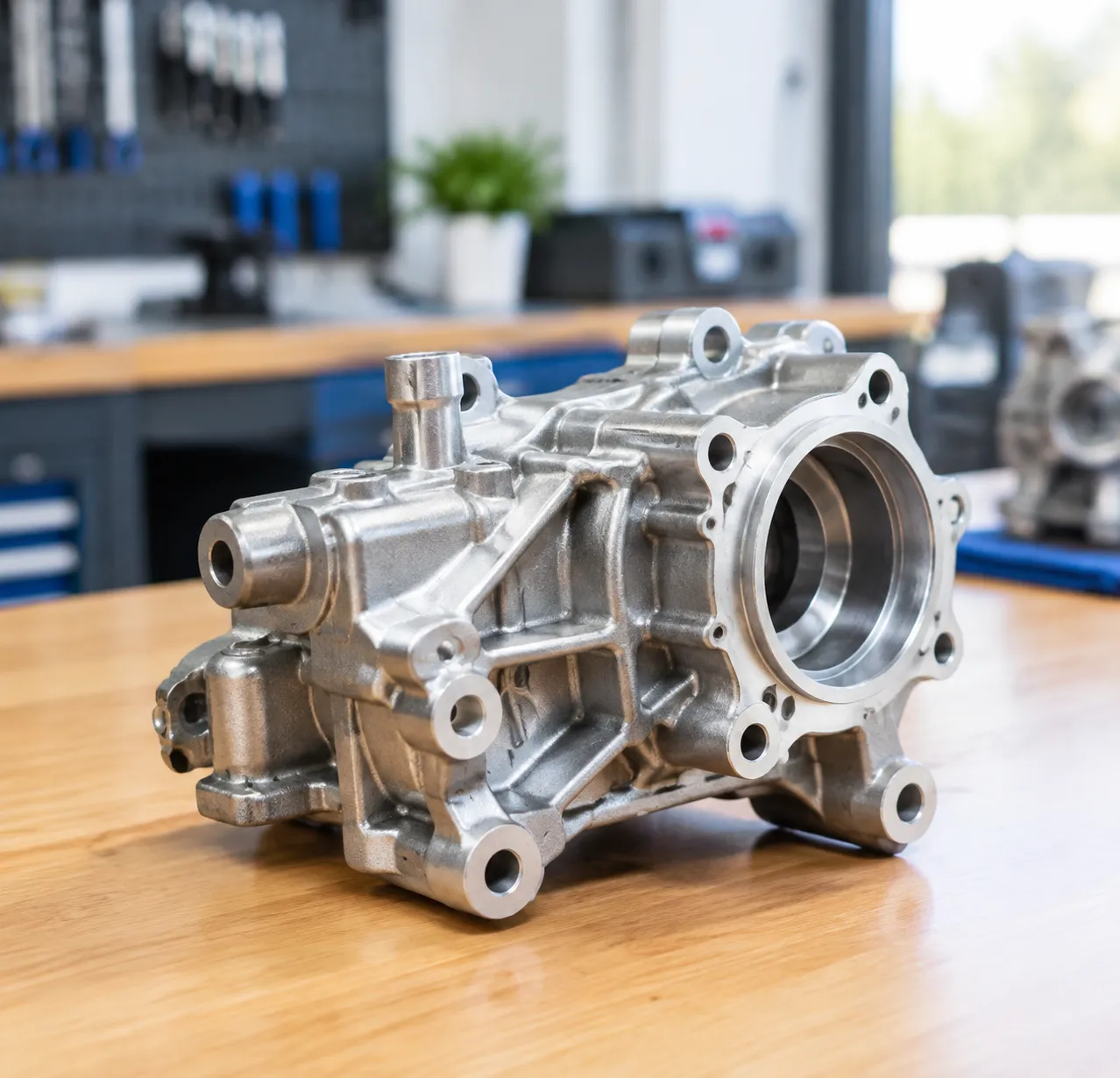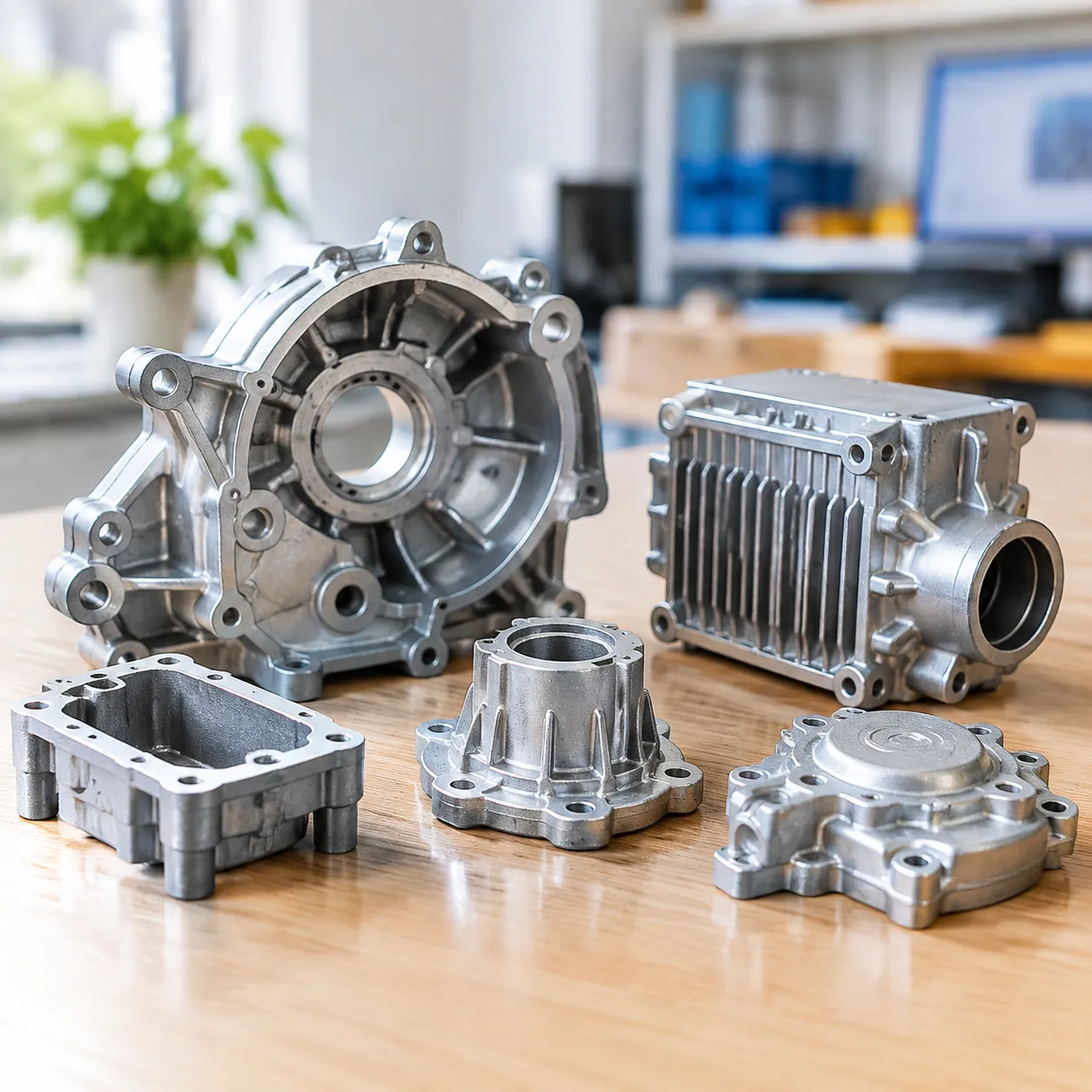


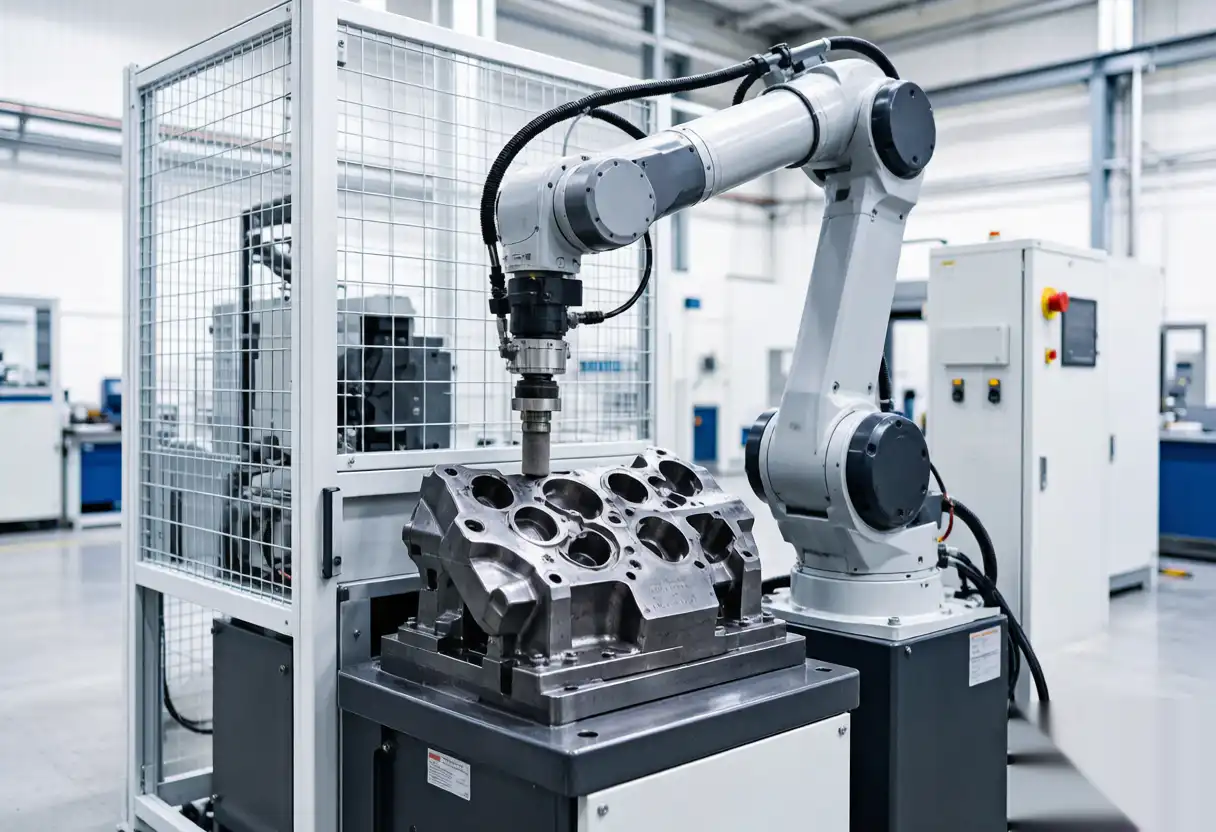
Automated robotic grinding uses a 6-axis robot fitted with a compliant grinding head to remove material from cast or machined parts under programmatic control. Below we answer the five questions manufacturers ask most before investing in a robotic grinding machine for metal castings.
1. How Accurate Is a Robotic Grinder?
With active force compliance, edge break stays within ±0.1 mm even when castings vary by ±0.4 mm from mold shift. That repeatability is why plants move from manual benches to a robotic grinding cell.
2. What RPM and Grit Should I Use?
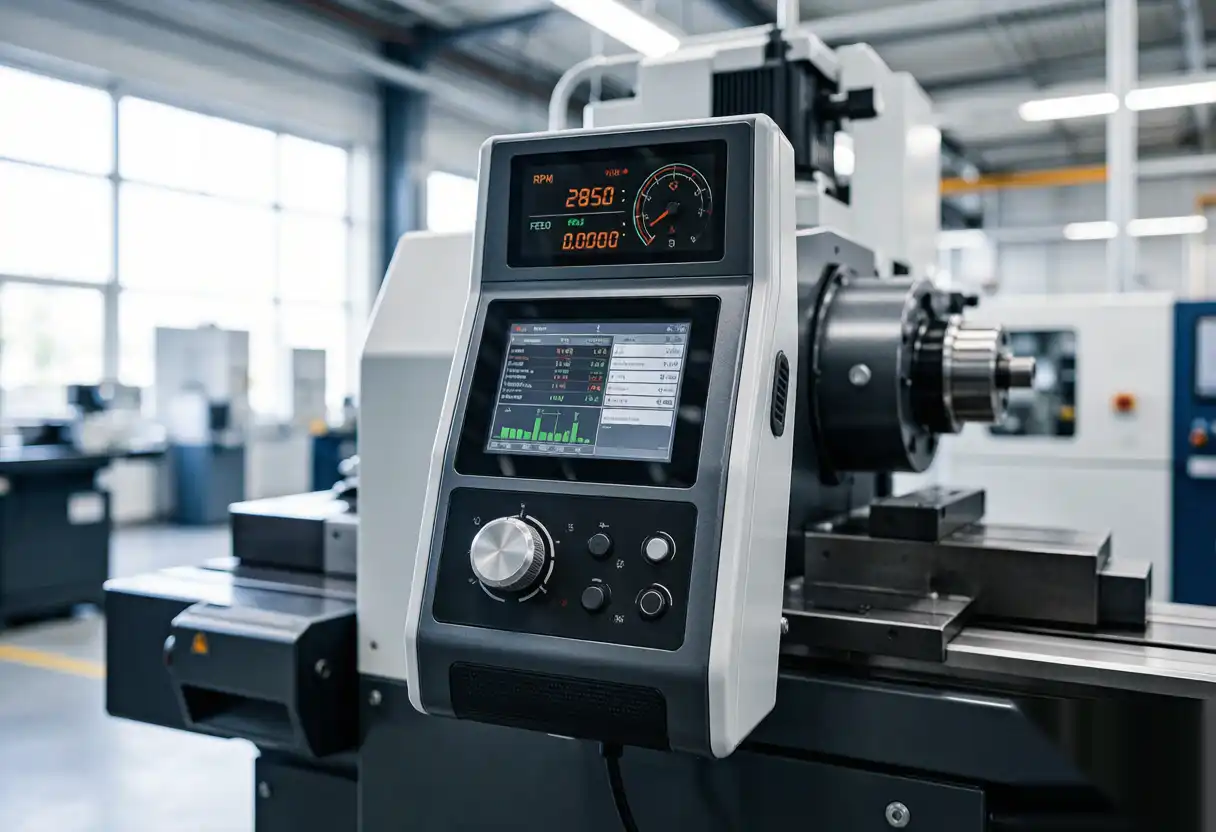
Aluminum and zinc die castings deburr at 10,000–18,000 RPM with soft media; iron and steel need 6,000–10,000 RPM with harder abrasives. See the grinding wheel selection guide for full media mapping.
3. How Long Does Programming Take?
- First-article path teaching: 2–6 hours per part family
- Offline simulation can cut similar geometries to under an hour
- Re-teach only when the casting or fixture changes
4. Can It Run Unattended?
Yes. With automatic part feeding and chip extraction, many plants run 16–24 hour patterns with a single tender, which is the core of reducing grinding costs with automation.
QUICK TIP
Start with your highest-volume, lowest-mix part to prove payback, then expand the cell to new families.
5. What Does It Cost Versus Manual?
A cell costs more upfront but typically pays back in 12–24 months through labor savings and scrap reduction. Use our robotic grinding ROI analysis to model your case.
Frequently Asked Questions
Will a robot replace my grinders or augment them?
Usually augment: it takes the repetitive, high-volume work while skilled staff handle prototypes and exceptions.
What robot payload do I need?
A 10 kg-class arm covers most fittings under 5 kg; heavier manifolds need 20+ kg or a positioner.
How do I handle varying castings?
Specify active force compliance from day one; it absorbs part-to-part variation without re-teaching.
Need Help Specifying the Right Machine?
Talk to the application engineers at Xiamen Dingzhu Intelligent Equipment — we size grinding, polishing, and surface finishing systems to your castings, volume, and finish targets. Explore our full range of automatic grinding machines and automatic polishing machines.
References
- ISO 10218 robotics safety — iso.org
- American Foundry Society — afsinc.org
This article is for general guidance only and does not constitute a specification or quote. Confirm process parameters and tolerances with the equipment supplier for your specific parts.