

Tumbling Deburring Machine: The 2026 Buyer’s & Operator’s Guide
Burrs are the tax every machined or cast part pays at the cut. Left in place they cause assembly problems, injury, and premature failure — but removing them by hand does not scale. A tumbling deburring machine tumbles parts against abrasive media in a sealed container so hundreds or thousands of edges get cleaned at once. This guide explains how tumbling deburring works, how it compares with other mass-finishing methods, how to choose media, and how to pick the right machine for your parts.
What Is a Tumbling Deburring Machine?
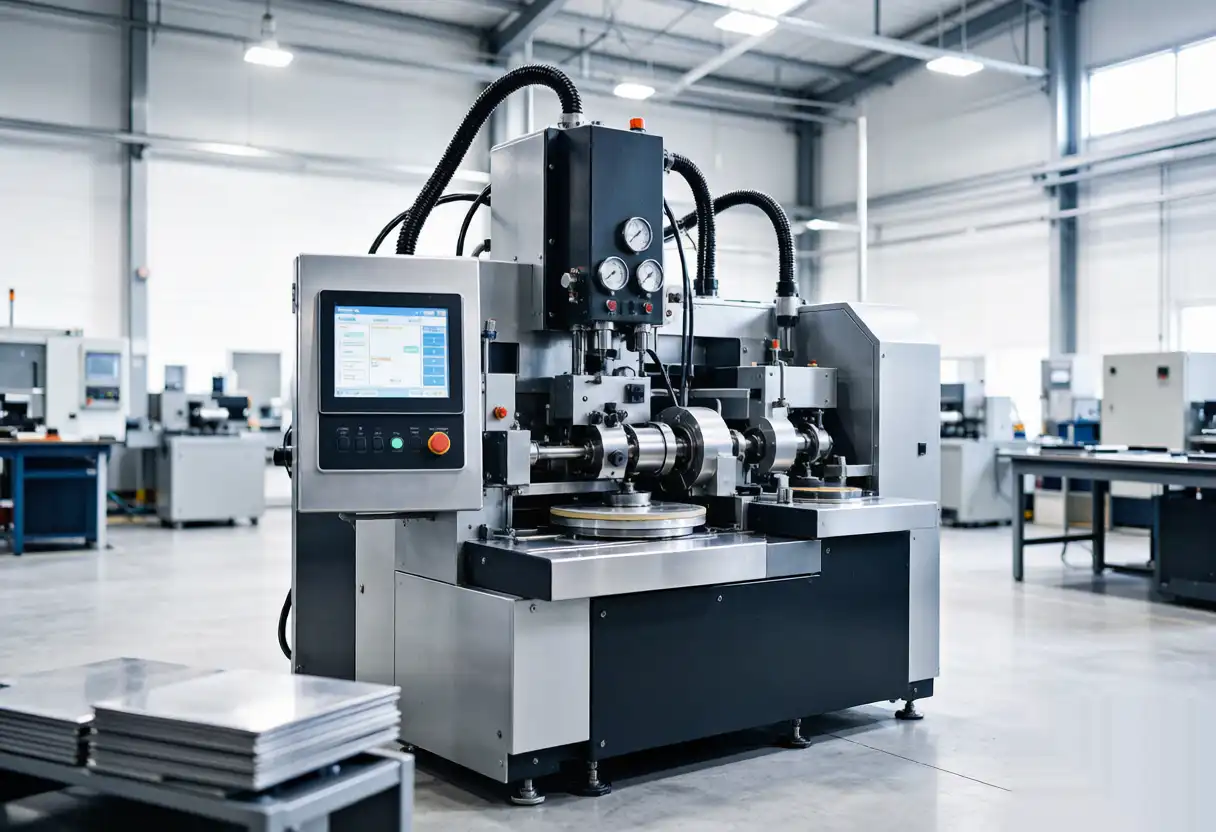
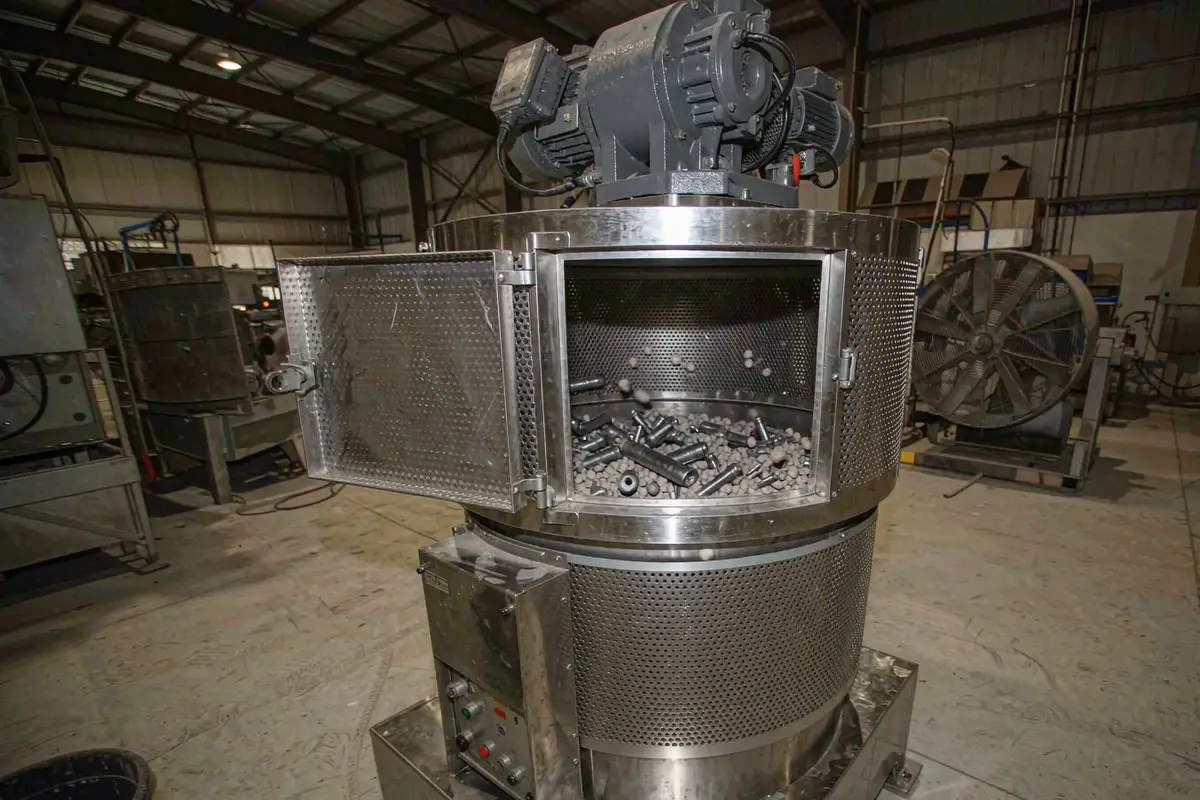
A tumbling deburring machine is a mass-finishing system that removes burrs, flashes, and sharp edges by agitating parts together with abrasive media inside a rotating or vibrating container. The parts tumble against the media and each other, so every exposed edge is reached without an operator touching a single component. It is the workhorse for high-volume deburring because one load replaces hours of manual filing and is far more consistent.
How Does Tumbling Deburring Work?
The cycle is straightforward:
- Load the container. Place parts and pre-selected media into the drum or bowl, then add water and compound.
- Agitate. Rotation or vibration keeps parts and media in constant motion.
- Abrade the edges. Media knocks off burrs and breaks sharp corners into safe radii.
- Separate. Screens or magnetic decks split parts from media at the end.
- Rinse and dry. Parts are cleaned and dried before inspection or coating.
For media specifics, our vibratory deburring media guide is directly relevant to tumbling too.
Tumbling vs Other Mass-Finishing Methods
Buyers often compare a tumbling deburring machine with vibratory and centrifugal systems:
| Method | Action | Cycle time | Best for |
|---|---|---|---|
| Rotary tumbling | Rotation | 1–8 hours | Heavy cut, simple shapes |
| Vibratory | Vibration | 20 min–few hrs | Bulk deburr, delicate parts |
| Centrifugal | High-G spin | 5–90 min | Fast, bright finish |
Rotary tumbling is the gentlest on cost and the most aggressive on heavy burrs, which is why it remains popular for cast and stamped parts. For robotic precision on complex fixtures, our robotic deburring cell page shows the complement.
Choosing the Right Deburring Media
Media is the heart of the process:
- Ceramic media. Dense and durable for aggressive deburring on steel and hard alloys.
- Plastic media. Light and gentle for aluminium, brass, and zinc die-castings.
- Steel media. Used for burnishing and a bright, low-roughness result.
- Organic media. Walnut or corn cob for drying and delicate parts.
Shape drives reach: triangles and stars get into corners; balls and cones give smoother overall action. The wrong media gouges soft alloys, so sample-test before committing a run.
Key Applications Across Industries
Because it is a batch process, tumbling deburring shines anywhere you have volume:
- Die casting. Removes gate and parting-line burrs on aluminium and zinc parts — see our zinc die-casting deburring solutions.
- Automotive. Fasteners and brake levers get uniform radii that improve fatigue life.
- Aerospace. Precision deburring where stress risers are unacceptable.
- Hardware & sanitary ware. Faucets and locks pre-finished before final polish.
Benefits: Cost, Consistency, and Throughput
The case is direct:
- Consistency. Every part sees the same media action, cutting reject rates versus hand work.
- Lower labour cost. One load replaces many hours of manual filing and buffing.
- Higher throughput. Batch processing shortens lead times and frees skilled labour.
- Improved safety. Removing sharp edges reduces handling injury and assembly damage.
For an automated alternative that also cuts manual grinding defects, our automated deburring machine guide is worth reading.
How to Select the Right Tumbling Deburring Machine
Use this checklist before you request a quote:
- Part size & shape. Small parts suit barrels; large or fixtured parts need tubs or vibratory bowls.
- Material. Hard steel needs ceramic media; soft alloys need plastic media and gentler action.
- Burr severity. Heavy flash needs longer, more aggressive tumbling than light edge breaking.
- Volume. Batch drum or continuous system depends on daily throughput.
- Downstream steps. Plan separation, rinsing, drying, and hand-off to polish or plate.
- Footprint. Confirm floor space, water, and drainage before delivery.
For high-volume specifiers, our high-volume deburring machine guide compares production systems, and edge deburring quality tips cover radii control.
Integrating With an Automated Finishing Line
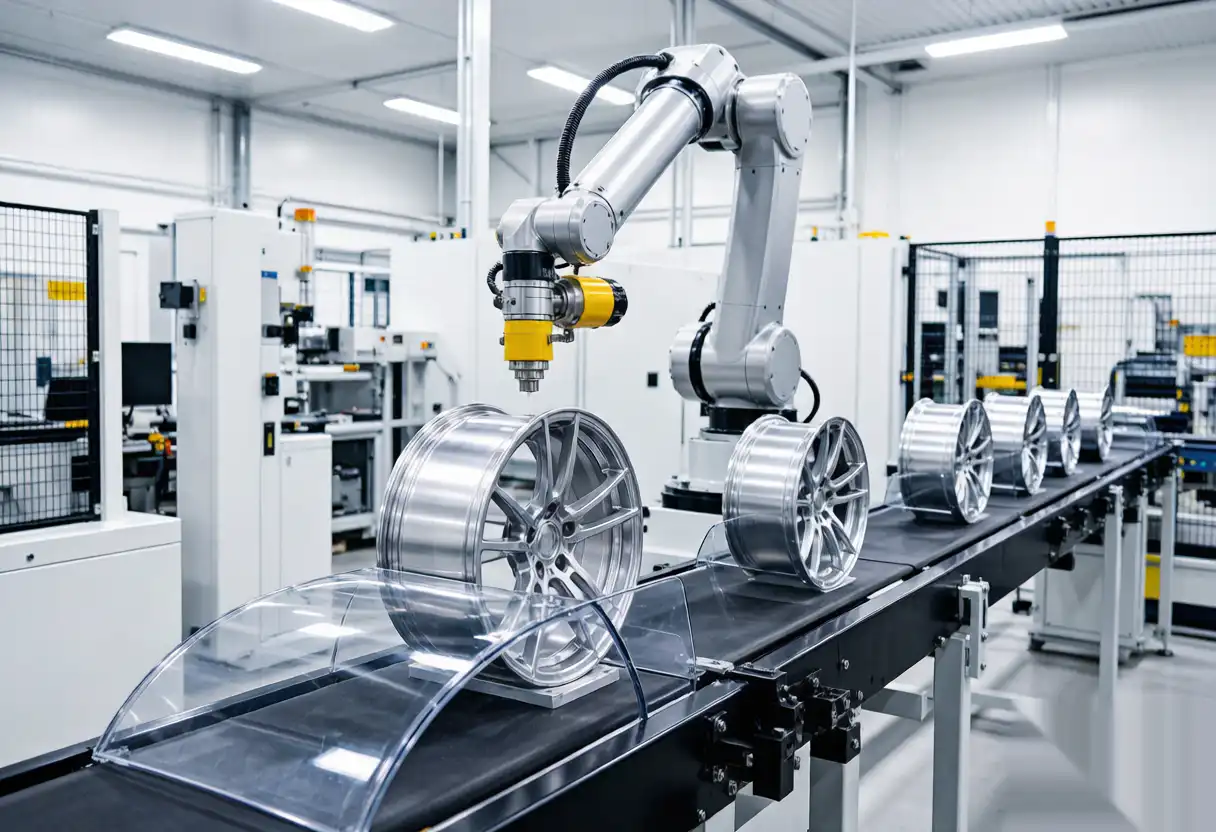
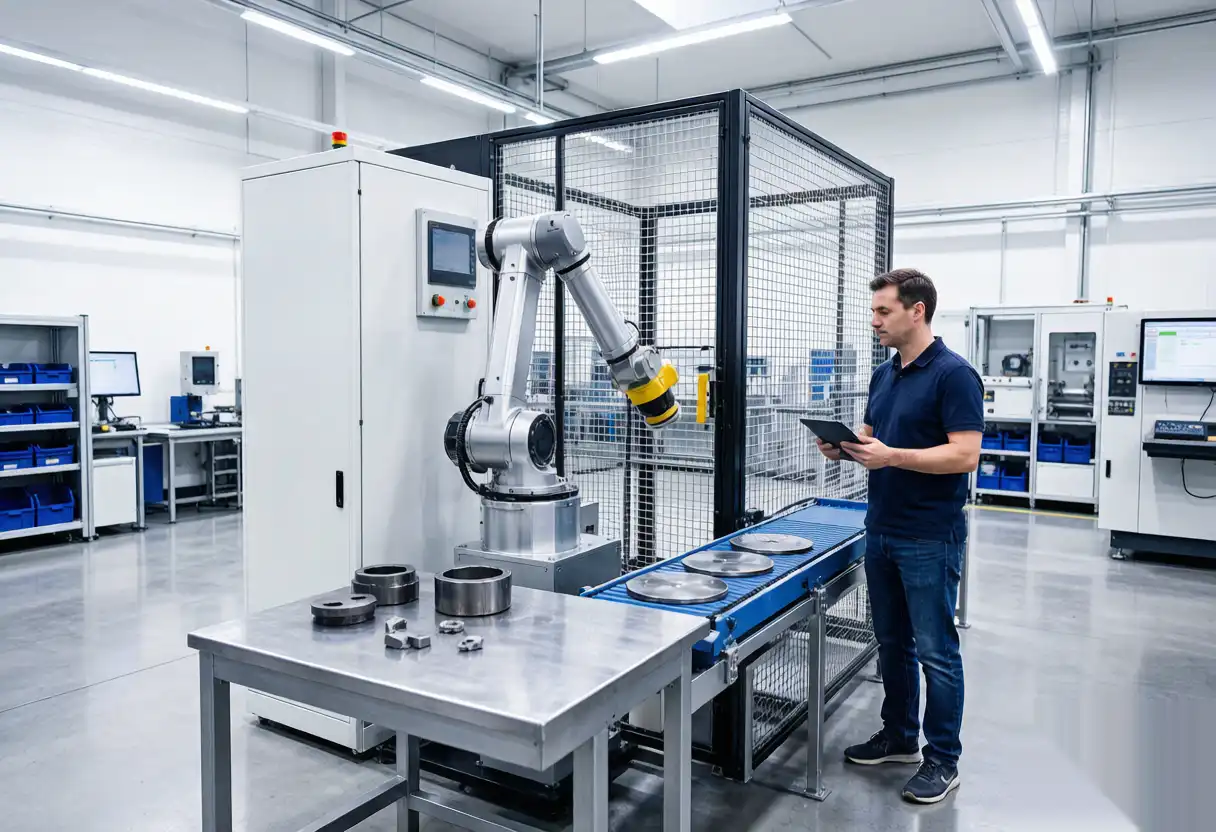
In 2026 the smart move is a connected line: casting → tumbling deburring machine for bulk edge cleanup → robotic cell for precision polish → inspection. When tumbling and robotic stages share part data, you cut handling, trim cycle time, and lock in repeatable quality.
Maintenance Tips for Maximum Uptime
Like any finishing asset, a tumbling unit rewards routine care. Watch liner wear, refresh media and compound before glazing, keep separation screens clear, and inspect drive and seals. The same reliability mindset applies across your finishing fleet.
Common Mistakes to Avoid
Most tumbling deburring problems are self-inflicted at setup. Watch for these:
- Overloading the drum. Too many parts starves the mix of room to circulate, producing patchy, uneven results.
- Wrong media for the alloy. Ceramic gouges soft zinc die-castings; plastic or steel media is the safer call for delicate metals.
- Ignoring compound pH. An unbalanced compound glazes media and leaves residue that transfers to the next batch.
- Skipping separation design. If parts and media cannot be split quickly, your labour saving evaporates at the unload step.
- Buying before sampling. Reputable suppliers will run a free sample batch — send parts first, then size the machine to the real cycle time.
Cost and ROI Considerations
A tumbling deburring machine is the lowest-cost entry into consistent mass finishing, and that is exactly why it pays back fast. One drum load replaces hours of hand deburring, and because every part sees the same media action, reject rates from missed burrs drop sharply. The labour freed from filing and buffing is usually the single largest saving, often covering the equipment inside a year at steady volume. Media and compound are modest recurring costs, and they fall further once you stop over-loading and start monitoring wear instead of guessing.
For shops weighing a tumbling drum against a robotic cell, the practical path is both: tumble for bulk edge cleanup, then robotically finish the parts that need a pristine surface. This staged approach spreads capital and matches spend to where the value actually is. When you model the decision, count the cost of late shipments caused by a deburring bottleneck and the scrap from inconsistent hand work — those hidden costs usually make the tumbling machine an easy yes, even before you add the throughput gain.
When to Upgrade to Robotics
Tumbling handles bulk edge cleanup brilliantly, but it cannot hold a tight tolerance on a complex, fixtured part the way a robotic cell can. The signal to upgrade is simple: when volume rises, when finish specs tighten, or when parts need a pristine surface after deburring, add a robotic stage downstream. Many shops run exactly this combination — tumble the majority, robotically finish the minority that needs it — and keep both machines busy. Treat the tumbling deburring machine as the foundation of the line; the robot is the precision layer built on top of it as demand grows, and the two together cover the full range of deburring and finishing work.
The upgrade does not have to be all at once. Many shops add a single robotic station beside the tumbling line and shift only their highest-value parts across, learning the technology on real work before committing to a full cell. That measured path limits risk while proving the quality gain, and it keeps the tumbling deburring machine as the volume workhorse it was always meant to be. Over time the mix shifts toward robotics only for the parts that justify it, which is exactly how a finishing line should evolve.
Frequently Asked Questions
How long does tumbling deburring take?
Anywhere from 1–8 hours for rotary tumbling, depending on material, burr size, media, and target finish. Vibratory and centrifugal variants can be faster, but rotary remains the cost-efficient choice for heavy burrs.
Can tumbling deburring damage delicate parts?
It can, if you use the wrong media or overload the drum. With plastic media and a correct load it is gentle, which is why it is preferred for aluminium, brass, and zinc die-castings.
Wet or dry tumbling?
Wet is standard because the compound lubricates, cleans, and prevents rust between batches. Dry tumbling suits specific polishing or when water is undesirable.
What is the difference between tumbling and vibratory deburring?
Tumbling uses rotation for a cascading, more aggressive cut that can clash delicate parts; vibratory uses vibration for gentler, better circulation and faster action on recesses.
Is a tumbling deburring machine worth the cost?
For shops with recurring deburring volume, yes. Labour savings, scrap reduction, and throughput gains typically pay back the equipment within the first year of steady use.
Conclusion
A tumbling deburring machine is the most cost-effective way to deburr and radius metal parts in volume. Choose the configuration that fits your part geometry, match the media to your material, and integrate it upstream of your robotic polishing cell for a finish that is both fast and repeatable. If you are planning a new line or upgrading an old one, talk to our team about a tumbling deburring solution sized to your throughput.