

Looking for reliable zinc die cast parts for your next product or manufacturing project?
You’re in the right place. This guide will show you how zinc die casting delivers precise, durable, and cost-effective components—from complex housings to custom hardware.
We’ll cover the key benefits, applications, materials, and design considerations so you can choose the right zinc die cast parts with confidence.
What Are Zinc Die Cast Parts?
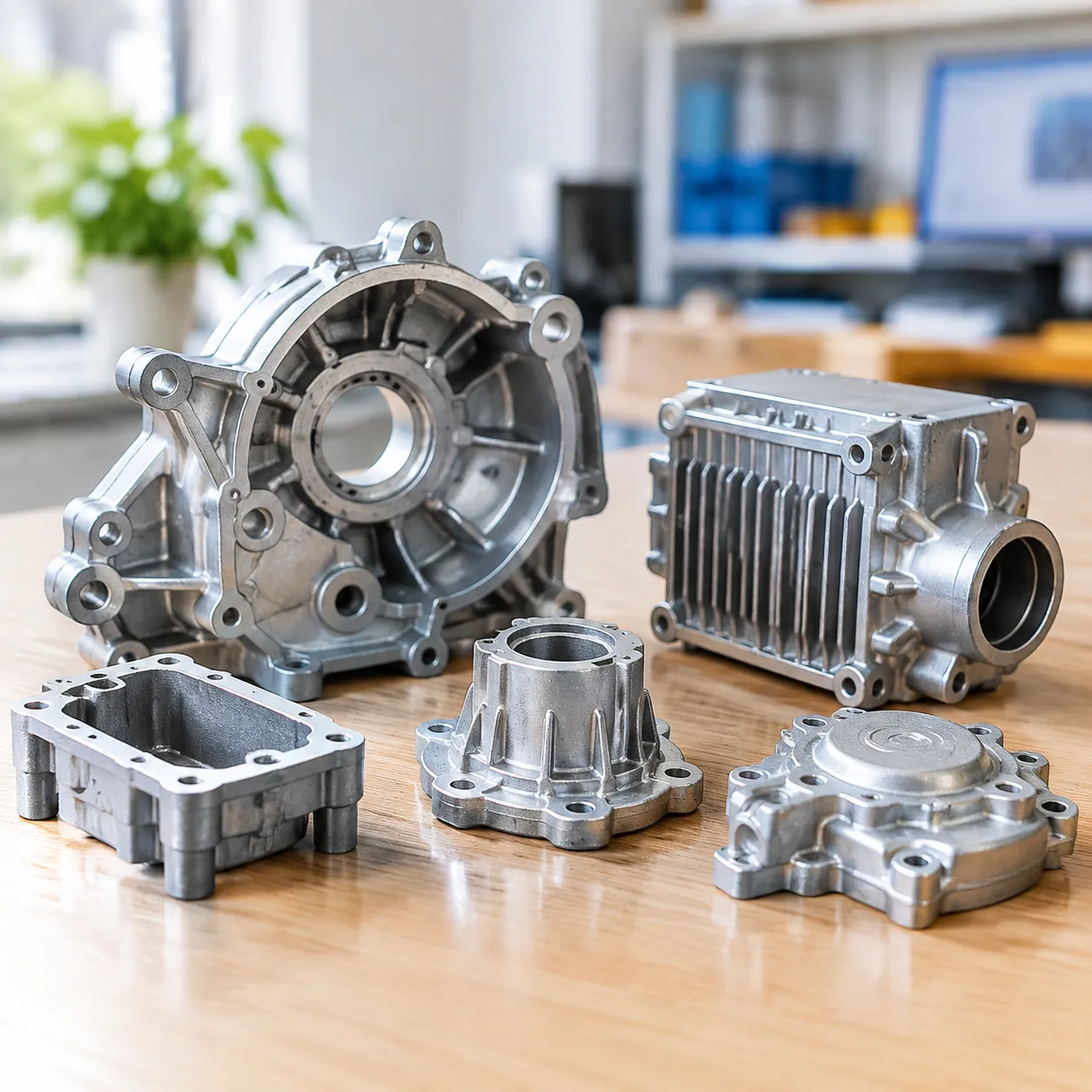
Zinc die cast parts are metal components produced through a die casting process and then prepared for use in products, equipment, and assemblies. Their surfaces may require flash removal, deburring, edge radiusing, polishing, cleaning, or pre-plating preparation before the next production step.
Understanding Zinc Die Casting and Its Applications
After casting, zinc components can have:
-
- Parting-line burrs and excess flash
- Gate marks or rough edges
- Surface irregularities
- Residue from production and handling
Mass finishing equipment helps prepare these parts consistently. Vibratory finishing machines support gentle batch deburring, smoothing, burnishing, and polishing. Centrifugal disc finishing machines provide higher-energy processing for faster, more aggressive deburring. For final moisture removal, vibratory dryers use heated corn cob media to support spot-free drying.
Advantages of Zinc Die Cast Parts
Zinc die cast parts can benefit from a complete finishing process that improves surface consistency and prepares them for applications such as electroplating, painting, or other coatings. A properly selected combination of machine, media, compound, and cycle time can help:
-
- Remove flash and sharp edges
- Reduce manual finishing work
- Create a smoother, more uniform surface
- Limit surface impingement on delicate geometries
- Support repeatable pre-plating preparation
For reliable results, I recommend testing customer-supplied parts first. Sample processing helps identify the appropriate tumbling media, cleaning compound, machine type, and finishing cycle before equipment is selected.
How Are Zinc Die Cast Parts Made?
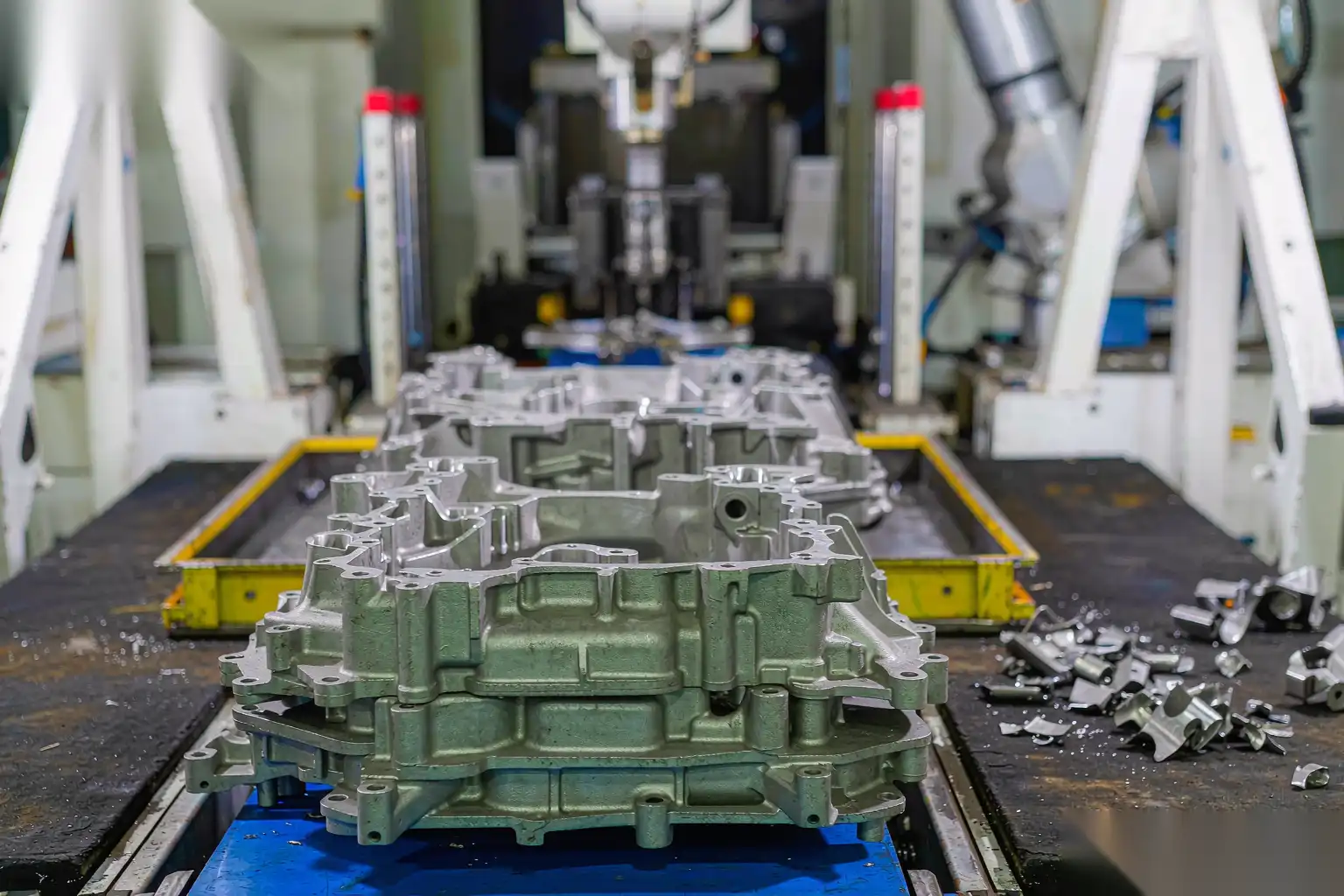
Zinc die cast parts are produced through a casting process that uses a mold to form the required shape. After casting, parts may have flash, gate remnants, parting-line burrs, or rough edges. These areas usually need controlled finishing before plating, painting, or other surface treatments.
For manufacturers, the practical production flow often includes:
-
- Casting: Molten zinc alloy is formed inside a die.
- Trimming: Gates and larger excess material are removed.
- Deburring: Remaining flash and sharp edges are reduced.
- Smoothing: Tumbling media and compounds help create a more uniform surface.
- Cleaning and drying: Parts are cleaned, rinsed, and dried before the next finishing step.
Molds and Finishing Equipment
The die controls the basic shape of the part, while the finishing system improves its edges and surface. Vibratory finishing machines support batch deburring, radiusing, polishing, and pre-plate preparation. Centrifugal disc machines provide more aggressive, high-energy processing for faster flash and burr removal.
Mold design also affects later finishing. Complex shapes, narrow openings, and delicate edges require a process that removes burrs without causing dents or surface impingement. Our guide to zinc die casting mold design covers design considerations that can influence part quality and finishing requirements.
Common Zinc Die Casting Defects
Common concerns include:
-
- Flash and parting-line burrs: Use controlled deburring with suitable plastic or light-cutting ceramic media.
- Gate remnants: Remove excess material before mass finishing to reduce cycle time.
- Dents or impingement: Choose gentler media and avoid overly aggressive processing for delicate geometries.
- Uneven surfaces: Use a tested combination of machine, media, compound, and cycle time.
A free sample processing test can help establish the appropriate finishing recipe for a specific zinc die cast part before equipment is selected.
Materials and Alloys for Zinc Die Casting
Choosing the right zinc die cast alloy affects strength, appearance, machinability, finishing, and overall cost. In my experience, the best choice depends on the part’s shape, load, surface requirements, and production volume—not just the alloy name.
Popular Zinc Die Cast Alloys
Zamak 3 is widely used for zinc die casting because it offers a strong balance of:
-
- Good castability
- Stable dimensions
- Smooth surface quality
- Good corrosion resistance
- Easy polishing, plating, and painting
Zamak 5 contains more alloying elements than Zamak 3, giving it higher strength and hardness. It can be a good option for parts exposed to greater mechanical loads, although finishing and forming requirements should be reviewed during design.
Other zinc alloys may be selected for specific needs, such as improved strength, wear resistance, or dimensional performance. Our zinc alloy die casting guide provides additional guidance on common Zamak grades and their typical uses.
How to Choose the Right Alloy
When selecting zinc die cast alloys, I recommend reviewing:
-
- Mechanical load: Choose an alloy that can handle the expected stress.
- Part geometry: Thin walls, deep sections, and complex shapes require reliable flow and filling.
- Surface finish: Consider whether the part will be polished, electroplated, painted, or powder coated.
- Dimensional needs: Stable alloys help maintain consistent part dimensions.
- Production cost: Material price, tooling, cycle time, and finishing requirements all affect zinc die casting cost.
Zinc Alloy Properties That Matter
The key properties to compare include:
-
- Strength and hardness for structural or wear-resistant parts
- Castability for filling detailed molds with fewer zinc die casting defects
- Dimensional stability for parts that must fit accurately
- Corrosion resistance for hardware, automotive, and consumer products
- Surface response for polishing, plating, and other zinc die cast finishing options
- Recyclability for more efficient material use
No single alloy is best for every application. By matching the alloy to the part’s function and finishing plan, I can help reduce rework and support a more consistent production process.
Design Tips for Zinc Die Cast Parts
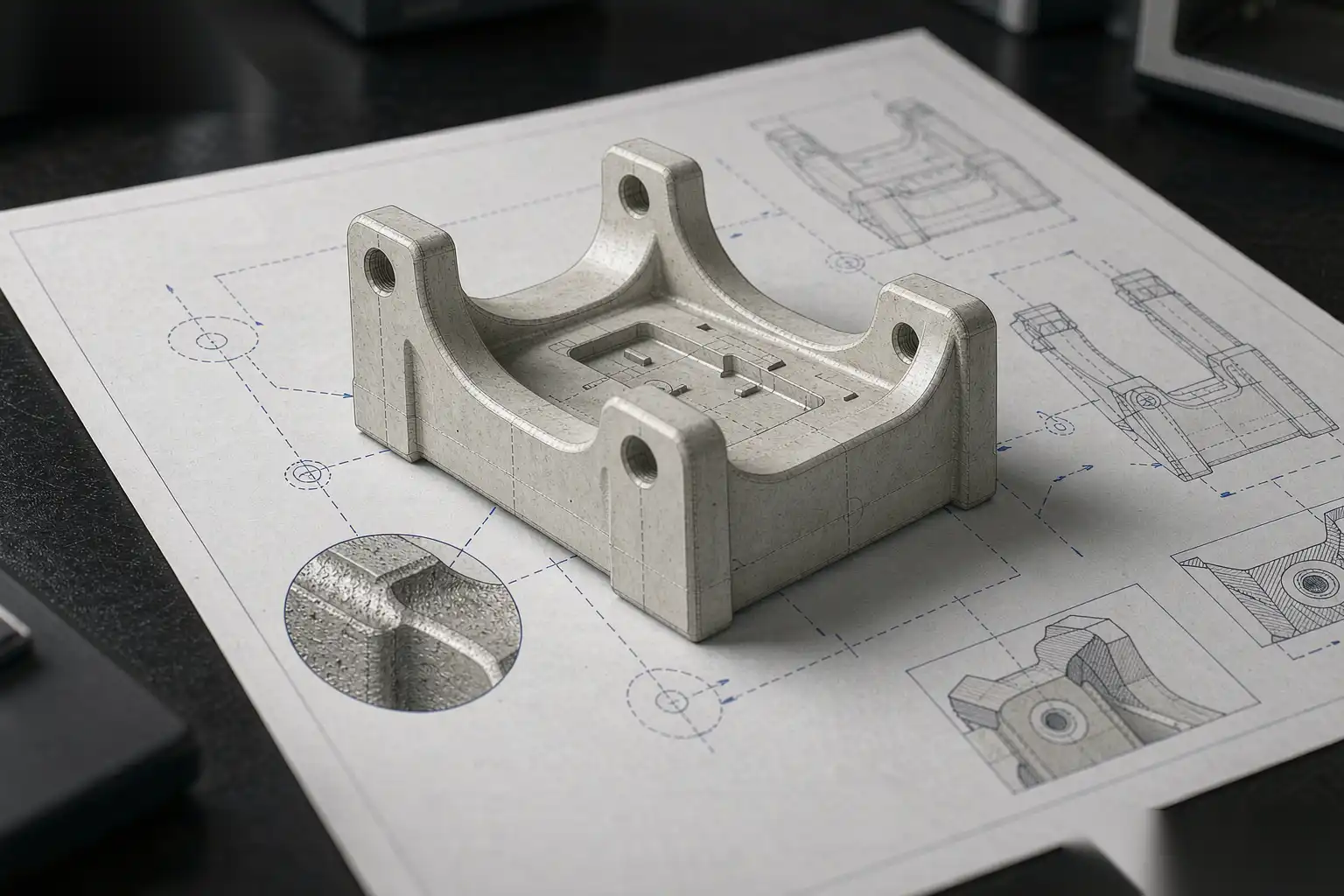
Good zinc die cast parts design should support both reliable production and consistent surface finishing. I focus on designs that are easy to fill, release from the mold, deburr, polish, and prepare for plating or coating.
Build for Durable, Efficient Finishing
Keep these points in mind:
-
- Avoid unnecessary sharp edges that can make deburring more difficult.
- Reduce delicate projections and thin features that may be damaged during tumbling.
- Consider access to blind holes, recessed areas, and complex geometries when selecting a finishing process.
- Plan for a smooth, uniform surface when the part will be electroplated, painted, or powder coated.
- Use a sample processing test to confirm the right media, compound, and cycle time before finalizing production settings.
Wall Thickness, Draft Angles, and Fillets
Wall thickness, draft angles, and fillets should be reviewed together with the casting method and finishing requirements. Consistent sections generally make parts easier to process, while suitable draft helps with mold release. Rounded transitions and fillets can also reduce sharp edges and support more even deburring and polishing.
The exact design depends on the part shape, alloy, tooling, and required finish. I recommend testing representative parts before committing to a large production run, especially when the design includes fragile details or recessed areas.
Design for Manufacturability and Cost
A practical zinc die casting design can help control both tooling and finishing costs:
-
- Simplify the geometry where possible.
- Avoid features that require complex finishing access.
- Select a surface finish based on the final application instead of over-processing the part.
- Match the machine, media, and compound to the part size and finishing target.
- Define the required surface quality clearly. Reviewing surface finish standards for castings can help align design and finishing expectations.
Our free sample testing service helps establish a practical finishing recipe for zinc die cast parts before equipment or media is selected.
Applications of Zinc Die Cast Parts
Zinc die cast parts are used where manufacturers need consistent shape, efficient production, and a surface that can be prepared for plating, painting, or other treatments. Their applications include:
-
- Automotive components: Zinc castings can require flash removal, edge radiusing, and smooth pre-plating preparation before finishing.
- Electronics and consumer goods: Small or complex parts often benefit from gentle deburring that protects edges and visible surfaces.
- Medical devices and hardware: A clean, uniform surface is important when parts need polishing, cleaning, or a controlled appearance.
Finishing Advantages by Industry
Each application may require a different surface preparation process. For delicate zinc geometries, plastic or resin tumbling media provides gentle deburring and smooth pre-plate finishing while helping reduce surface impingement. For more robust castings with heavier flash, light-cutting ceramic media can provide stronger cutting action.
For efficient production, centrifugal disc finishing machines support fast, aggressive deburring, while vibratory finishing machines provide controlled batch processing, edge radiusing, and polishing. After wet processing, a vibratory dryer using heated corn cob media can help produce spot-free, clean parts.
For more detail on finishing methods, see this guide to automated deburring and grinding for die castings. A sample processing test can also help identify the right machine, media, compound, and cycle time for a specific zinc die cast part.
Cost Factors in Zinc Die Casting
When it comes to zinc die casting, understanding the main cost drivers is key to managing your budget effectively. The two biggest components are material costs and tooling expenses. Zinc die cast alloys, like Zamak 3 and Zamak 5, are generally affordable, but their prices can fluctuate based on market demand and alloy composition. Choosing the right alloy for your project can help optimize costs without sacrificing quality—some alloys are more cost-effective for specific applications.
Tooling costs tend to be a significant upfront investment, especially for complex or large-volume parts. However, once the molds are made, the cost per piece decreases as batch sizes grow. Larger batch runs spread out the tooling expenses, making zinc die casting highly economical for high-volume production. To reduce overall costs, many manufacturers focus on optimizing batch sizes and designing parts that are easy and quick to produce.
Batch size has a direct impact on pricing. Small runs tend to have higher per-unit costs due to the fixed costs of mold creation and setup. Conversely, high-volume orders significantly lower the cost per part, making zinc die casting a cost-effective choice for mass production. Proper planning and design adjustments can help maximize batch efficiency and reduce overall manufacturing expenses.
Balancing material costs with tooling expenses is crucial. While zinc alloys are generally inexpensive, careful design and process control can prevent costly defects and rework. For more insights on reducing manufacturing costs through automation, check out how to reduce grinding costs with automated solutions. This approach ensures you get the best value from your zinc die casting projects while maintaining high quality.
Surface Finishing for Zinc Die Cast Parts
Zinc die cast parts often need surface preparation before electroplating, powder coating, painting, or other final treatments. I focus first on removing flash, parting-line burrs, and rough edges without damaging the part’s geometry.
Common Zinc Die Cast Finishing Options
| Finishing option | Main purpose | Suitable preparation |
|---|---|---|
| Electroplating | Provides a finished surface after proper cleaning and pre-plate polishing | Smooth, clean, uniformly deburred parts |
| Painting or powder coating | Adds color and a protective outer layer | Clean surfaces with consistent roughness |
| Polishing and burnishing | Improves smoothness and surface appearance | Vibratory finishing with suitable media |
| Deburring and edge radiusing | Removes flash and sharp edges | Vibratory or centrifugal disc finishing |
Improve Corrosion Resistance and Durability
A reliable zinc die cast finishing process starts with controlled cleaning and surface preparation. Remaining burrs, casting residue, or inconsistent areas can affect the final coating or plated surface.
For many parts, I use a staged process:
-
- Flash and burr removal
- Smoothing and pre-plate finishing
- Rinsing and cleaning
- Heated vibratory drying
Vibratory dryers using heated corn cob media can help produce spot-free, dry parts after wet processing. Liquid cleaning and burnishing compounds may also support cleaning, brightening, and corrosion inhibition.
Choosing the Best Finishing Method
For delicate zinc geometries, plastic or resin media provides gentle deburring and smooth pre-plate preparation. Its lower density helps reduce the risk of surface impingement. For more robust parts with heavier flash, light-cutting ceramic media may be appropriate.
| Part requirement | Recommended approach |
|---|---|
| Delicate surfaces or complex shapes | Plastic or resin media |
| Heavy flash or stronger burrs | Light-cutting ceramic media |
| Pre-plating preparation | Smooth, uniform deburring and polishing |
| Dry, clean parts after wet finishing | Heated vibratory drying |
| Faster aggressive processing | Centrifugal disc finishing |
My equipment options include PU-lined vibratory finishing machines, centrifugal disc finishing machines, and vibratory dryers. I also provide sample part testing to help establish the suitable media, compound, and cycle time before equipment is purchased. For automated production needs, robotic surface finishing solutions for die casting can support more consistent processing.
Quality Control and Inspection for Zinc Die Cast Parts
Consistent finishing matters just as much as consistent casting. For zinc die cast parts, I focus on checking flash, parting-line burrs, edge condition, surface marks, and the final appearance before plating, painting, or other coating work.
Testing Methods for Zinc Die Cast Parts
A practical quality check should include:
-
- Visual inspection: Look for remaining flash, burrs, dents, stains, and uneven polishing.
- Sample finishing tests: Process customer-supplied parts with different media, compounds, and cycle times to identify a suitable finishing recipe.
- Surface consistency checks: Compare parts across the batch to confirm uniform deburring, edge radiusing, and pre-plating preparation.
- Drying inspection: Check that parts are clean and dry after wet processing, with no visible moisture marks.
Our automated finishing solutions for small and medium foundries help support repeatable surface preparation and reduce variation between batches.
Common Quality Issues and Prevention
Common zinc die casting defects and finishing problems include:
-
- Remaining flash or burrs: Use a suitable deburring process and confirm the cycle time through sample testing.
- Impingement or dents: Choose gentler plastic or resin media for delicate geometries and avoid overly aggressive processing.
- Uneven surface finish: Match the media and compound to the required polishing or pre-plating result.
- Staining after wet processing: Use suitable cleaning and burnishing compounds, followed by heated vibratory drying.
Certifications and Standards
When comparing zinc alloy die casting parts manufacturers or finishing suppliers, I look for:
-
- ISO-certified quality control
- Documented sample testing and process checks
- Clear control of media, compounds, and cycle parameters
- Technical support and available spare parts
- The ability to provide machinery and consumables as one coordinated solution
A supplier that can test your actual zinc die cast parts before equipment selection can help reduce finishing risk and establish more reliable production results.
Choosing a Zinc Die Casting Supplier
When selecting a zinc die casting supplier, it’s crucial to look for a manufacturer with proven experience in producing high-quality zinc die cast parts. Check if they have a strong track record in the automotive, electronics, or consumer goods markets, as these industries demand tight tolerances and durable finishes.
Ask about their quality control processes—do they follow recognized standards like ISO 9001? This ensures your parts meet consistent quality requirements. Also, inquire about their ability to provide customization options, especially if you need specific alloys like Zamak 3 or Zamak 5, or unique surface finishes.
Lead times are another key factor. A reliable supplier should be transparent about their production schedules and able to meet your delivery deadlines. Don’t hesitate to ask about their production capacity and how they handle rush orders or changes in demand.
Finally, evaluate their cost structure—are they offering competitive pricing without sacrificing quality? Request references or samples to verify their work. A good zinc die casting partner will be transparent, responsive, and committed to delivering parts that align with your specifications and timeline.
FAQs About Zinc Die Cast Parts
What are the main benefits of zinc die cast parts?
Zinc die cast parts can be prepared for deburring, edge radiusing, polishing, and pre-plating finishing with mass finishing equipment. For suitable parts, the process can help:
-
- Remove flash and parting-line burrs
- Smooth edges and improve surface consistency
- Prepare parts for electroplating, painting, or powder coating
- Reduce manual finishing work
- Support repeatable production results
The best result depends on the part shape, surface condition, selected media, compound, and processing time.
Can zinc die cast parts be customized?
Yes. Finishing programs can be adjusted for different zinc die cast parts. I typically consider:
-
- Part size and geometry
- Blind holes and recessed areas
- Required surface appearance
- Amount of flash or burrs
- Whether the part needs gentle polishing or heavier cutting
Plastic or resin media may be suitable for gentler deburring and smooth pre-plate finishing, while ceramic media can support heavier cutting on more robust parts. Free sample processing helps establish the right machine, media, compound, and cycle parameters.
How durable are zinc die cast parts?
The durability of zinc die cast parts depends on their design, alloy, use conditions, and surface treatment. Finishing can improve the surface condition, but it does not replace correct part design or material selection.
For additional protection and appearance, zinc parts may receive treatments such as:
-
- Electroplating
- Painting
- Powder coating
- Polishing or burnishing
After wet processing, heated vibratory drying with corn cob media can help produce a clean, spot-free surface.
What are common challenges with zinc die cast parts?
Common finishing concerns include:
-
- Flash and parting-line burrs
- Gate or excess material removal
- Dents or impingement on delicate surfaces
- Uneven results in blind holes and complex areas
- Staining or moisture after wet processing
- Preparing a consistent surface for plating or coating
I address these issues by matching the process to the part. A gentler vibratory process and suitable plastic media may help protect delicate geometries, while centrifugal disc finishing can provide more aggressive deburring for parts requiring faster, higher-energy processing. For related die cast surface preparation, this thermal deburring guide for die cast parts provides additional process context.
How long do zinc die cast parts last?
There is no fixed service life for every zinc die cast part. Longevity depends on:
-
- Part design and load
- Zinc alloy selection
- Operating environment
- Corrosion exposure
- Surface treatment and maintenance
- Quality of the casting and finishing process
A suitable finish can support surface protection and appearance, but the expected service life should be confirmed for the specific application. Sample testing and process evaluation are practical ways to verify the required surface result before production.