

Die Casting Water Meter Bodies: Wall Thickness, Sealing and Volume
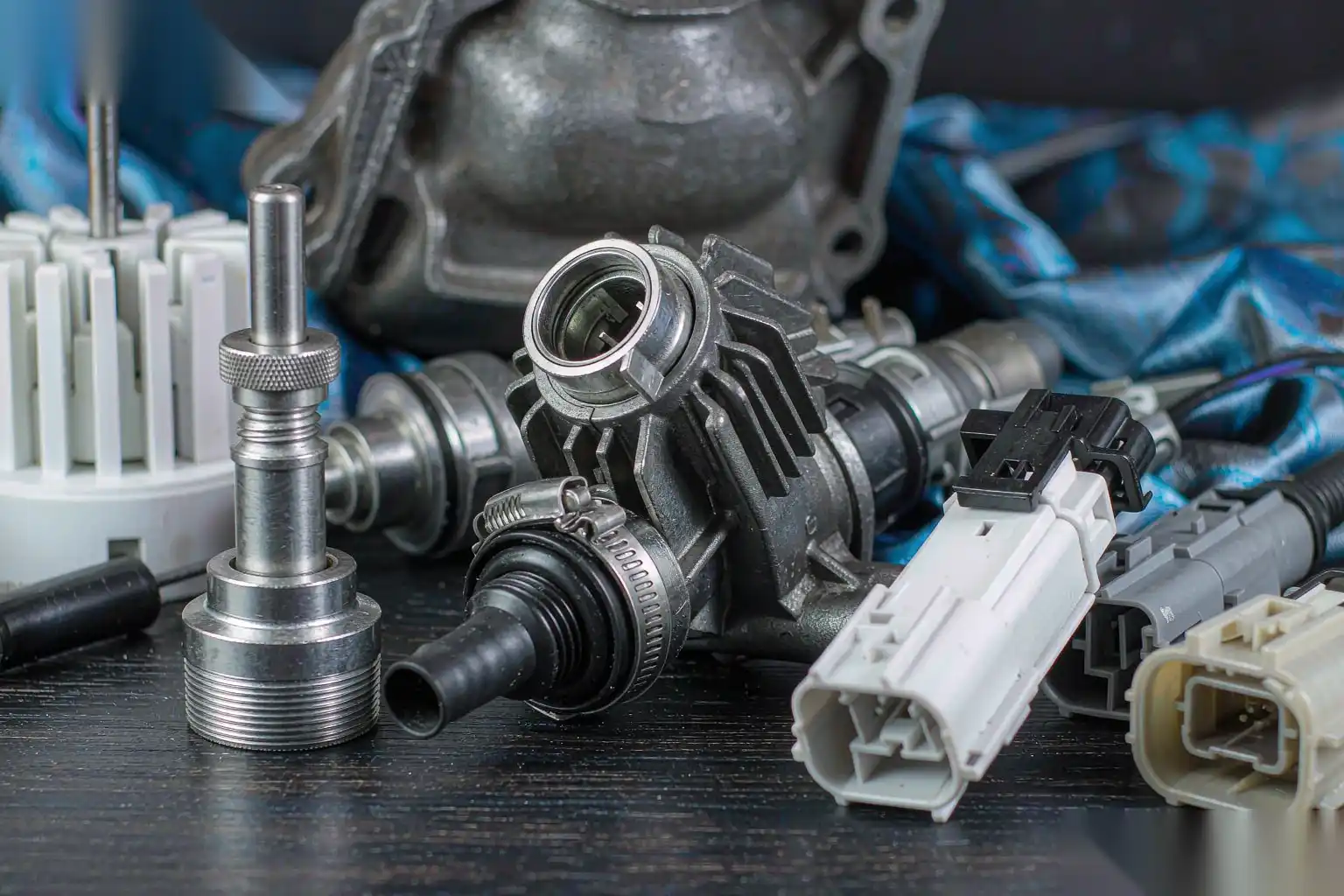
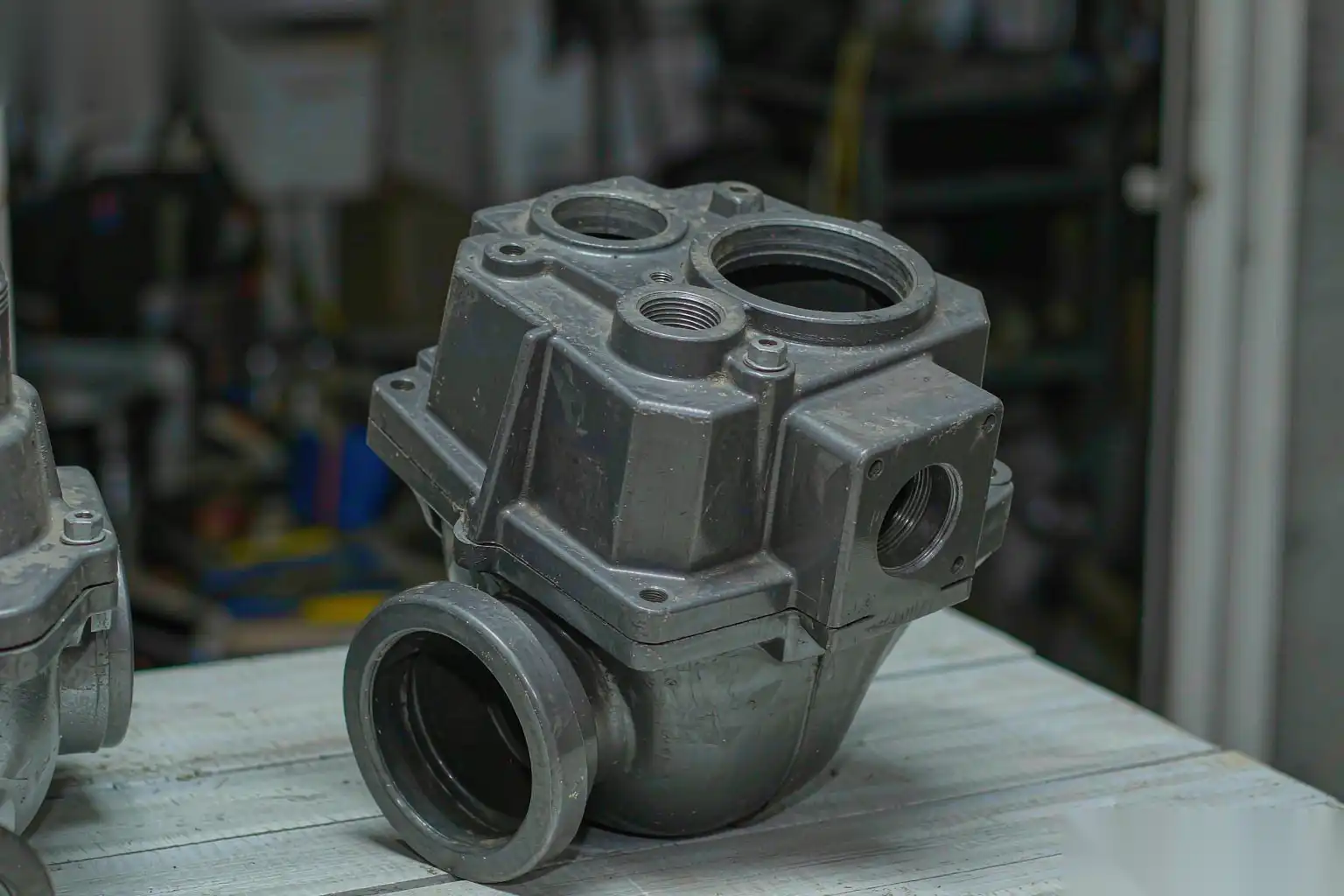
A water meter body is a deceptively demanding part. It looks like a simple Y or straight-through housing, but it must hold line pressure for a decade or more, seal against potable water with zero leakage, carry internal passageways with controlled volume, and do all of that at a unit cost low enough to win municipal and utility tenders. Sand casting and brass machining have traditionally filled this role, but die casting, especially in aluminum and zinc, has taken a large share because it delivers pressure-tight, repeatable bodies at high volume and lower cost.
This article is a design and process reference for die cast water meter bodies, aimed at the engineer specifying the part and the process engineer who has to make it leak-tight and clean. We cover why die casting beats the alternatives, wall thickness and internal cavity complexity, pressure-tightness and porosity control including vacuum and degassing, machining sealing faces and datums, corrosion and cleanliness for potable water with coating choices, and high-volume robotic finishing.
Why die casting beats sand casting and brass for meter bodies
The meter body is a high-volume, pressure-bearing, geometrically repetitive part, which is exactly where die casting wins.
Against sand casting:
- Sand casting leaks porosity paths more often and needs impregnation or heavy machining to seal. Die casting with a controlled process gives far fewer connected pores.
- Dimensional repeatability is far tighter, so machined sealing faces and threaded connections locate consistently across thousands of parts.
- Surface finish from the die is uniform, helping both sealing and coating adhesion.
Against brass machining from bar or forging:
- Material cost per body is lower in aluminum or zinc than in brass, and the metal is lighter to handle and ship.
- Die casting near-nets the internal shape, removing most of the machining that brass requires to bore the passages.
- Cycle time per body is short and consistent, supporting the volumes utilities demand.
The tradeoff is that die casting demands process discipline on porosity and cleanliness that brass, being dense and easily machined, does not. A meter body that passes the casting machine but leaks at 16 bar in test is a returned lot, so the process has to be designed for tightness from the first shot.
Wall thickness and internal cavity complexity
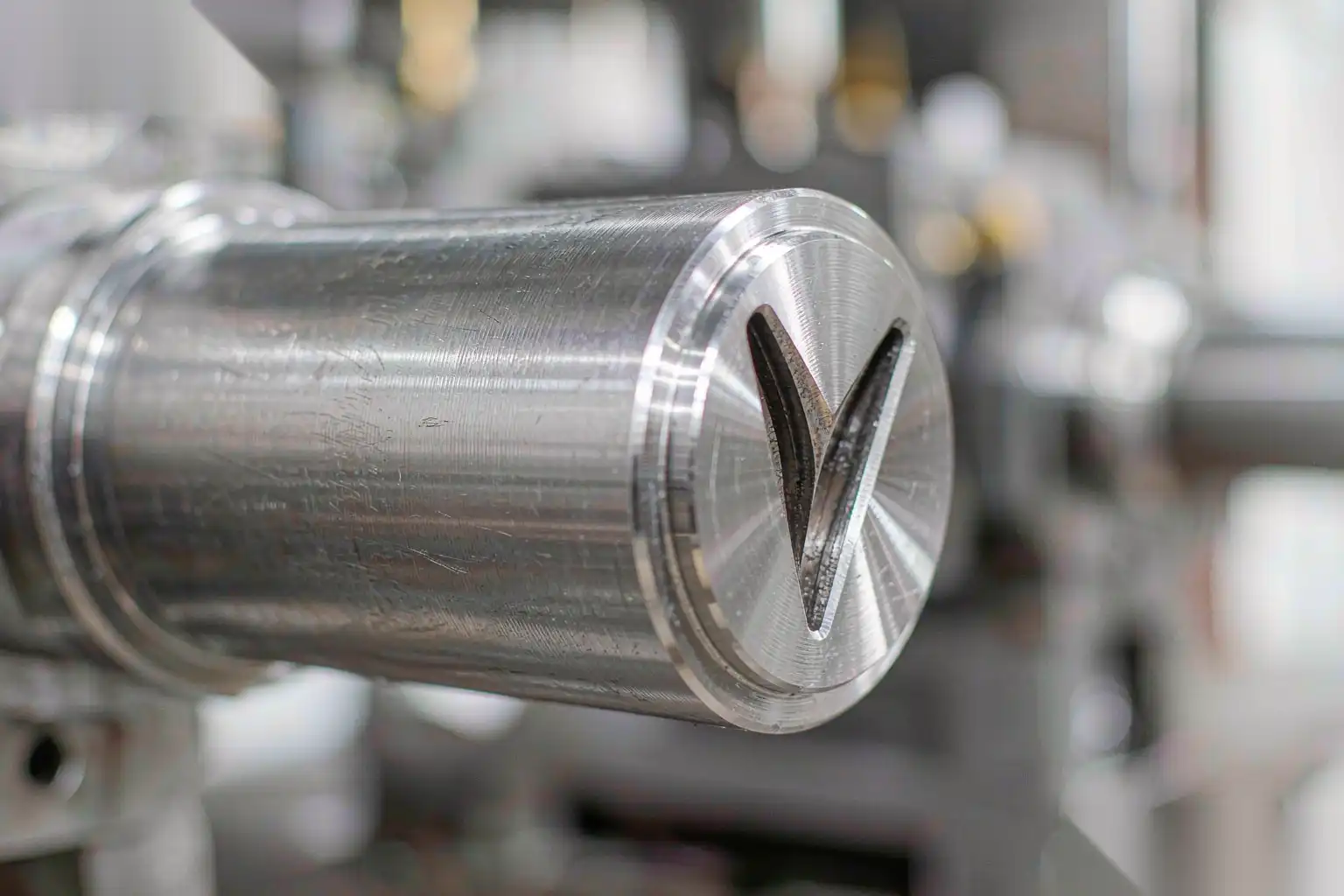
Meter bodies carry water through internal passages, so the casting must form those passages as cored cavities, not as post-machined bores alone. That makes wall thickness and core design the central challenge.
Design targets:
- Nominal wall: 2.5 to 4.0 mm is a practical range for aluminum meter bodies of 15 to 50 mm nominal size. Thinner risks short fills in the long passages; thicker pulls shrinkage porosity in the heavy sections around the bosses.
- Keep wall uniformity better than 1.5:1 thick-to-thin across the body; the bulge where a branch meets the main bore is the usual thick spot and the usual porosity location.
- Core the internal passages with sand or soluble cores only if the geometry cannot be die-cored; for most straight and simple Y bodies, fixed and moving cores in the die handle it, which is cheaper and faster than lost cores.
- Avoid blind pockets that trap air; vent them or reshape so the last metal to freeze is fed, not isolated.
Internal cavity complexity drives the number of cores and therefore the die cost and cycle. A straight-through body with one branch needs fewer cores than a multi-port body; when the spec allows, simplify the port layout to cut tooling. The volume of the internal passage is a metrological requirement (the meter measures by known volume), so the cored passage must hold its cross-section tightly; design the core so wear does not change the bore area over the tool life.
Pressure-tightness and porosity control
A meter body is a pressure vessel by function. The failure mode is a connected pore path from the water passage to the outside or between passages, which shows up only at test pressure. Controlling porosity is the core of the process.
Primary controls:
- Fill the cavity with as little turbulence as possible. A well-designed gate and runner deliver metal to the far walls before the front freezes, avoiding entrained gas that becomes a leak path.
- Use vacuum assist on the cavity for tight bodies. Removing air before and during injection sharply reduces gas porosity and is standard for leak-critical parts. Our vacuum die casting guide covers the equipment and the process windows we use.
- Degas the melt. Hydrogen and oxide inclusion in the liquid become pores on solidification; a clean, degassed melt is the first line of defense.
- Control solidification so the last metal to freeze is fed by a riser or overflow, not isolated in a thick section.
- For the porosity root-cause map, our aluminum die casting porosity causes and solutions walks through gas versus shrinkage porosity and the fixes that apply directly to meter bodies.
Acceptance discipline:
- Pressure-test every body, or at least a tight statistical sample, at above service pressure (commonly 1.5 to 2x the line rating, e.g., 16 bar line tested to 24 to 32 bar). A 100 percent test is cheap insurance on a part whose failure is a water leak in a building.
- Track porosity trends from the test station back to process parameters; a rising leak rate is a melt or vacuum signal, not a random defect.
Machining sealing faces and datums
The meter body seals at machined faces: the meter chamber face, the connector ends, and any glass or register interface. These faces are not cast to final flatness; they are machined, and the casting must support that machining.
Datum and machining strategy:
- Define a primary datum on a stable cast face (the parting-line side, largest flat area) and clock the body from two features so CNC locates it identically every time. Our die casting machining allowance and datum guide details how much allowance to leave and how to pick datums that survive trimming and handling.
- Leave a machining allowance of 0.5 to 1.0 mm on sealing faces so CNC removes the surface skin and any parting-line variation, reaching sound metal.
- Machine the connector threads or flanges to the sealing standard (e.g., thread form and sealing seat) rather than casting them; cast threads on a pressure part are unreliable.
- Hold the bore that carries the measuring element to a tight roundness and diameter, because the meter’s accuracy depends on a known passage. Machine it from a cored hole, do not trust the as-cast bore.
- Sequence matters: trim first to a clean, undistorted body, then CNC the sealing faces and bores from the defined datums, so the machined features are referenced to a consistent base.
A body that distorts in trim will machine out-of-square, and the seal will leak at assembly even if the casting is sound. The trim and the CNC datum chain have to be designed together.
Sealing details: gaskets, connectors, and leak paths
The machined faces are only half the sealing story. The body must also accept the connectors, the meter chamber, and the register in a way that closes every leak path at assembly, and the casting design influences how reliable those joints are.
Connection sealing options:
- Threaded connectors: the thread is cut in CNC, not cast, and the sealing happens on a tapered seat or with a thread sealant. The cast boss behind the thread must be thick enough and porosity-free in the sealing zone, because a pore there leaks past the thread regardless of how well the thread is cut.
- Flat-face flanged joints: rely on a machined flatness and a gasket or O-ring. The casting must hold the flange flat after trim; a distorted flange means the gasket cannot compress uniformly and the joint weeps. Design the flange with enough section and symmetrical cooling so it does not warp.
- Push-fit or compression connectors: require a tight, clean bore at the seal land; machine the land and control its diameter so the elastomer seals on sound metal.
Leak-path discipline:
- Keep the wetted sealing zones away from the parting line and away from overflow remnants, because those are the locations most likely to carry a surface pore.
- Route the cavity fill so the sealing bosses are the last to freeze and are fed, not starved, so they are sound metal where the seal sits.
- Treat any porosity found at a sealing face during test as a process signal, not a one-off; it points to fill, vacuum, or melt condition at that location.
A body can be dimensionally perfect and still leak if the sealing zones were not designed for soundness. The casting layout and the assembly sealing method have to be specified together.
Corrosion and cleanliness for potable water
Meter bodies touch drinking water, so two requirements stack: the metal must not corrode in service, and the internal surface must stay clean enough not to harbor biofilm or shed particles.
Material and coating choices:
- Aluminum bodies are common for their weight and cost, but aluminum in potable water needs a protective barrier on the wetted surface, because aluminum can corrode and can react with aggressive water chemistries. Internal coating or lining (epoxy or approved potable coating) is the usual answer, applied after machining so it covers the real wetted surface.
- Zinc bodies resist corrosion well in many water conditions and machine cleanly, but again the wetted passage is often coated or the alloy chosen for potable approval.
- Verify any coating or alloy against the local potable-water standard (NSF/WRAS/other regional approvals). The coating is a compliance item, not a cosmetic one.
- External corrosion protection: powder coat or paint for bodies in humid or buried service; the coating also aids reading and labeling.
Cleanliness:
- The internal passage must be free of casting scale, debris, and coating overspray. A wash and, where required, a passivation or rinse step after machining protects water quality.
- Avoid loose particles from trimming and deburring entering the passage; the finishing cell should keep the bore capped or cleaned before the body leaves the line.
Design the part so coating and cleaning are practical: accessible passages, no blind pockets that trap overspray, and defined masking zones at the machined sealing faces where coating must not land.
High-volume robotic finishing for meter bodies
Meter bodies are produced in the hundreds of thousands, so manual finishing is both a cost and a consistency problem. Robotic finishing earns its place here by holding the edge and the surface the same on every body.
How a DZ cell handles meter bodies at volume:
- Trim die first, sized to the casting machine cycle, producing a clean body with a consistent parting-line flash and the gates cropped clear, as covered in our trimming die design discussion.
- Robotic deburring with a compliant floating spindle breaks the parting-line flash and any gate remnants to a uniform edge without gouging the sealing faces; force control keeps the brush from cutting into the machined lands.
- Dedicated fixtures locate the body from the same datums CNC used, so the robot meets the same edge every cycle and the result is repeatable enough to skip inspection on most parts.
- Where the external surface is cosmetic or coated, a polishing or brushing pass prepares it; for bodies that are powder coated, the robot simply ensures a clean, consistent edge so the coating adheres uniformly.
- Integrated wash and dry where potable cleanliness is required, keeping the wetted passage clean before the body is capped or assembled.
- The cell is paced to the casting machine and the CNC, so the bottleneck is the process design, not an operator with a file.
The payoff is a meter body that leaves the line trimmed, deburred, machined, coated-ready, and clean, at the casting machine’s cycle rate, with the leak-test station as the only place a human needs to intervene.
Soft CTA
DZ Machinery builds integrated die casting lines for water meter bodies, from trim press through robotic deburring and cleaning to the leak-test station, designed around the datum and porosity controls a pressure-tight potable part demands. If you are moving meter body volume to die casting, talk to our engineering team and we will lay out a cell that holds your sealing faces and your test yield.