

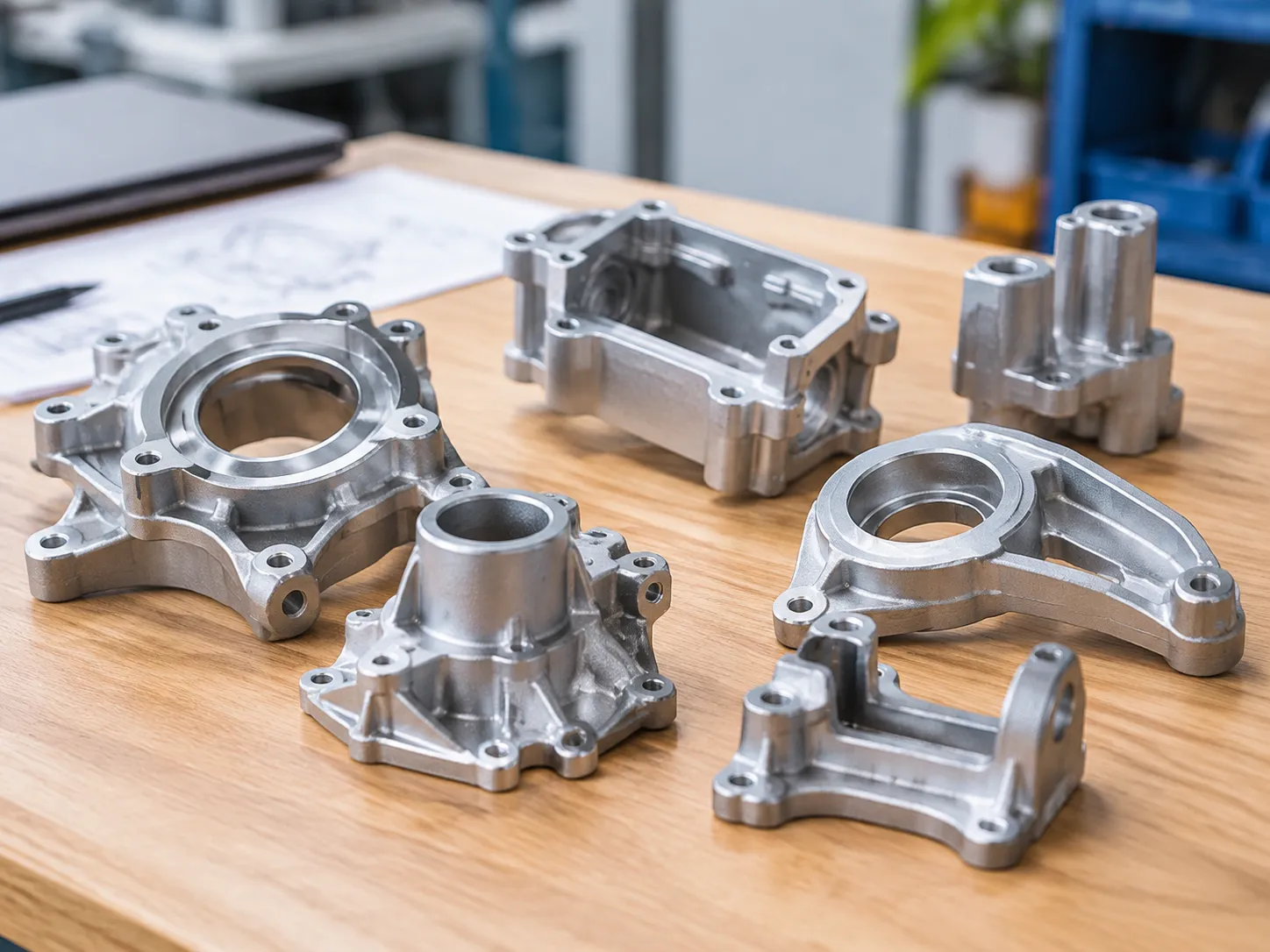
What Are Zinc Die Cast Parts?
The available source material does not provide verified information about zinc die cast parts, zinc pressure die casting, Zamak alloys, or their mechanical properties. No product details, manufacturing specifications, or performance claims are available to describe accurately.
Why Choose Zinc Over Aluminum, Magnesium, and Plastics?
When it comes to zinc die cast parts, choosing the right material is crucial for performance, cost, and manufacturing efficiency. Zinc offers several advantages over aluminum, magnesium, and engineered plastics.
Zinc vs. Aluminum Die Casting
-
- Cycle Times: Zinc alloys typically have faster casting cycle times due to their lower melting point and quicker solidification, boosting production efficiency.
- Thermal Performance: Zinc provides better thermal conductivity, making it suitable for applications requiring heat dissipation and temperature stability. For more on die casting differences, see aluminum die casting vs. sand casting.
Zinc vs. Magnesium
-
- Structural Integrity: Zinc alloys, like Zamak, generally offer superior dimensional stability and strength, making them ideal for precision parts.
- Raw Material Cost: Zinc is usually more cost-effective than magnesium, especially for high-volume production, helping reduce overall manufacturing expenses.
Zinc vs. Engineered Plastics
-
- EMI Shielding & Durability: Zinc parts excel in EMI/RFI shielding and are more resistant to impact, scratches, and environmental wear.
- Thermal Dissipation: Zinc’s excellent thermal conductivity makes it better suited for applications needing heat management, unlike plastics that often require additional coatings or treatments.
Overall, zinc die casting strikes a balance of performance, cost-efficiency, and manufacturing speed, making it a preferred choice for many industrial applications.
Common Zinc Alloys Used in Die Casting
Zinc alloy die casting offers several alloy options for producing precision zinc parts. We select the alloy based on the component’s required strength, hardness, dimensional stability, surface finish, and operating conditions.
Zamak 3
Zamak 3 is widely used for zinc pressure die casting where consistent dimensions, reliable casting performance, and a suitable surface for plating are important. It is a practical choice for many general-purpose zinc die cast parts.
Zamak 5
Zamak 5 is selected when a component needs higher mechanical performance than a standard zinc alloy application. Its use may suit demanding hardware and automotive parts where strength and hardness are key design factors.
Zamak 2
Zamak 2 is considered for components exposed to sustained loads. Its selection depends on the part design, service conditions, and the required resistance to long-term deformation.
ZA Alloys
ZA-8, ZA-12, and ZA-27 provide additional options for specialized zinc alloy die casting applications. These alloys should be matched carefully to the required load, casting design, dimensional targets, and finishing process.
For consistent results, we also consider trimming, deburring, and surface treatment requirements. Automated finishing solutions for small and medium foundries can support the post-casting process while helping prepare parts for later coating or plating.
Zinc Die Casting Manufacturing Process
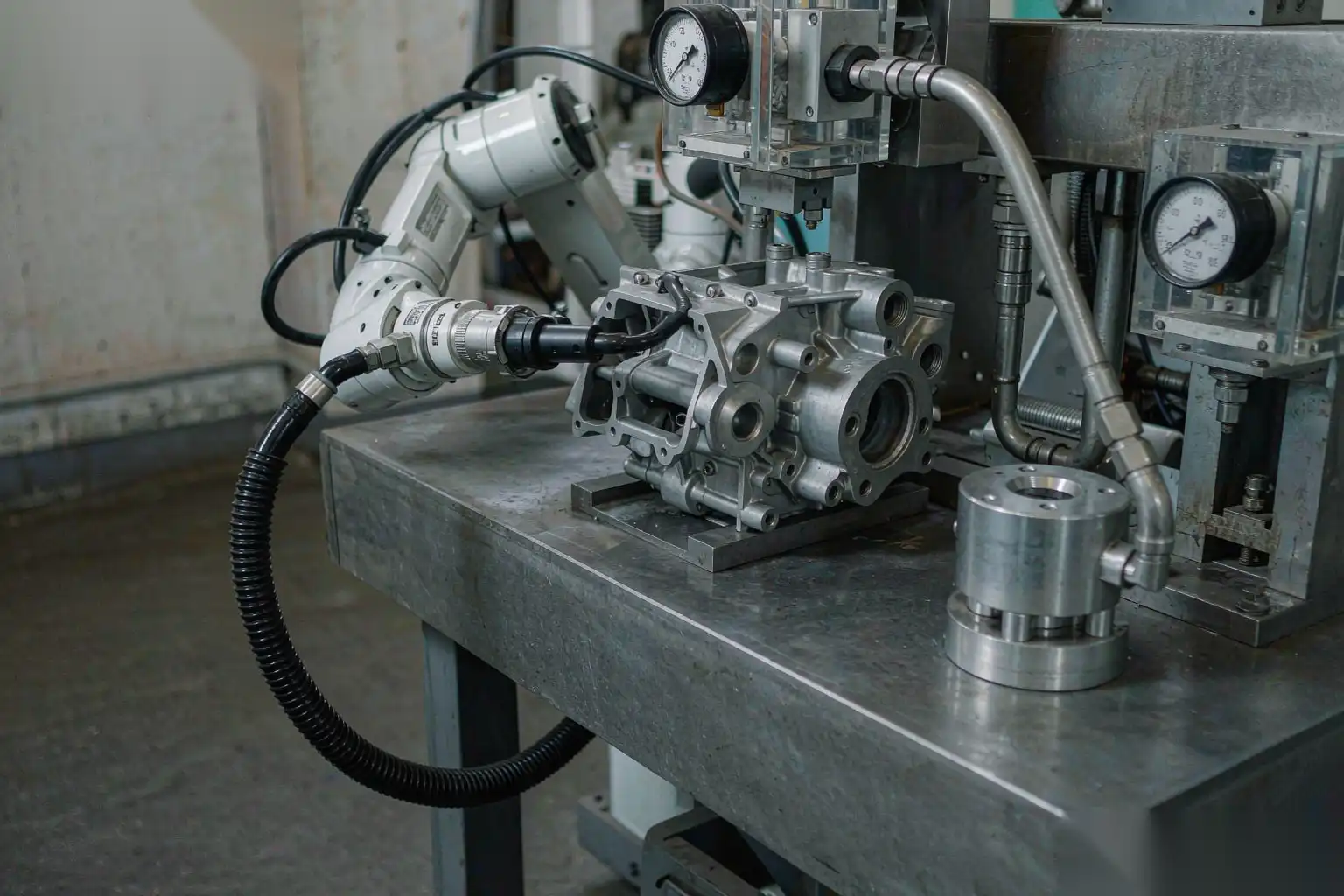
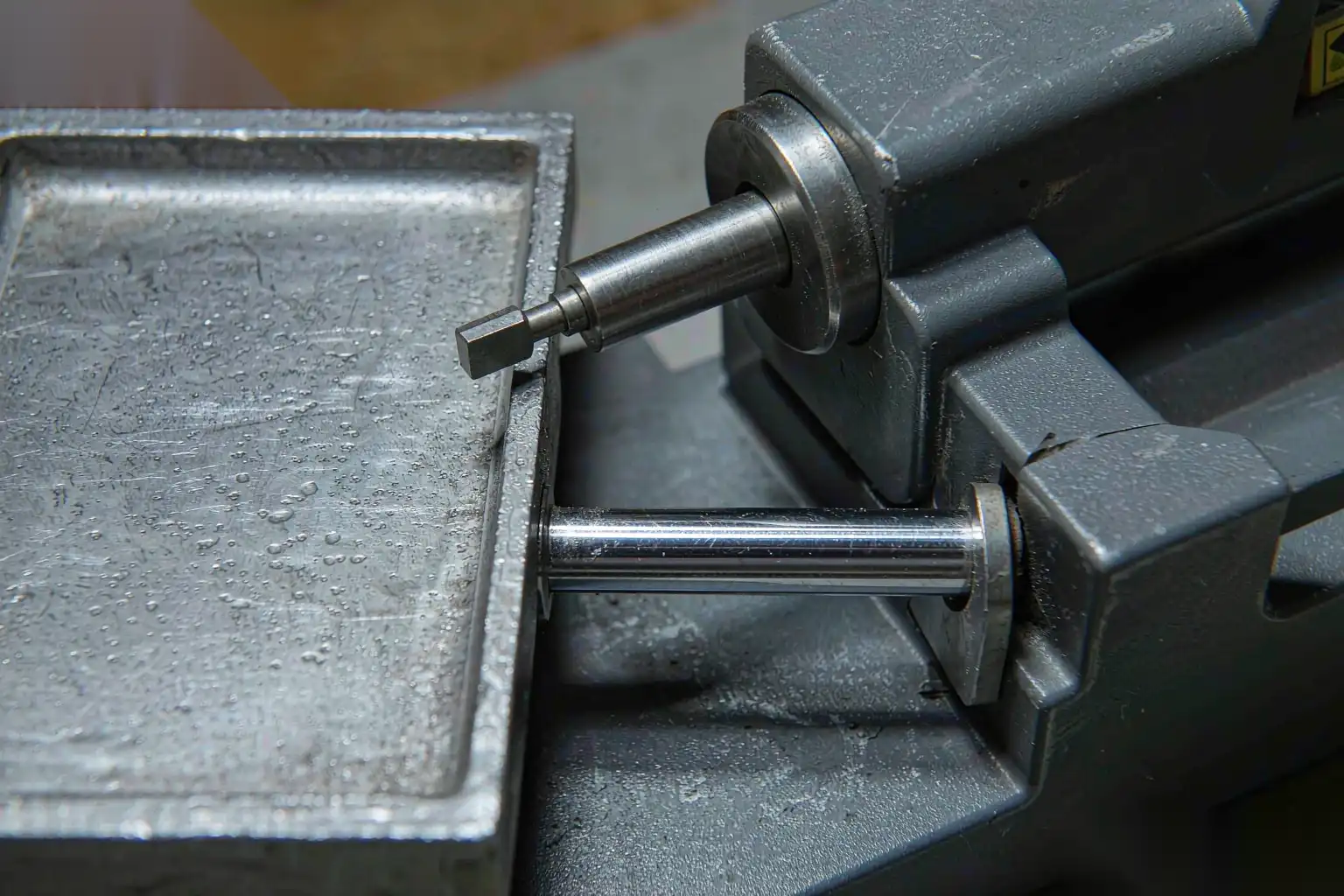
Detailed information about hot chamber die casting, machine cycle rates, die cavity tooling, runner design, thermal balancing, trimming, deflashing, and vibratory deburring is not available in the provided source content.
Design Guidelines for Precision Zinc Die Cast Components
When designing zinc die cast parts, especially for high-precision applications, understanding key guidelines is essential to ensure quality and manufacturability. Zinc alloys, like Zamak, allow for thin-wall casting, but there are limits to how thin walls can be without risking defects. Typically, maintaining a minimum wall thickness of around 0.5 mm is recommended, though this can vary based on the alloy and part complexity. Thinner walls help reduce material costs and weight but require careful control to avoid porosity or warping.
Optimizing draft angles, fillets, and corner radii is crucial for smooth ejection and minimizing surface imperfections. A standard draft angle of at least 1 to 2 degrees helps prevent sticking in the mold, while generous fillets and radii reduce stress concentrations and improve flow. Properly designing bosses, ribs, and core pulls also plays a vital role in eliminating porosity and ensuring consistent wall thickness. These features should be carefully shaped to promote even filling and reduce the risk of trapped air.
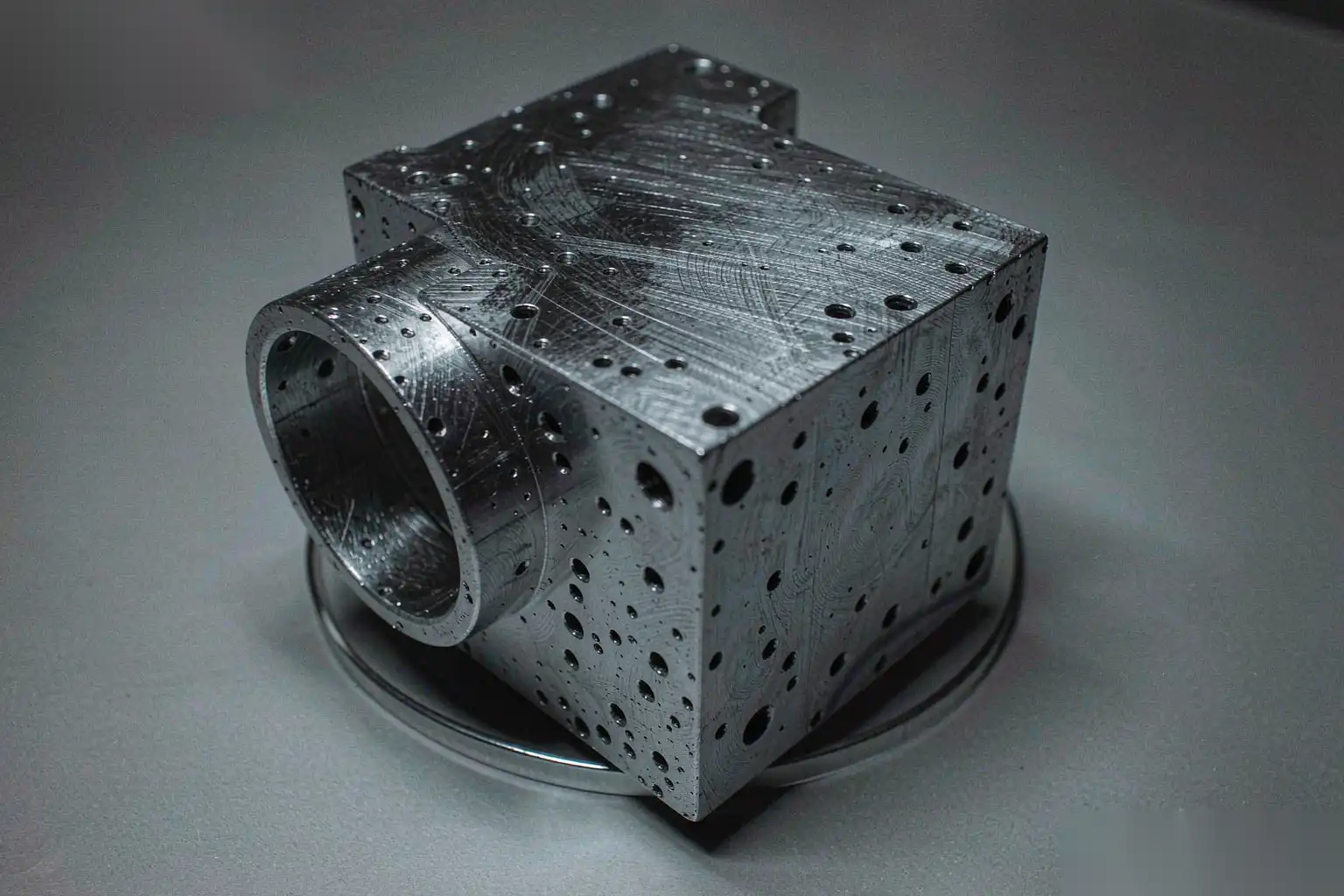
Achievable dimensional tolerances for zinc die cast parts are generally tighter than other casting methods, often reaching ±0.05 mm or better. This makes zinc ideal for components requiring high precision, such as electrical connectors or automotive parts. To meet these standards, precise mold design, temperature control, and process monitoring are essential. Following these guidelines ensures your zinc die cast components meet the necessary quality and performance standards for demanding industrial applications.
Surface Finishing and Coating Options for Zinc Die Cast Parts
After casting, I treat surface finishing as a separate production step. The right finish depends on the part’s appearance, corrosion exposure, handling requirements, and final use.
Zinc Die Cast Surface Finishing Options
| Finish or coating | Common purpose |
|---|---|
| Chrome plating | Provides a bright decorative surface |
| Nickel plating | Adds a smooth metallic finish |
| Copper plating | May be used as part of a multi-layer plating system |
| Zinc plating | Provides a zinc-based protective finish |
| Powder coating | Adds a durable colored coating |
| E-coating | Creates a uniform coating over complex shapes |
| Chromate conversion | Supports surface protection and coating preparation |
| Passivation | Helps condition the surface after selected finishing processes |
Electroplated Zinc Parts
Chrome, nickel, copper, and zinc plating can be selected when the part needs a metallic appearance or a defined surface treatment. Before plating, the zinc die cast part usually needs careful cleaning and preparation so the coating can cover the surface consistently.
Thin features, edges, parting lines, and casting marks should be reviewed before finishing. These areas can affect the final appearance and may require controlled deburring or polishing. For automated preparation, a robotic cell grinding and polishing machine can support repeatable surface work on suitable components.
Powder Coating and E-Coating
Powder coating and e-coating are options when I need a continuous surface layer rather than a bright plated appearance. They can be considered for parts that require a colored or protective exterior finish.
The coating process should match the part geometry and the required final appearance. Areas such as holes, recesses, and sharp transitions need particular attention because coating coverage may vary across complex shapes.
Anodizing Alternatives and Conversion Treatments
Traditional anodizing is generally associated with aluminum surfaces. For zinc die cast parts, I consider other treatments, including:
-
- Chromate conversion for surface conditioning and protection
- Passivation after selected finishing processes
- Powder coating or e-coating when a continuous protective layer is needed
- Plating systems when a metallic finish is required
The best option depends on the required appearance, service environment, and compatibility with the zinc alloy die casting process. Surface preparation and consistent handling remain important for achieving a uniform result.
Industrial Applications for Zinc Die Cast Parts
Zinc die cast parts can support a range of industrial and commercial product designs where manufacturers need formed metal components with consistent finishing requirements.
Common application categories include:
-
- Automotive systems: Housings, brackets, gears, and other formed components
- Electronics and telecommunications: Enclosures and connector components
- Industrial and commercial hardware: Locksets, hinges, fittings, and related hardware
- Medical and optical equipment: Precision metal components used in specialized devices
For each application, we evaluate the part geometry, surface requirements, dimensional needs, and finishing process before selecting a suitable zinc alloy die casting and post-processing approach.
Cost factors in zinc die casting production play a significant role in overall project budgeting. Tooling and die fabrication expenses are upfront costs that can be offset by the extended lifespan of zinc die cast molds, which typically last longer than aluminum counterparts. This durability reduces the need for frequent replacements and lowers long-term tooling costs. High-speed production efficiency is another key factor; zinc die casting allows for rapid cycle times, which helps decrease per-unit costs, especially in high-volume zinc production. Additionally, minimizing secondary machining through net-shape manufacturing reduces labor and material expenses, further boosting cost savings. For manufacturers aiming to stay competitive, optimizing these cost factors is essential for delivering quality zinc die cast parts at a reasonable price.
Frequently Asked Questions About Zinc Die Cast Parts
How long does a zinc die casting mold typically last compared to aluminum?
The available source does not provide mold-life data or a comparison between zinc and aluminum die casting.
What Is the Minimum Wall Thickness Achievable With Zinc Alloys?
The available source does not specify minimum wall thickness limits for zinc alloy die casting parts.
Are Zinc Die Cast Parts Resistant to Rust and Atmospheric Corrosion?
The available source does not provide corrosion-resistance information for zinc die cast parts.
Can Zinc Die Cast Components Be Threaded Without Secondary Tapping?
The available source does not state whether zinc die cast components can be threaded without secondary tapping.
How Does Zinc Die Casting Perform in High-Temperature Environments?
The available source does not include high-temperature performance data for zinc die cast parts.