

What Are Zinc Die Cast Parts?
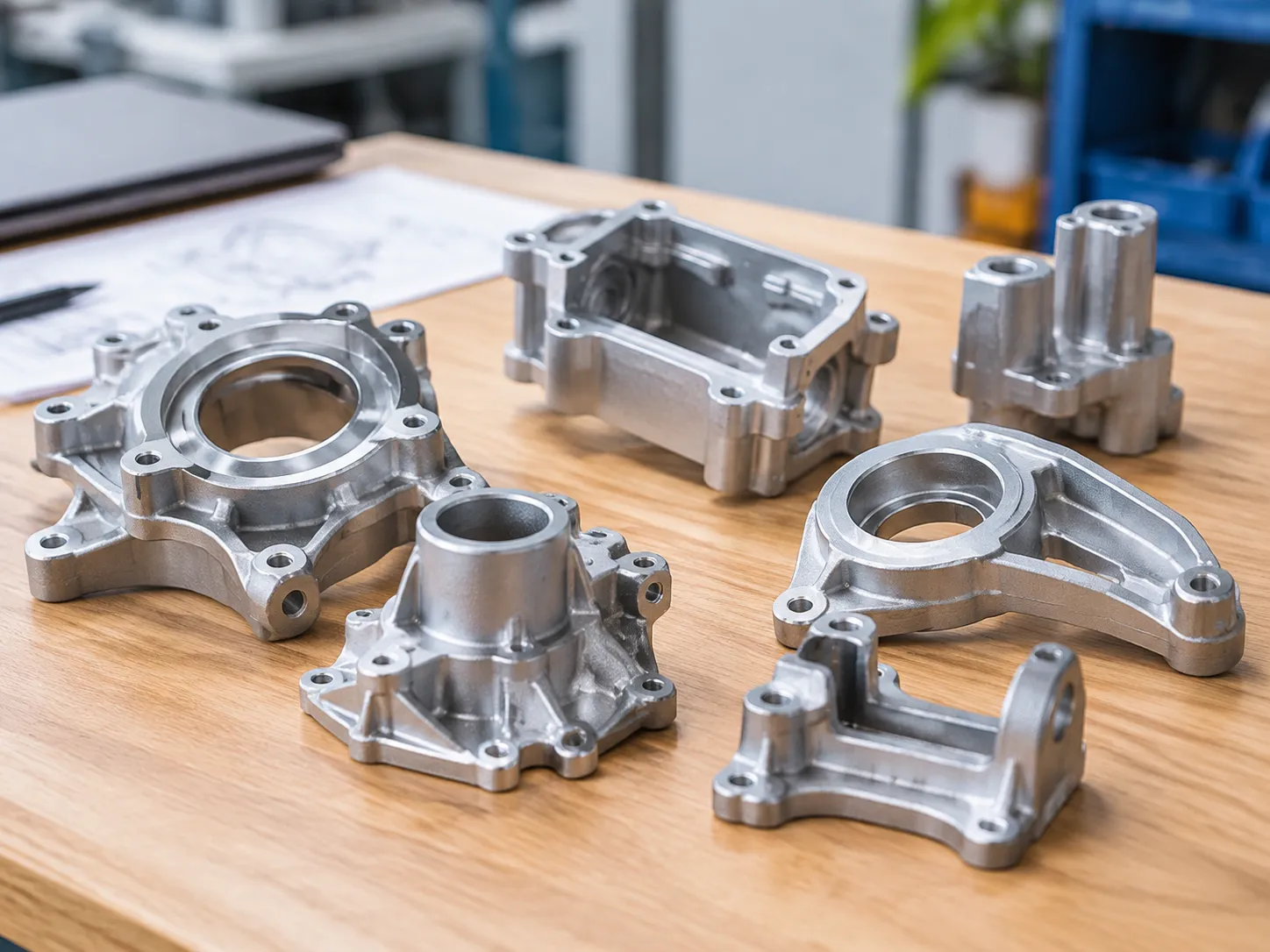
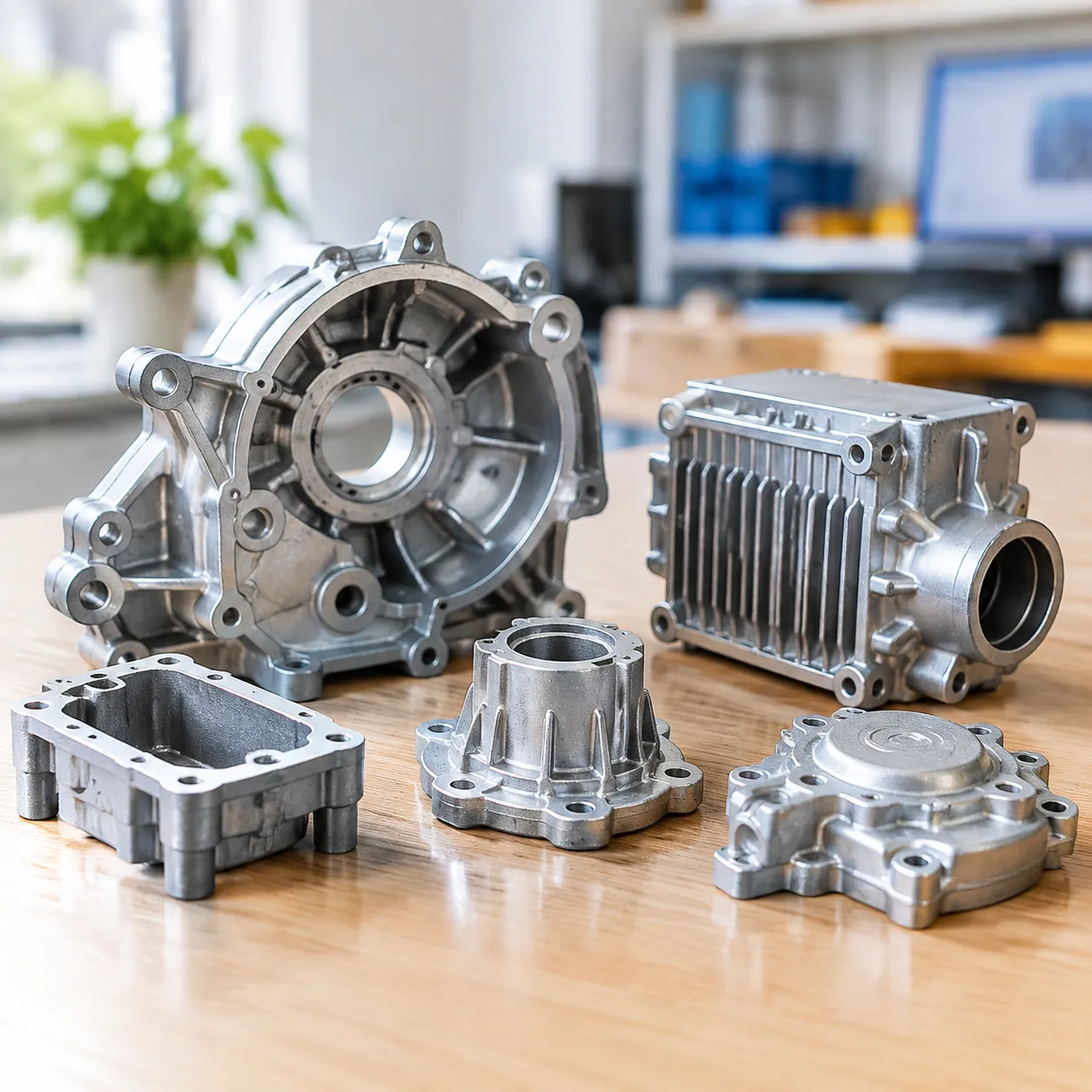
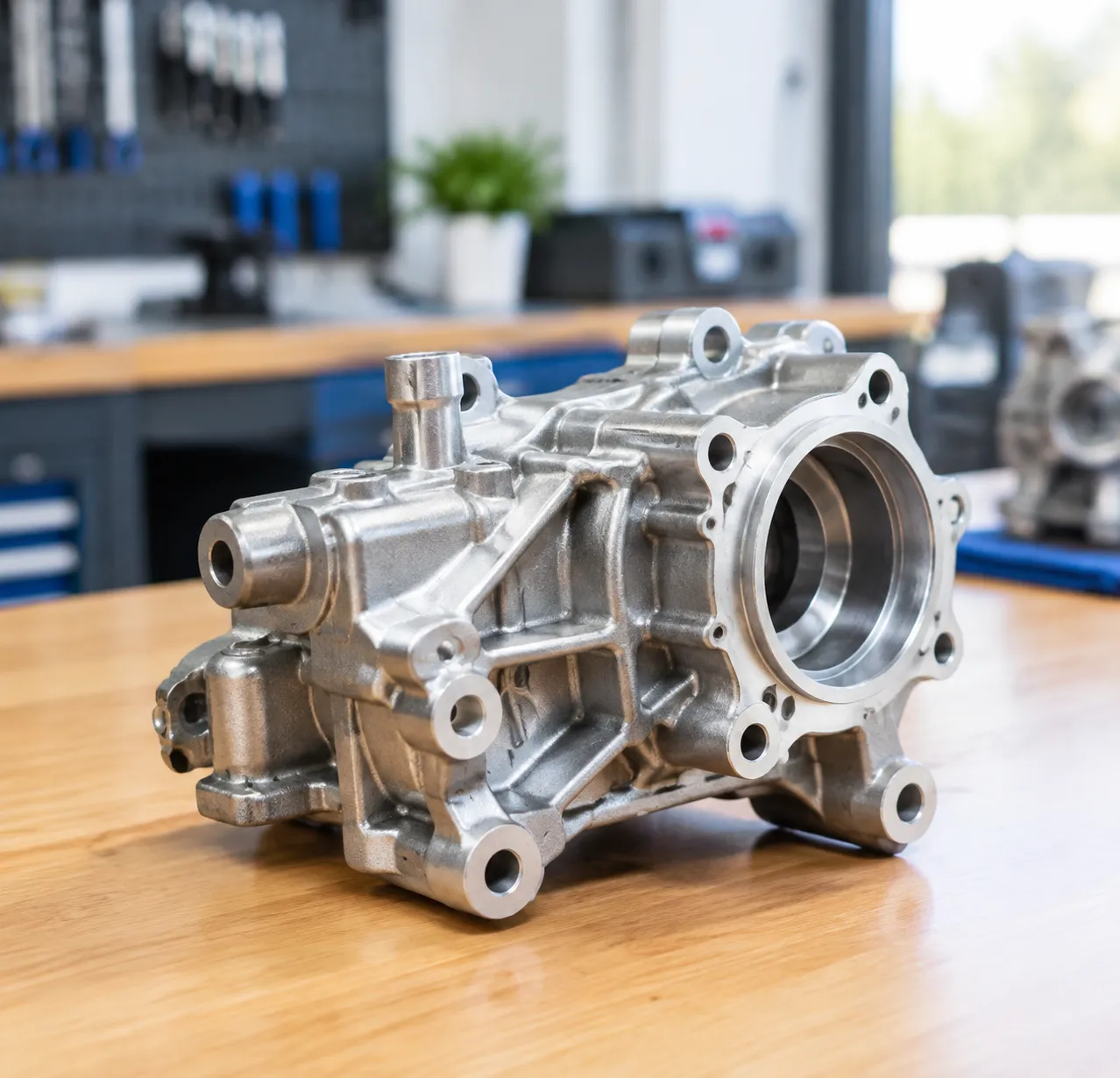
Zinc die cast parts are precision components created through a process called zinc die casting, where molten zinc alloy is injected into a mold under high pressure. This method delivers parts with tight tolerances, smooth surfaces, and complex shapes that are tough to achieve with other materials.
Understanding Zinc Die Casting Basics
-
- Fast, repeatable manufacturing: Zinc die casting is ideal for producing large quantities of identical parts.
- Complex geometry: The process allows for intricate designs and fine details without sacrificing strength.
- Consistent quality: Every zinc die cast part comes out with uniform dimensions and a reliable finish.
Common Applications in Different Industries
-
- Automotive: Used for gears, housings, and decorative trim thanks to durability and precision.
- Electronics: Perfect for connectors, brackets, and heat sinks due to excellent conductivity.
- Consumer goods: Found in hardware, locks, and appliances because zinc die cast parts are cost-effective and stylish.
- Industrial machinery: Valued for their strength and corrosion resistance in demanding environments.
Advantages Over Other Materials
-
- Superior strength-to-weight ratio: Zinc die cast parts are lightweight but strong, making them easy to handle and install.
- Excellent surface finish: They’re ready for plating or coating, which boosts both appearance and protection.
- Cost efficiency: Lower material and production costs compared to aluminum or plastic alternatives.
- Durability: Zinc alloys resist wear, corrosion, and impact, ensuring a long service life.
If you need parts that combine precision, durability, and cost savings, zinc die cast parts are a smart choice across countless applications.
How Are Zinc Die Cast Parts Made?
Zinc die cast parts are made through a process that’s all about speed, precision, and repeatability. Here’s how it works:
Step-by-Step Overview of the Zinc Die Casting Process
– First, zinc alloy is melted down to a liquid state.
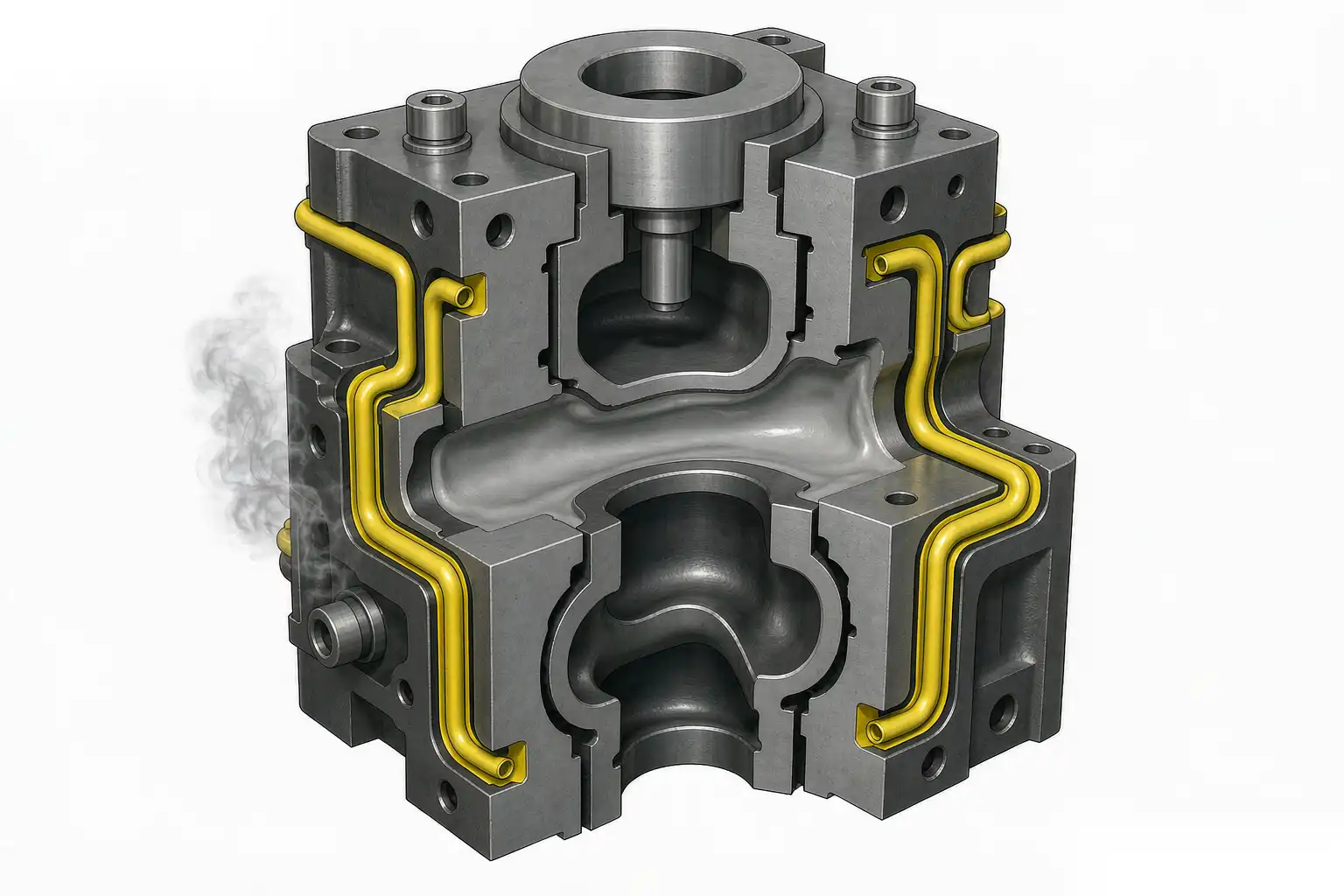
– The molten zinc is injected into a custom-designed mold under high pressure. This ensures every part comes out with sharp details and tight tolerances.
– Once the zinc cools and solidifies, the mold opens and the part is ejected.
– Any excess material (like sprues or flash) gets trimmed off before the part moves on to finishing.
Key Tools and Equipment Used
– High-pressure die casting machines (these do the heavy lifting)
– Precision molds, usually made from hardened steel
– Melting furnaces for zinc alloys
– Trimming and finishing tools for post-casting cleanup
Types of Zinc Die Casting Techniques
– Hot Chamber Die Casting: The most common method for zinc. The chamber sits inside the molten metal, making it fast and efficient for high-volume production.
– Cold Chamber Die Casting: Not as common for zinc, but used when alloys have higher melting points. The molten metal is ladled into the chamber, then injected into the mold.
If you’re curious about the technical details or want tips on mold design, check out this guide on zinc die casting mold design.
Design Considerations for Zinc Die Cast Parts
When designing zinc die cast parts, careful planning is essential to ensure high quality and functionality. Start with simple, uniform wall thicknesses to avoid uneven cooling and warping. Incorporate draft angles—typically 1-2 degrees—to allow easy removal from the mold without damaging the part. Avoid sharp corners and undercuts that can complicate the casting process and increase costs. Instead, use rounded edges and smooth transitions to improve flow and reduce stress concentrations.
It’s also important to consider the placement of features like holes or ribs. These should be designed with proper thicknesses to prevent defects such as porosity or cracking. Maintaining consistent wall thickness helps in achieving better surface finish and dimensional accuracy. Additionally, designing for manufacturability includes avoiding overly complex geometries that could lead to longer cycle times or increased tool wear.
To ensure durability and precision, selecting appropriate materials and tolerances is key. Zinc die cast parts are known for their strength and corrosion resistance, but proper design can maximize these benefits. Incorporating features that facilitate post-processing, like polishing or plating, can also enhance the final appearance and performance of your zinc die cast components. For detailed design tips, consulting resources like the die casting design for manufacturability checklist can be very helpful.
Material Properties of Zinc for Die Casting
Zinc is widely regarded as an ideal material for die casting due to its excellent combination of strength, malleability, and ease of manufacturing. Its high fluidity allows for the creation of complex geometries with tight tolerances, making it a popular choice for precision parts. Zinc die cast parts are known for their durability and ability to withstand mechanical stresses, which is why they are commonly used in automotive, electronics, and hardware industries.
However, zinc does have some limitations. It is more susceptible to corrosion compared to other alloys like aluminum or brass, which means surface protection through plating or coating is often necessary to enhance longevity. Zinc’s surface finish can be easily improved with various post-processing options, helping to achieve a smooth, high-quality appearance that meets industry standards.
When considering zinc for die casting, it’s important to balance its strengths with its limitations. Proper surface treatment and design considerations can significantly extend the lifespan and performance of zinc die cast parts, ensuring they meet the demanding needs of modern manufacturing. For more on surface finishing options, see robotic surface finishing solutions for die casting.
Finishing and Post-Processing of Zinc Die Cast Parts
Getting zinc die cast parts ready for action means nailing the finish. The right finishing and post-processing steps make all the difference in durability, looks, and performance.
Popular Finishing Options
| Finishing Option | What It Does | Best For |
|---|---|---|
| Plating | Adds corrosion resistance, improves appearance | Automotive, hardware, electronics |
| Powder Coating | Tough, colorful surface | Outdoor, consumer goods |
| Polishing | Smooths out rough edges, boosts shine | Decorative, visible parts |
| Deburring | Removes sharp bits, ensures safety | All zinc die cast parts |
Improving Surface Quality
-
- Use vibratory finishing to smooth out surfaces and prep for plating or coating. Automated deburring is a game changer for cutting labor costs and boosting consistency—check out these automated deburring and grinding tips for zinc die cast parts.
- Opt for polishing to enhance shine and reduce surface roughness, especially for parts that need to look good and perform well.
Post-Processing Tips for Better Performance
-
- Always inspect surface finish before final assembly—catch defects early.
- Choose coatings that match your environment (think moisture, chemicals, or UV).
- Invest in automation for mass finishing; it keeps quality high and costs low. Learn how metal finishing automation reduces costs and improves quality.
A solid finishing process turns zinc die cast parts into reliable, attractive components ready for any job.
Cost Factors and Budgeting for Zinc Die Cast Parts
The cost of zinc die cast parts depends on several key factors. Material prices fluctuate based on zinc alloy market rates, while complexity in design can increase mold and tooling expenses. Larger production volumes typically lower per-unit costs due to economies of scale, but initial setup costs remain significant. Additionally, the choice of casting technique—hot chamber or cold chamber—can influence overall expenses, as each has different equipment and process requirements.
To keep costs manageable without sacrificing quality, optimizing your design is crucial. Simple geometries and uniform wall thickness reduce tooling and finishing costs. Using standard molds and materials also helps control expenses. Working with experienced zinc die casting services can streamline production, minimize defects, and avoid costly rework.
Estimating lead times and planning production schedules accurately is vital for budgeting. Lead times vary depending on order size and complexity but generally range from a few weeks to a couple of months. Proper planning ensures timely delivery and helps avoid rush charges. For more insights on cost factors in die casting, see our detailed guide on aluminum die casting cost factors.
Common Defects in Zinc Die Casting
Casting defects can affect appearance, dimensions, and the performance of zinc die cast parts. I focus on identifying the issue early, finding its likely cause, and checking the part again after corrective action.
Frequent Zinc Die Casting Defects
Common concerns include:
-
- Porosity: Small voids or air pockets inside the casting
- Warping: Unwanted bending or dimensional change
- Surface marks: Visible lines, pits, or uneven areas
- Incomplete filling: Sections of the mold are not fully formed
- Flash: Excess material along the parting line
These zinc die casting defects may result from filling problems, trapped air, uneven cooling, mold conditions, or process variation. The exact cause should be confirmed through inspection rather than assumed.
How to Identify and Fix Casting Defects
I recommend using a simple troubleshooting process:
-
- Inspect the part: Check its surface, shape, and critical dimensions.
- Classify the defect: Separate internal concerns, surface issues, and dimensional problems.
- Review the process: Examine mold condition, filling behavior, cooling, and handling.
- Apply one change at a time: This makes it easier to confirm what solved the issue.
- Inspect the corrected parts: Verify that the defect is reduced without creating a new problem.
For parts with sharp edges or excess material, automated deburring for castings can support more consistent post-processing. Deburring, however, should not be used to hide casting problems that begin during molding.
Zinc Die Casting Quality Control
A practical quality control plan should include:
-
- Visual inspection for surface defects
- Dimensional checks against the approved design
- Review of samples from production runs
- Clear records of defects and corrective actions
- Final inspection after finishing or post-processing
Consistent inspection helps detect zinc die casting defects before parts move to later operations. For custom zinc die cast parts, I also recommend defining acceptable surface and dimensional conditions before production begins.
Environmental and Sustainability Aspects of Zinc Die Casting
Recycling and eco-friendly practices are at the core of sustainable zinc die casting. Zinc is highly recyclable, allowing manufacturers to reuse scrap material without losing quality, which significantly reduces waste and environmental impact. Many zinc die cast parts are produced with recycled zinc alloys, supporting a circular manufacturing process that minimizes resource consumption.
Regulations and standards play a vital role in ensuring environmentally responsible practices. Compliance with environmental laws such as the EPA regulations and industry standards helps manufacturers reduce emissions, control waste, and implement eco-conscious processes. Staying updated on these regulations ensures that zinc die casting remains a sustainable choice for industries seeking green solutions.
Looking ahead, future trends in sustainable zinc die cast manufacturing focus on further reducing energy consumption and carbon footprint. Innovations include developing more energy-efficient casting techniques and integrating eco-friendly surface treatments. Embracing these advancements not only benefits the environment but also offers cost savings and improved brand reputation for companies committed to sustainability.
FAQs About Zinc Die Cast Parts
What industries rely on zinc die casting?
Zinc die casting is used across industries that need shaped metal components. Common applications may include:
-
- Automotive components
- Consumer products
- Hardware and fittings
- Electrical and electronic products
- Industrial equipment
The right application depends on the part design, required finish, production volume, and performance needs.
How durable are zinc die cast parts?
Zinc die cast parts can provide useful strength and durability when the alloy, design, casting process, and finishing method are properly matched. Performance also depends on the part’s operating environment and surface treatment.
For parts exposed to wear, moisture, or cosmetic requirements, I recommend reviewing finishing options early in the design process.
What are the typical costs involved?
The cost of zinc die casting depends on several factors:
| Cost factor | Why it matters |
|---|---|
| Part design | Complex shapes may require more tooling and processing |
| Tooling | Dies and related setup affect initial costs |
| Material | Alloy selection influences the overall price |
| Production volume | Larger runs can change the cost per part |
| Finishing | Plating, coating, polishing, or deburring adds processing cost |
| Inspection | Quality requirements may add inspection time and expense |
A reliable estimate requires the part drawing, material requirements, quantity, finish, and quality expectations.
How do I choose the right zinc die casting service?
I look for a service provider that can clearly explain its process and confirm whether it can support the complete project. Important points include:
-
- Experience with zinc alloy die casting
- Ability to review part designs
- Clear tooling and production information
- Defined inspection and quality procedures
- Finishing and post-processing capabilities
- Communication about schedules and costs
For parts that need surface preparation, related processes such as zinc die casting flash removal may also be important.
Can zinc die cast parts be customized?
Yes, zinc die cast parts can be developed for different shapes, sizes, finishes, and functional requirements. Customization should be reviewed during the design stage so the part can be evaluated for casting, finishing, inspection, and production needs.
What are the lead times for production?
Lead times vary based on:
-
- Part complexity
- Tooling requirements
- Material selection
- Order quantity
- Finishing requirements
- Inspection and approval steps
I recommend confirming the tooling schedule and production plan before placing an order. A complete drawing and clear specifications can help reduce delays.
Are zinc die cast parts environmentally friendly?
Zinc die casting can support more sustainable manufacturing when recycling, material use, energy consumption, and waste control are properly managed. The environmental impact depends on the full production process, including casting, finishing, packaging, and transportation.
When evaluating sustainable zinc die casting, I review:
-
- Material recycling practices
- Waste and scrap handling
- Finishing chemicals and process controls
- Energy use
- Product life and end-of-life recovery options