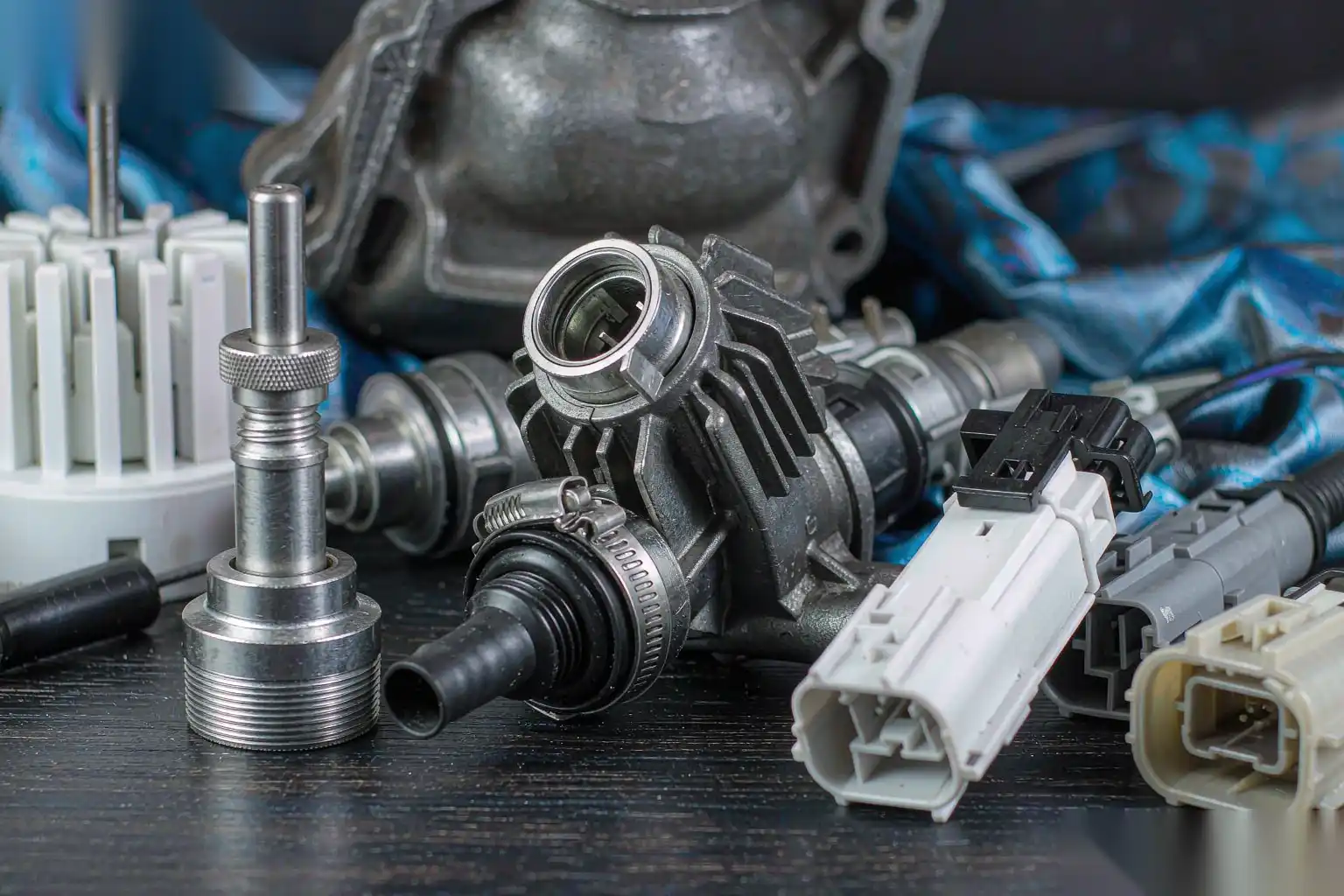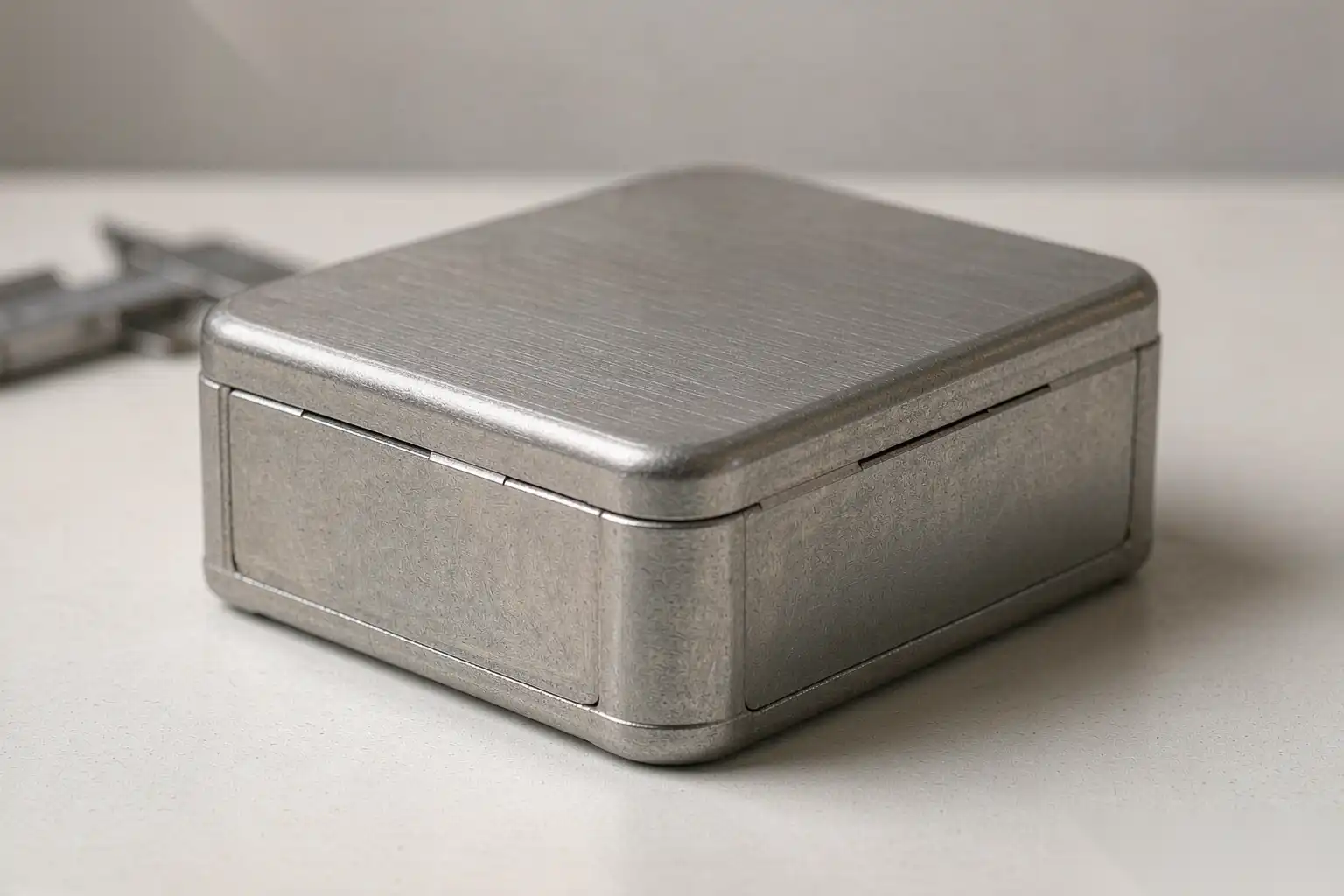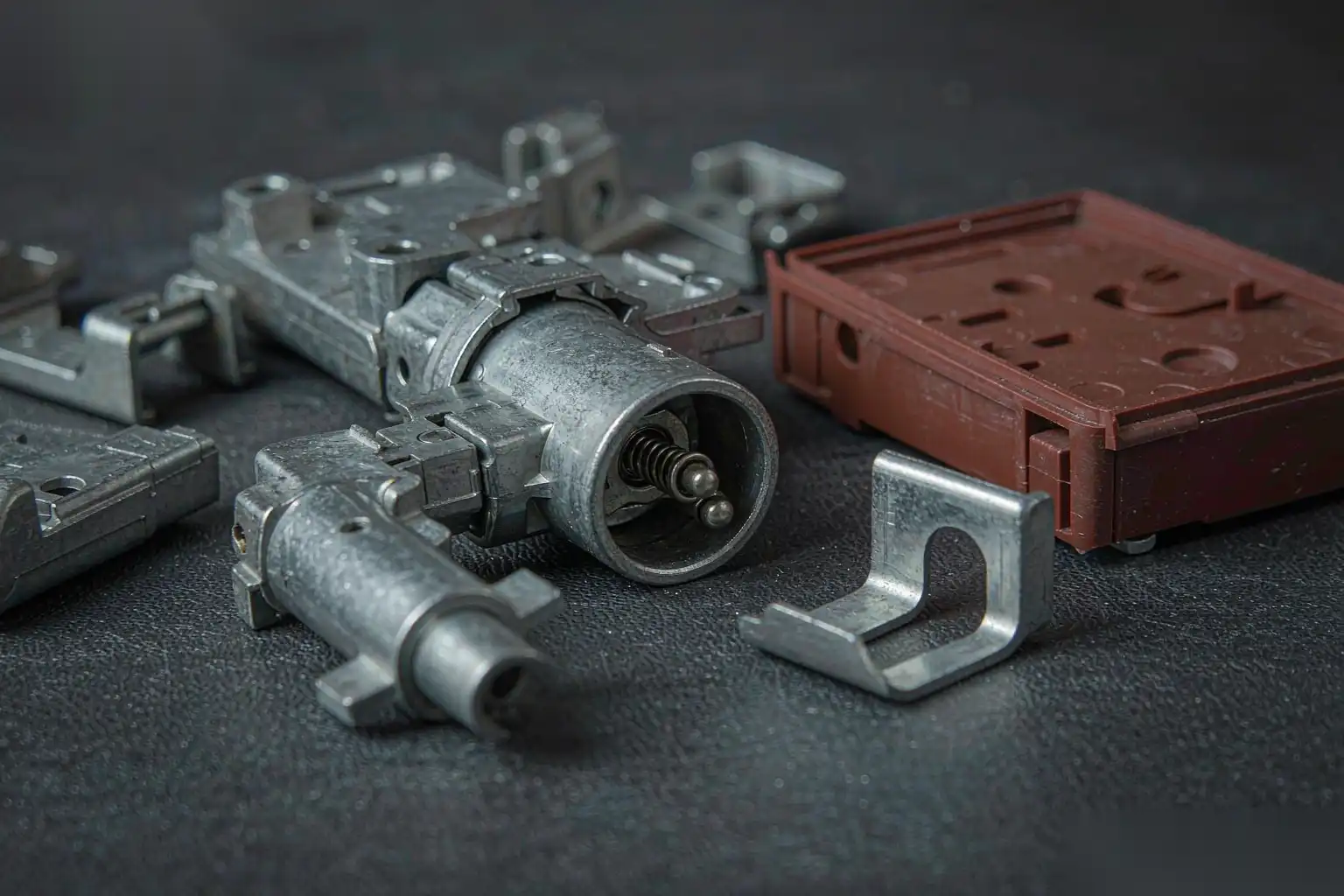



AT A GLANCE · Zinc alloy die castings are widely used across hardware, bathroom fittings, automotive trim, and consumer electronics due to their excellent fluidity and low casting costs. However, finishing zinc alloys presents significant manufacturing challenges: the material is soft, prone to smearing under thermal stress, and highly susceptible to ejector marks, parting lines, and cold-flow defects. While skilled manual polishers rely on tactile feedback to correct surface flaws, human error leads to quality variations between shifts and production batches. Adopting robotic polishing for metal parts converts finishing into a standardized, repeatable process—delivering the consistent surface quality needed to justify automation ROI.
This article breaks down how an automated robotic cell enhances quality for zinc alloy die castings, identifies key efficiency drivers, and highlights critical KPIs plant managers should monitor to maximize return on investment (ROI).
Why Zinc Alloy Die Castings Are Difficult to Polish
Zinc occupies a unique position on the material hardness scale. Softer than steel and aluminum, zinc deforms rather than cuts cleanly when polishing wheels generate excessive friction heat. Manual operators attempt to manage heat through light pressure and consistent polishing compound application, but human performance varies across shifts. Increased manual pressure overheats the polishing wheel, leading to surface smearing, loaded abrasives, and non-uniform cosmetic finishes within a single production lot.
Common surface defects in zinc die casting include ejector pin marks, parting-line flash, gate remnants, and “orange peel” textures caused by uneven work-hardening. Eliminating these defects requires continuous, highly controlled surface pressure.
How Robotic Polishing Systems Solve Finishing Deficiencies
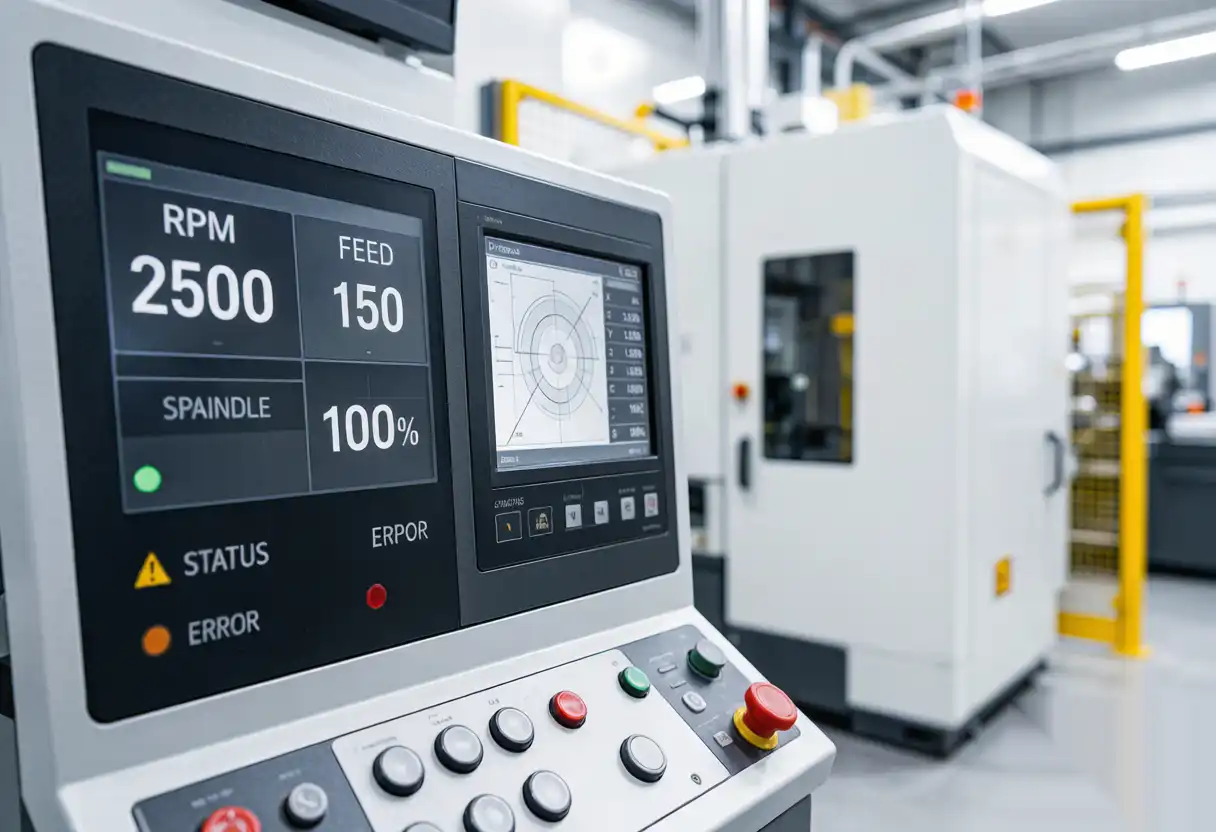
Automated polishing cells eliminate manual variability by maintaining programmed contact force, steady spindle speeds, and automated compound metering across every production cycle. By removing human error, robotic finishing transforms zinc surface preparation into a highly predictable operation.
Integrated force control technology plays a crucial role. Advanced automatic buffing technologies like active compliance allow the polishing head to adapt dynamically to minor casting variations. As abrasive wheels wear, the system adjusts in real time to maintain targeted pressure, securing consistent material removal rates and uniform surface roughness (Ra).
Quality Comparison: Manual Polishing vs. Robotic Finishing
When finishing zinc handle brackets manually, profilometer measurements often range from Ra 0.35 µm on high-performing parts to Ra 0.9 µm on substandard pieces, accompanied by visible directional marks and heat smears. Transitioning to an automated robotic cell featuring active force control and a structured three-pass abrasive cycle achieves consistent results across the entire batch:
| Process Parameter | Manual Polishing | Robotic Polishing Cell |
|---|---|---|
| Surface Roughness (Ra) | 0.35 µm – 0.90 µm (Inconsistent) | 0.30 µm – 0.40 µm (Uniform) |
| First-Pass Yield Rate | 80% – 85% | 97%+ |
| Defect & Smearing Risk | High (Dependent on operator fatigue) | Near Zero (Programmed force control) |
Robotic automation systematically eliminates lower-end quality outliers, ensuring all manufactured parts meet strict aesthetic and dimensional standards.
Essential KPIs for Evaluating Polishing Cell ROI
To justify capital investment in robotic metal finishing, plant managers should monitor four primary performance metrics:
- First-Pass Yield (FPY): Percentage of parts meeting visual quality checks without secondary rework. Robotic cells increase FPY from ~80% to over 97%.
- Scrap & Rework Rates: Lowering rework from 15% down to 3% reduces raw material waste and direct labor costs.
- Customer Return Rate (RMA): Automated parameter control prevents non-conforming cosmetic parts from entering supply chains.
- Abrasive Consumption per 100 Units: Regulated contact force stabilizes media wear and lowers consumable costs.
Combined yield improvements and scrap reduction typically enable high-volume zinc finishing lines to achieve full payback within 12 to 18 months.
Core Technological Drivers of Quality Gains
Peak performance in robotic zinc polishing relies on three core technological elements:
- Precision Datum Fixturing: Workholding fixtures designed within 0.1 mm tolerances ensure repeatable component positioning relative to the robotic toolhead.
- Active Compliance Force Control: Compensates dynamically for minor casting seam lines and dimensional tolerances without gouging.
- Automated Compound Dispensing: Continuous compound application prevents thermal buildup, wheel loading, and surface smearing.
Active Force Control Calibration in Practice
Fixed-path industrial robots without compliance force control often over-grind high points and miss low regions on warped die castings. Active force control dynamically modifies arm compliance, holding contact pressure within the ideal range of 8 to 20 Newtons for zinc processing. This balance preserves fine geometric details while delivering a flawless polish.
Optimized Liquid Compound & Media Strategies
Zinc alloys cut most efficiently with specialized liquid emulsions or grease compounds that keep abrasive media clear of debris. Dosing should be triggered automatically by part cycle counts rather than manual inspection. Managing media replacements via automated part counters prevents unexpected finish degradation.
Surface Roughness Measurement and Quality Validation
Establishing reliable surface validation requires combining quantitative Ra profilometer checks with standardized visual inspection booths under controlled lighting. Recording Ra measurements on initial and final batch samples helps track tool wear and fixture integrity over time, ensuring process stability across shifts.
Avoiding Common Defects in Zinc Finishing
- Excessive Applied Force: Leads to alloy smearing and thin feature distortion.
- Dry Buffing Runs: Causes rapid wheel loading and severe cosmetic burn marks.
- Uncalibrated Fixtures: Datum drifts create offset polishing paths and uneven edge wear.
- Incorrect Abrasive Selection: Using overly aggressive media on final buffing passes leaves deep surface scratches.
Implementing structured automated deburring for zinc alloy die castings ensures sequential material removal: heavy flash removal first, followed by blending and fine mirror buffing.
Steps to Deploy a Robotic Polishing Cell
Begin automation rollout with high-volume, high-value components. Document target specifications in standard operating procedure (SOP) recipes, including abrasive types, force parameters, tool speeds, and compound cycle times. Run a pilot production batch of 20 to 50 parts to validate repeatability before scaling across other part families.
Frequently Asked Questions
Can a robotic polishing system match manual master polishers?
Yes. Robots consistently replicate the peak quality of master polishers while eliminating human errors, shift fatigue, and part-to-part variability.
How do robotic cells handle porous zinc die castings?
For porous castings, applying vacuum impregnation or pre-sealing is recommended. Combining low contact force with compliant buffing heads helps achieve uniform satin or high-gloss finishes without exposing sub-surface voids.
How fast can quality stabilization be achieved after deployment?
Quality stabilizes during the initial pilot batch run (typically 20–50 units) once fixture positioning, path programming, and force compliance are fully calibrated.
Is robotic polishing cost-effective for low-volume production?
For low-volume, high-mix facilities, modular semi-automatic cells or flexible robotic cells servicing multiple part families provide strong ROI and manageable payback periods.
Optimize Your Metal Finishing Line with Xiamen Dingzhu
Xiamen Dingzhu Intelligent Equipment specializes in custom automated polishing and grinding solutions for foundries, machining centers, and Tier-1 hardware suppliers. Contact our application engineers today to analyze your component specifications, evaluate target cycle times, and calculate your automation ROI.
*Consult your internal quality assurance team prior to modifying approved finishing processes.