

Hinge Polishing Machine: Which Type Fits Your Parts?
A hardware buyer in Vietnam stocked three hinge finishes — satin, bright, and mirror — and ran them on one hand bench that did none of them well. “I bought a polisher,” he said, “but I bought the wrong one three times.” Picking a hinge polishing machine starts with the finish you actually sell, not the shiniest demo.
This guide covers which hinge polishing machine type fits which part and finish.
Why Hinge Shape Drives the Machine
A hinge is two leaves and a knuckle, with tight inside corners and a curved barrel. The finish target decides the machine: satin needs a brushing pass, bright needs staged wheels, mirror needs a buffing cell. One machine rarely does all three well.
Machine Types and What They Fit
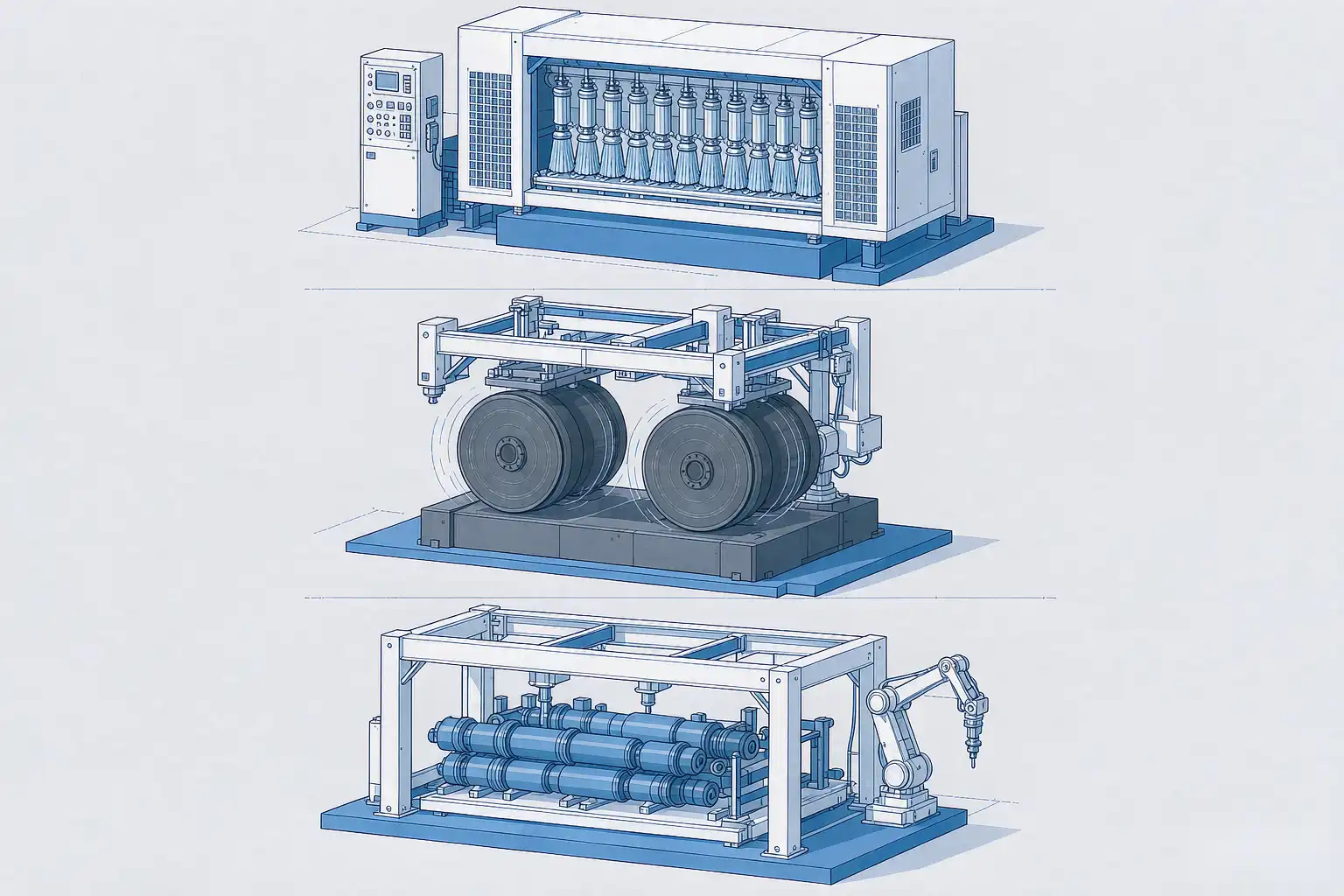
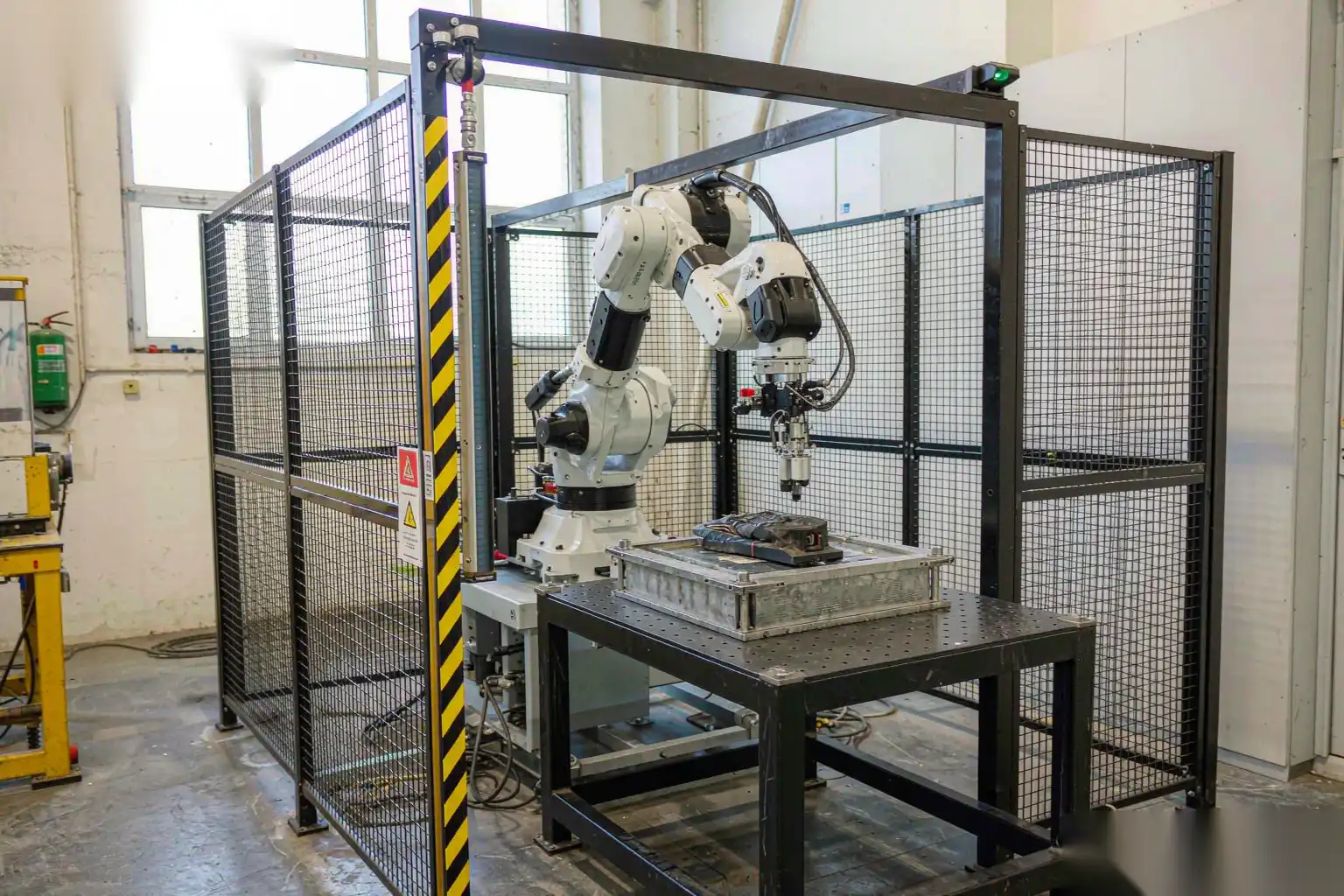
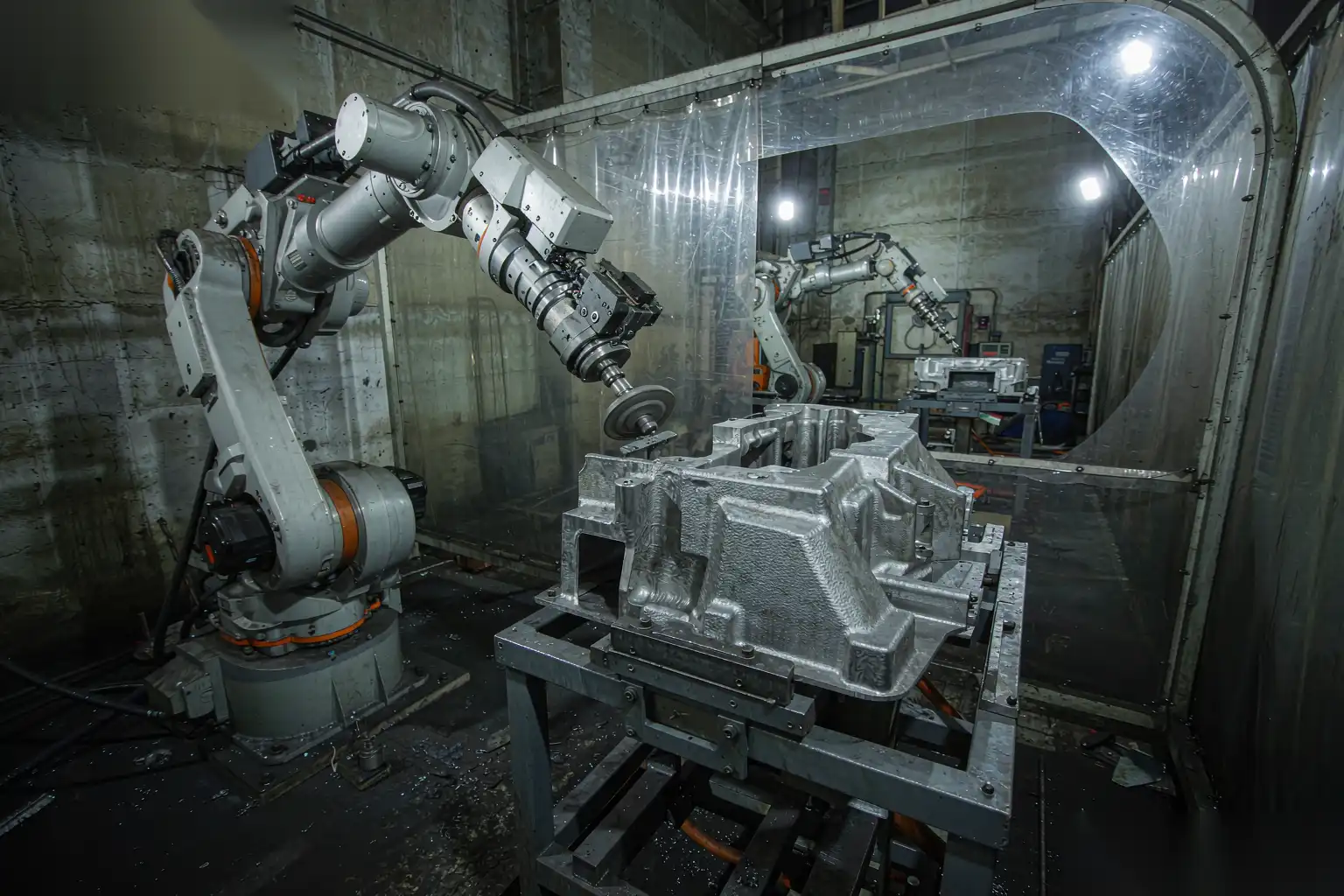
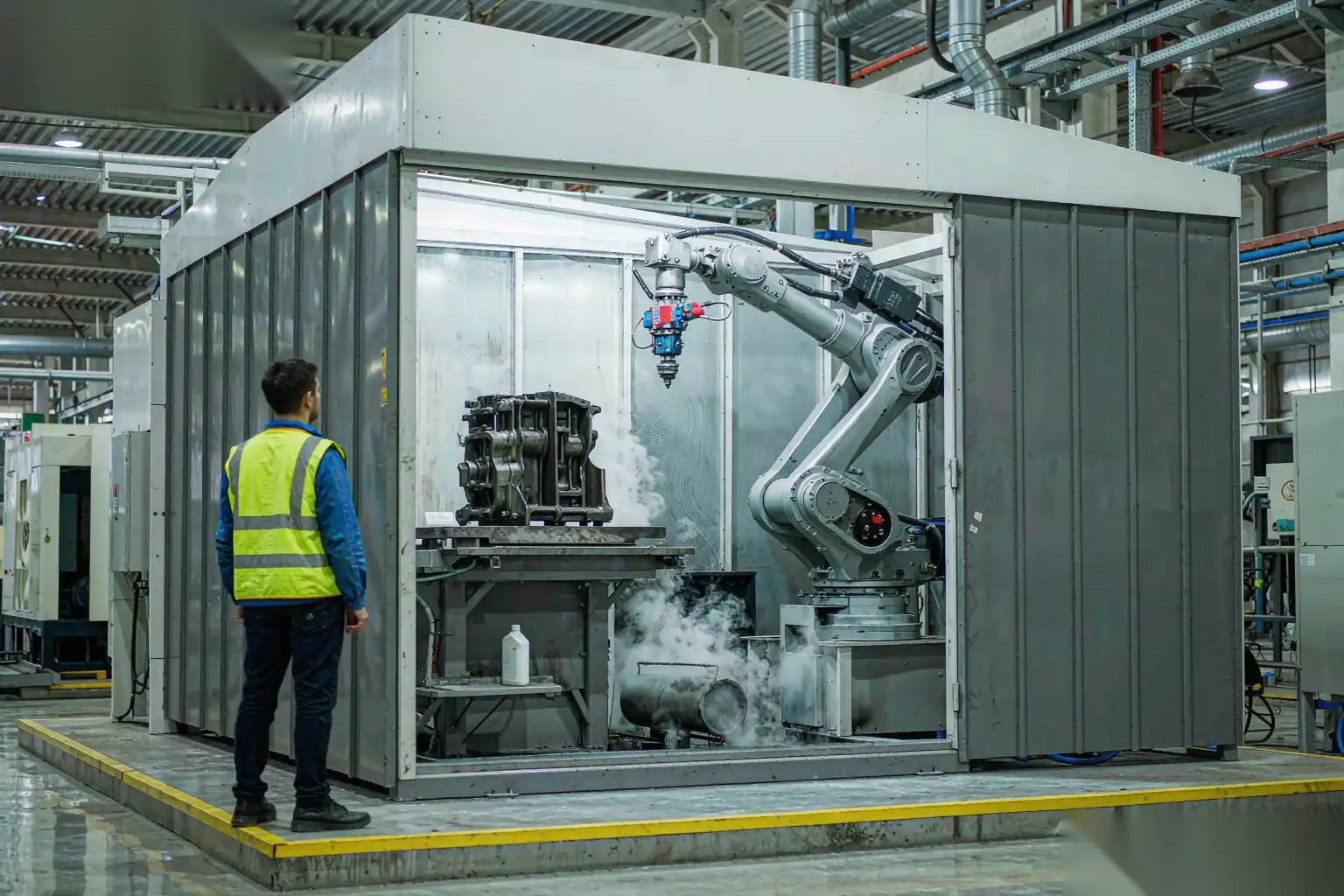
A brushing machine gives a consistent satin on flat leaves fast. A rotary wheel polisher builds bright on simple shapes. A robotic buffing cell reaches the knuckle and inside corner for a true mirror on complex hinges. The mirror discipline is the same one behind robotic faucet buffing Match the machine to the finish and the shape, not to the sales video.
The reach-the-corner problem is the same one we solve on angle valve polishing — tight radii decide the machine type.
What to Check Before You Buy
Finish Spec
Know the Ra and the look you sell. Satin, bright, and mirror need different wheels and sequences; the machine must run your sequence, not a generic one.
Datum and Fixture
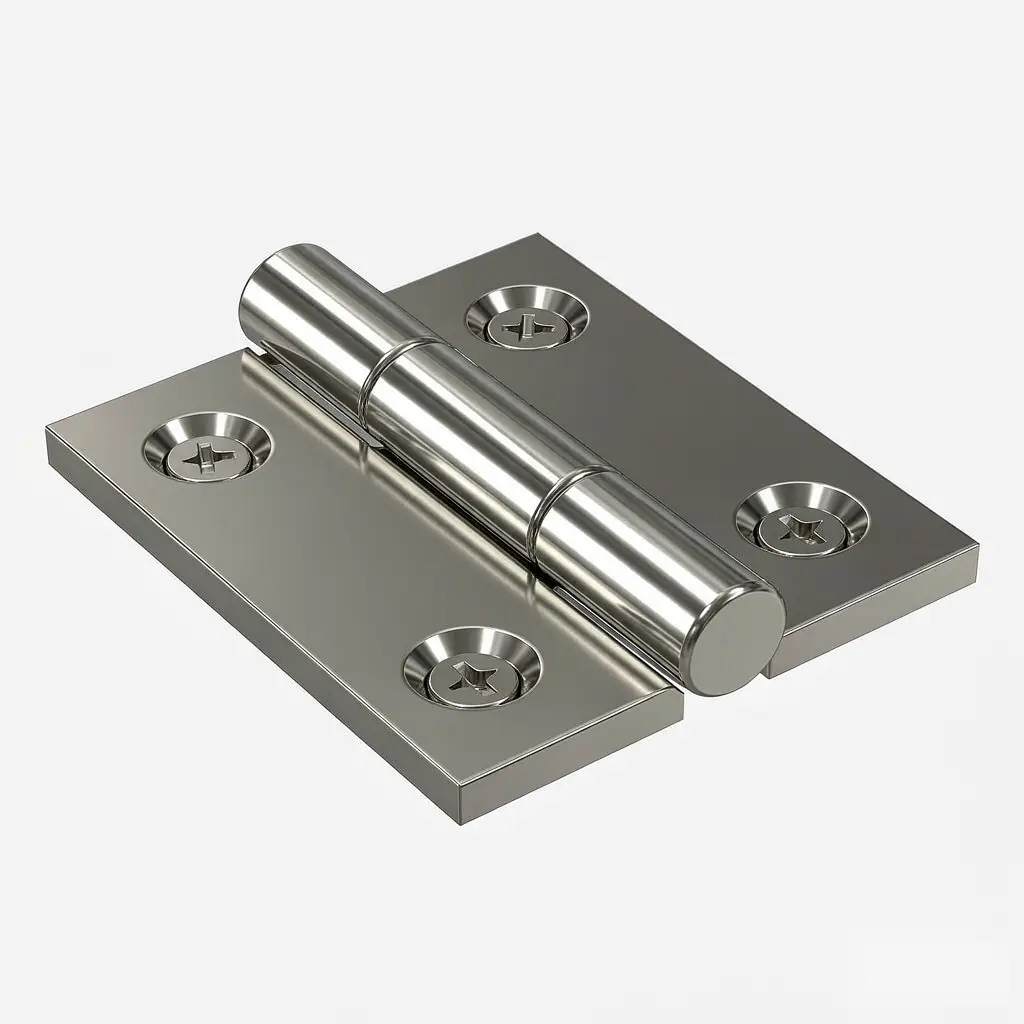
Locate the hinge so the robot or wheel meets every leaf and the knuckle. A loose fixture leaves the barrel dull while the leaves shine.
Changeover
If you run several hinge sizes, demand quick-change fixtures. A machine that needs an hour to swap a model stalls mixed-SKU production.
Three Mistakes Buyers Make
1. Buying for the demo finish. The video shows mirror; you sell satin. Buy for your finish, confirm on your part.
2. Ignoring the knuckle. The barrel corner is where most machines fail. Make the supplier prove the knuckle, not just the leaf.
3. Skipping force control on robotic cells. Fixed-path without force feedback leaves the leaves bright and the corners hazy. Force control holds the whole hinge even.
Frequently Asked Questions
Can one machine do satin, bright, and mirror?
Not well. A brushing machine satins; a buffing cell mirrors. Some cells switch sequences, but confirm the knuckle quality on each finish with your part before you believe it.
Is a robotic cell worth it for simple hinges?
If you sell mirror or run many shapes, yes — it reaches the corners a wheel misses. For flat satin leaves at high volume, a brushing machine is cheaper and plenty.
How do I verify the machine fits my hinge?
Send your actual hinge and finish spec, get a sample back, and measure the knuckle Ra. A supplier confident in the leaf but vague on the barrel is a warning.
This guide was prepared by the application engineering team at Xiamen Dingzhu Intelligent Equipment Co., Ltd. (DZ Machinery), which designs and commissions deburring, grinding, polishing, and die-casting lines for manufacturers across more than a dozen countries. Machine notes reflect typical hinge outcomes; confirm against your finish spec and hinge shape before purchase.
Tags: polishing, robotic polishing, robotic polishing machine, surface finishing, Metal Casting, brass