

Faucet Electroplating Line: How to Integrate with Automation
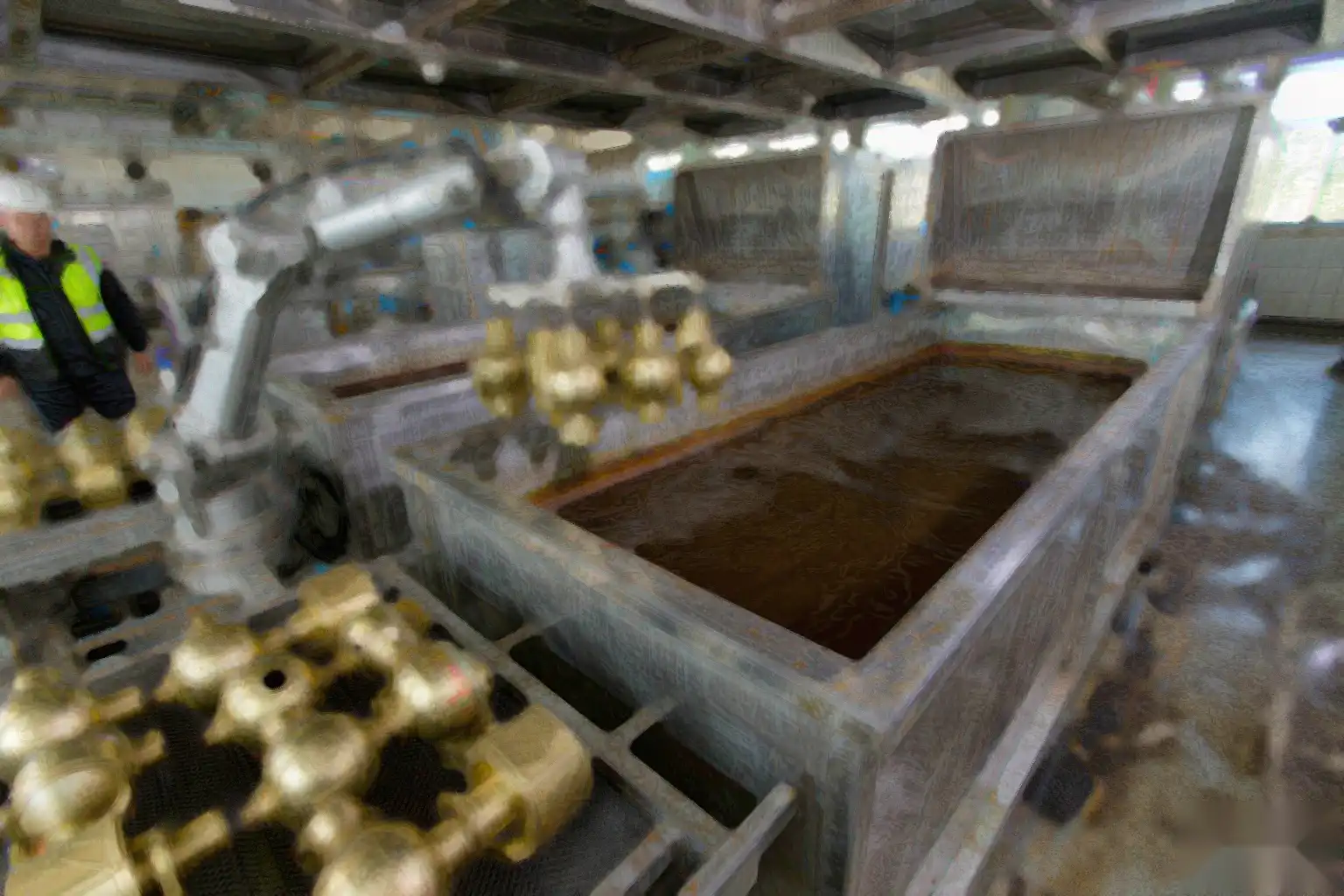
A faucet line can be fully automated right up to the plating tank and then fall apart. At a plant in Malaysia, the cells upstream ran steady all day, but the plating line ran in batches — operators racked parts by hand, the bath idled between loads, and finished bodies queued waiting for a rack. The automation upstream was real; the integration to plating wasn’t. Electroplating is chemistry you can’t robotize, but the handling around it — racking, transfer, unracking — is exactly where automation pays off.
This guide covers how to tie a plating line into an automated faucet line without creating a new bottleneck.
What Plating Actually Needs from the Line
The bath doesn’t care about robots. It cares about a steady, correctly prepared load arriving at the right time, at the right rate, with the right surface. The automation job is everything around the tank: delivering clean, consistent bodies, racking them without damage, moving them through the sequence, and unloading without marring the fresh plate.
Where Automation Helps Most
Racking and Unracking
Manual racking is slow and marks parts. Automated racking fixtures hold the body by a defined point, load the rack at line rate, and unrack without touching the finished face. This is the single biggest throughput and quality win at the plating step.
Transfer Timing
The bath runs best fed continuously, not in bursts. Automated hoists move racks on a fixed cycle so the tank never idles and never floods. The upstream cells keep it supplied instead of dumping batches.
Surface Prep Before Plate
Plating only sticks to a clean, even surface. The body must arrive from a consistent buff with no oils or orbits, or the plate blisters and you scrap after the most expensive step. Integration starts at finishing, not at the tank.
What You Can’t Automate — and Shouldn’t
The chemistry itself — bath composition, current density, temperature — stays under process control, not robotics. Automate the material flow; let the plater own the bath. The two are separate skills, and blurring them causes more failures than it solves. Our line design factors keep this boundary clear.
Three Mistakes Buyers Make
1. Automating the tank, not the handling. The hoists and racking are where the gain is. Don’t overspend on tank robotics and starve the line at the rack.
2. Letting the surface arrive dirty. If buffing upstream is inconsistent, plating reveals it as blister and peel. Fix finishing before blaming the bath.
3. Ignoring rack marks. A bad rack point leaves a bare spot that fails salt spray. Design the rack contact as a feature, not an afterthought.
Frequently Asked Questions
Can electroplating be fully automated?
The material handling — racking, transfer, unracking, and line feeding — can and should be automated. The bath chemistry stays under process control. Automating the flow around the tank is what removes the bottleneck; robotizing the chemistry is not the goal.
Why do my faucets blister after plating?
Almost always a surface problem upstream — oils, orbits, or an inconsistent buff that the plate can’t bond to. Fix the finish before the tank, and design the rack contact point so it doesn’t leave a bare spot.
Should plating be the last automated station?
It’s usually near the end, followed by assembly and test. Automate its feeding and racking so it runs at line rate; keep the bath under plater control. The line should feed plating continuously, not in batches.
This guide was prepared by the application engineering team at Xiamen Dingzhu Intelligent Equipment Co., Ltd. (DZ Machinery), which designs and commissions deburring, grinding, polishing, and die-casting lines for manufacturers across more than a dozen countries. Integration notes reflect typical faucet plating practice; confirm exact process against your finish spec, alloy, and supplier before purchase.
Tags: faucet, faucet manufacturing, faucet production line, automation, machine selection