

Gravity Die Casting vs Low Pressure: Which Method to Use?
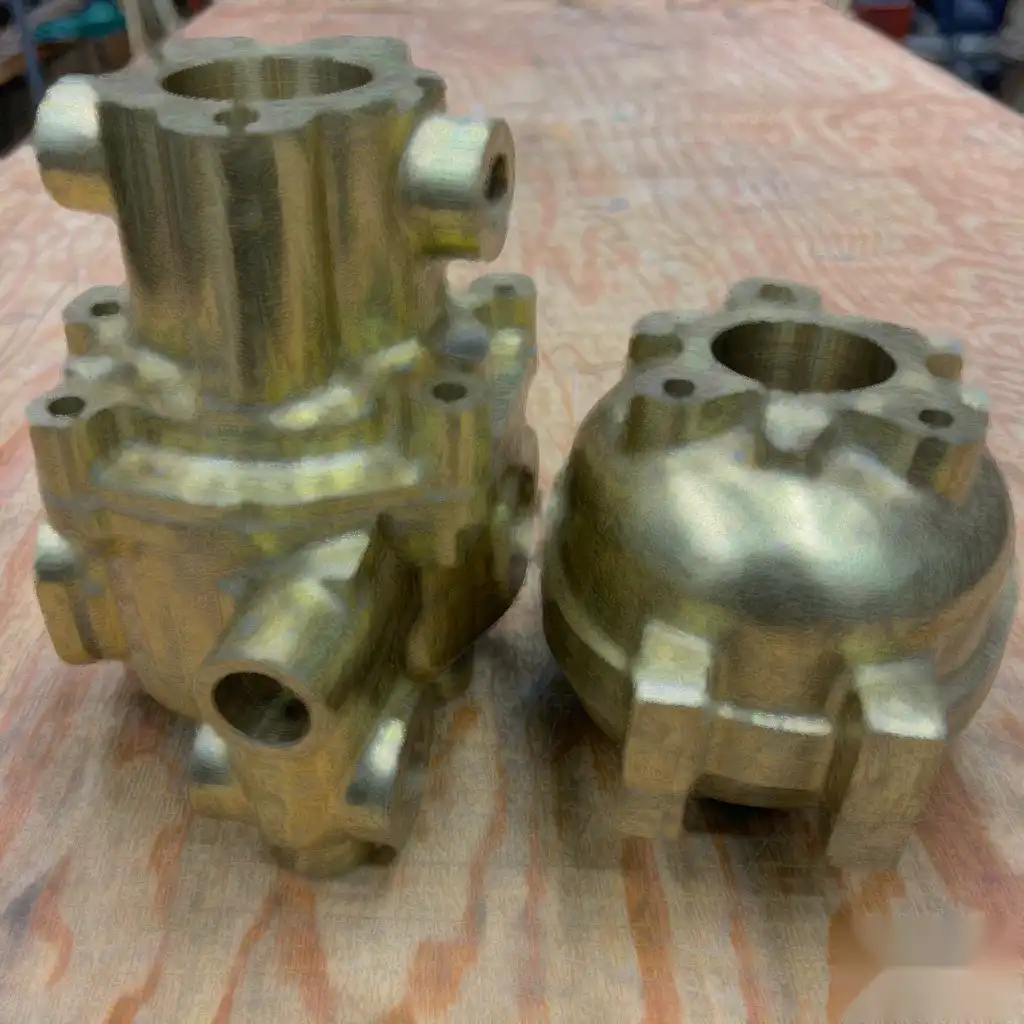
A plumbing hardware maker in Jordan called us last spring with a problem that sounds simple and isn’t. They make brass bodies for faucets and valves, and their manual gravity casting was capping their output and throwing scrap they couldn’t explain. “Everyone says low pressure is better,” the owner said. “But is it better for me?” That’s the right question. Gravity and low pressure aren’t rivals — they’re two tools, and the wrong one costs you money every single shift.
This guide walks through how each process actually behaves on the floor, where each one wins, and how to pick without guessing.
How Gravity Die Casting Works
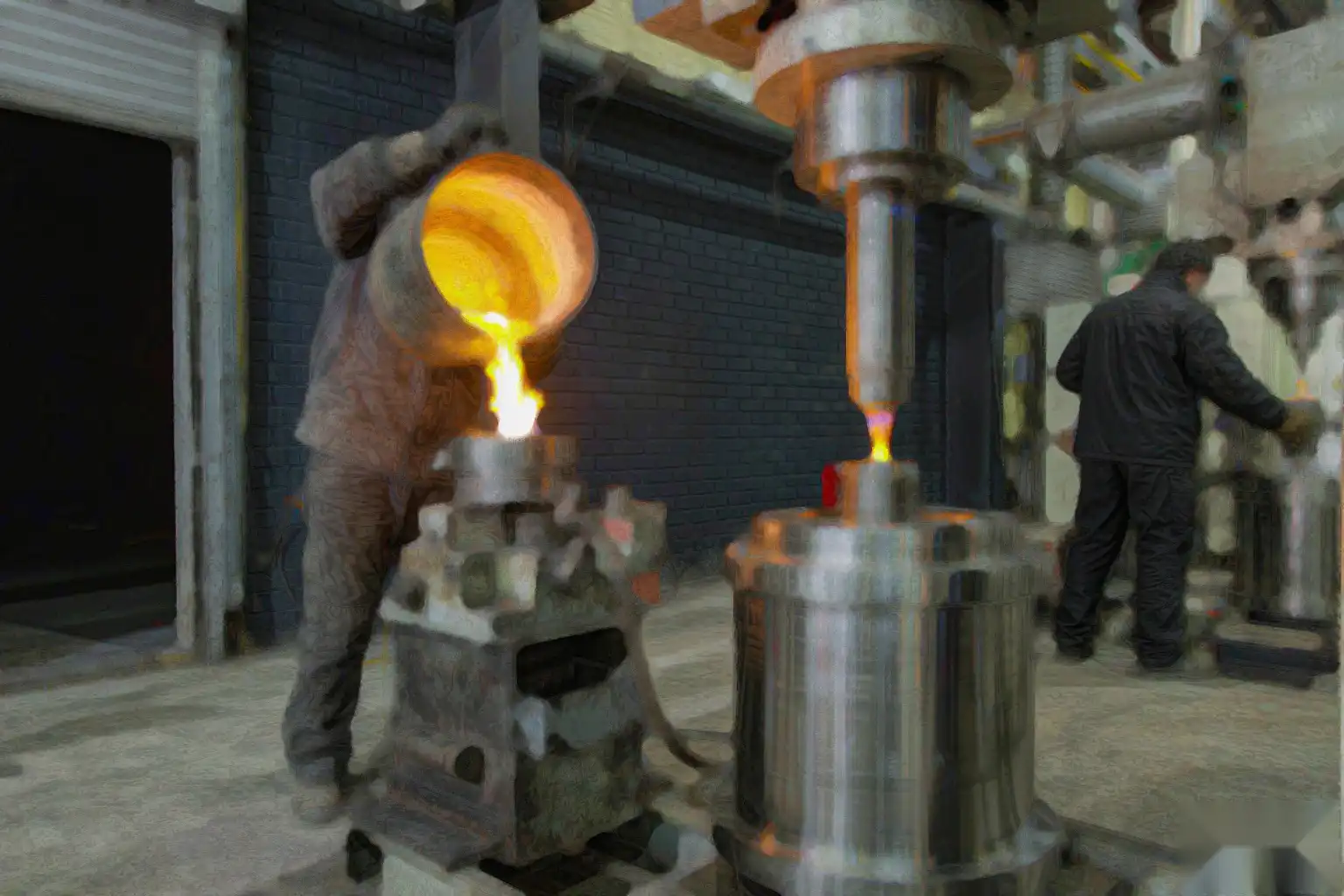
In gravity die casting, molten metal is poured by hand or through a simple launder into a permanent metal mold. There’s no pressure behind the fill except the weight of the metal itself. The mold is often pre-heated and coated, the cavity vents at the top, and the part solidifies from the bottom up as it would in any poured casting.
The appeal is honesty: the tooling is cheap, the cell is small, and an operator can learn it in days. For lower volumes and simpler shapes, gravity is hard to beat on capital. The limit is consistency. Pour speed, ladle temperature, and operator rhythm all vary, and those variations travel straight into the casting as cold shuts, misruns, and porosity near the last-filled section.
How Low Pressure Die Casting Works
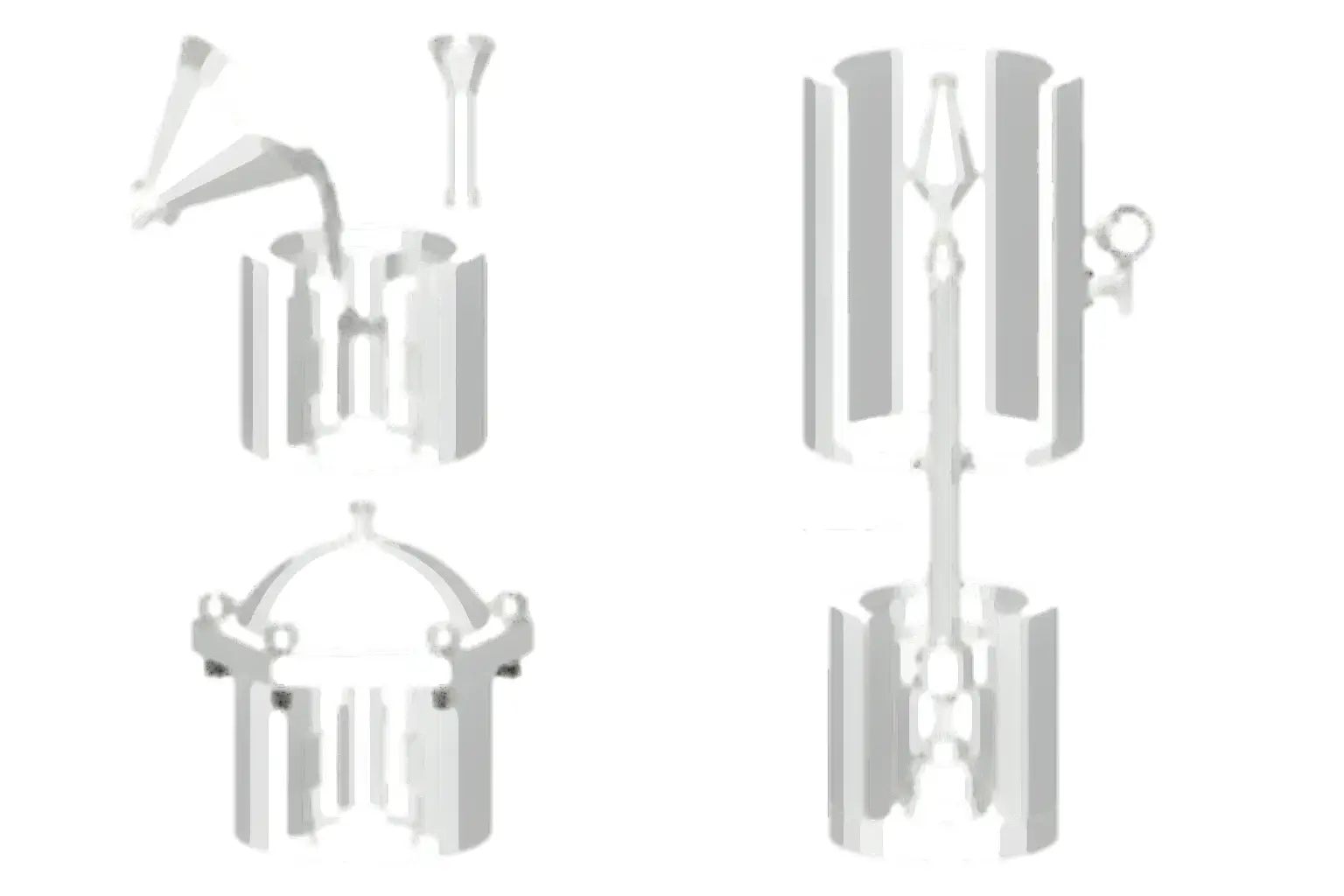
Low pressure die casting (LPDC) turns the same permanent mold upside down — literally. A sealed furnace sits below the mold, and a riser stalk connects the melt to the cavity. Low air pressure (typically half a bar) pushes the metal up the stalk and into the mold in a slow, controlled, directional fill. As it solidifies, the still-pressurized stalk feeds it, so shrinkage ends up in the stalk, not the part.
That controlled fill is the whole story. LPDC gives you a dense, sound part with far less porosity than gravity pouring, and it does it with less operator skill. If you want the deeper setup detail, our notes on setting up an LPDC line cover layout and utilities.
Where Each Method Wins
Volume and Repeatability
Below a few thousand good parts a month, gravity’s low tooling cost usually wins the math. Above that, LPDC’s consistency and yield pull ahead fast — you’re not paying operators to babysit pours, and you’re not scrapping parts for fill defects you can’t see until machining.
Wall Thickness and Geometry
LPDC fills thin, complex, and asymmetric sections that gravity simply won’t reach without laps and misruns. If your part has long thin walls or hidden ribs, gravity will fight you. For chunky, simple, symmetric bodies, gravity is perfectly happy.
Mechanical Properties
Because LPDC solidifies directionally with live feeding, the casting is denser and the yield strength is more predictable part to part. For pressurized faucet and valve bodies that have to hold without leaking, that consistency is what lets you skip 100% proof testing.
Labor and Floor Space
Gravity needs a steady hand and a warm, noisy cell. LPDC needs one operator to tend several molds and a furnace you can largely automate. If labor is your bottleneck, LPDC removes people from the hot work.
The Hidden Cost Everyone Forgets
Gravity looks cheaper until you add scrap, rework, and the proof-test station you built to catch bad pours. LPDC looks expensive until you subtract those. The honest comparison isn’t machine price — it’s cost per good part out the door. On thin-walled brass bodies at volume, LPDC usually wins that number even though the cell costs more up front.
If you’re deciding between the two for a new line, our gravity die casting benefits guide lays out the foundry-side trade-offs in plain terms.
Three Questions to Settle It
1. What’s your monthly good-part target, and how thin are the walls? Thin + high volume points to LPDC. Thick + low volume points to gravity.
2. Can you tolerate porosity variability? If the part is structural or pressure-bearing, LPDC’s directional feed removes a whole class of defects. Gravity keeps that risk in the operator’s hands.
3. What does your labor picture look like in 18 months? If hiring and keeping casters is hard, LPDC protects you. If skilled pourers are cheap and plentiful locally, gravity’s simplicity still has a place.
Frequently Asked Questions
Is low pressure die casting always better than gravity?
No. For low volumes, thick simple parts, and shops with cheap skilled labor, gravity’s low tooling cost and simplicity win. LPDC wins on thin walls, high volume, and pressure-bearing parts where consistency and yield matter most.
Can I run both methods on one line?
Not on the same cell, but many faucet makers run gravity for bridge and prototype volumes and LPDC for production. The mold design and furnace are different, so plan them as two cells that share finishing.
Which gives better surface finish?
Both depend on mold coating and temperature more than on the process. LPDC tends to show fewer fill-related marks because the fill is controlled, but a well-run gravity cell can match it on simple geometry.
This guide was prepared by the application engineering team at Xiamen Dingzhu Intelligent Equipment Co., Ltd. (DZ Machinery), which designs and commissions deburring, grinding, polishing, and die-casting lines for manufacturers across more than a dozen countries. Process descriptions reflect typical foundry practice; confirm exact parameters against your alloy, part, and supplier before purchase.
Tags: gravity die casting, low pressure die casting, die casting, die casting process, foundry, machine selection, die casting selection