

Die Casting Automation: How to Reduce Defects and Scrap
A zinc die caster in Poland came to us after a bad quarter. Their scrap rate had crept from 4% to 11%, and nobody could say why. Same alloy, same molds, same shift pattern. What had changed was the people — experienced operators had left, and the new crew tuned the machines by feel. That’s the quiet truth about die casting defects: most of them are not machine problems, they’re variability problems. Automation is how you take that variability out of the loop.
This guide covers where automation actually cuts scrap, and where it only hides the real cause.
Where Scrap Really Comes From
Before buying anything, name the defect. The usual suspects in die casting are cold shut, porosity, flash, short fill, and hot cracks. Almost all of them trace back to one of three things: inconsistent shot parameters, inconsistent metal temperature, or inconsistent extraction and cooling. A human tending six machines cannot hold all three constant across a shift. Automation can.
Automation Levers That Cut Defects
Locked Shot and Fill Parameters
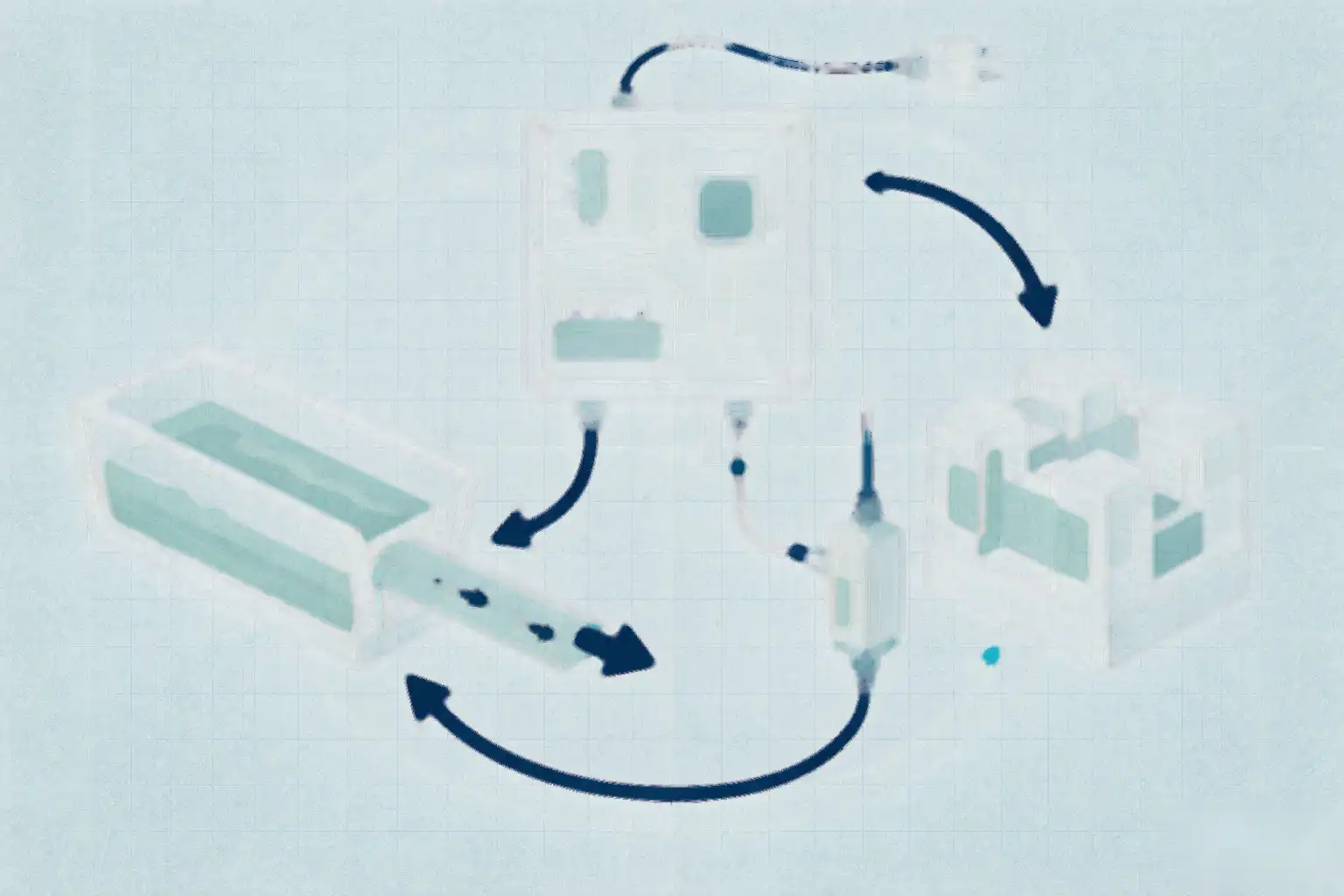
The biggest single win is removing per-operator tuning. A modern automatic die casting machine stores recipes per part — injection speed, pressure, intensification, and dwell — and runs them identically every cycle. No more “Tuesday feel.” The thousandth shot matches the first, so cold shut and short fill stop being random events.
Stable Metal Temperature
Porosity loves a cold or fluctuating melt. Automated ladling or a maintained holding furnace keeps the pour temperature in a tight band instead of swinging with the ladle. If you’re fighting porosity, look at temperature first — it’s cheaper to fix than the machine.
Controlled Cooling and Extraction
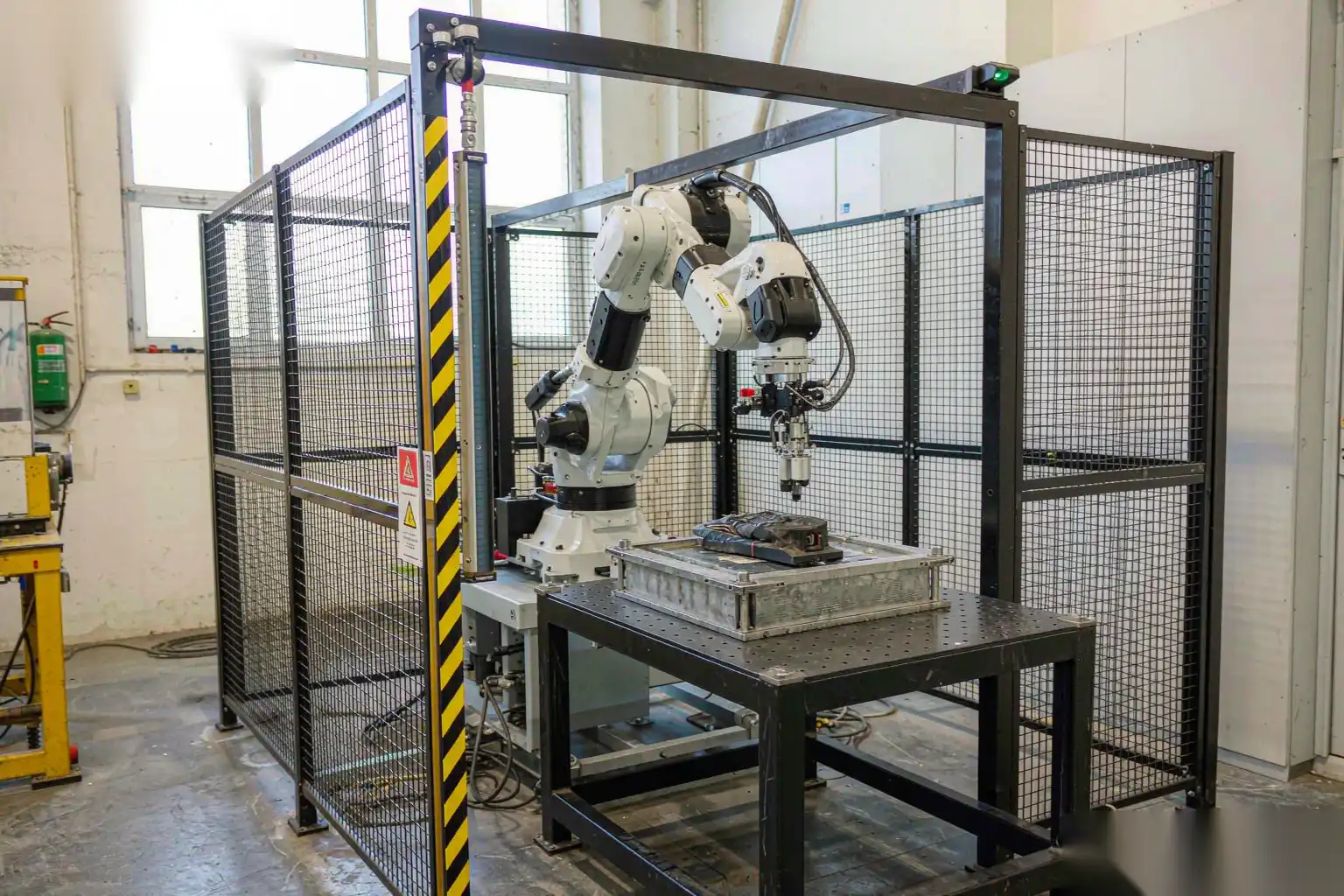
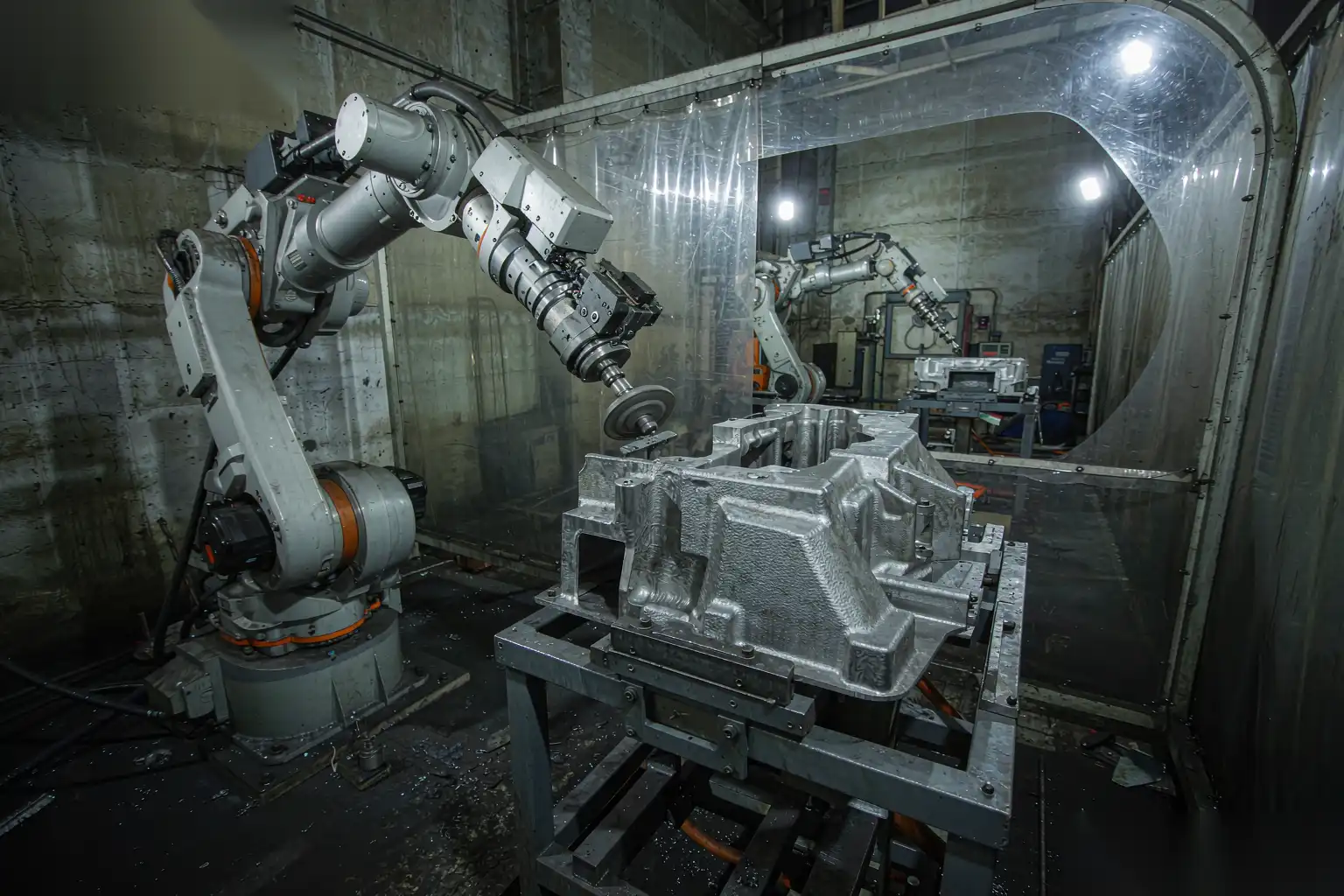
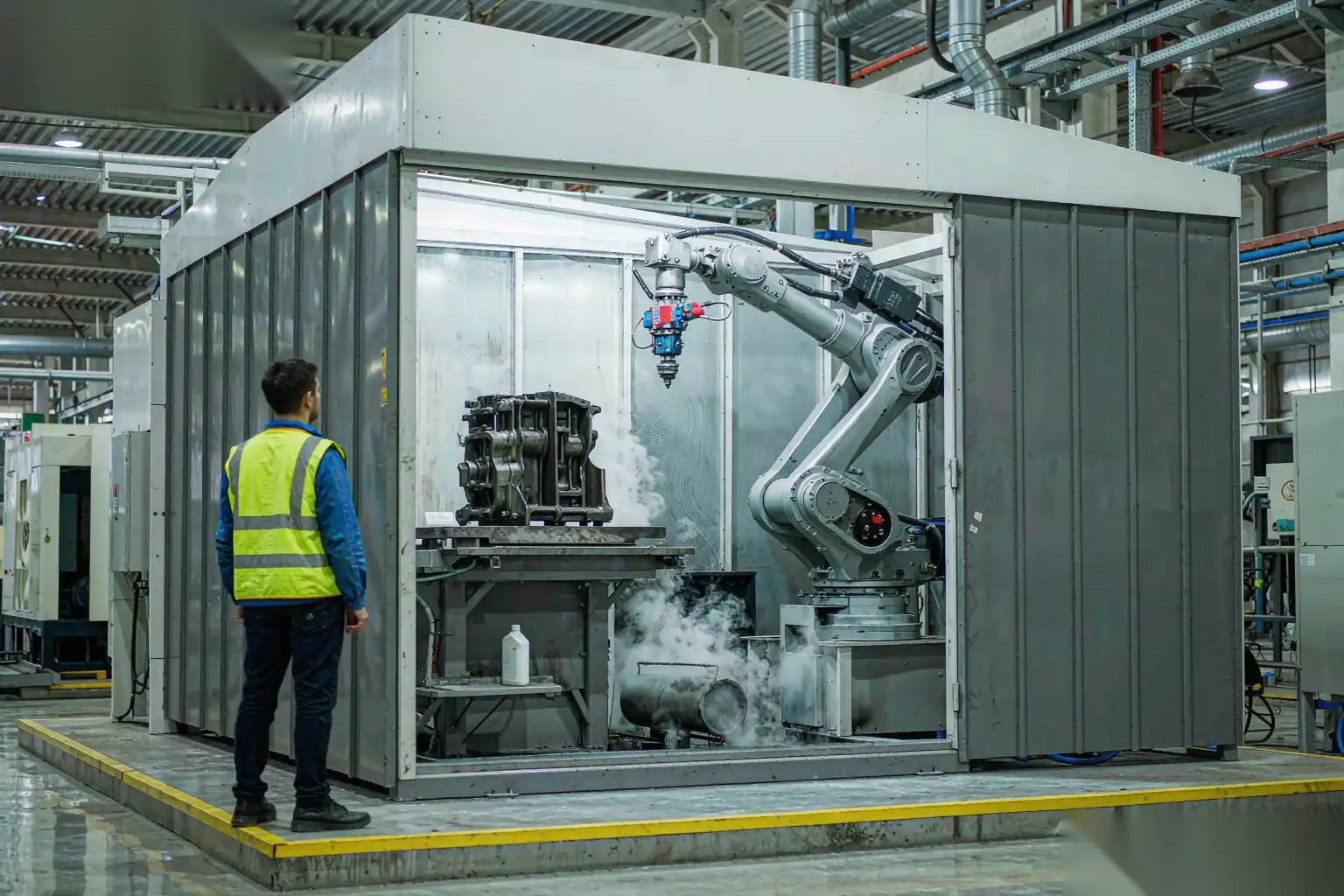
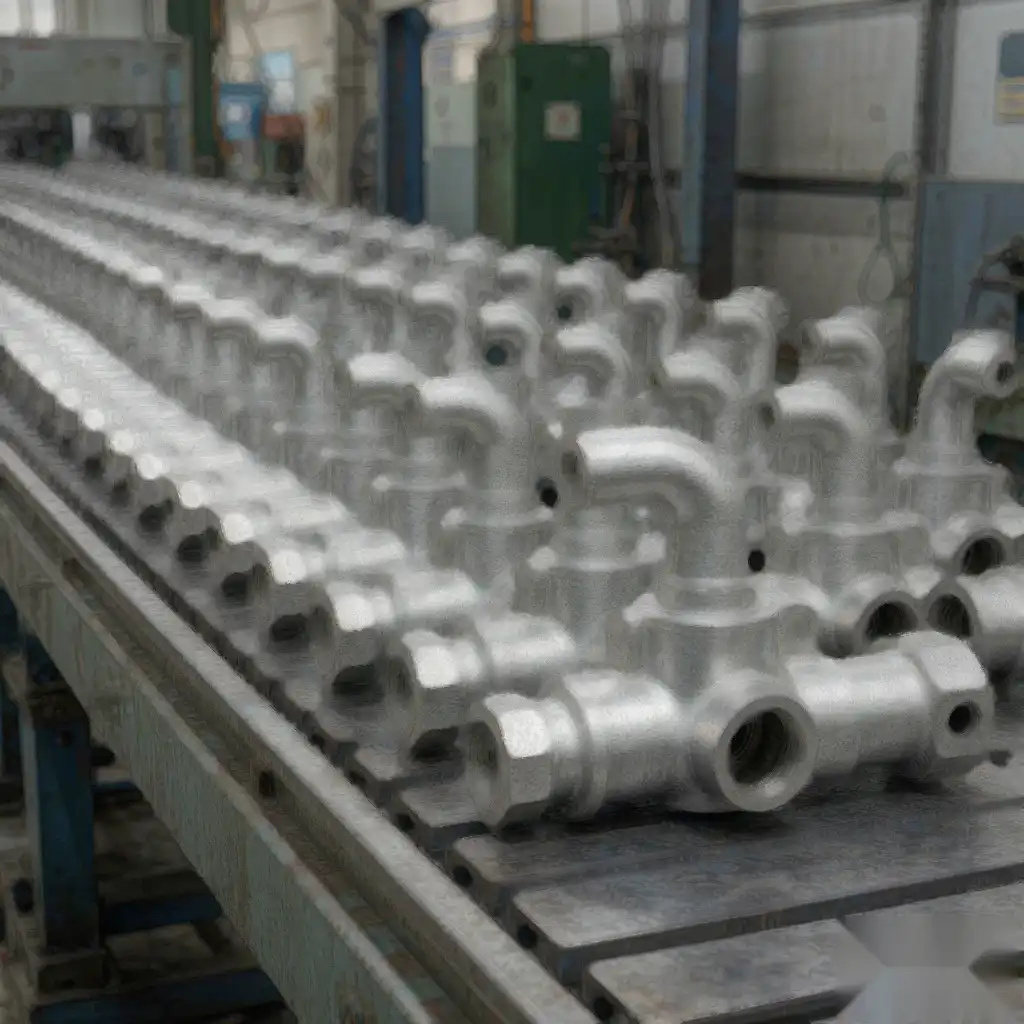
Warped parts and hot cracks come from pulling a casting before it’s ready or cooling it unevenly. Robotic extraction holds the part, sprays the mold on a fixed cycle, and releases at a consistent temperature. The part comes out the same shape every time, which also protects your trimming and finishing downstream.
Early Defect Detection
Automation isn’t only the machine — it’s the sensor. Vision or simple gauges at the cell can catch a cold shut or a missing feature before the part moves on, so you scrap one part instead of a thousand. This is the step most shops skip and then blame the caster for.
What Automation Will NOT Fix
This is the part buyers miss. Automation amplifies a good process and exposes a bad one. If your mold venting is wrong, your gating is poor, or your alloy is contaminated, a robot will make bad parts faster and more consistently. Automate the process after you’ve fixed the root cause, not instead of it.
If your scrap is tooling-related, our machine maintenance guide covers the checks that keep a cell honest before you add robots.
A Practical Scrap-Reduction Path
1. Measure first. Log defects by type and shift for two weeks. You cannot reduce what you haven’t named.
2. Fix the cheap causes. Temperature control, venting, and gating are often 80% of the problem and cost little.
3. Lock parameters with recipes. Move shot and fill control off the operator and into the controller.
4. Add extraction and sensing. Robotic extraction plus at-cell inspection removes the two remaining human variables.
5. Close the loop. Feed defect data back into the recipe so the cell keeps improving.
Frequently Asked Questions
Will automation eliminate all die casting scrap?
No. It removes human variability — the largest source of random defects — but it cannot fix bad gating, poor venting, or contaminated alloy. Treat automation as the last step, after root causes are fixed.
How much scrap reduction is realistic?
Shops that move from manual tuning to locked recipes plus stable temperature typically cut random scrap by roughly half. The exact number depends on how much of your scrap was variability versus tooling.
Do I need robots to reduce defects?
Not fully. Recipe-locked shot control and stable metal temperature alone remove most variability. Robotic extraction and at-cell sensing add consistency and early catch, but they’re the second wave, not the entry point.
This guide was prepared by the application engineering team at Xiamen Dingzhu Intelligent Equipment Co., Ltd. (DZ Machinery), which designs and commissions deburring, grinding, polishing, and die-casting lines for manufacturers across more than a dozen countries. Figures reflect typical foundry outcomes; confirm exact targets against your part, alloy, and supplier before purchase.
Tags: die casting, die casting defects, casting defects, die casting machine, automation, die casting quality, machine selection