

Core Shooting Machine Price: What Should You Budget For?
A foundry owner in Indonesia forwarded us a quote for a core shooting machine and asked the only sensible question: “Is this a good price?” The number on the page meant nothing by itself. The quote covered the machine but not the core box, the installation, the compressed air upgrade, or the training his crew would need — and those gaps were most of the real cost. If you’re budgeting for one, this guide breaks the price into what you actually pay, not what the brochure shows.
What Drives the Machine Price
The base machine price moves with a handful of variables, and knowing them is how you read a quote:
Core Box Size and Shooting Force
Bigger boxes and higher shooting pressure need a bigger frame, a stronger blow system, and more robust tooling. A machine sized for small valve cores is a different animal — and price — from one shooting large manifold cores.
Automation Level
Manual clamp and ejection cost less than powered, programmable, robotic extraction. Semi-auto removes most human error; full auto pays off once volume justifies it. Buy the level your order book supports, not the max.
Binder Process
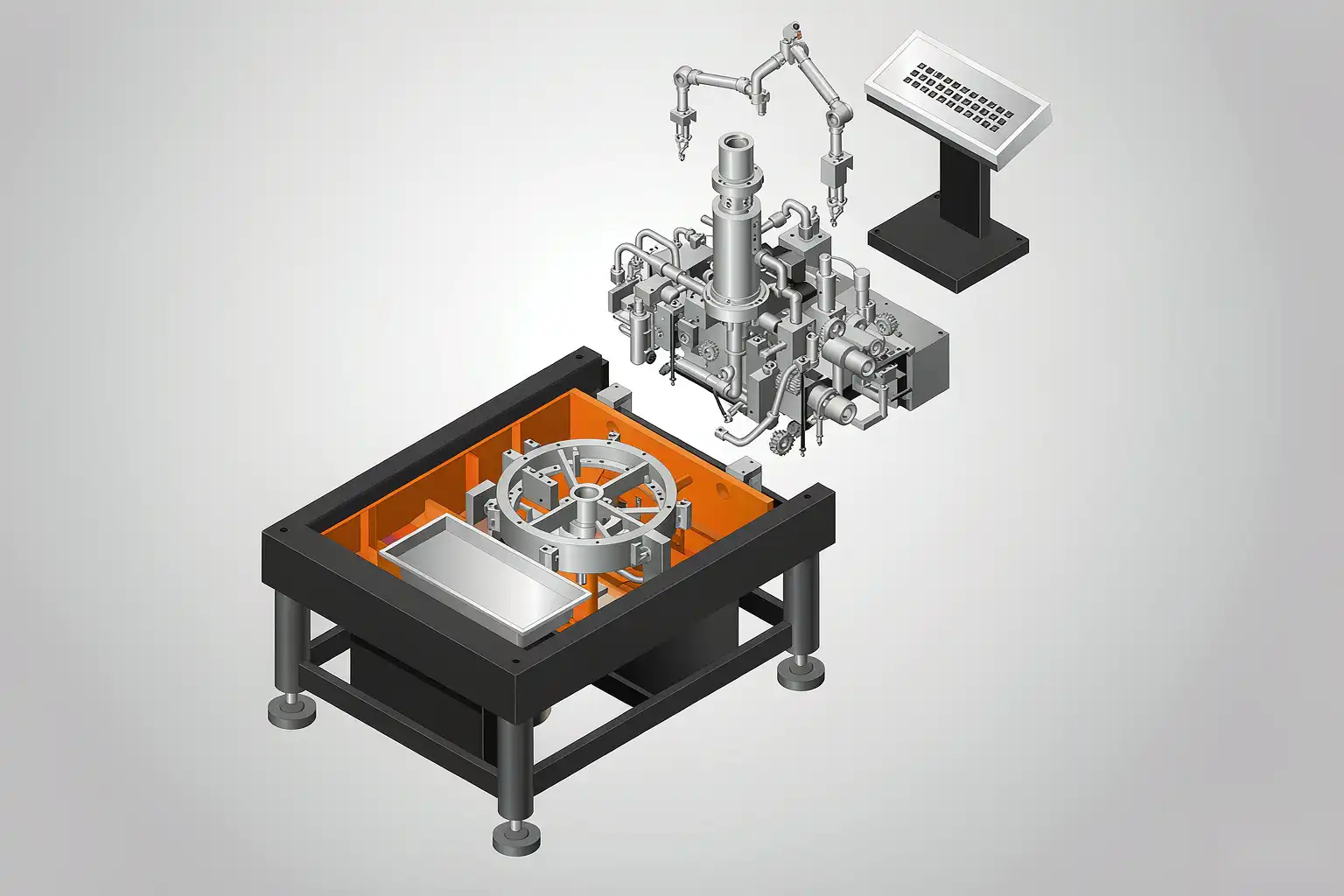
Hot-box, cold-box, and inorganic machines share similar hardware but differ in box heating, gassing, and emissions kit. Inorganic systems add fume treatment. The process you can support on site is part of the price, not an extra you can skip. For how each process affects the cores themselves, our guide to the automatic core shooting machine walks through the quality side.
Controls and Recipe Management
A controller that stores per-core recipes and reports trends costs more than a basic timer — and earns it in consistency. Treat it as part of the machine, not an add-on.
The Hidden Costs Nobody Puts on Page One
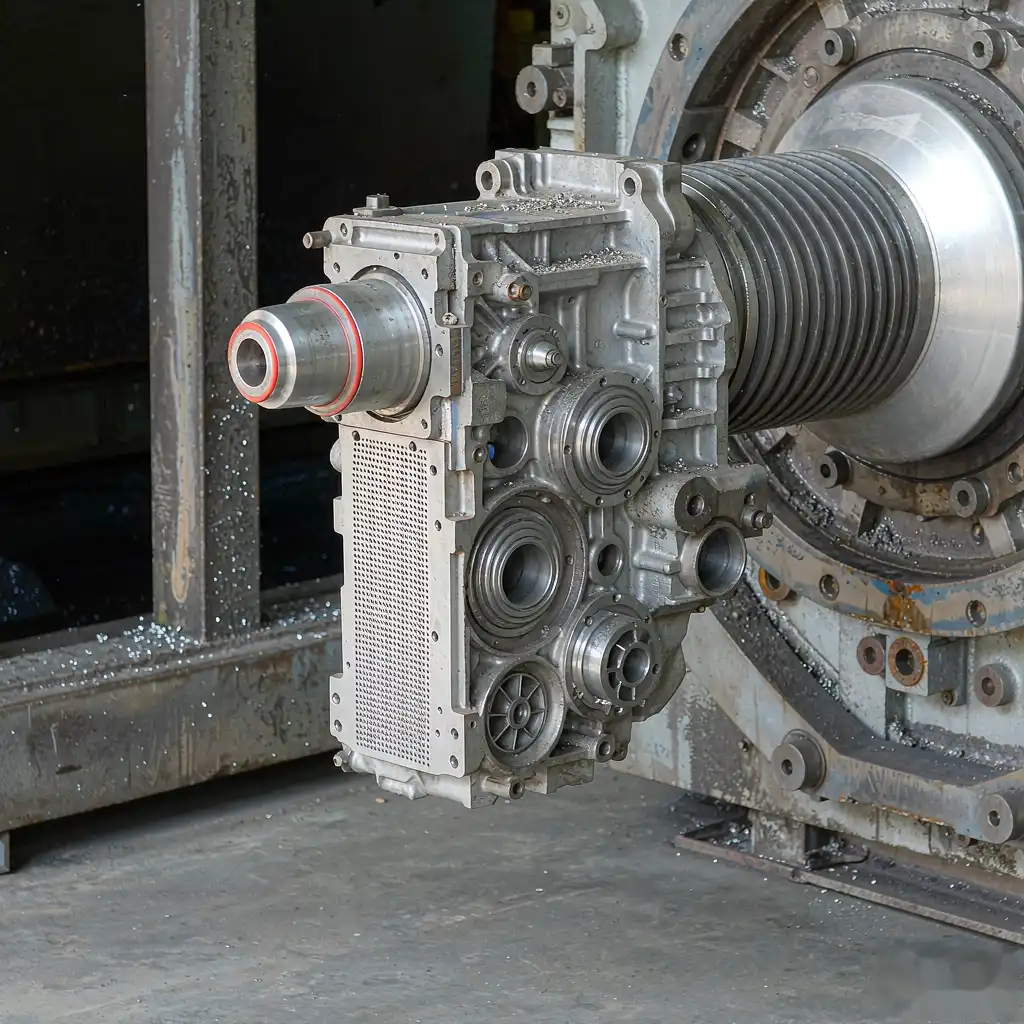
The machine is the smallest line in the real budget. Budget for:
- Core box tooling — often priced separately, and the part that decides quality
- Installation and commissioning — rigging, utilities, calibration, start-up
- Utilities upgrade — compressed air, exhaust, sometimes power
- Operator training — furnace safety and fill recipes, built into the project
- Consumables — sand, binder, and box wear over the life of the cell
Ignoring these is how a “cheap” quote becomes the expensive one. Our notes on in-house versus outsourcing put the labor saving in numbers you can budget against.
Budget for Total Cost, Not Ticket Price
The question that matters is cost per good core across the run — machine, tooling, energy, labor, scrap, and rework. A lower ticket with weak blow control or a pricey box may cost more per core than a higher ticket that runs clean. Ask every supplier for the same scope so you’re comparing like with like.
Three Budgeting Mistakes
1. Comparing machine-only quotes. Make suppliers quote machine, box, install, and training together, or you’re comparing different things.
2. Undersizing utilities. The air and exhaust upgrade is real money. Budget it or the cell won’t run to spec.
3. Skipping training. A core shooter run by an untrained crew wastes the machine’s consistency advantage. Train into the budget from day one.
A Pre-Budget Checklist
- Core box size and typical shooting force you need
- Automation level matched to monthly volume
- Binder process your site can support, with fume treatment
- Core box tooling quoted separately and owned by you
- Installation, utilities upgrade, and training in the number
- Cost per good core, not just the ticket price
Frequently Asked Questions
How much does a core shooting machine cost?
The machine is only part of it. Real cost includes the core box, installation, utilities upgrade, training, and consumables. Budget total cost per good core, not the ticket price.
Why is the core box often quoted separately?
Because it’s tooling specific to your part, and it decides quality. A good box is an investment you own; a worn one throws scrap no matter how fast the machine runs.
Is a cheaper machine worth it?
Only if it holds consistency on your cores. A lower ticket with weak blow control or a pricey box often costs more per good core than a better-specified machine that runs clean.
This guide was prepared by the application engineering team at Xiamen Dingzhu Intelligent Equipment Co., Ltd. (DZ Machinery), which designs and commissions deburring, grinding, polishing, and die-casting lines for manufacturers across more than a dozen countries. Price ranges above reflect typical practice; confirm exact scope against your supplier’s full quote.
Tags: die casting, die casting machine, foundry, die casting cost, buying, machine selection