

A brass foundry we visited in Egypt was making valve bodies by hand-ramming sand cores. The operators were skilled, but every core was a little different — a tenth of a millimeter here, a soft edge there — and those differences showed up as scrap after casting: misruns, shifted bores, rough internal walls. They were hiring more people to make more cores and still falling behind. We put an automatic core shooting machine on the line. Within two weeks the core-to-core variation was below what their calipers could easily detect, and the scrap that had been a monthly headache nearly disappeared.
If your casting has an internal cavity — a passage, a hollow, a blind hole — you need a core, and how you make that core decides a surprising amount of your final quality. Here’s what a core shooter actually does and why it moves the needle.
What a Core Shooting Machine Does
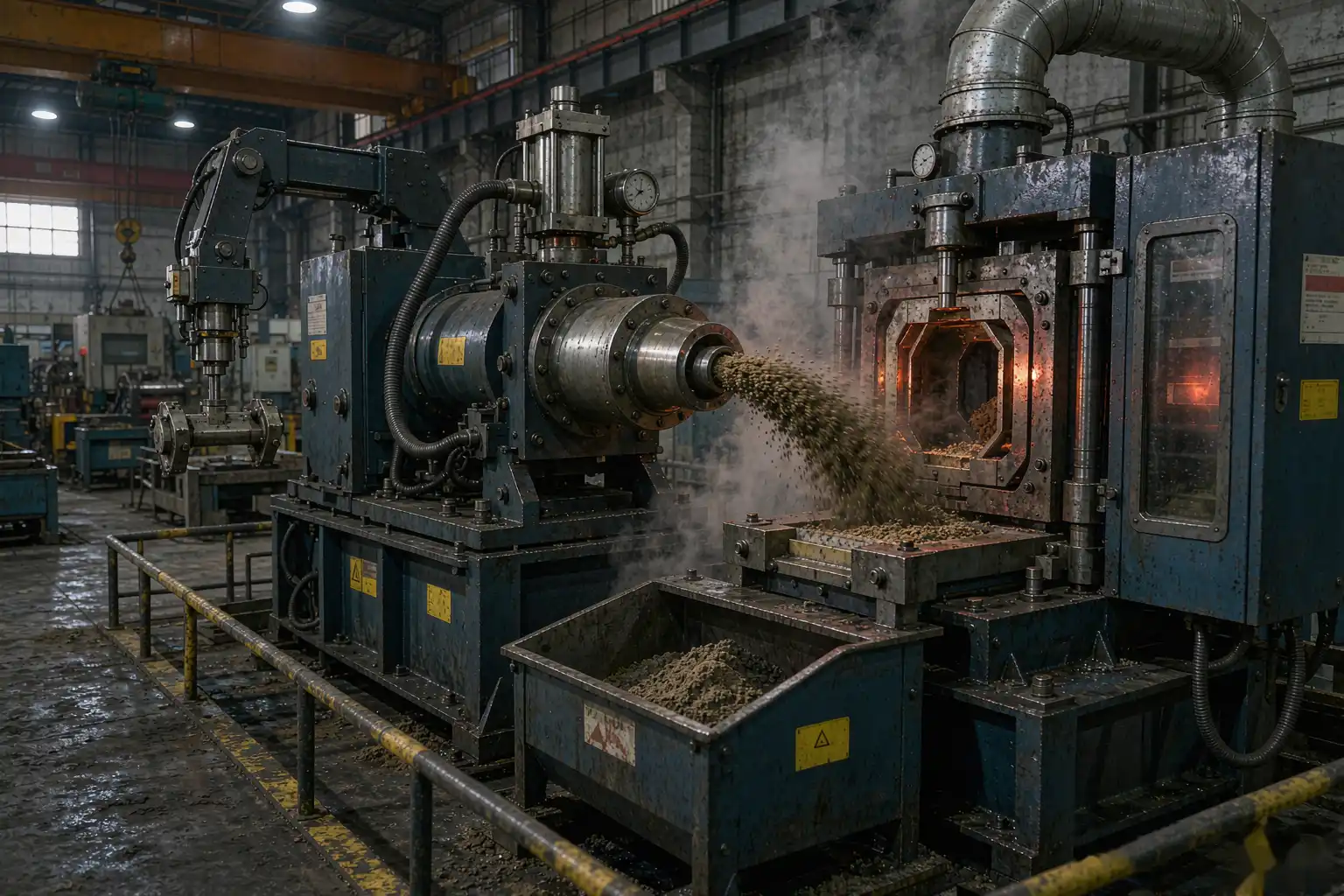
A core is the sand shape that creates a hollow inside a casting. Making one by hand means packing sand into a box and hoping it’s uniform. A core shooter does it differently: it blows a sand-and-binder mixture into a heated core box at pressure, the heat cures the binder in seconds, and the finished core ejects cleanly. No ramming, no guessing, no operator-dependent packing.
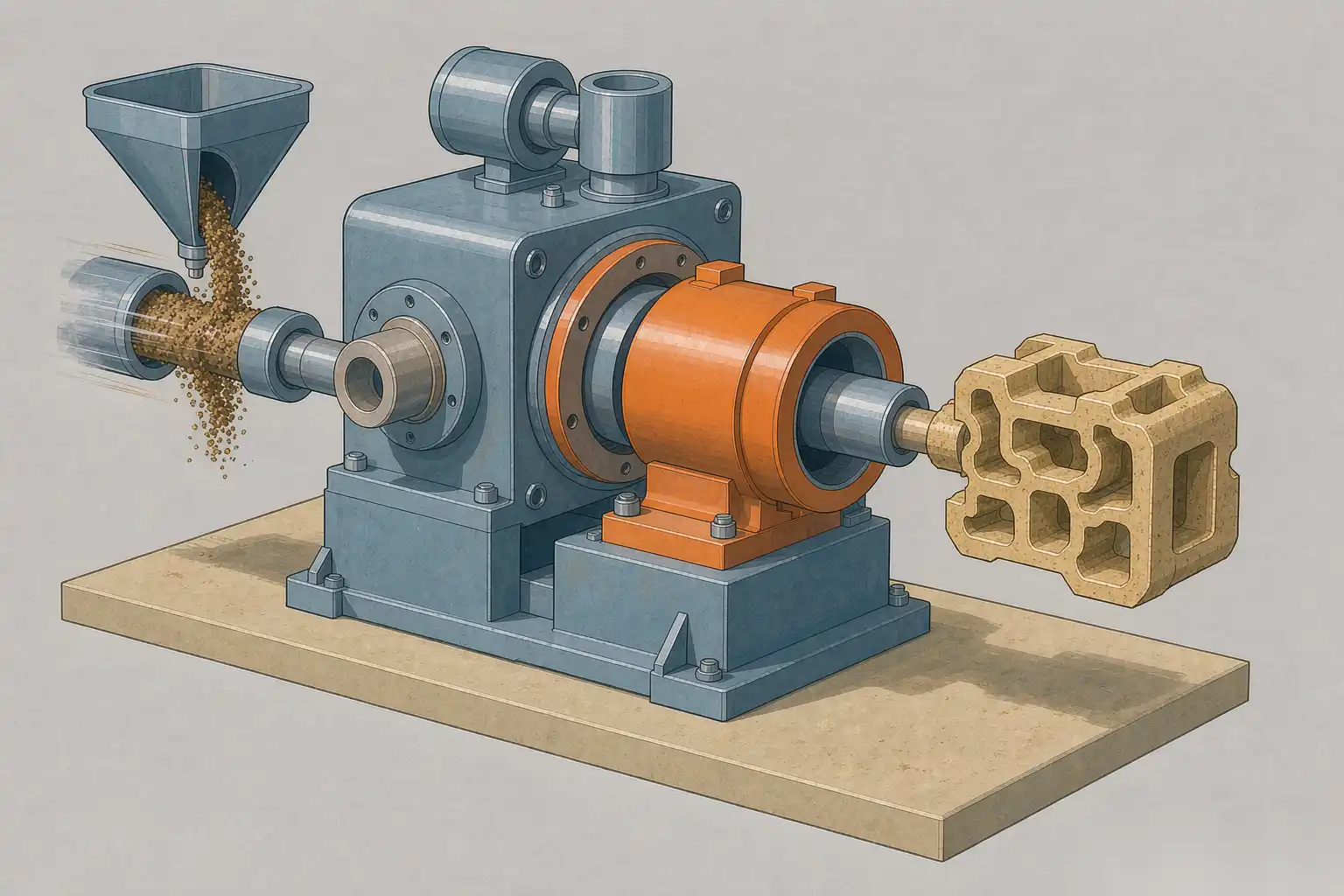
The “shooting” step is the whole point. The sand fills the box in one fast, even pulse, so dense and intricate shapes that a person could never pack by hand come out consistent every time.
How It Improves Casting
Consistent Core Dimensions
This is the headline benefit. A well-tuned shooter holds core dimensions repeatably, typically within a fraction of a millimeter run to run. When the core is the same every time, the bore is the same every time, and your casting scrap from shifted or soft cores drops. For a foundry quoting tight tolerances, that consistency is what lets you hit the print without sorting parts.
Faster Cycle, Far Less Labor
One shooter replaces several manual coremakers for most geometries, and it doesn’t tire. A core that took a person minutes to ram and strip is made in seconds and ejected automatically. On a two-shift line that’s not just speed — it’s labor you can move to finishing or inspection, where it earns more. If you’re weighing automation against staying manual, our in-house vs outsourcing cost model frames the trade-off in numbers.
Complex Cores Become Possible
Hand ramming limits you to simple, pullable shapes. Shooting lets you make hollow, thin, and deeply undercut cores — the internal geometries that define modern valve, manifold, and engine parts. If a part’s cavity is too complex to ram, a shooter isn’t a luxury; it’s the only way to make the part at all.
Better Casting Surface and Accuracy
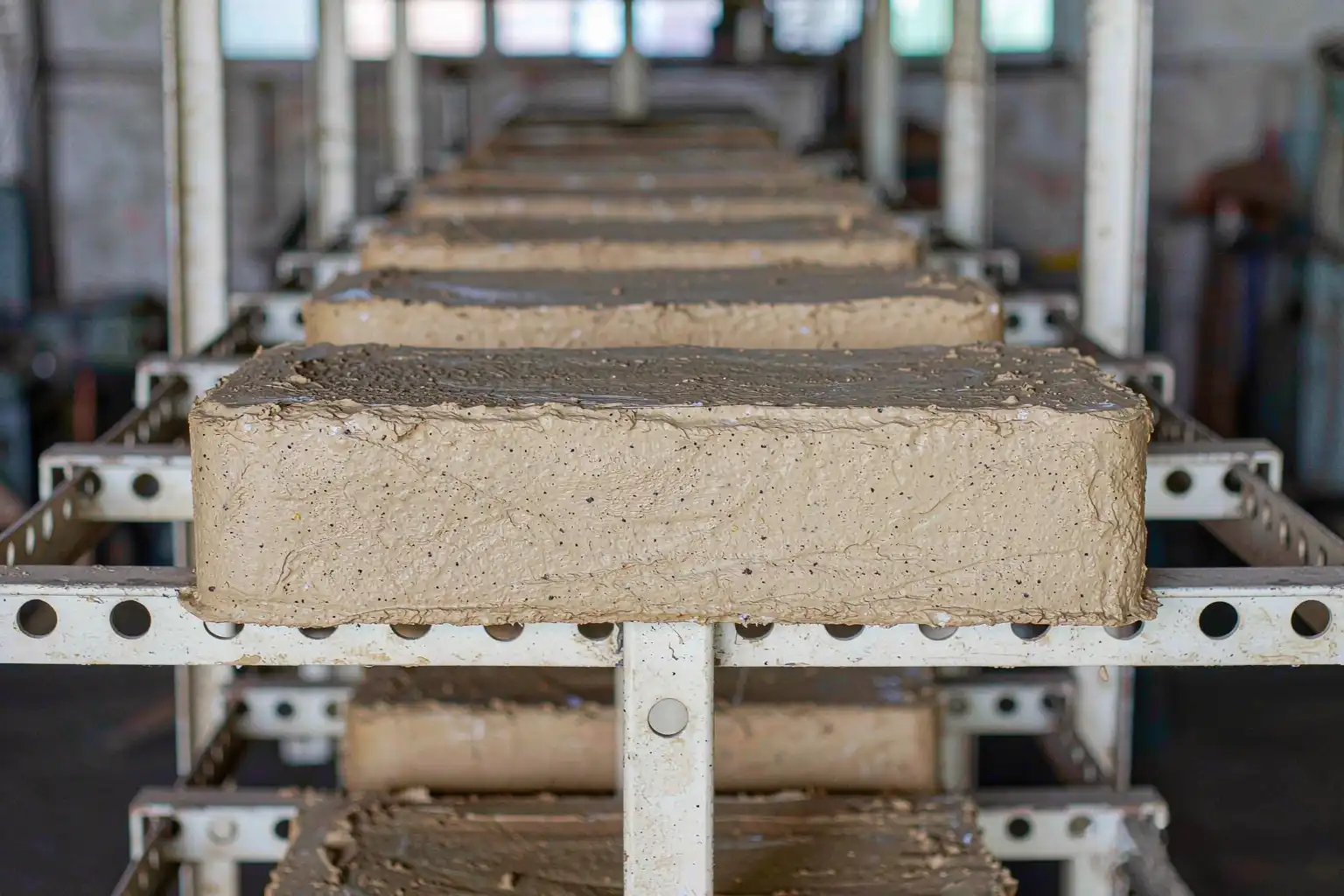
The core defines the internal wall of the casting. A smooth, dimensionally true core gives a smooth, accurate bore; a ragged hand-made one gives a ragged internal surface that no amount of machining fully fixes cheaply. Shooting also uses less binder than many manual methods, so there’s less gas and less residue to burn out — cleaner metal, fewer defects.
Hot-Box, Cold-Box, and Inorganic: Picking the Process
The machine is similar across methods; the binder and box temperature differ. Hot-box cures with heat in the box. Cold-box cures at room temperature with a gas catalyst, fast and flexible. Inorganic binders skip the organic emissions entirely, which matters where fume rules are tight. The choice is about your alloy, your emissions limits, and how fast you need to cycle — not about the shooter hardware itself. Cooling and gating downstream still follow the same rules as the casting, and our die cooling design notes apply once the core is set in the mold.
Where Cores Matter Most
Low-pressure, high-pressure, and gravity die casting all lean on cores for any internal cavity. In LPDC especially, a precise core is what keeps the bore true while the metal rises slowly from below — which is why we cover core needs when helping buyers size a low pressure die casting machine. Get the core wrong and the whole process fights you.
Integration With the Casting Cell
A shooter pays off most when it’s tied into the line, not parked in a corner. Core storage, handling, and placement into the mold should be planned with the molding or pouring station, so a core is ready the moment the mold opens. The same logic applies to shot-size balancing — our tonnage and shot-size guide helps you size the whole cell so cores, molds, and pour stay in step.
Three Mistakes That Undo the Benefit
1. Skimping on the core box. The shooter is only as good as the box. A worn or poorly vented box throws scrap no matter how fast the machine runs. Treat the box as tooling, not a consumable.
2. Ignoring venting and blow pressure. Under-blown cores have soft spots; over-blown ones crack. Both waste the machine’s advantage. Tune the blow pressure and vents per core, not once and forgotten.
3. Letting finishing become the bottleneck. A perfect core still needs the casting trimmed and cleaned. Plan the trimming and gate-cutting step alongside the shooter, or you’ll make beautiful cores and bottleneck at the cutoff saw.
Frequently Asked Questions
What is a core shooting machine used for?
It makes sand cores — the shapes that form internal cavities in castings — by blowing sand and binder into a heated core box. It’s used wherever a casting has a hollow passage, bore, or undercut that the mold alone can’t create.
How does core shooting improve casting quality?
By making every core dimensionally identical, it removes the variation that causes misruns, shifted bores, and rough internal walls. Consistent cores mean consistent castings and lower scrap.
Is automatic core shooting faster than manual coremaking?
Substantially. A core is produced in seconds versus minutes by hand, with no operator-dependent packing, so one machine replaces several manual coremakers on most geometries.
Which binder process should I choose?
Hot-box for heat-cured speed, cold-box for fast room-temperature curing and flexibility, inorganic where emissions rules are strict. The shooter hardware is largely the same; the choice is about alloy, fume limits, and cycle need.
This guide was prepared by the application engineering team at Xiamen Dingzhu Intelligent Equipment Co., Ltd. (DZ Machinery), which designs and commissions deburring, grinding, polishing, and die-casting lines for manufacturers across more than a dozen countries. Specifications above reflect typical core-shooting practice; confirm exact parameters against your part and supplier before purchase.
Tags: automatic, die casting machine, die casting, die casting process, foundry, low pressure die casting, machine selection, buying