

Turnkey Faucet Line: What Does a Full System Include?
A buyer in Poland emailed us a photo of four different machines from four different vendors, sitting in a warehouse, none of them talking to the next. “I bought a faucet line,” he wrote, “but I bought four problems.” That’s what a turnkey system is meant to prevent. The word turnkey means one supplier takes the line from raw casting to finished, packaged faucet body, and you turn the key to start it.
This guide breaks down what a real turnkey faucet line actually includes, and where the gaps hide when a vendor says “we can do it all.”
What “Turnkey” Should Mean
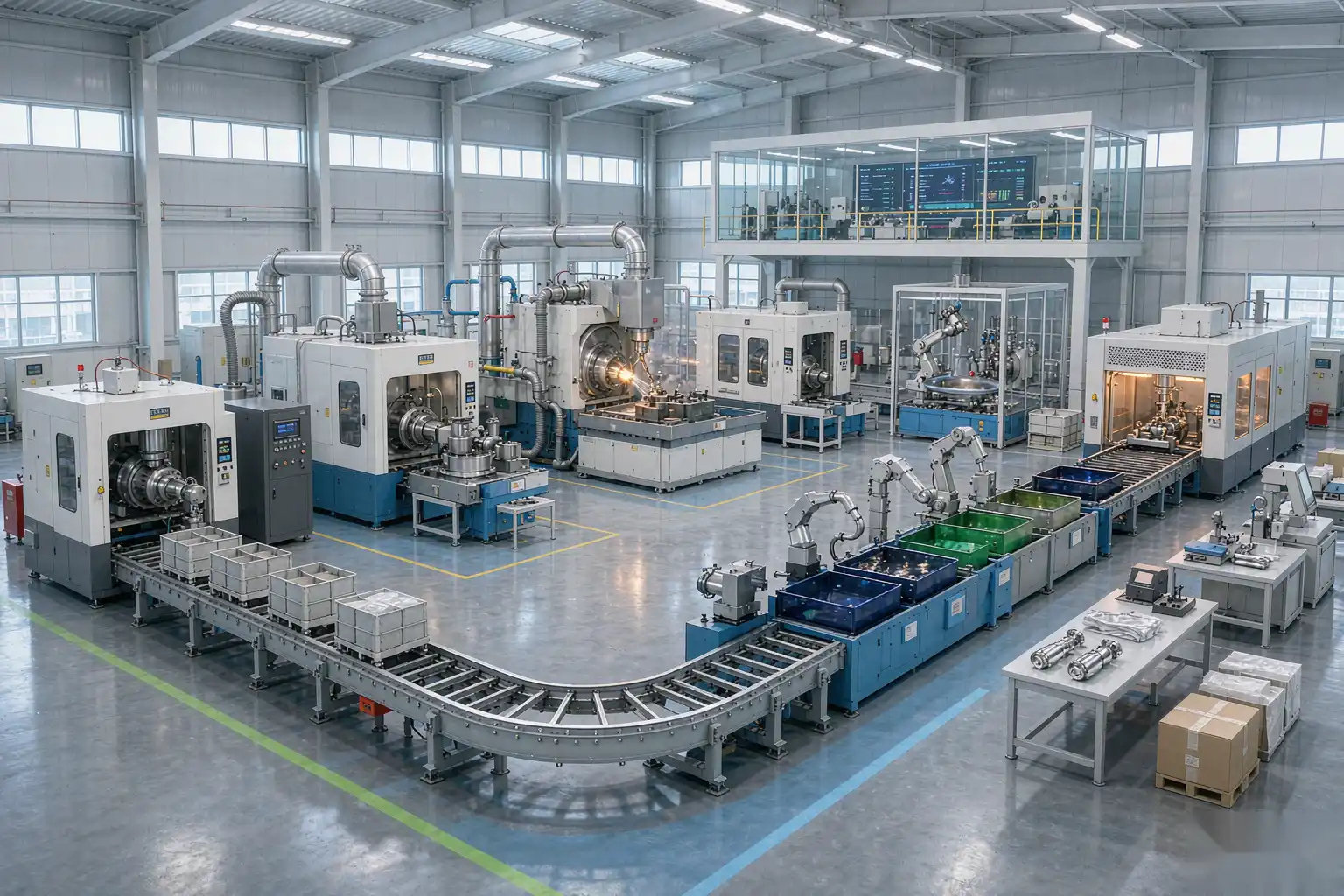
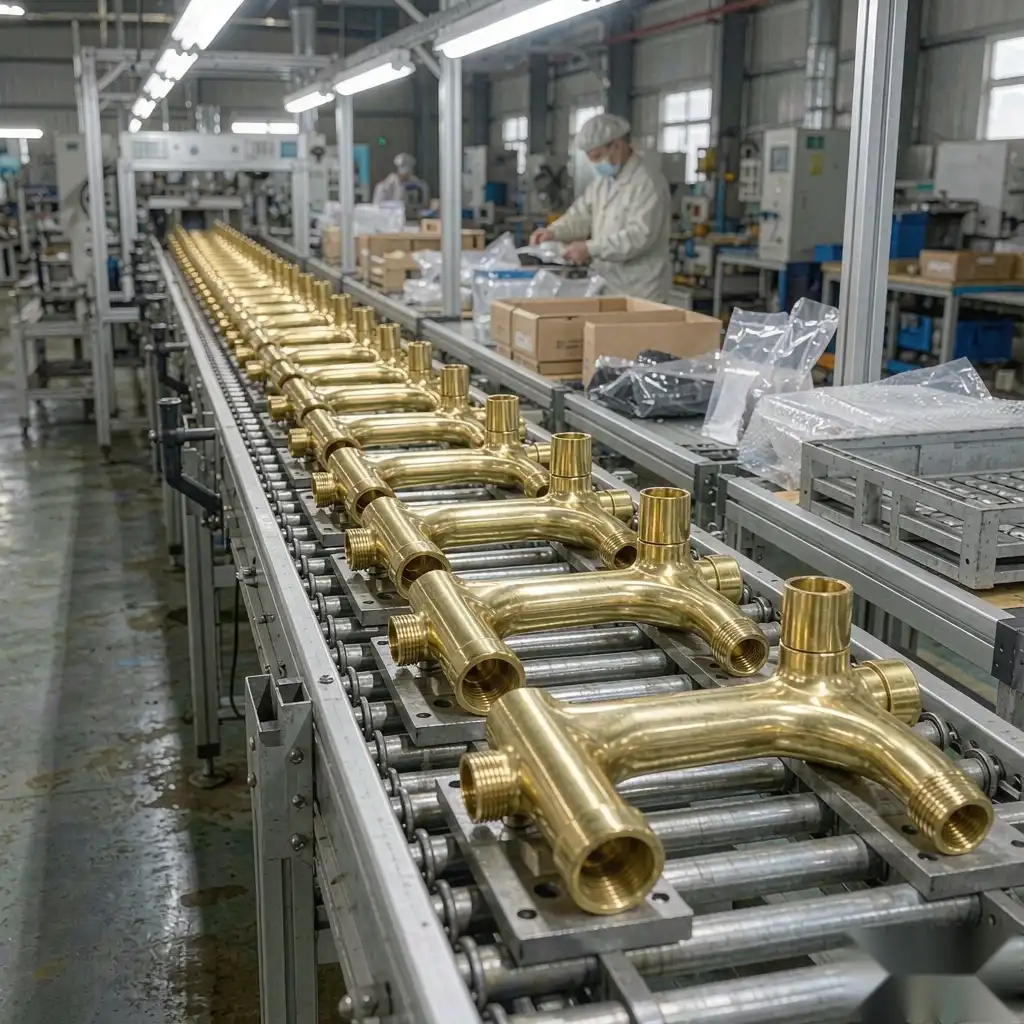
A turnkey faucet line is one integrated system, not a pile of machines. The supplier owns the layout, the fixtures, the robot programs, the conveyor handoffs, and the control logic that ties stations together. You get a single commissioning, a single point of accountability, and a quoted rate for the whole line — not a rate per machine that collapses at the slowest step.
The Stations a Full Line Includes
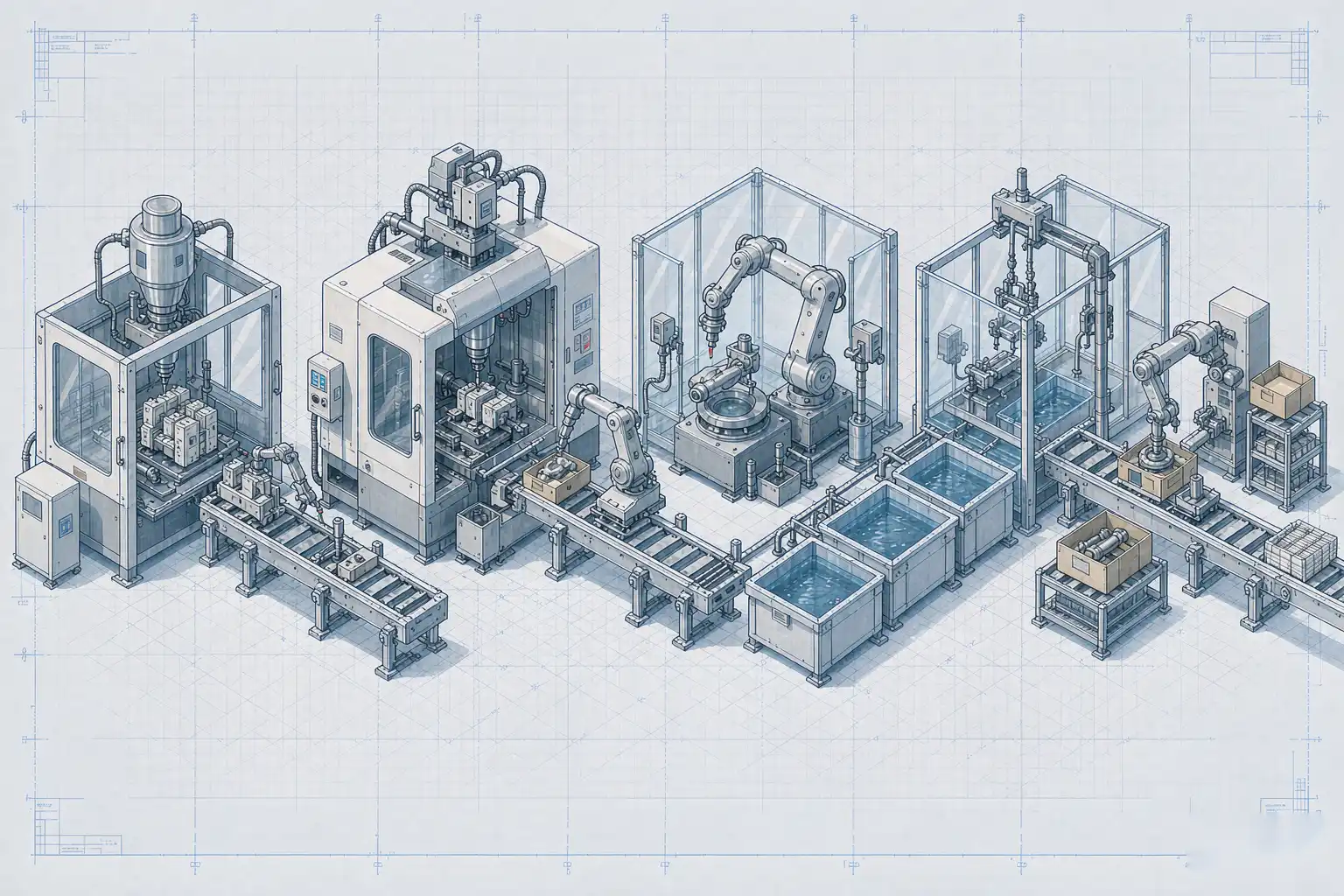
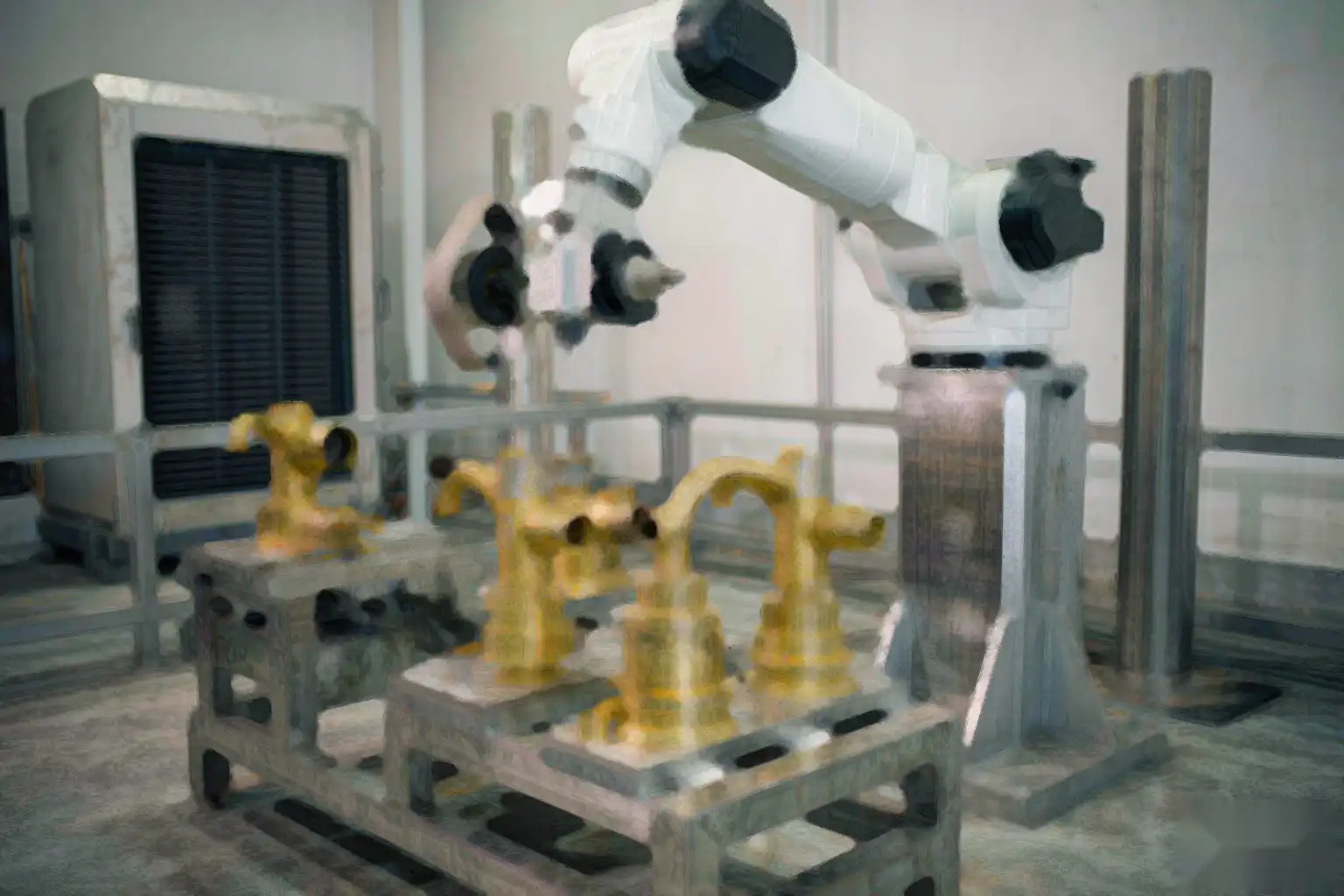
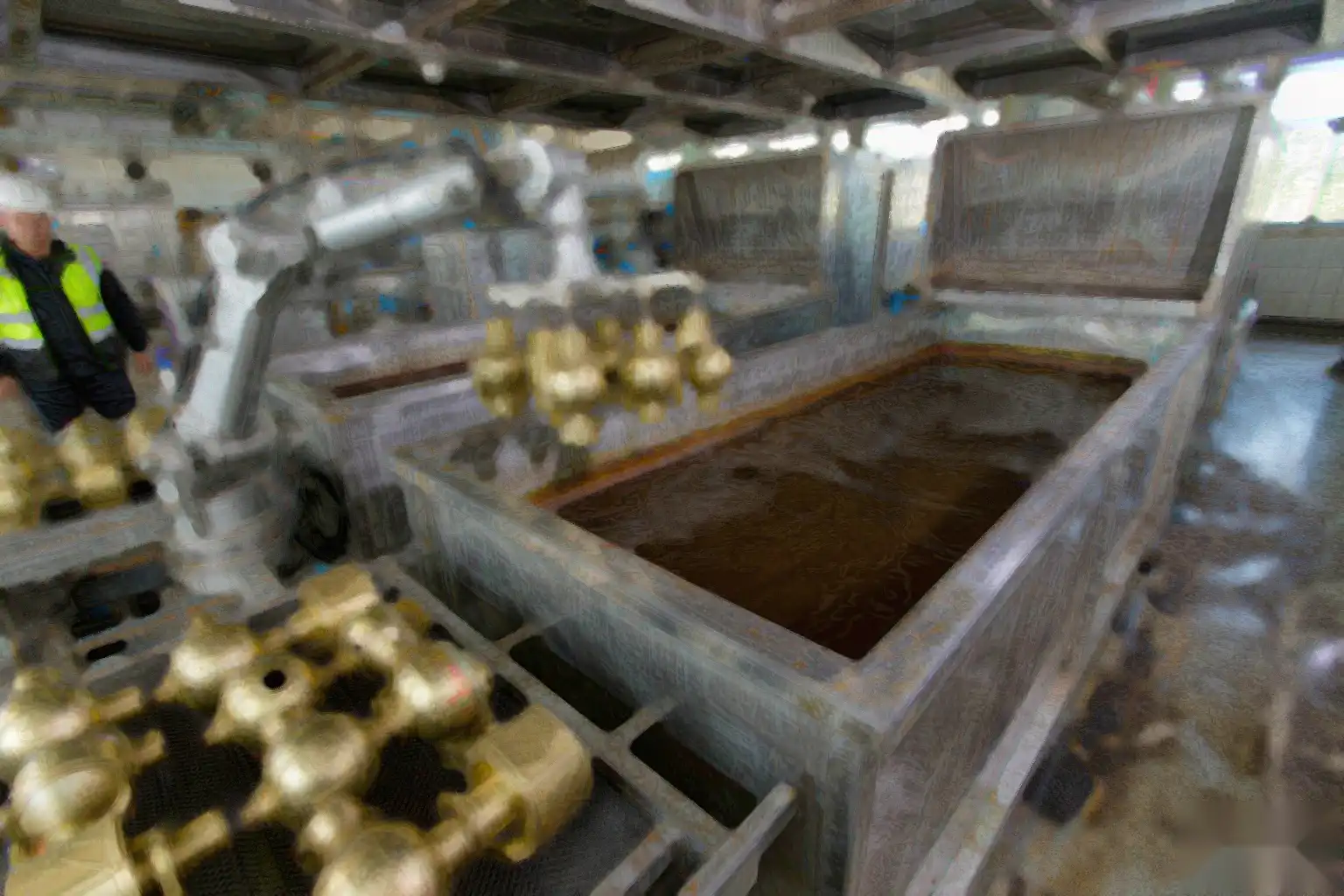
A complete line runs the full sequence: core shooting and casting, then CNC machining of the seat, thread, and groove, then grinding of the parting line, robotic buffing to a mirror, and finally electroplating. Packaging and inspection sit at the end. Each station is balanced to the same takt so no cell starves or floods the next. Balancing those stations is its own discipline — see our automatic faucet line design guide
The station-by-station logic is the same one we lay out in our faucet line automation guide, just wrapped in one contract and one control system.
What Turns a Machine List into a System
One Control and One Datum
The line only behaves as one system if every station locates the part on the same datum the core set. Otherwise each machine re-finds the body and accumulates error. The datum is the quiet hero of any turnkey line.
Conveyor Handoff, Not a Forklift
Between-station handling is where turnkey lines win or lose. A forklift between machines is not a line; it’s a queue. Automated transfer keeps parts moving at takt.
Commissioning and Rate Guarantee
A turnkey supplier commissions the whole line with your actual castings, at your volumes, and guarantees a rate. That’s the difference between “we sold you machines” and “we delivered output.”
Three Mistakes Buyers Make
1. Accepting a machine list as a line. Four machines from four vendors is four integration jobs you now own. Insist the supplier integrate, not just supply.
2. Letting the slowest station set the rate silently. Ask for the balanced takt per station in writing. If one step is quoted slower, the whole line runs at that speed.
3. Skipping the commissioning on your castings. A line proven on someone else’s part is not proven on yours. Commission on your alloy and your volumes.
Frequently Asked Questions
Is a turnkey line more expensive than buying machines separately?
Up front, sometimes. But you trade four integration risks and four vendors for one accountable supplier and one guaranteed rate. Most buyers recover the premium in faster ramp and fewer stoppages.
Can a turnkey line handle multiple faucet models?
Yes, with quick-change fixtures and stored programs. Design changeover in from day one; if swapping a model takes an hour, mixed-SKU production eats the throughput gain.
Who services a turnkey line after install?
The integrating supplier should. One contract means one call when the line stops. Split suppliers means finger-pointing while you lose output — exactly what turnkey is meant to avoid.
This guide was prepared by the application engineering team at Xiamen Dingzhu Intelligent Equipment Co., Ltd. (DZ Machinery), which designs and commissions deburring, grinding, polishing, and die-casting lines for manufacturers across more than a dozen countries. Scope notes reflect typical turnkey faucet line outcomes; confirm exact station list and rate against your parts, volumes, and site before purchase.
Tags: faucet, faucet production line, automatic faucet production, faucet manufacturing, automation, Faucet Grinding and Polishing System