

Shower Head Polishing: Automate Sanitary Ware Finishing
A sanitary ware buyer in Brazil ran shower heads through a hand polish line that left water-spot streaks because no two finishers pressed the same. “The shape sells on the shelf,” he said, “and the streak sells the return.” Shower head polishing is a uniform-surface job on a curved, perforated part — exactly where automation beats the hand.
This guide covers how to automate shower head polishing for sanitary ware.
Why Shower Heads Are Tricky
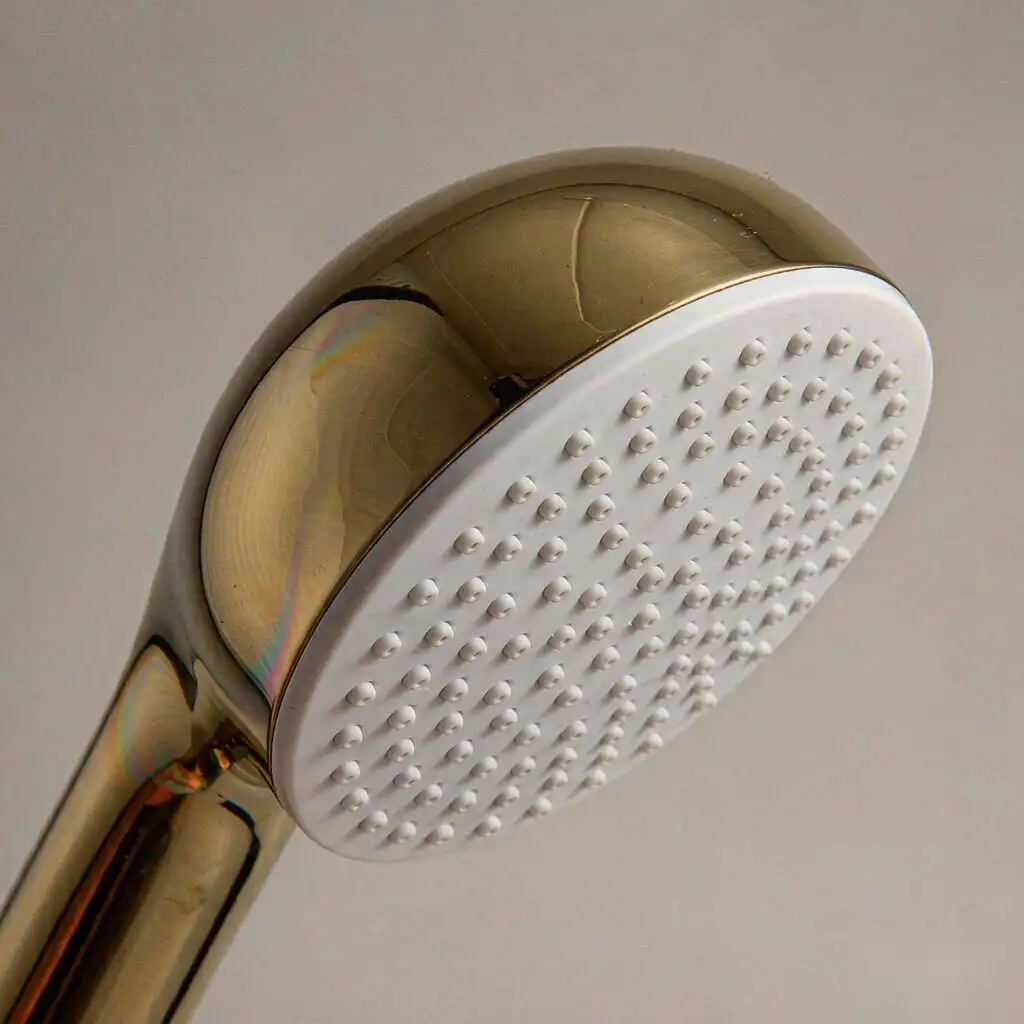
A shower head is a domed, often perforated part with a face and a skirt. Hand polishing leaves shade differences across the dome and streaks at the rim. Buyers see those in the showroom. The finish has to be even across a curved, featured surface.
How Robotic Polishing Holds the Surface
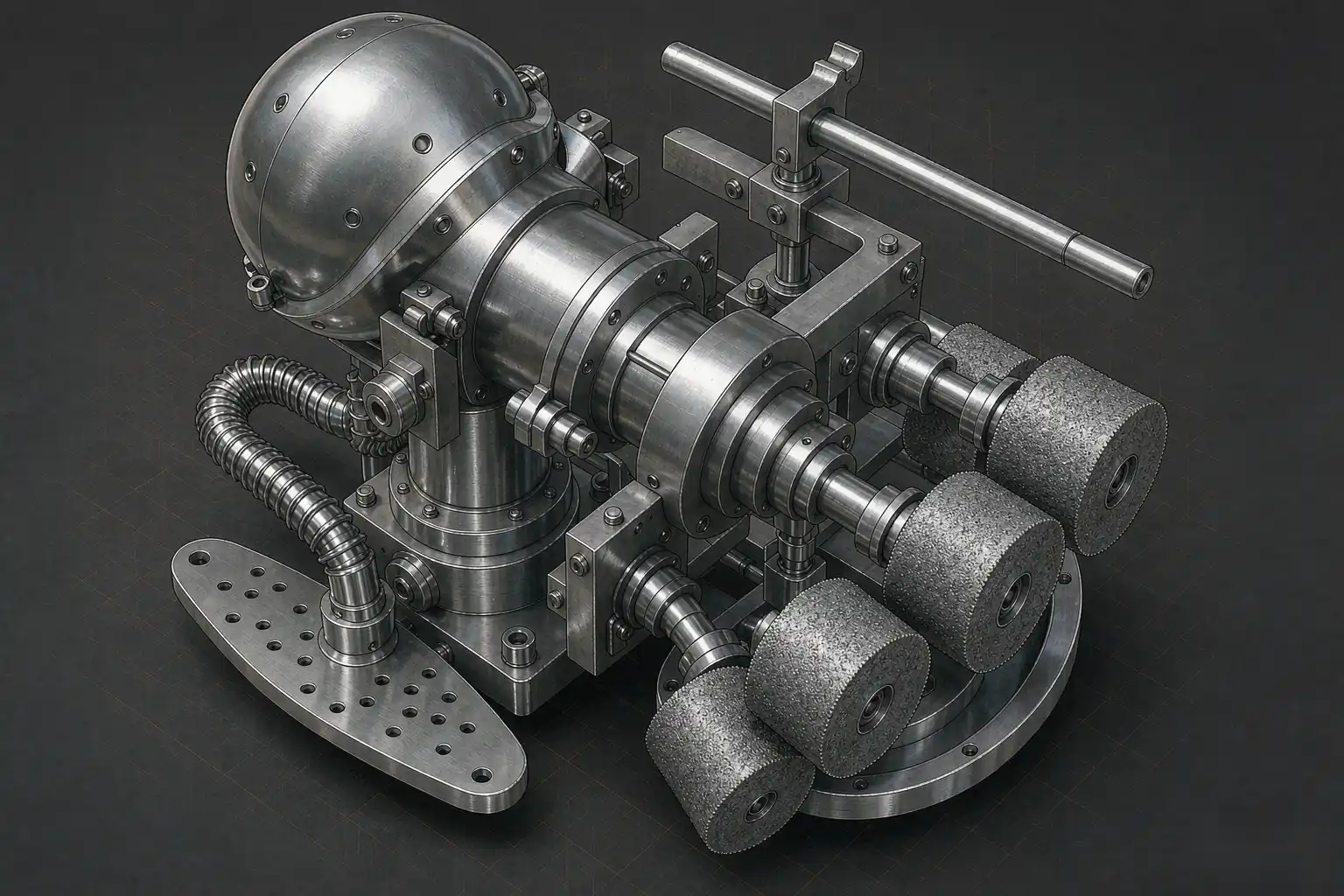
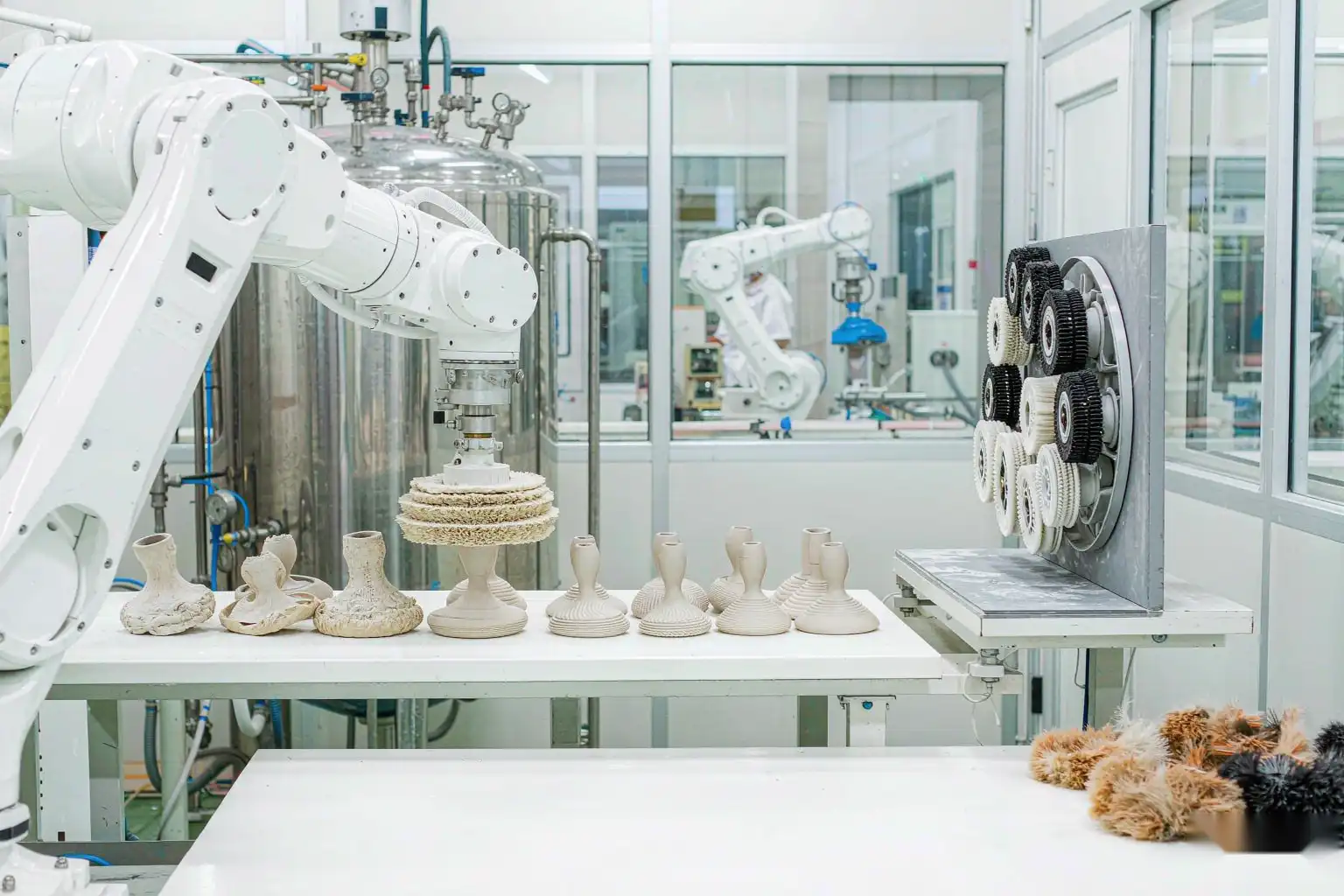
A robotic cell locates the head on a fixed datum and presents the dome and skirt to staged wheels at locked force, sweeping an even path every cycle. Force control is what keeps the dome bright instead of dark-at-center, light-at-rim. Every head leaves matched, which is what shelf appeal needs.
The even-curve logic is the same one we use on impeller polishing, just on a sanitary dome instead of a blade.
What Has to Be True First
Consistent Casting
Polishing only evens what it’s given. If the core drifts, the dome varies and the robot chases it. Stable casting first.
Fixed Datum
Locate the head on its true center so the robot sweeps the dome evenly. A shifted datum finishes one side harder than the other.
Wheel Sequence
Sanitary brass or stainless needs staged abrasives from cut to color. A skipped stage leaves haze; force control holds the shine even.
Three Mistakes Buyers Make
1. Polishing inconsistent castings. Automation exposes a drifting dome. Fix the source first.
2. Skipping force control. Fixed-path without force feedback leaves the center dark and the rim bright. Force control holds the whole dome even.
3. Ignoring the spray face. The perforated face is the product; don’t let the cell haze or clog it. Program the path to spare the face.
Frequently Asked Questions
Can a robot polish the perforated spray face?
The accessible face, yes, with the right wheel and path. The internal holes are formed, not polished; keep expectations on the visible surface, not the bore.
Does robotic polishing match hand shine on a dome?
It matches and holds it across the run. A hand finisher peaks on one head; a cell matches every head, which is what a sanitary ware order is judged on.
How many shower head shapes fit one cell?
Several, with quick-change fixtures and stored programs. Design changeover in so mixed-shape runs don’t stall the cell.
This guide was prepared by the application engineering team at Xiamen Dingzhu Intelligent Equipment Co., Ltd. (DZ Machinery), which designs and commissions deburring, grinding, polishing, and die-casting lines for manufacturers across more than a dozen countries. Finish notes reflect typical sanitary ware outcomes; confirm against your alloy and shine spec before purchase.
Tags: polishing, sanitary ware, sanitary, robotic polishing, surface finishing, Metal Casting