

Polishing machine price quotes vary so widely that buyers often distrust every number they see. The spread is real, but it follows logic. Once you see the tiers, the quotes stop looking random and start looking like menus.
This guide maps the market into three tiers, shows what each tier actually includes, and lists the budget items that quotes routinely leave out. Use it to build a number before the first sales call.
Tier One: Entry Automatic Polishers
Entry machines run 20,000 to 70,000 dollars. They polish one part geometry with fixed cycles and manual loading. A single operator tends one or two machines, and changeover between parts takes an hour of adjustment.
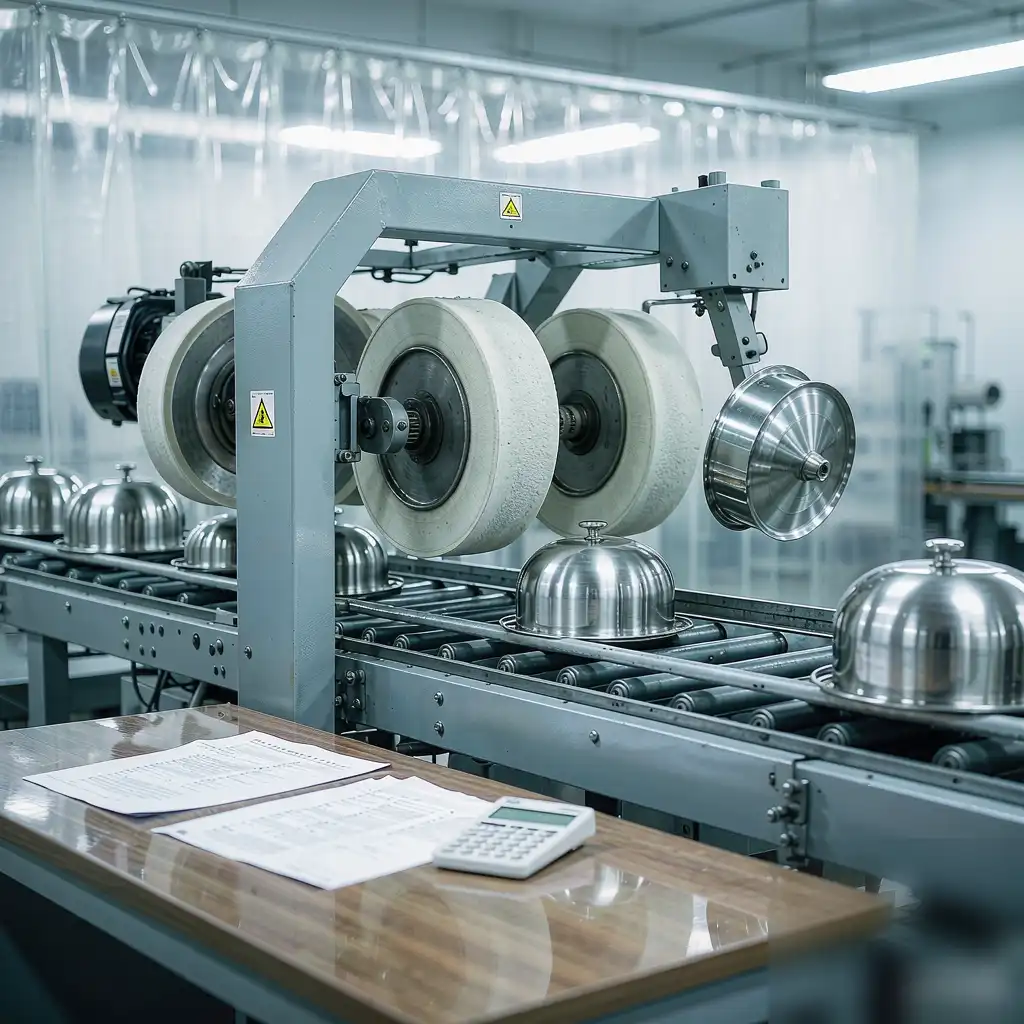
These machines suit stable, high-volume parts. Faucet bases, handle blanks, and simple hardware shapes polish beautifully on them. What they cannot do is learn a new part quickly, so shops with wide product ranges outgrow them fast.
Buy tier one when your catalog is narrow and your volume per part is high. Buying it for mixed production is the most common entry-tier mistake, and the fix always costs more than choosing correctly the first time.
Tier Two: Production Cells with Automation
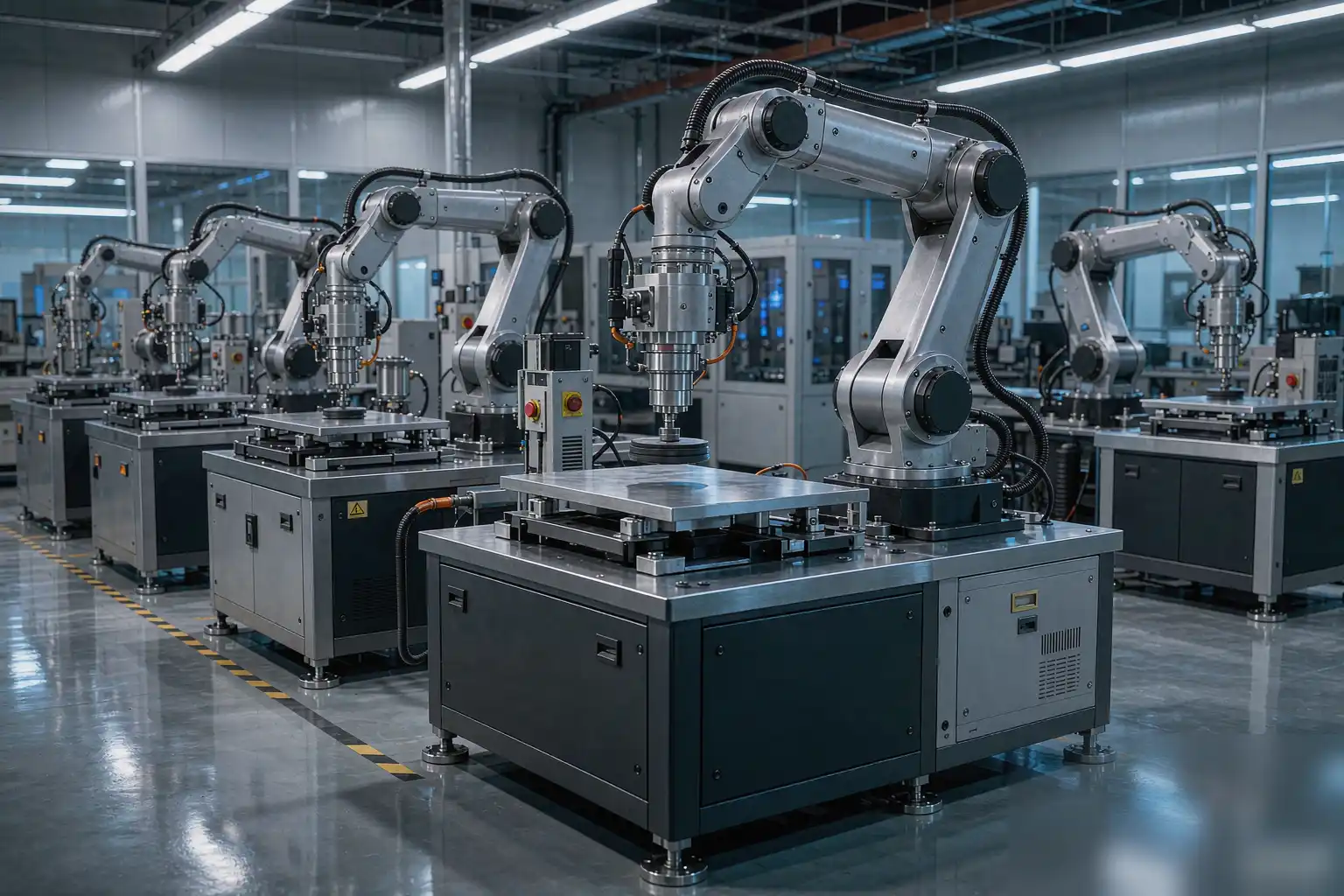
Tier two runs 80,000 to 250,000 dollars. Robots or CNC motions handle the part, cycles run unattended, and part sensing adjusts paths to casting variation. Changeover drops to minutes because programs replace mechanical adjustment.
Most growing factories land here. The tier pays its premium through labor offsets and consistent finish quality. Plants converting from tier-one benches typically report two-year paybacks at moderate volumes.
| Feature | Tier One | Tier Two | Tier Three |
|---|---|---|---|
| Part handling | Manual load | Robot or indexer | Conveyor integrated |
| Changeover | 45 – 90 minutes | 5 – 15 minutes | Near zero with part ID |
| Finish consistency | Operator dependent | Program controlled | Closed-loop measured |
| Typical price | $20k – $70k | $80k – $250k | $250k – $900k |
| Best fit | One hero part | Growing catalog | Full-line production |
The table explains most quote differences at a glance. When two quotes differ by a factor of three, they are usually different tiers wearing similar brochure language. Ask which row each feature belongs to.
Tier Three: Integrated Finishing Lines
Tier three systems start near 250,000 dollars and climb with station count. They chain deburring, grinding, polishing, and washing into one flow. Parts enter rough and leave packaged, often without touching human hands between stations.
This tier belongs to factories whose bottleneck is flow, not single-station speed. The price follows station count, conveyor length, and the level of sensing between stages. For a full walkthrough of what these lines contain, see our turnkey finishing line cost breakdown.
Buyers sometimes skip tiers, jumping from benches straight to a line. The jump works only when the product is stable and proven. Otherwise, tier two is the honest classroom where your team learns automation before the line arrives.
Configuration Options and Their Price Impact
Within each tier, options move the number. Four options carry most of the weight, and each deserves a deliberate yes or no rather than a default.
Force Control Systems
Force control lets the tool follow casting variation instead of fighting it. It adds five to twelve percent to tier-two pricing. Castings with variable geometry earn that premium quickly through lower scrap; stable machined parts rarely need it.
Vision Part Location
Cameras that locate each part remove fixture precision requirements. They add three to eight percent but cut fixture costs in return. On thin or flexible parts, vision often pays for itself in the fixture budget it replaces.
Automatic Tool Changing
Tool changers add capacity for multi-finish parts. A six-pocket changer adds six figures on some builds. Parts needing three or more finishes justify it; single-finish parts should not carry the cost.
Dust and Sludge Management
Extraction and filtration are compliance items, not options, but their scope varies. Size them to your dust load honestly. Oversized systems waste capital, and undersized ones become a retrofit project within a year.
The Budget Items Quotes Forget
Five costs appear after the purchase order with remarkable consistency. Add them to your planning number now, because every one of them is real.
Foundation and Utilities
Machines need level, rigid floors and adequate power and air. Older buildings sometimes need floor work. Walk the installation site with the vendor’s utility sheet and price the gaps before they surprise you.
Commissioning Consumables
Ramp weeks burn wheels, compounds, and test parts. Budget a small pile for the learning period. It is a rounding error that prevents an awkward pause when the first stockout hits mid-commissioning.
Spare Parts Kit
Builders offer recommended spares packages. Buy the fast-moving items at purchase when they are cheapest and on the shelf before you need them. Waiting for the first failure means air-freighting a belt at premium freight rates.
Program Optimization Hours
Delivery includes working programs, not perfect ones. The first month of cycle-time tuning typically finds ten to twenty percent improvements. Those hours cost money on some contracts and save far more in cycle time.
Annual Service Visit
A yearly calibration visit keeps finish quality where commissioning left it. It costs a few thousand dollars and prevents the slow drift that otherwise shows up as customer complaints. For the parameter work behind that drift, our deburring process optimization guide explains what actually moves.
Floor Space and Layout Costs
Space is a budget item quotes never mention. Tier two cells need a footprint plus safe approach zones for loading and maintenance. Tier three lines swallow floor space fast, and crowded layouts slow every later maintenance visit.
Measure your candidate space before quoting, including door widths for delivery and ceiling height for extraction ducting. Relocating a pillar or pouring a plinth mid-project costs more than planning either before the contract. A tape measure is the cheapest procurement tool you own.
A Phased Buying Path That Protects Cash
You do not have to buy your end state first. Many factories buy tier two for their hero part, let it pay back for a year, and then add stations as volume grows. Each phase funds the next, and the learning from phase one makes phase two cheaper.
The phased path also improves vendor selection. Watching how a builder supports the first machine tells you everything the brochure could not. Support quality is the real product, and phase one is the audition.
Factories weighing lease structures instead of staged purchases should read our guide to surface finishing equipment leasing, which compares cash flows across both routes.
How Finish Requirements Move the Tier
Target finish decides the tier as much as volume does. A satin finish on zinc hardware lives comfortably in tier two. A mirror finish on brass faucet bodies may demand tier three, not because robots cannot polish, but because the process chain runs longer.
Count your process steps per finish. A two-step polish fits one cell with a tool changer. A five-step sequence from roughing to final color usually wants multiple stations with different wheels and compounds between them.
Sample your own parts at vendor demos with the full sequence in mind. A demo that polishes step one beautifully says nothing about step five. Vendors who show the whole chain earn credibility; vendors who show one step are selling a machine, not solving your finish.
Timing Your Purchase Against the Calendar
Prices move with steel, currency, and factory loading, but waiting rarely buys savings. Lead times for popular cells run months, and installation queues stretch at year end when everyone else is spending their budget.
The better timing question is internal. Buy when your best process person has bandwidth for the project, when your floor has the space prepared, and when your order book justifies utilization. A cell bought a quarter early sits idle; one bought a quarter late pays overtime instead.
For teams building the full spending plan around the machine, our automated surface finishing budget guide sequences the purchase into a complete capital plan.
Negotiation Checklist Before You Sign
Polishing machine price conversations end well when a few items are settled in writing. Walk this list with each finalist vendor and watch which answers come easily.
| Checklist Item | What Good Looks Like |
|---|---|
| Acceptance test | Named part, cycle time, and finish spec agreed |
| Warranty scope | Parts and labor, with clear response times |
| Spares pricing | Two-year wear list attached to the quote |
| Training package | Days included, at your site, for your team |
| Future fixtures | Fixture pricing locked for your next two parts |
Vendors who fill this table quickly have sold machines like yours before. Vendors who stall are learning on your budget. The observation alone is worth the exercise.
Your Number, Built Properly
Polishing machine price planning is tier selection plus options plus the forgotten five. Choose the tier your product mix earns, price the options your castings demand, and pad for the items quotes omit.
Build that number before the first call, and every conversation afterward becomes a comparison against your plan instead of a reaction to a brochure. That is how buyers finish this process with the machine they needed at a price they can defend.
Always validate finish and tolerance on a sample run before moving to full production.