

Pneumatic Part Deburring: How to Meet Tight Tolerances
A pneumatic valve builder was losing air at the spool because the deburring knife took a tenth off the bore edge and the seal lost its seat. “We cleared the burr,” the quality lead said, “and the tolerance with it.” Pneumatic part deburring is a tolerance job: the burr has to go without the edge going with it. That is exactly what compliant automation is for.
This guide covers how to deburr pneumatic components and still hold the tight tolerance the assembly needs.
Why Tolerance and Deburring Fight
A pneumatic passage is small and the tolerance is tight. A rigid tool that just clears the burr also shaves the seat the seal needs. Hand work varies operator to operator. The burr has to come off at a controlled force, not a controlled guess.
How Robotic Deburring Holds the Edge
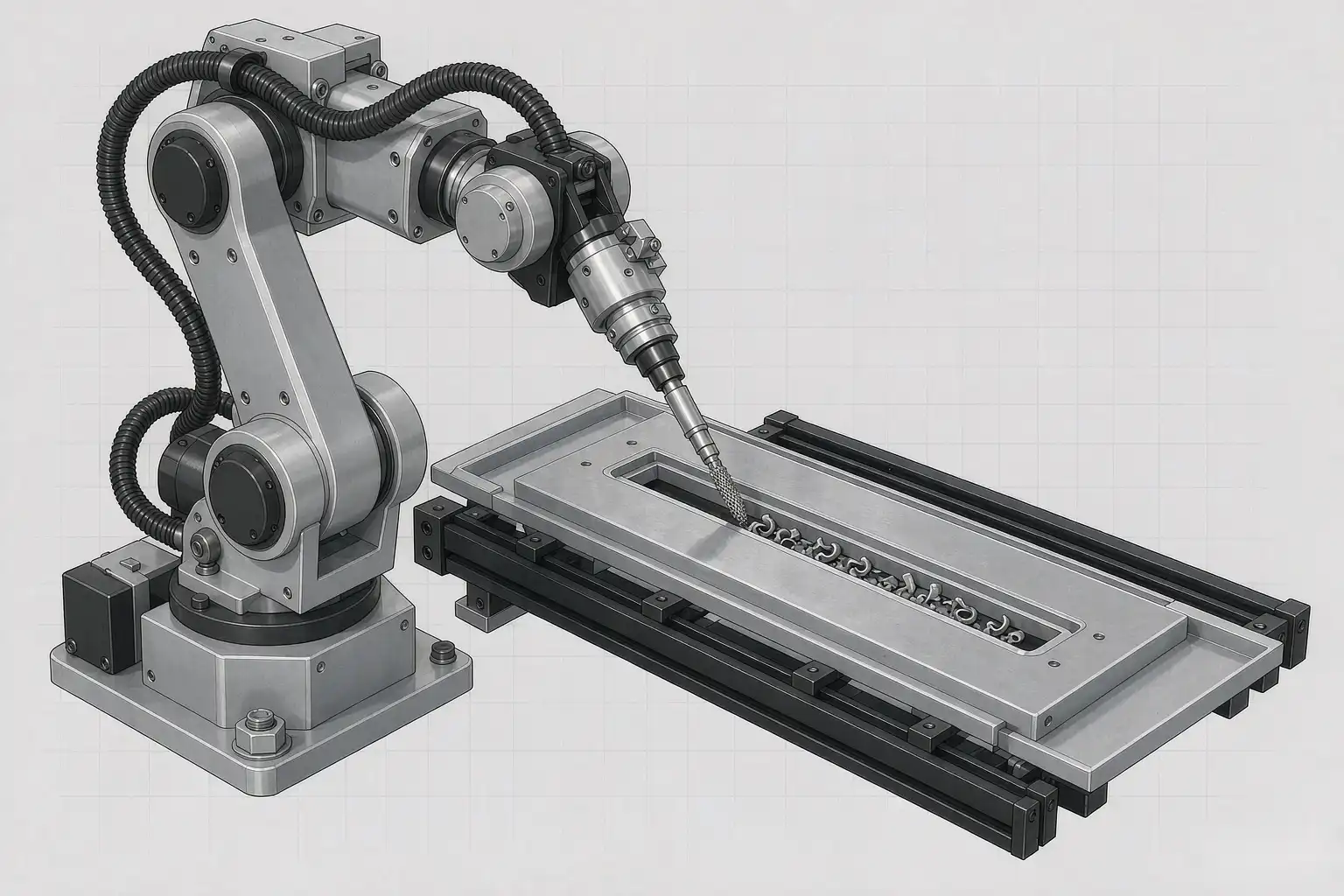
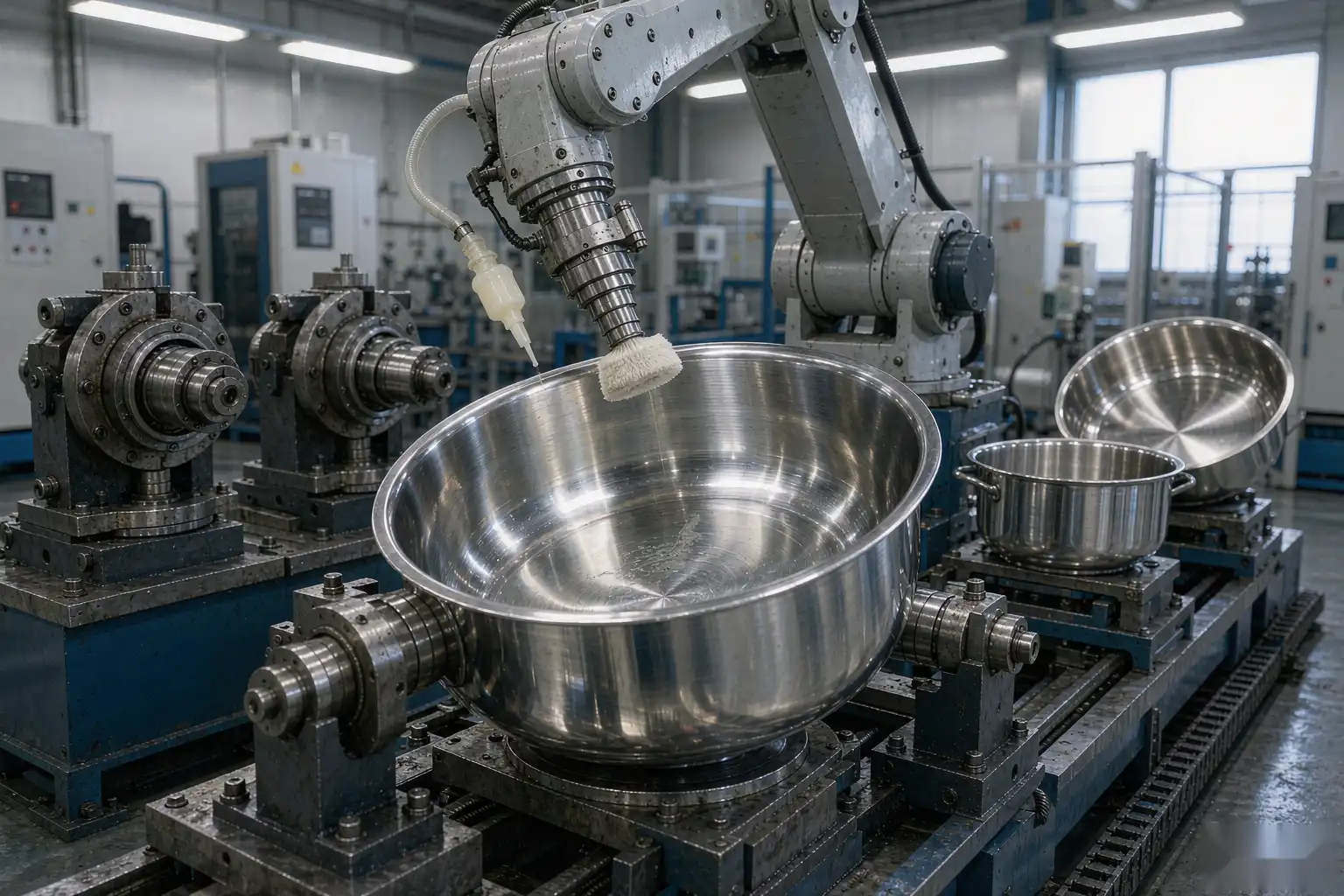
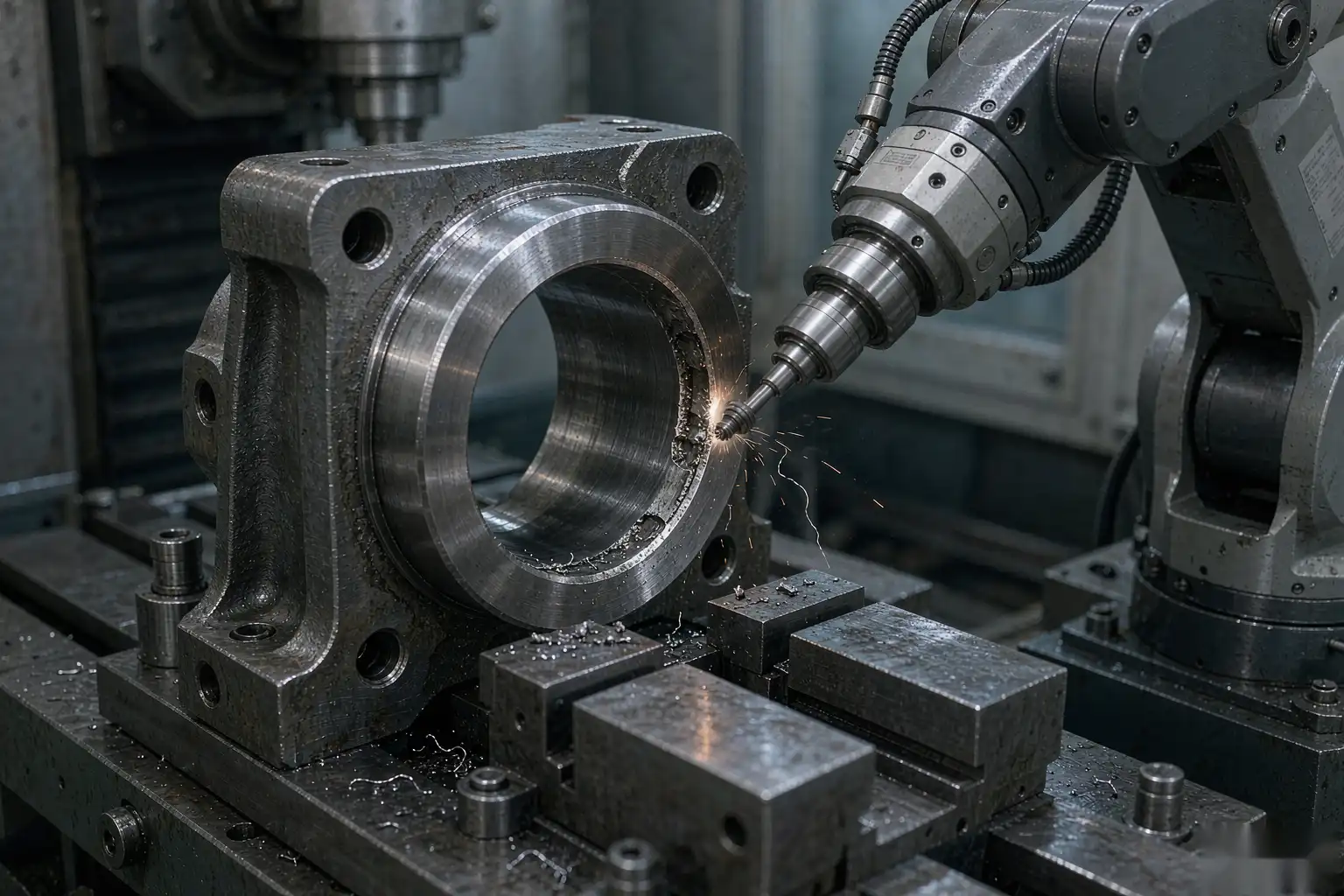
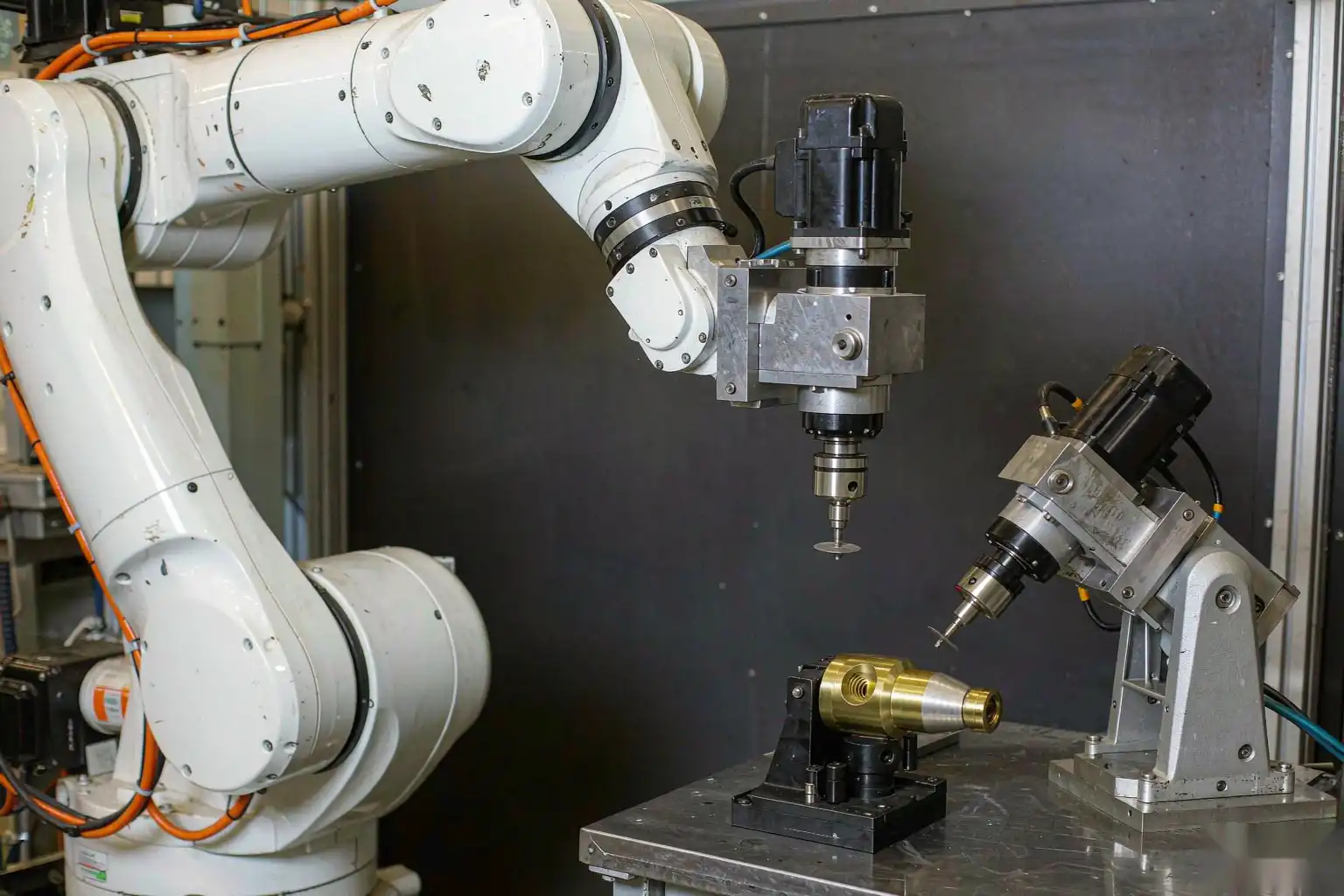
A robotic cell reaches the passage burr with a compliant brush at locked force, removing only what the burr is. Force control is what keeps the seat intact instead of shaved. Every part leaves within tolerance, which is what the spool seal needs. The same protect-the-edge logic we use on gear deburring applies here, just on a bore instead of a tooth.
Batch pneumatic parts run the same way as pipe fitting deburring — compliant tools at locked force, measured on the way out.
What Has to Be True First
Consistent Burr
Deburring only removes what is there. If the casting burr varies wildly, the robot still chases it. Stabilize the source first.
Compliant Tool
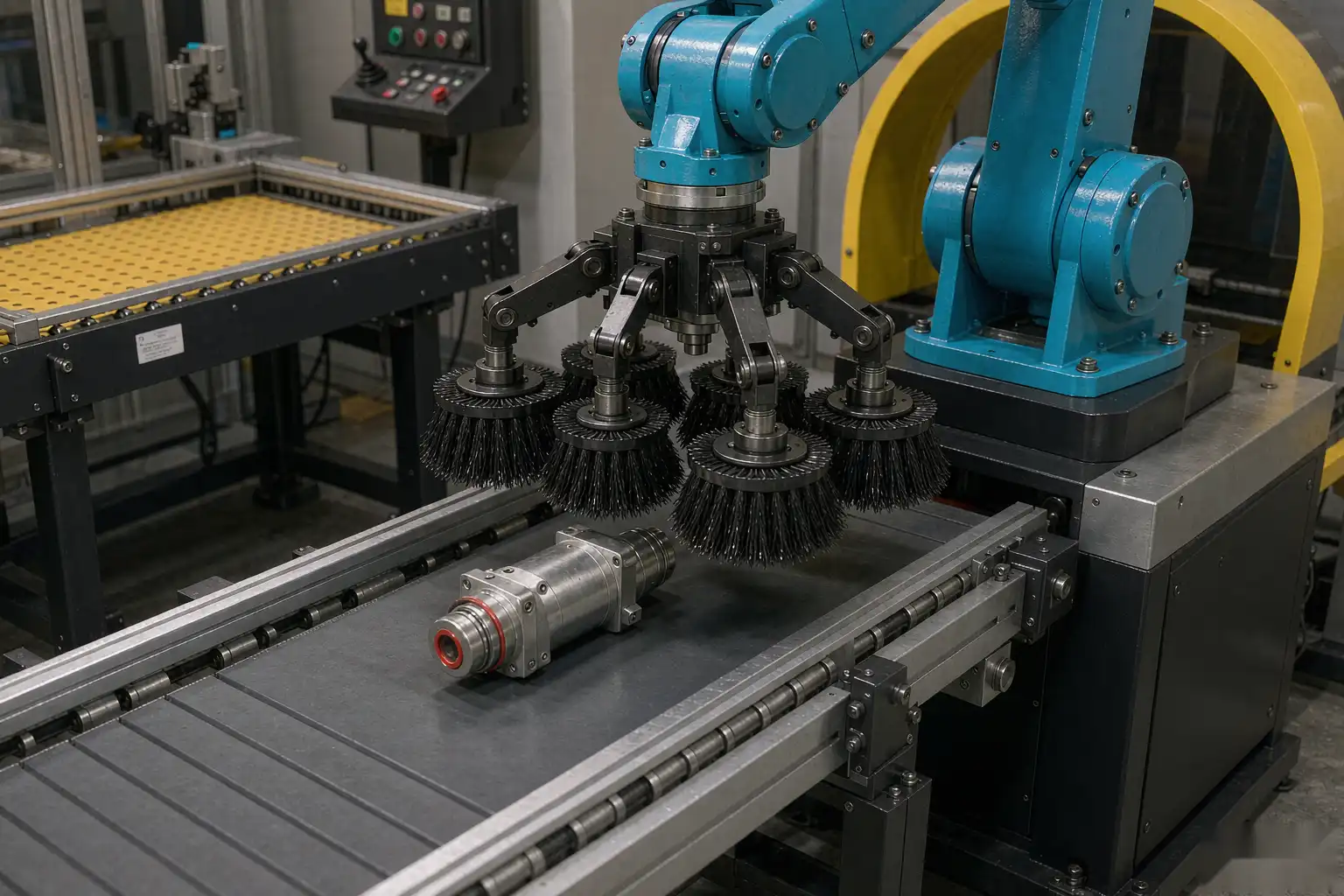
A compliant brush or stone gives with the surface so it clears the burr without shaving the seat. Rigid tools take the tolerance with the burr.
Measured Edge
Tolerance is not visible. Measure the edge on the way out so the cell holds the spec, not just the first part.
Three Mistakes Buyers Make
1. Deburring inconsistent castings. Automation exposes a varying burr. Fix the source first.
2. Using a rigid tool. It clears the burr and the seat. Compliant tools hold the tolerance.
3. Not measuring the edge. A clean part can still be out of tolerance. Measure on the way out.
Frequently Asked Questions
Can a robot deburr a small pneumatic passage without hurting the seat?
Yes, with a compliant tool at locked force. It removes the burr, not the seat — which is what the tolerance needs.
Which pneumatic parts suit automated deburring?
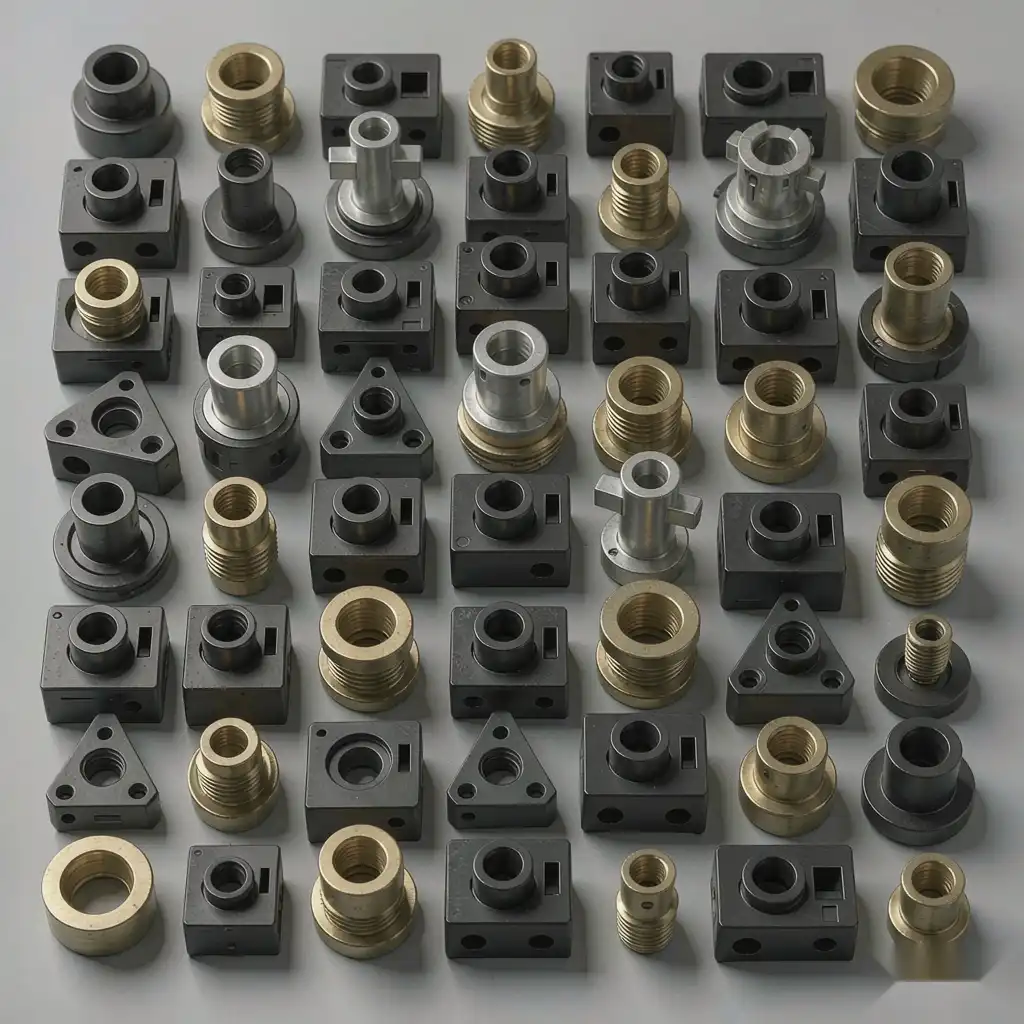
Valve bodies, spool housings, and fittings with internal passages. Mixed shapes run with quick-change fixtures.
How many parts fit one cell?
Several, with quick-change fixtures and stored programs. Design changeover in so mixed-SKU runs do not stall the cell.
This guide was prepared by the application engineering team at Xiamen Dingzhu Intelligent Equipment Co., Ltd. (DZ Machinery), which designs and commissions deburring, grinding, polishing, and die-casting lines for manufacturers across more than a dozen countries. Finish notes reflect typical pneumatic part outcomes; confirm against your alloy and tolerance spec before purchase.
Tags: deburring, robotic deburring, Robotic Deburring Cell, surface finish, surface finishing, finishing