

Gear Deburring: How to Protect Critical Tooth Surfaces
A gear maker in Spain scrapped a batch because a deburring pass nicked the tooth flank. “The burr was gone,” he said, “and so was the surface that mattered.” Gear deburring is a protect-the-critical-zone job — remove the edge without touching the tooth that carries the load.
This guide covers how to deburr gears while protecting the surfaces that actually matter.
Why Gears Are Sensitive to Deburring
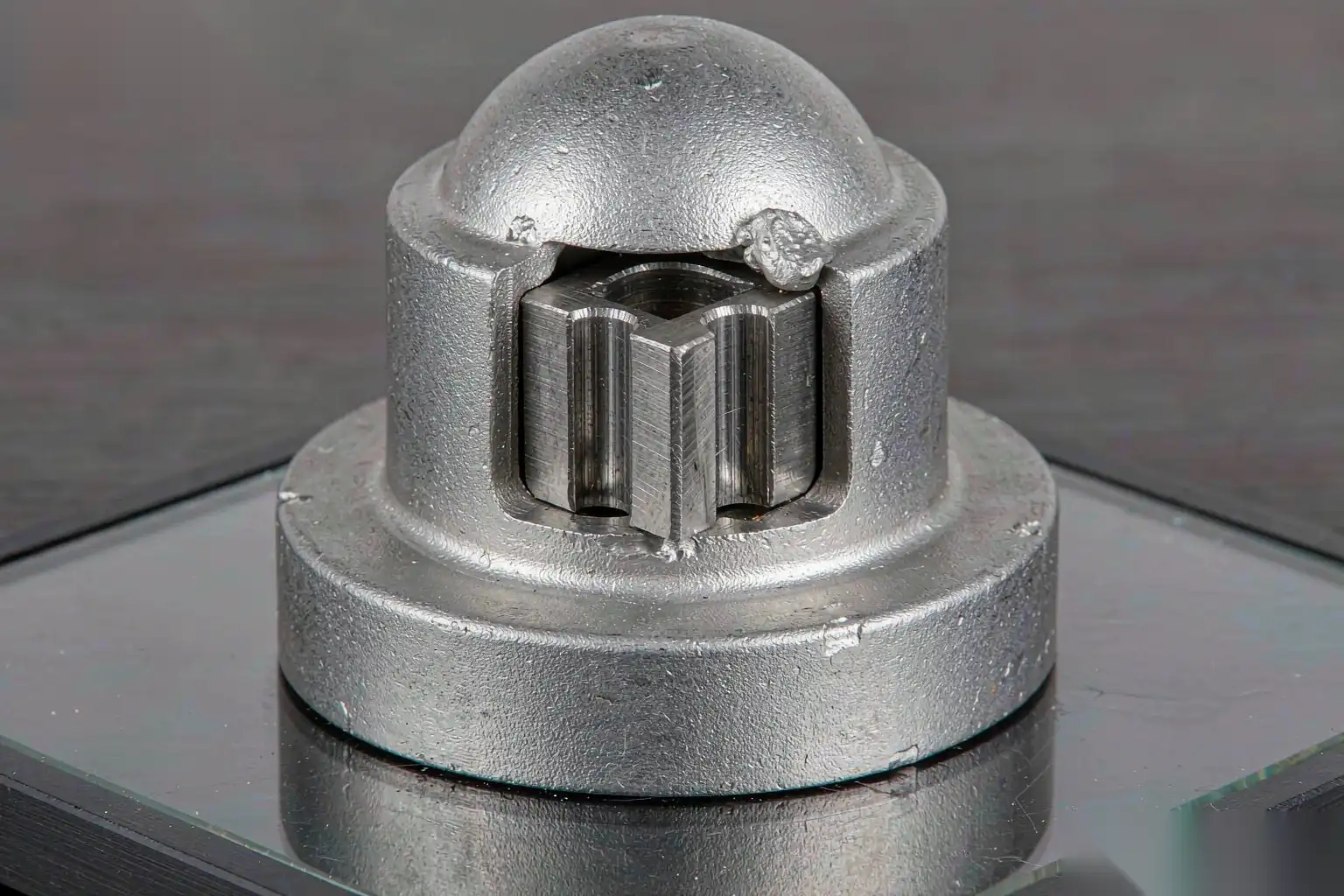
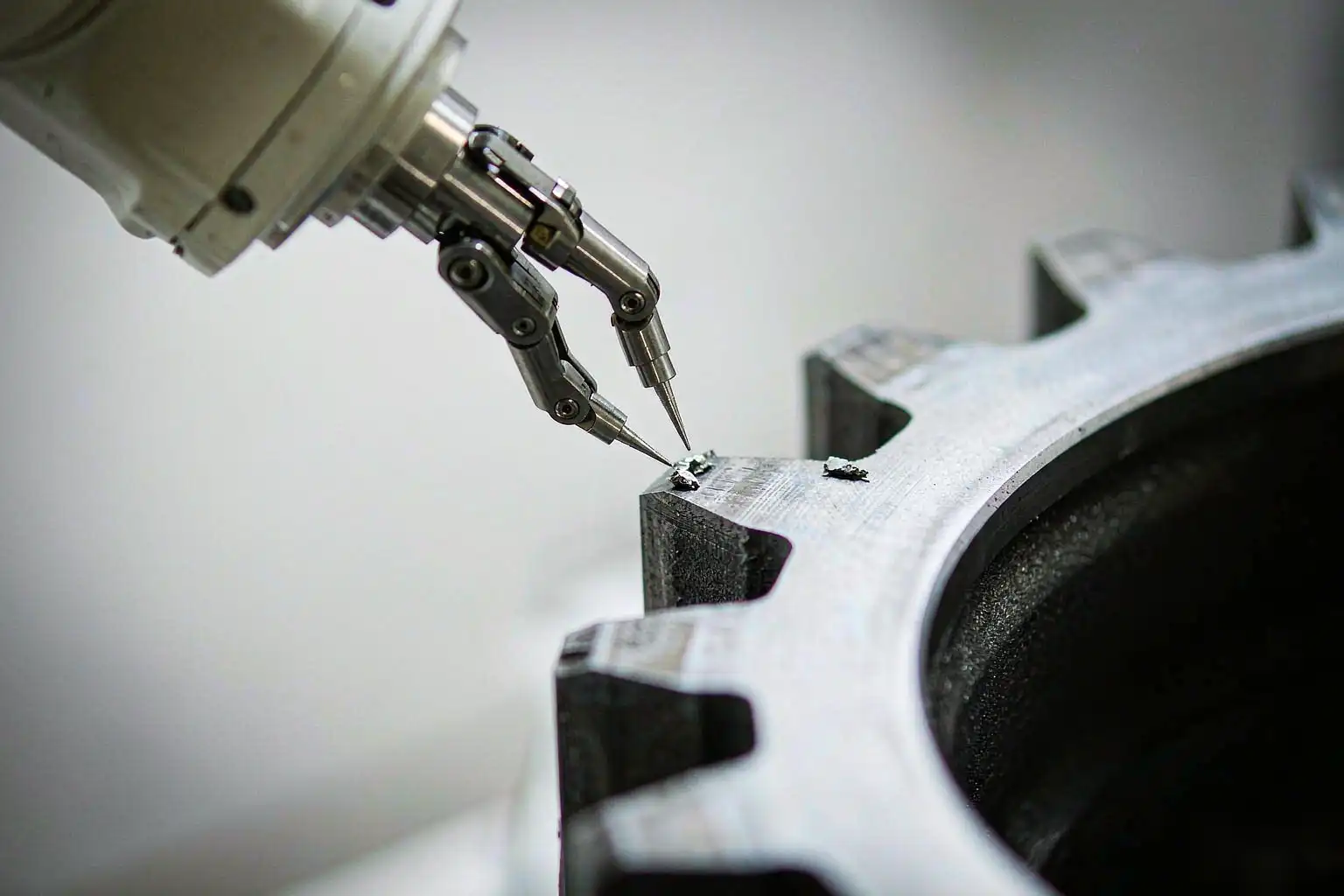
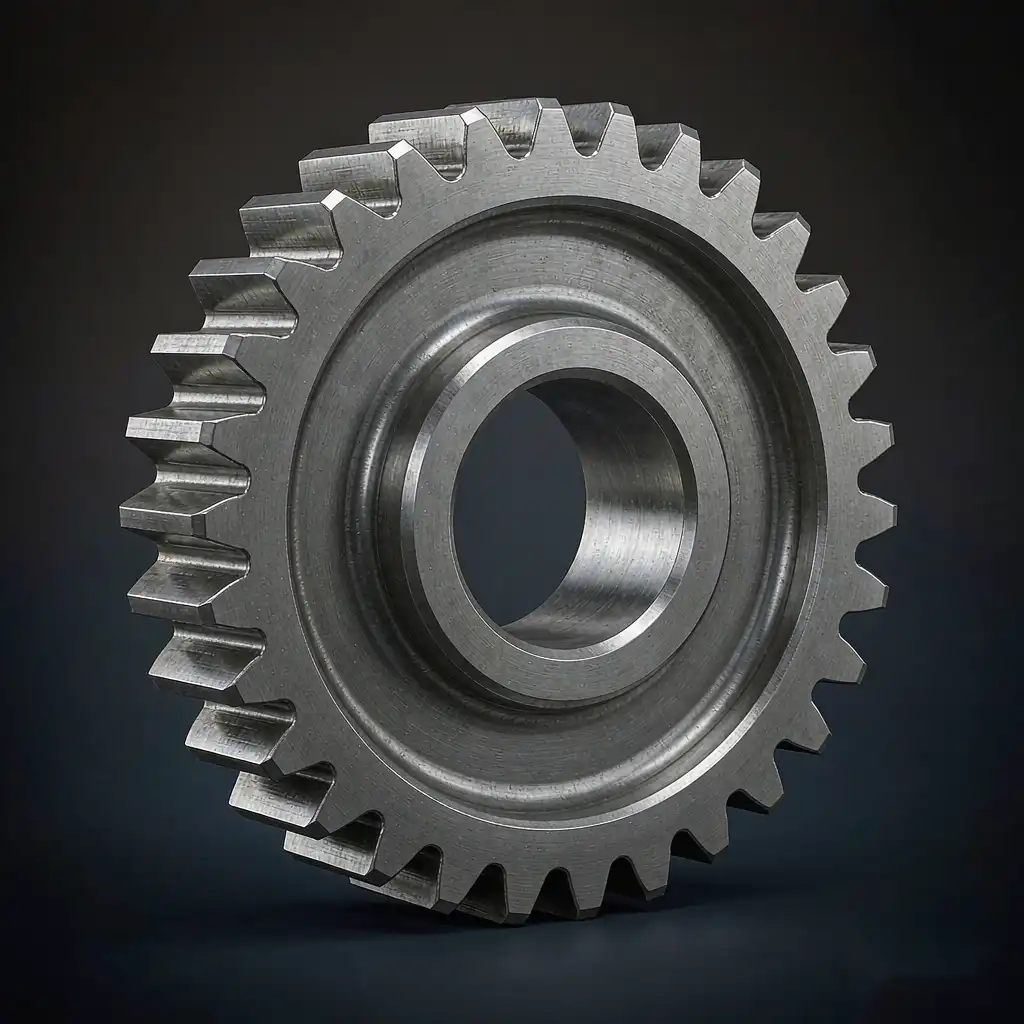
After cutting, every gear has a burr on the tooth edge and root. Left on, it breaks off and scores the mesh. But the tooth flank and root are the load-carrying surfaces; a careless pass damages them and the gear fails early. Deburring has to clear the edge and spare the flank.
How Robotic Deburring Protects the Tooth
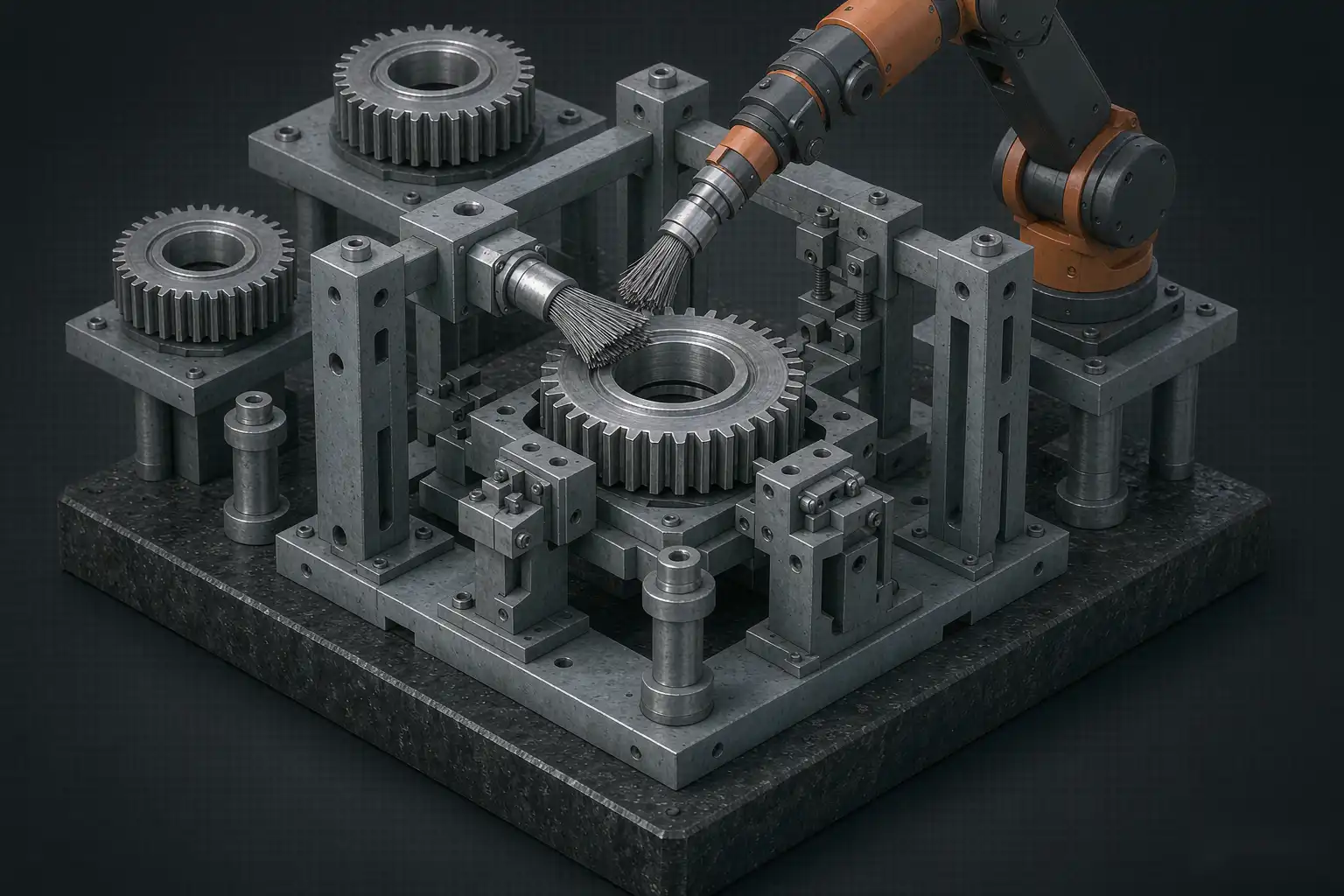
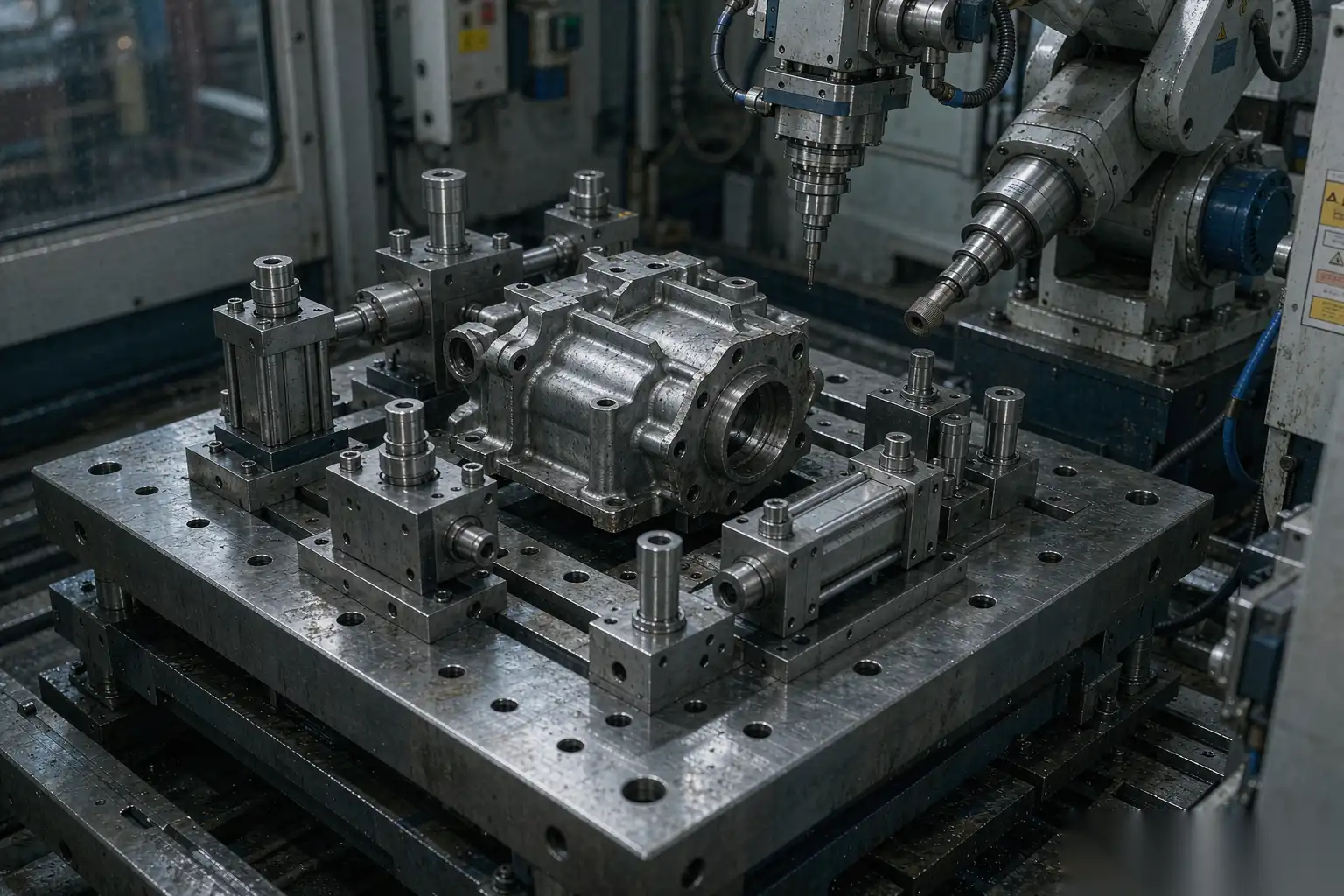
A robotic cell indexes the gear on a fixed datum and drives a compliant brush or blade along the tooth root at locked force, clearing the burr without cutting the flank. Force control is what lets the tool follow the root and lift off the flank. It repeats the same safe path every gear.
The protect-the-critical-zone logic is the same one we use on pipe fitting deburring — clear the edge, spare the surface.
What Has to Be True First
Consistent Tooth Geometry
Deburring only clears what’s there. If the cut tooth varies, the burr varies and the cell chases it. Stable cutting first.
Fixed Datum and Index
Locate the gear on its bore and index each tooth so the tool meets the root every time. A shifted datum nicks the flank instead of the burr.
Right Tool and Force
A compliant brush clears the root without gouging; a stiff blade is faster but riskier on the flank. Match the tool to the tooth and lock the force.
Three Mistakes Buyers Make
1. Deburring like a flat part. A gear’s flank is the product. Program the cell to spare it; don’t run a generic edge-clear.
2. Skipping force control. Fixed-path without force feedback either misses the root burr or cuts the flank. Force control protects the tooth.
3. No tooth-root check. Inspect the root on the line so a drift shows before a batch of nicked gears ships.
Frequently Asked Questions
Can a robot deburr the tooth root without hurting the flank?
Yes, with a compliant tool, fixed datum, and locked force. The tool follows the root and lifts off the flank; that’s exactly what force control delivers, cycle after cycle.
Does automated gear deburring beat hand speed?
On batches, clearly. A cell clears hundreds per hour with no flank damage from fatigue; hand deburring slows and nicks under pressure. The root quality is where the gap shows.
How many gear types fit one cell?
Several, with quick-change fixtures and stored index programs. Design changeover in so mixed-tooth batches don’t stall the cell — the same automatic faucet line design factors apply to any mixed-SKU cell..
This guide was prepared by the application engineering team at Xiamen Dingzhu Intelligent Equipment Co., Ltd. (DZ Machinery), which designs and commissions deburring, grinding, polishing, and die-casting lines for manufacturers across more than a dozen countries. Deburring notes reflect typical gear outcomes; confirm against your tooth geometry and class before purchase.
Tags: deburring, robotic deburring, Robotic Deburring Cell, surface finishing, metal, Metal Casting