

Faucet Core Shooting: Why Automate the First Process Step
A brass faucet body almost always has internal water passages you can’t machine from the outside. Those passages are formed by a sand core placed inside the mold before casting. How that core is made decides whether your faucet holds water or leaks, and whether your line runs smooth or fights scrap. We visited a faucet maker in India whose leak rate at test was 9% — and the cause wasn’t the mold. It was hand-rammed cores that varied part to part. Automating the very first step fixed a problem everyone was trying to solve at the end of the line.
This guide explains why core shooting belongs at the front of a faucet line, not the back.
What the Core Actually Does
The core defines every internal channel in a faucet body — the waterways, the mixing chamber, the passages to the spout and handles. If the core is off by a millimeter, the wall is thin in one spot and thick in another. Thin walls leak; thick walls trap porosity. The core is the part’s skeleton, and you can’t fix a bad skeleton by polishing the outside.
Why Manual Coremaking Hurts a Faucet Line
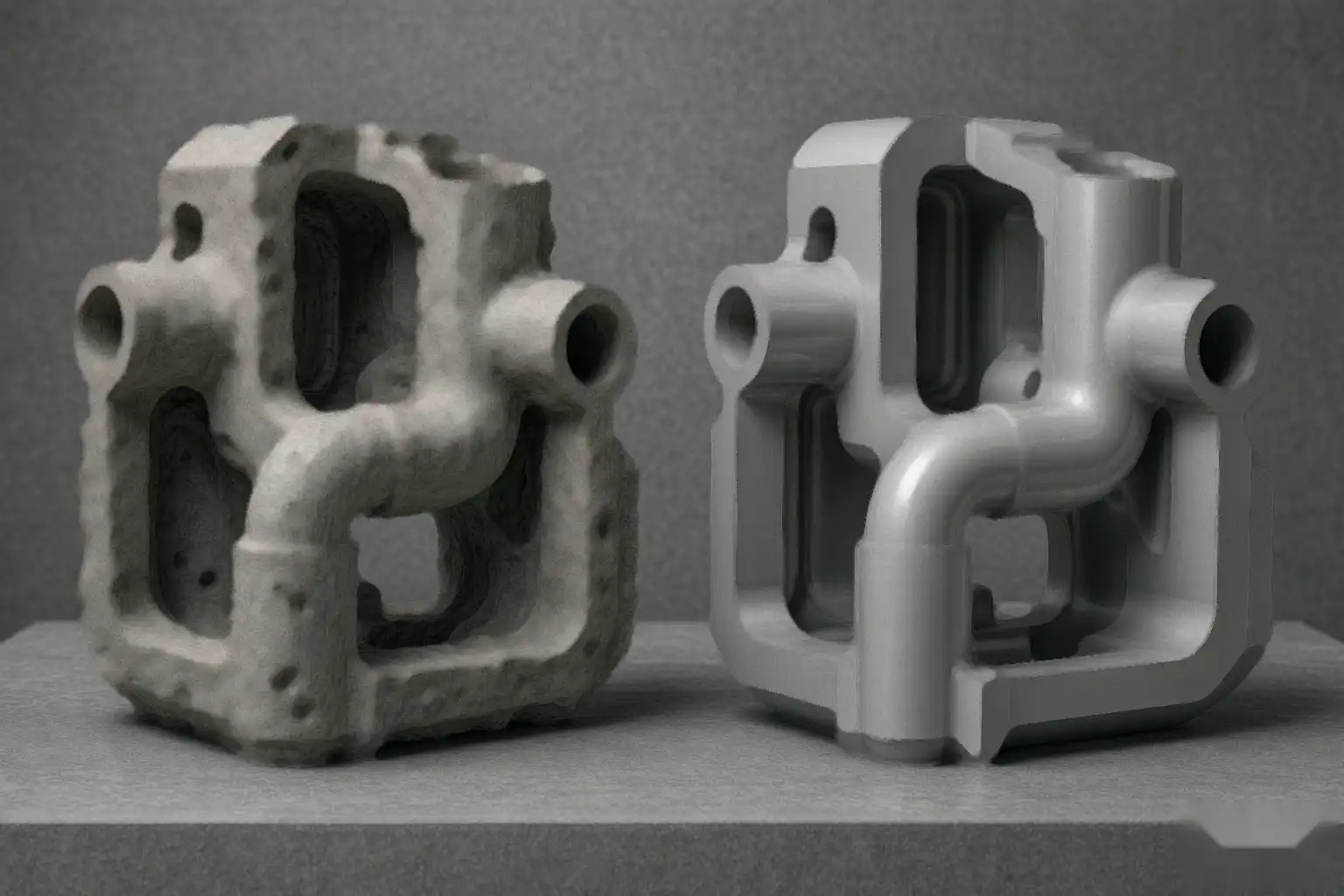
Hand ramming puts the core’s quality in an operator’s hands, hour by hour. Density varies, so walls vary, so leak rate varies — and the leaks only show up at pressure test, after CNC, grinding, and buffing have all been paid for on a part you’ll scrap. That’s the expensive way to learn the core was wrong. Our broader look at core shooting versus manual coremaking covers the trade-offs in detail.
What an Automatic Core Shooter Gives You
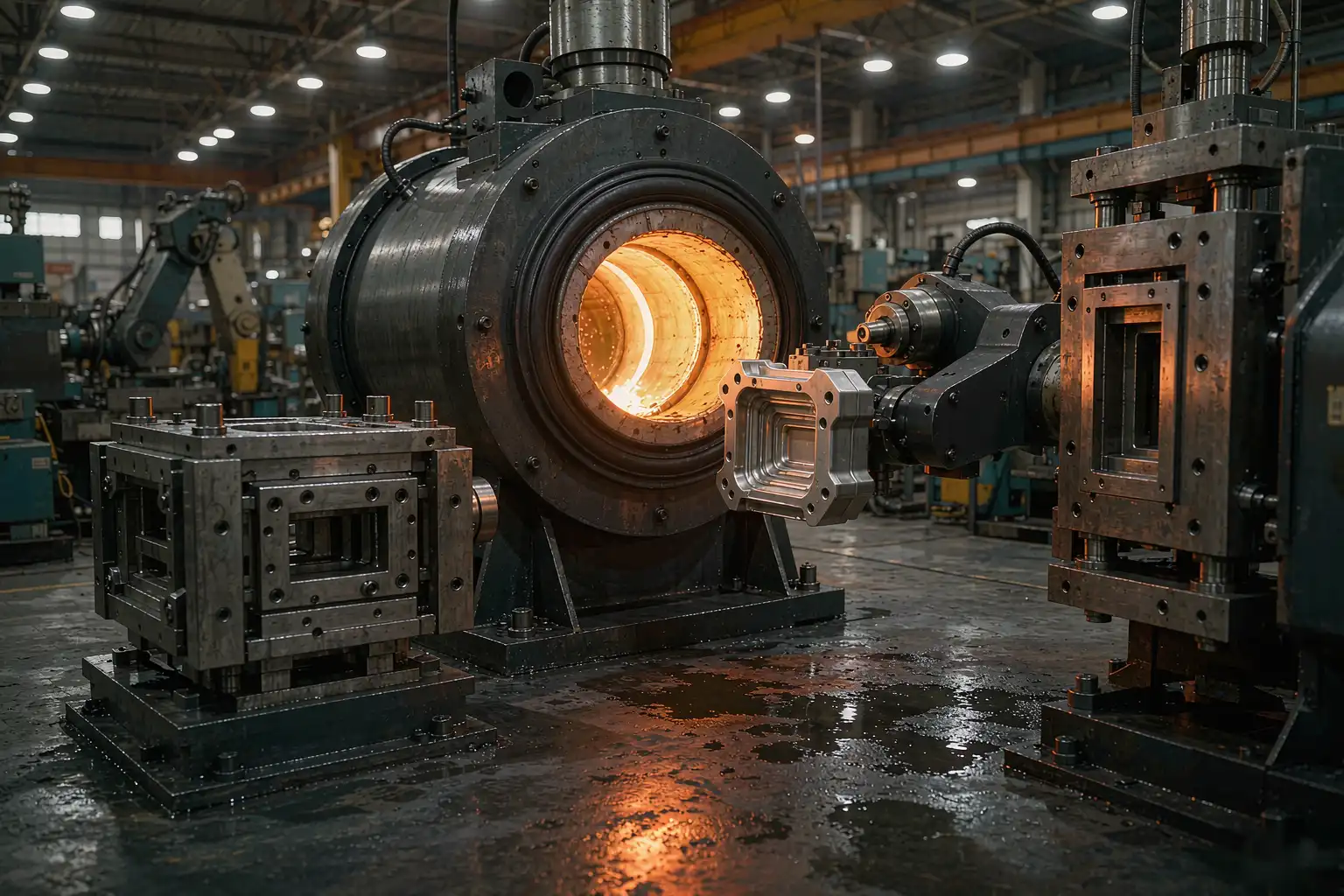
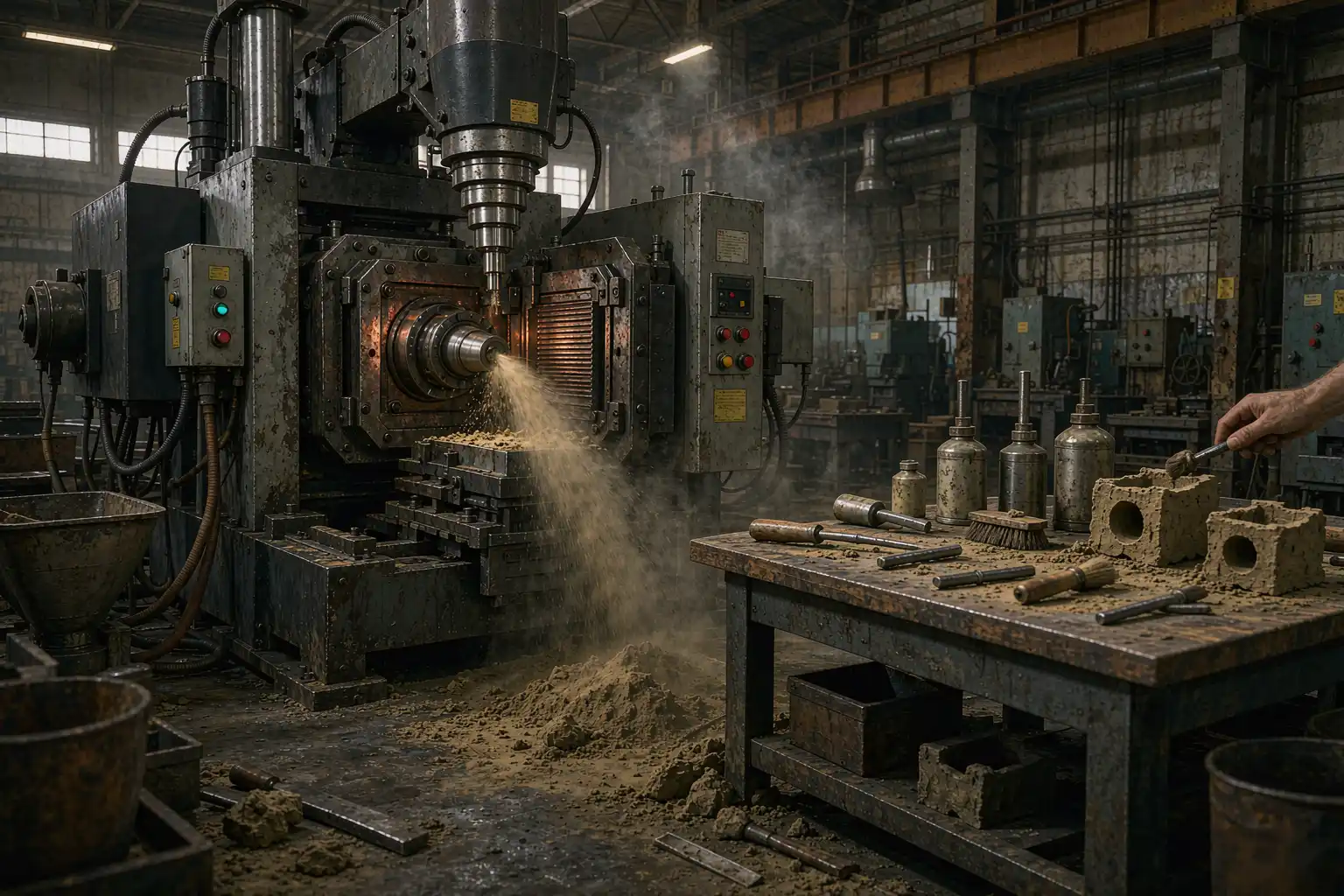
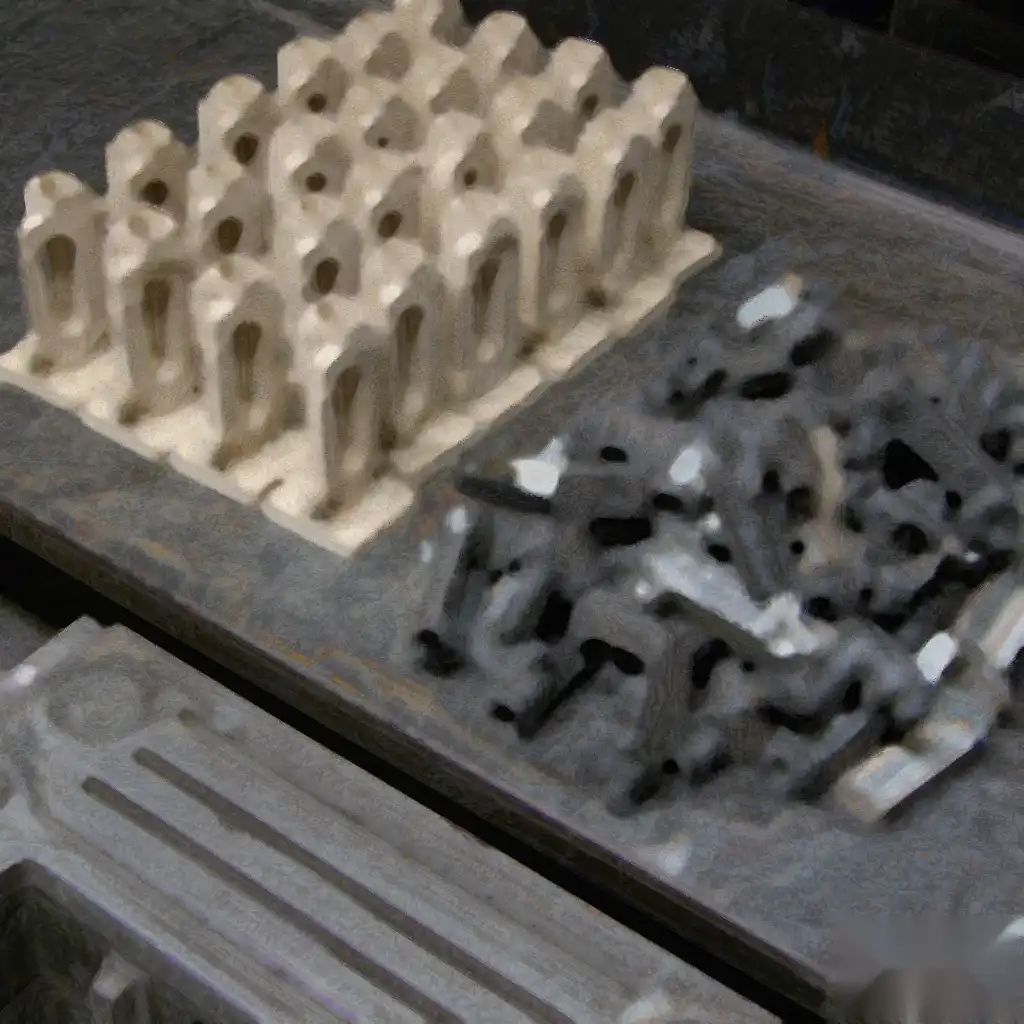
A shooter blows sand-and-binder into a heated box in one even pulse and cures it in seconds. The result is a core that’s identical run to run — same wall thickness, same passage shape, same surface. Three things follow:
- Lower leak rate — consistent walls mean fewer thin spots that fail test.
- Less grinding — a true core needs less cleanup at the parting line, so the grinding station downstream isn’t buried.
- Less scrap overall — you catch nothing late, because the variation was removed at the source.
Why “First Step” Matters
Automating core shooting isn’t just one station — it’s leverage on every station after it. A consistent core means consistent castings, which means the CNC, grinding, and buffing cells can be tuned to one part shape instead of chasing a moving target. Automate it first and the rest of the line gets easier and cheaper to automate.
If you’re building a faucet line from scratch, this is the anchor we start with in our line design checklist.
Two Cautions Before You Buy
1. The box is the real tool. A shooter is only as good as the core box. Budget the box as precision tooling and have it made by someone who understands waterway geometry, or you’ll buy speed you can’t use.
2. Match the binder to your fume rules. Hot-box, cold-box, and inorganic binders change your exhaust and emissions kit. Pick for your local rules, not just cycle time.
Frequently Asked Questions
Why automate core shooting before casting or machining?
Because the core sets the part’s internal geometry. Get it consistent and every downstream station — CNC, grinding, buffing — is tuned to one true shape. Inconsistent cores push scrap and rework to the most expensive end of the line.
Does core shooting help faucet leak rates?
Yes, directly. Uniform core walls mean fewer thin sections that fail pressure test. Shops that move from hand-rammed to shot cores usually see leak rate drop sharply because the variation is removed at the source.
Is a core shooter worth it for low faucet volumes?
Below a few hundred consistent bodies a month, manual or outsourced cores may be cheaper on capital. The shooter pays off once volume, leak pressure, or scrap cost make consistency the deciding factor.
This guide was prepared by the application engineering team at Xiamen Dingzhu Intelligent Equipment Co., Ltd. (DZ Machinery), which designs and commissions deburring, grinding, polishing, and die-casting lines for manufacturers across more than a dozen countries. Process notes reflect typical faucet foundry practice; confirm exact parameters against your part, alloy, and supplier before purchase.
Tags: faucet, faucet casting, faucet production line, foundry, die casting, automatic faucet production