

Faucet Band Saw Cutting: How to Minimize Material Waste
Brass is not cheap, and a faucet line throws away more of it than most managers realize. At a foundry in Egypt we weighed a week of runners and gates — the metal cut off before machining — and it came to nearly 18% of the purchased alloy. Half of that was avoidable with a better cut. The buyer had been shopping for cheaper brass when the money was walking out the door as sawdust and offcuts. Band saw cutting is the first place a faucet line either saves metal or burns it.
This guide covers how to cut runners and gates so the metal you paid for ends up in the part.
What Gets Cut, and Why It Matters
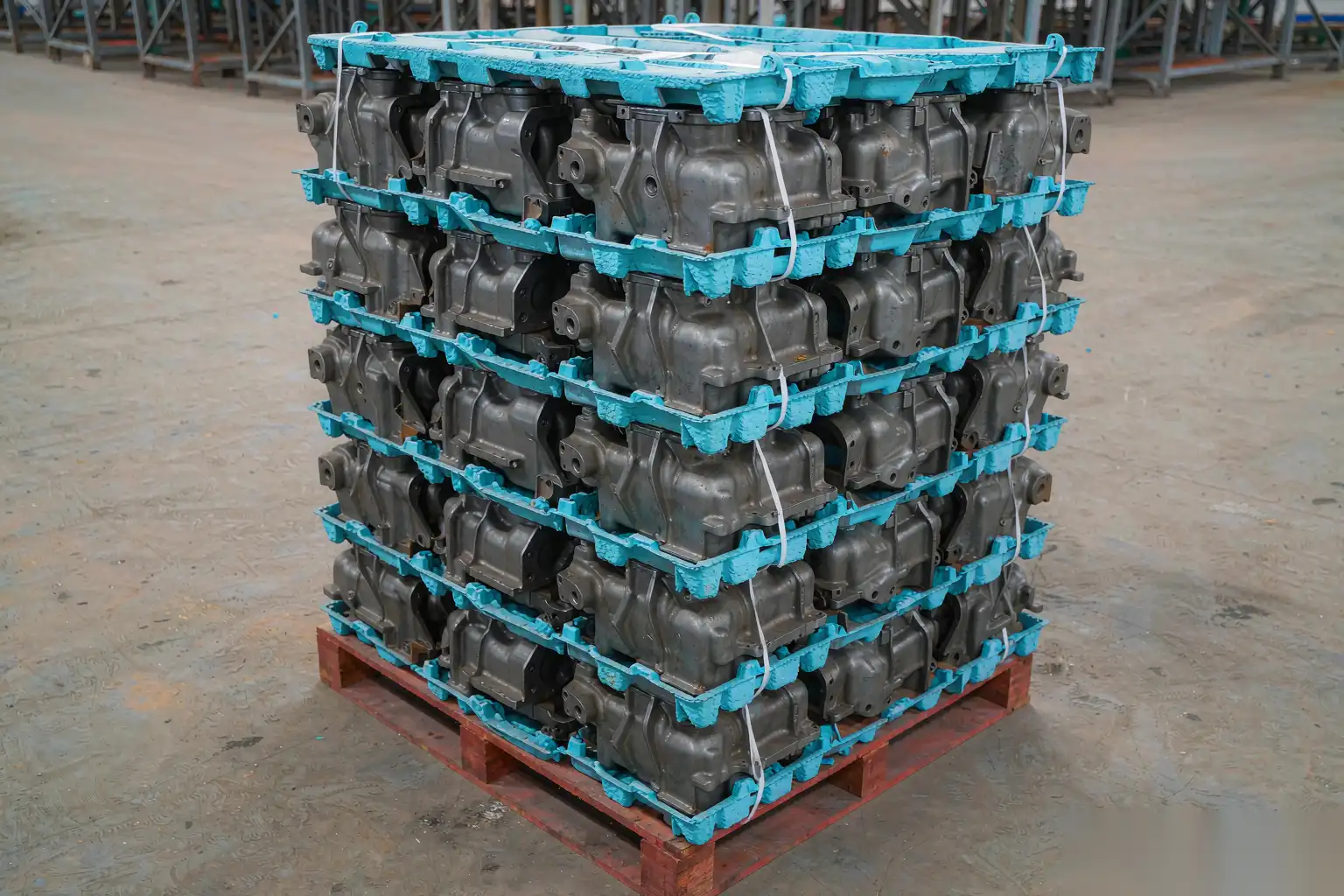
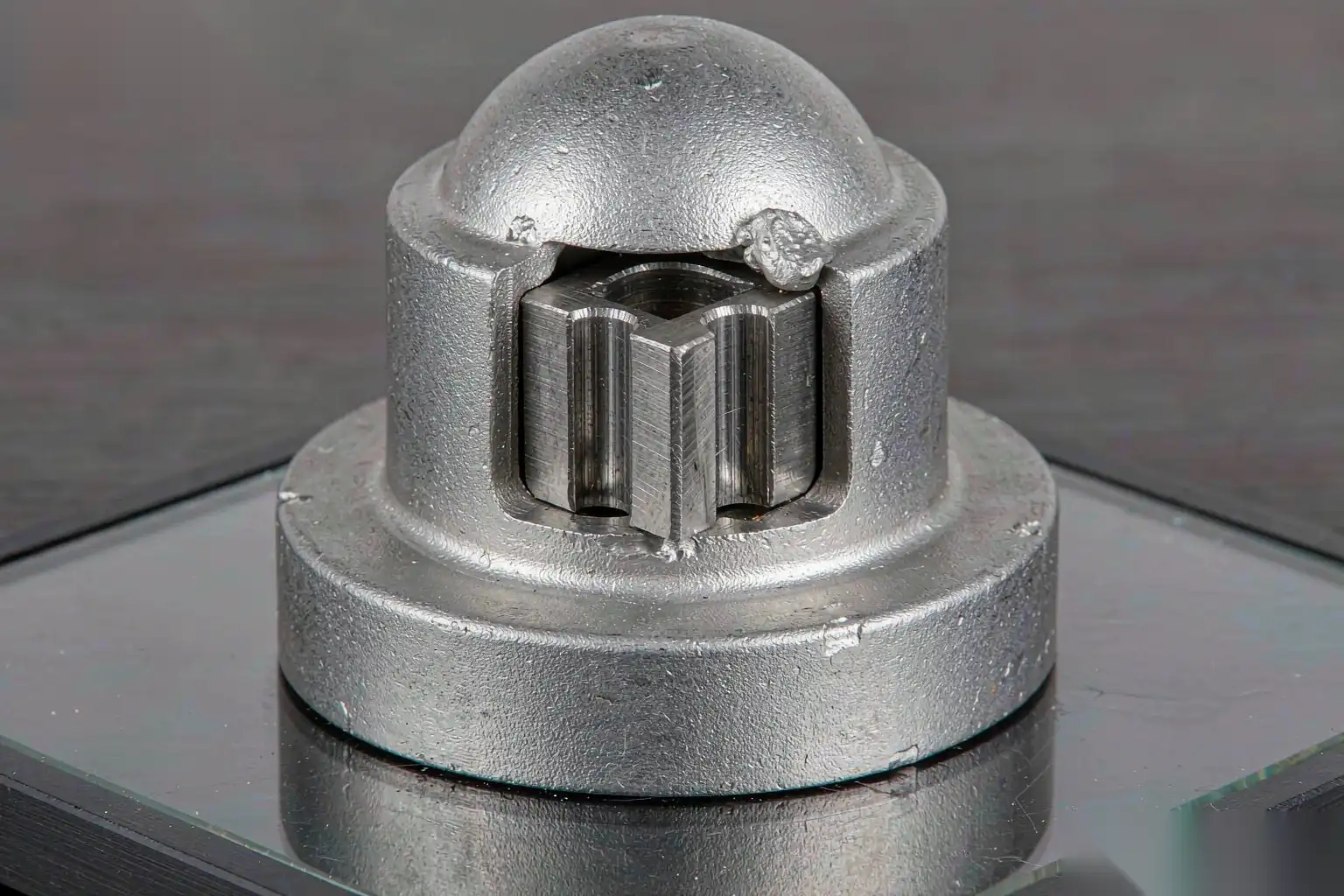
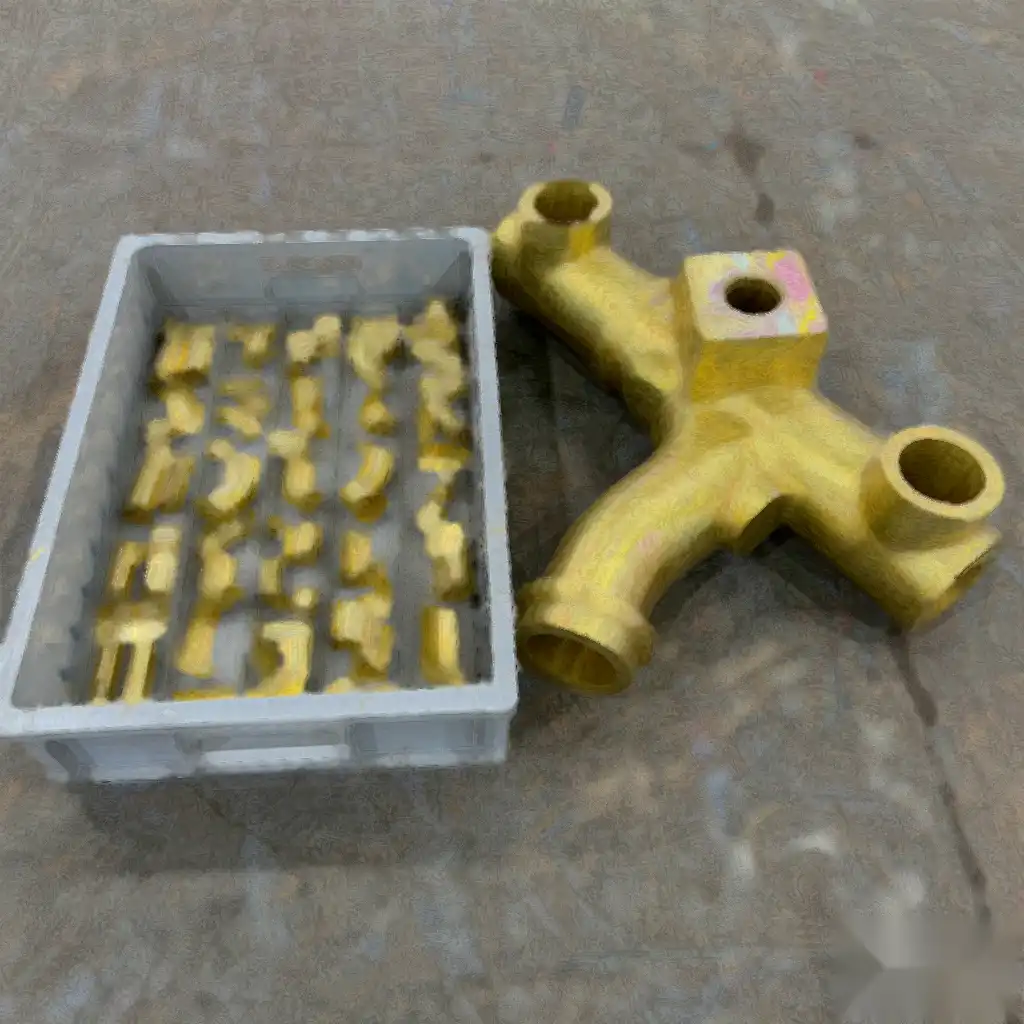
Every cast faucet body comes with a runner (the channel the metal flowed through) and a gate (where it met the part). Those have to come off. The cut line decides two things: how much good metal you remove with the scrap, and how much finishing the grinding station has to do afterward. A careless cut wastes alloy and creates a parting-line mess the next station pays for.
How a Band Saw Minimizes Waste
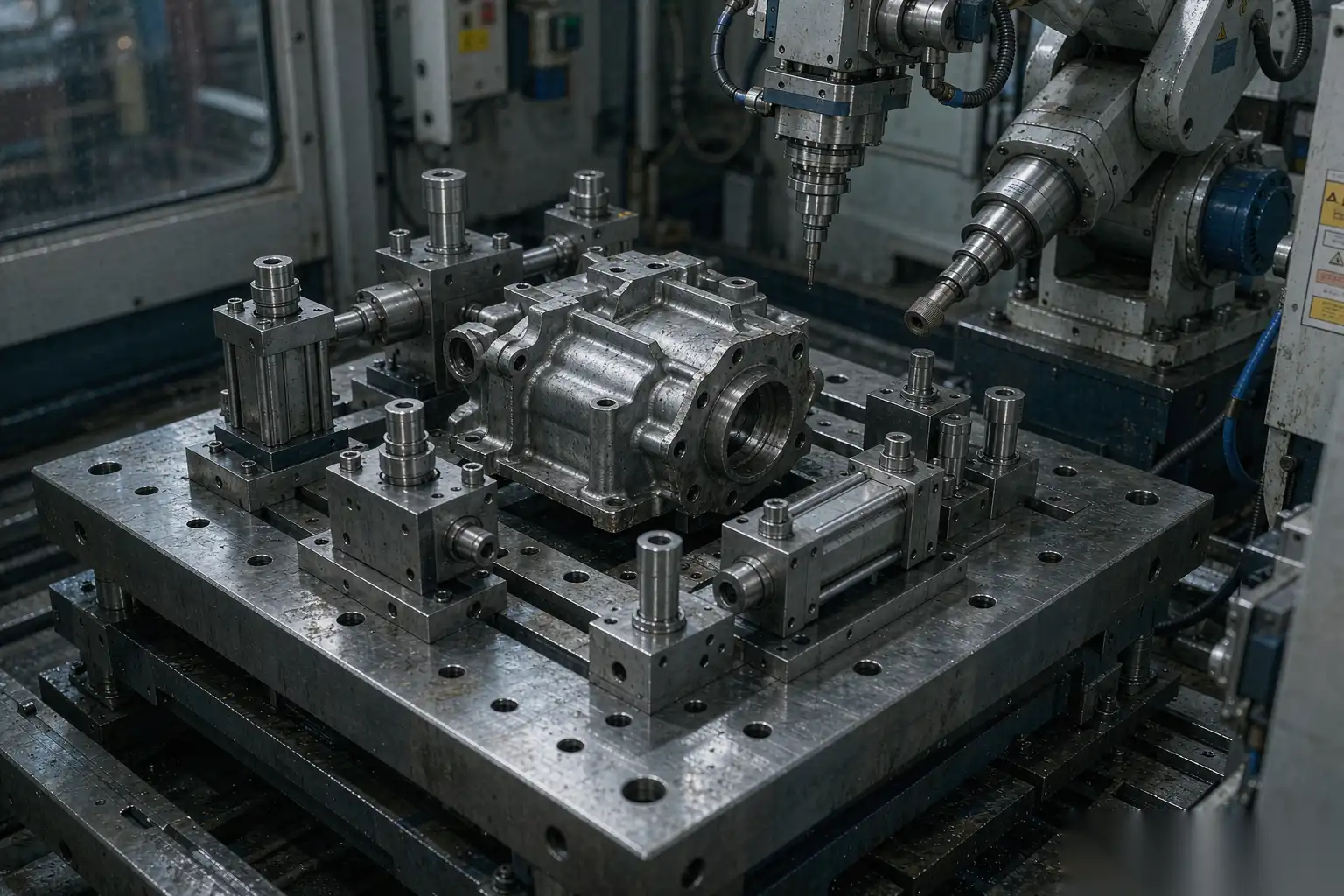
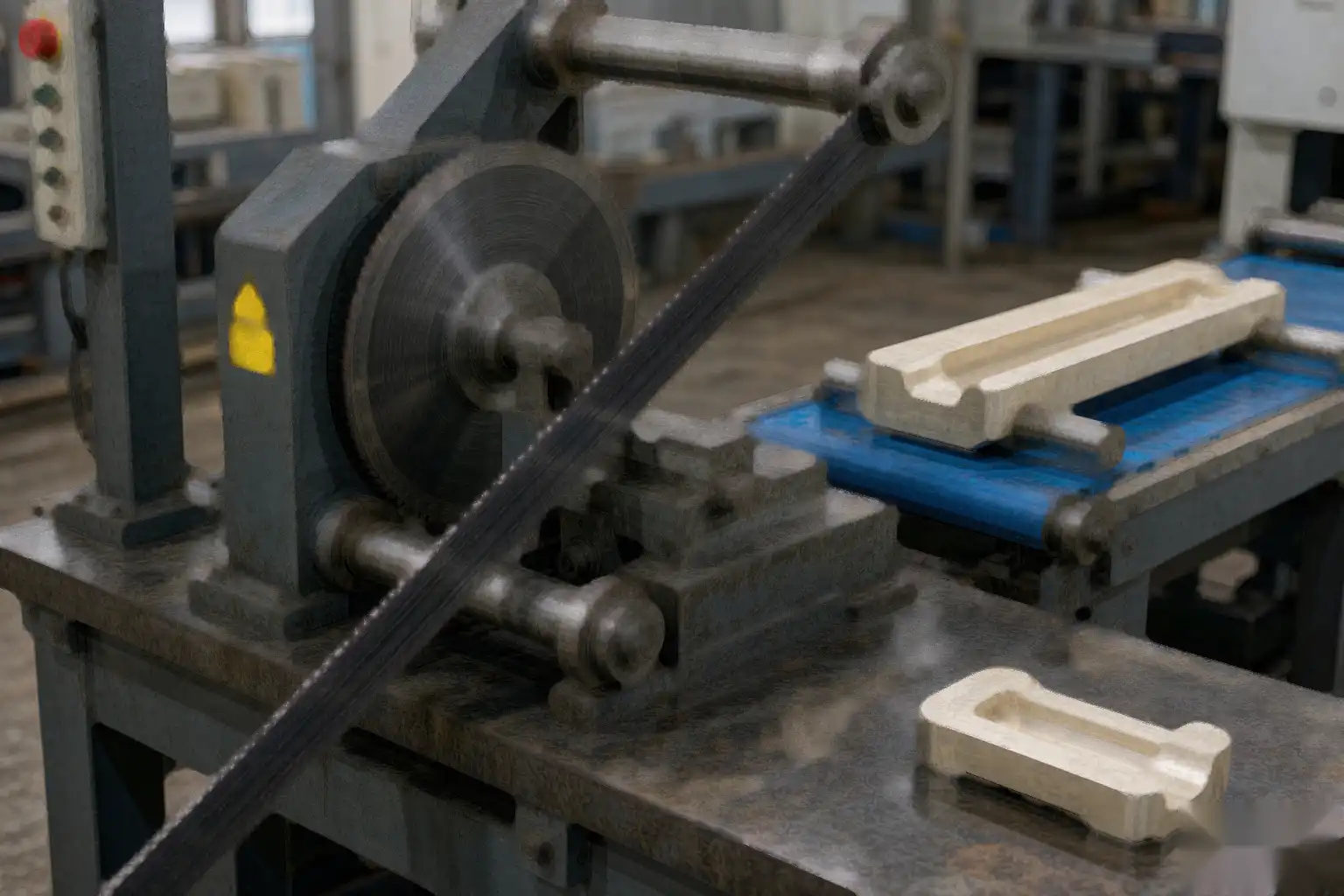
A band saw with a thin kerf and a located fixture removes the runner right at the part edge, leaving only a thin gate nub. Compare that to a coarse cutout that takes a slice of good body with the scrap. The thinner and more accurate the cut, the less alloy you throw away and the less you grind later. Small per-part savings multiply across a line running millions of bodies a year.
This step feeds directly into the rest of the faucet line — a clean cut means the grinding and CNC stations start from a consistent datum.
Where the Waste Really Hides
Kerf Width
A wide blade removes more metal per cut than a thin one, permanently. Spec a blade and feed suited to brass so the kerf is as narrow as the cut quality allows.
Cut Location
Cutting a few millimeters into the body “to be safe” is the most common waste. Locate the cut on the gate, not the part, with a fixture that repeats. The safe margin should be in the fixture, not in the scrap.
Scrap Recovery
Even good cutting leaves runners. Those are recyclable alloy, not trash. Separate and return them to the melt and you close the loop on the metal you paid for.
Three Mistakes Buyers Make
1. Buying the cheapest blade. A worn or wrong blade wanders and takes extra stock. The blade cost is nothing next to the alloy it wastes.
2. Letting the cut drift with the operator. Hand-fed cuts vary. Fixture the part and let the saw locate, so every gate is cut at the same line.
3. Ignoring regrind stock. Leave too much and grinding eats time; leave too little and you risk a notch. Tune the nub to what your grinding cell can clean fastest.
Frequently Asked Questions
How much material can band saw cutting save on faucets?
On lines cutting by hand or with coarse blades, tightening kerf and cut location typically recovers several percent of purchased alloy. Across high-volume production that’s a large recurring saving, often bigger than the price difference of the saw itself.
Does a thinner cut hurt part strength?
No. Cutting at the gate, not into the body, leaves the part intact. The goal is to remove only the runner, leaving a minimal nub for grinding — strength is set by the casting, not the cutoff.
Should I automate the cutoff or keep it manual?
Once volume is past a few hundred bodies a day, a fixtured automatic band saw pays back through consistent cut location and lower alloy loss. Manual cutting drifts and quietly wastes metal.
This guide was prepared by the application engineering team at Xiamen Dingzhu Intelligent Equipment Co., Ltd. (DZ Machinery), which designs and commissions deburring, grinding, polishing, and die-casting lines for manufacturers across more than a dozen countries. Savings figures reflect typical faucet line outcomes; confirm exact numbers against your alloy price, part, and supplier before purchase.
Tags: faucet, faucet manufacturing, faucet production line, faucet manufacturing equipment, machine selection