

Die Casting Machine Maintenance: Tips to Avoid Costly Downtime
A die caster in Poland lost a Friday shift to a seized ejector pin. The part was simple, the order was urgent, and the failure was stupid: a coolant line had slowly clogged, the platen ran hot, and the pin galloped until it locked. The repair took four hours; the lost production and the late shipment cost far more. We’ve seen that story in a dozen countries. Most die casting downtime isn’t dramatic — it’s small, ignored, and cumulative.
If you run a die casting machine, this guide is the maintenance discipline that keeps it running. It’s written for the people who actually open the guard in the morning, not for a manual nobody reads.
Why Downtime Costs More Than You Think
A stopped machine isn’t just idle metal. It’s a crew with nothing to do, a furnace still burning gas, a finishing cell backing up behind it, and a shipment date slipping. The real cost of a breakdown is the cascade, not the repair. That’s why the cheapest maintenance is the kind that stops the failure before the shift starts — and why a properly sized cell with margin beats one run flat-out until it breaks.
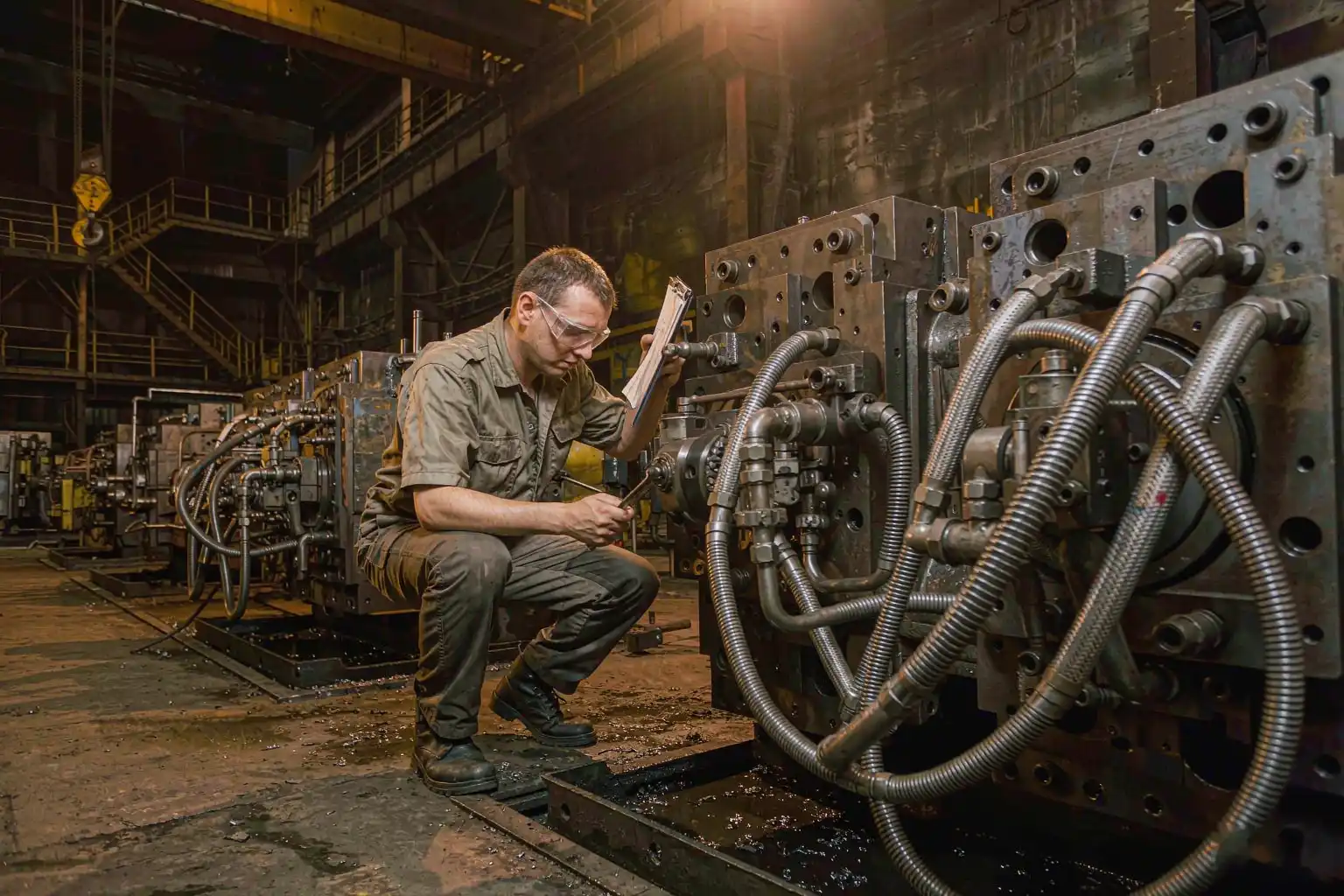
Per-Shift Checks That Catch Most Failures
Furnace and Stalk
Check melt level, refractory condition, and stalk seating every shift. A leaking or mis-seated stalk contaminates the shot and erodes fast. Small drops of metal where they shouldn’t be are an early warning — don’t wipe and forget them.
Platen, Tie Bars, and Ejectors
Watch for uneven platen marks, ejector pins that drag, and tie-bar stress lines. Lubricate on schedule, not on sight. Pins and sleeves wear together; replace as a set when one is suspect.
Cooling Circuit
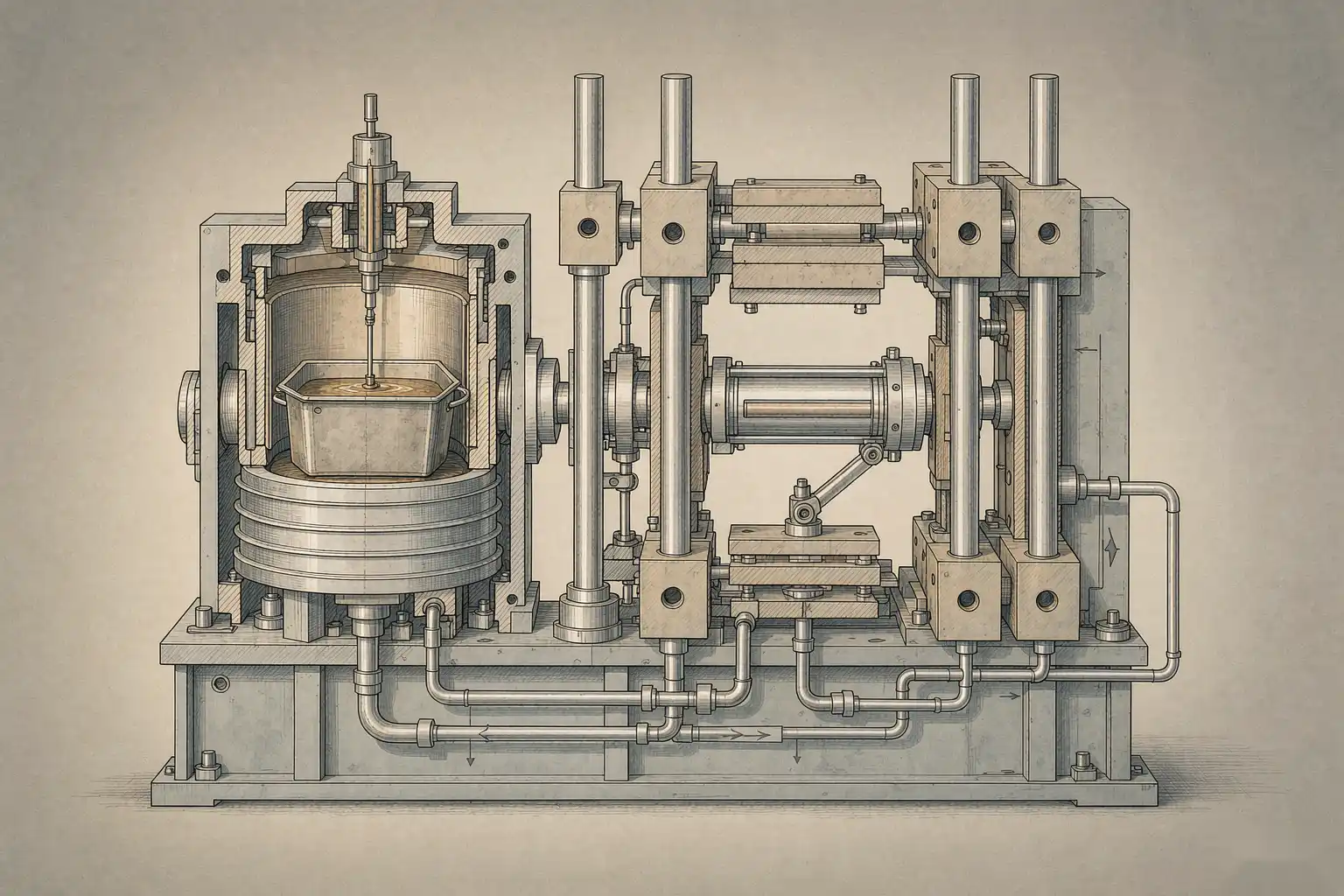
Cooling is where most silent failures live. Verify flow and temperature on every circuit, not just the main line. A partly clogged line raises cycle time and warpage long before it causes a hard stop. Our notes on die cooling system design cover placement and balance that make this check meaningful.
Hydraulics and Controls
Watch oil temperature, filter pressure, and any new alarm on the controller. A controller that starts throwing intermittent faults is describing a problem — log it before it becomes a stoppage.
A Preventive Schedule, Not a Prayer
Daily checks catch the obvious. Weekly and monthly tasks catch the rest: torque checks, seal replacement on a calendar, calibration of fill-pressure recipes, and a documented inspection of the die itself. The discipline matters more than the interval — a written log that someone reviews beats a perfect schedule nobody follows.
Spare Parts Strategy
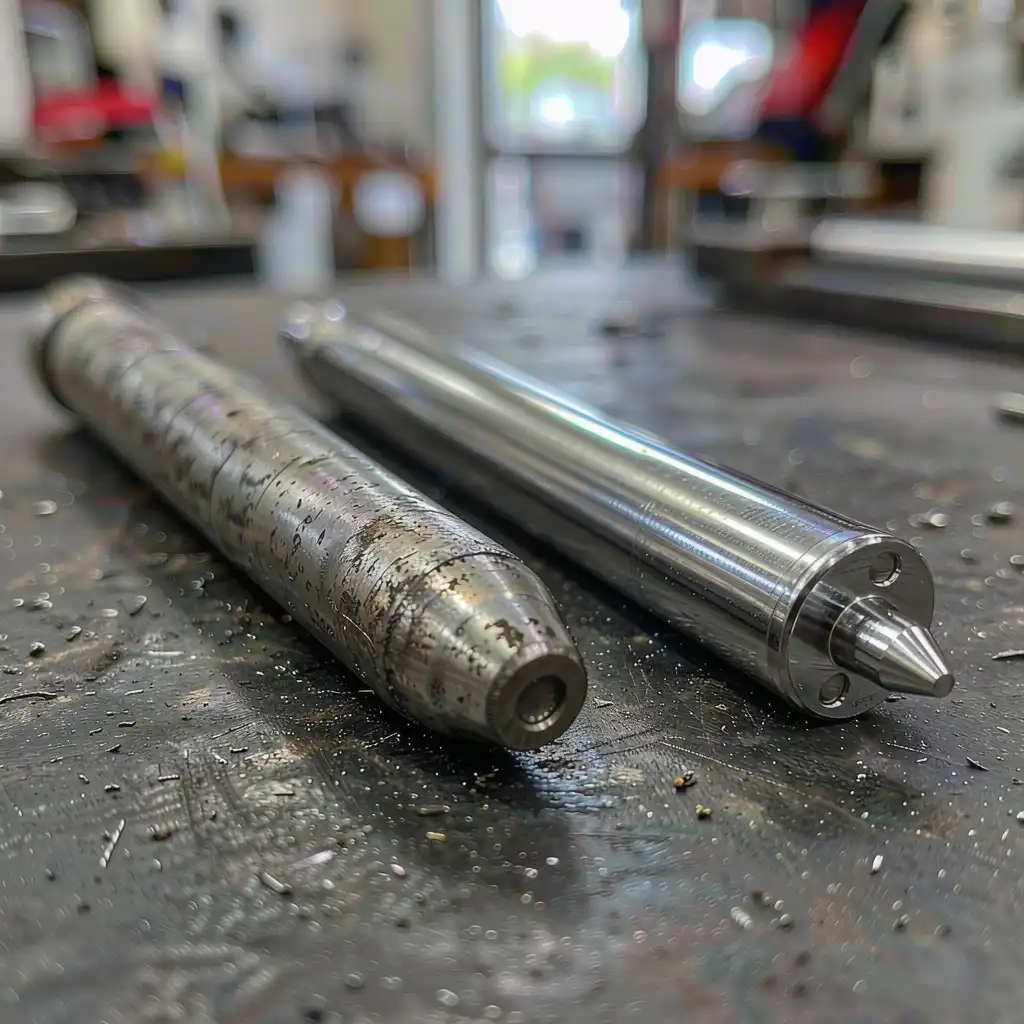
Keep the parts that stop the line on the shelf: ejector pins and sleeves, seals, sensors, and a spare stalk. The goal isn’t to stock everything — it’s to stock the few items whose absence turns a four-hour fix into a four-day wait. A simple min/max list, reviewed quarterly, prevents most surprise stops.
Three Mistakes That Multiply Downtime
1. Running until it breaks. Preventive maintenance costs a planned hour; breakdown costs an unplanned shift plus the cascade behind it.
2. Ignoring the cooling circuit. It fails quietly — slower cycles and more scrap first, a hard stop later. Track flow and temperature, not just “is it cold.”
3. Skipping calibration. Fill-pressure and clamp recipes drift. Recalibrate on a schedule or your “same” part slowly becomes a different, worse part.
A Pre-Maintenance Checklist
- Per-shift log: furnace, platen, ejectors, cooling flow, hydraulics, alarms
- Monthly: torque, seals, recipe calibration, die inspection
- Spare parts min/max for line-stop items, reviewed quarterly
- One owner who reads the log and acts on trends, not just faults
- Training so the night crew checks the same things the day crew does
Frequently Asked Questions
How often should a die casting machine be serviced?
Daily operator checks plus scheduled weekly and monthly tasks, with major service tied to shot count or calendar — whichever comes first. The interval matters less than doing it consistently and logging it.
What causes most die casting machine breakdowns?
Cooling-circuit clogging, ejector and tie-bar wear, and hydraulic seal failure top the list. Almost all are caught early by simple per-shift checks.
Which spare parts should I always keep on hand?
Ejector pins and sleeves, seals, key sensors, and a spare stalk — the few items whose absence turns a short fix into a long line stoppage.
This guide was prepared by the application engineering team at Xiamen Dingzhu Intelligent Equipment Co., Ltd. (DZ Machinery), which designs and commissions deburring, grinding, polishing, and die-casting lines for manufacturers across more than a dozen countries. Maintenance intervals above reflect typical practice; confirm exact schedules against your machine manual and supplier.
Tags: die casting machine, die casting, foundry, machine selection, buying, aluminum die casting