

Core Shooting Machine vs Manual Coremaking: Which Wins?
A brass foundry in Morocco came to us with a simple question and a frustrating problem. They made valve bodies the old way — operators ramming sand into core boxes by hand, one at a time. The work was skilled and slow, and every core came out a little different. They were hiring more people to make more cores and still missing shipments. “Should we buy a core shooting machine, or just train more coremakers?” the owner asked. It’s the right question, and the honest answer depends on volume, geometry, and how much scrap you’ll tolerate.
This guide puts the two methods side by side so you can decide without guessing. Neither is “wrong” — but they serve very different shops.
What Manual Coremaking Actually Looks Like
Manual coremaking is exactly what it sounds like. An operator packs sand-and-binder mix into a box, sometimes with a rammer, sometimes by hand, then opens the box and pulls the core. It needs little equipment and almost no capital. A good coremaker develops a feel for packing density that’s hard to describe and harder to replace. For one-off pattern work, low volumes, or cores you’re still iterating on, it’s genuinely the cheapest way to start.
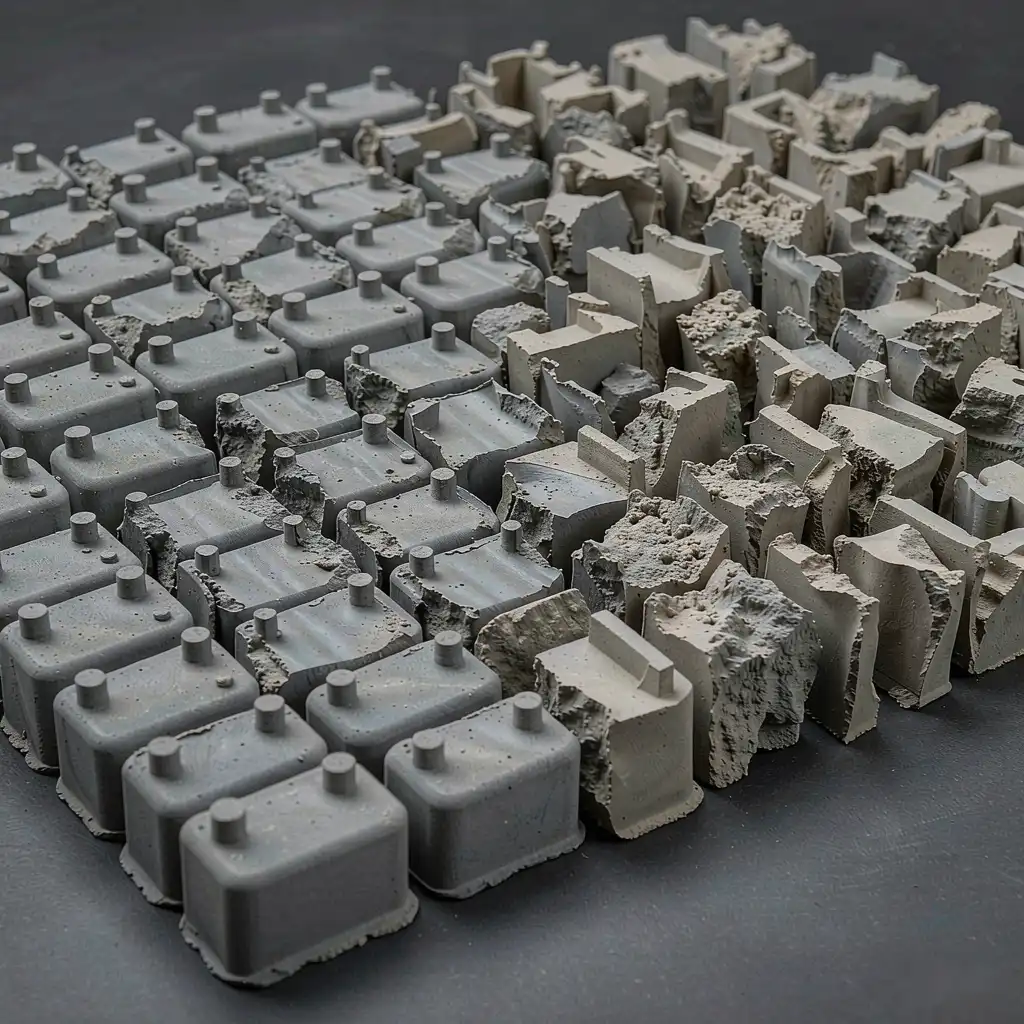
The catch is consistency. Packing density varies with the operator’s energy, the hour of the day, and the weather in the room. Those variations show up after casting as shifted bores, misruns, and rough internal walls — the kind of defects that don’t appear until the part is finished and expensive.
What a Core Shooting Machine Does Instead
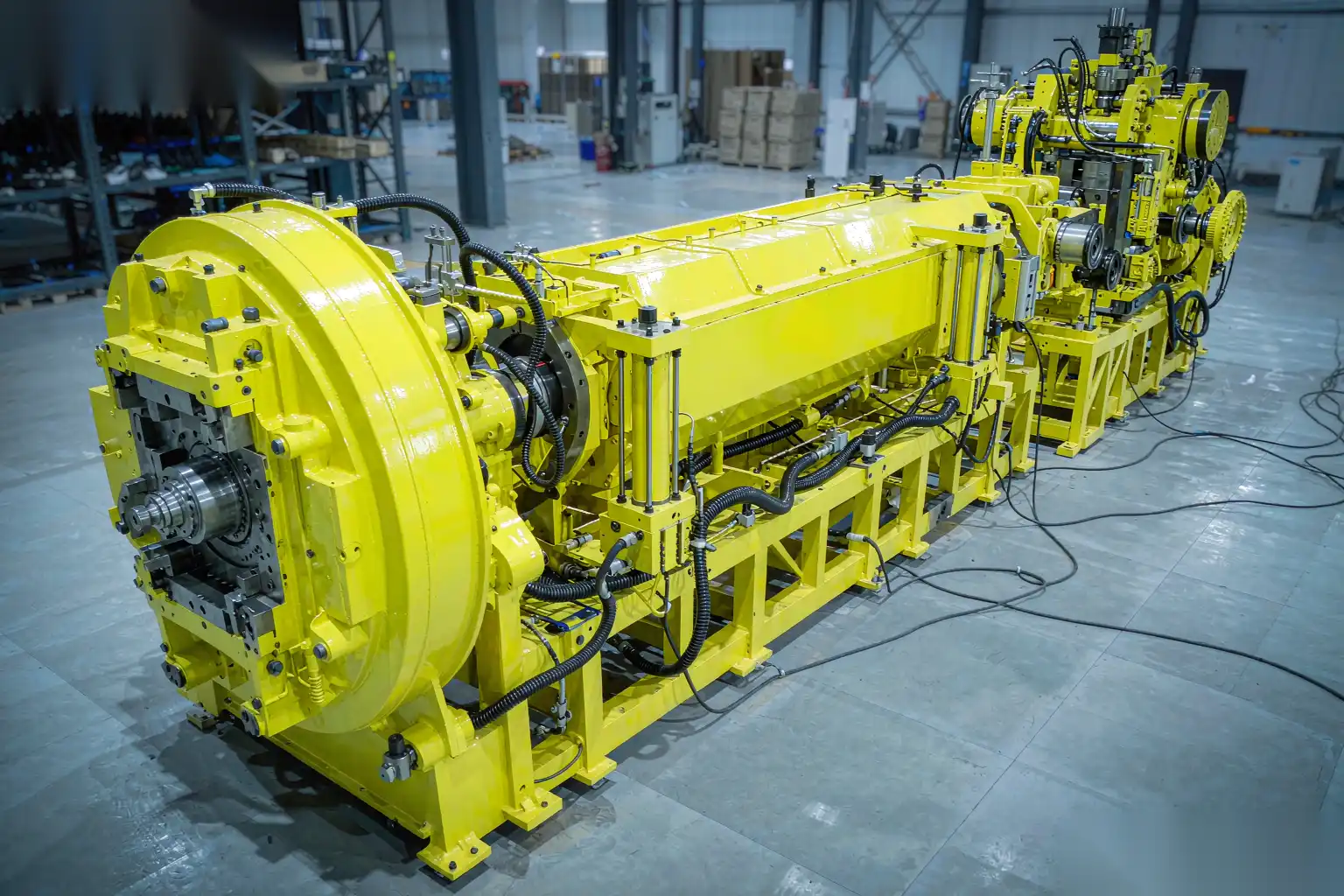
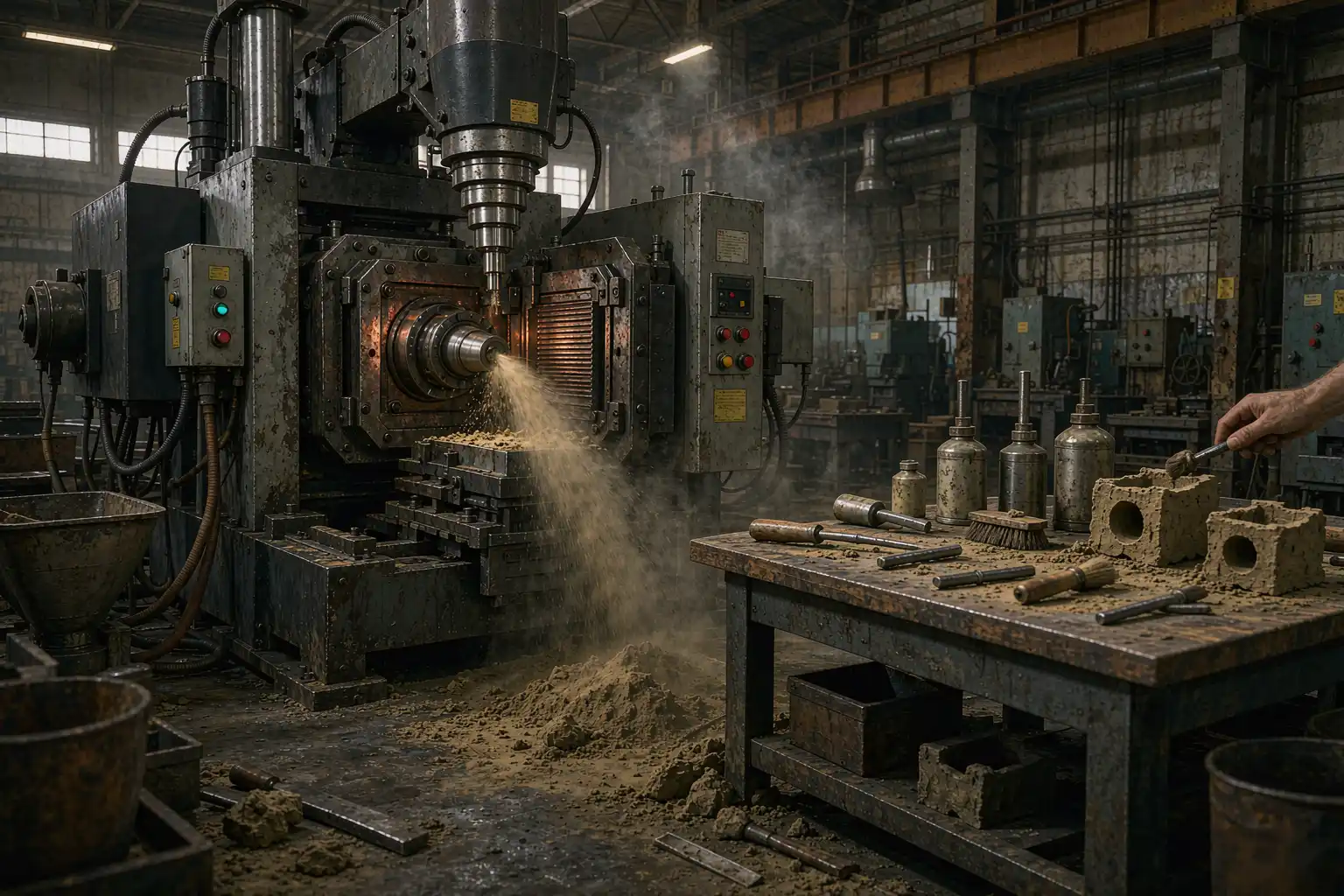
A core shooter blows a sand-and-binder mixture into a heated core box in one fast, even pulse. The heat cures the binder in seconds, and the finished core ejects cleanly. No ramming, no guessing, no operator-dependent packing. Once the box and recipe are set, the thousandth core is the same as the first.
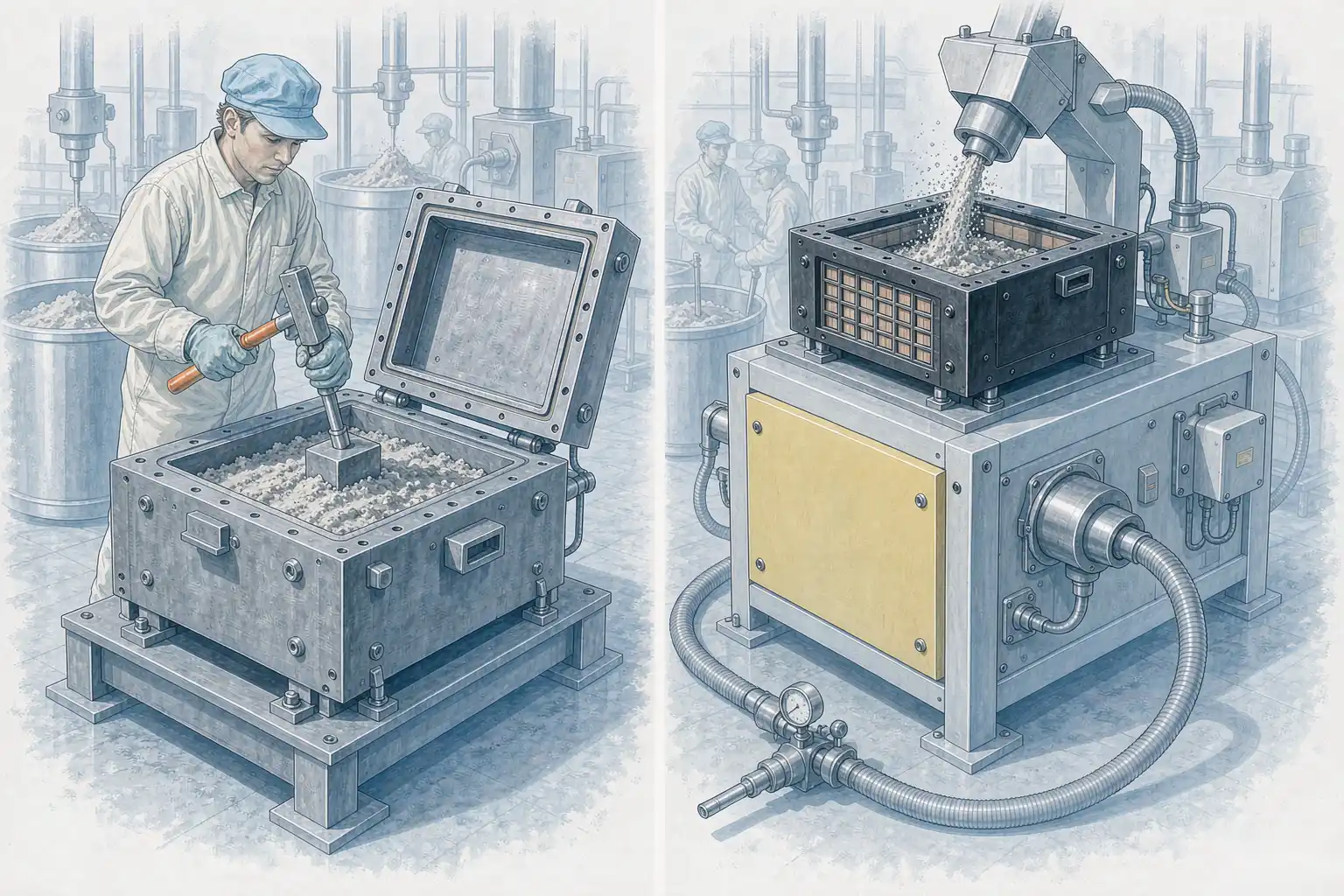
That single change — replacing feel with a repeatable shot — is what moves quality, speed, and labor all at once.
Head to Head: Where They Differ
Consistency Run to Run
This is the headline difference. A well-tuned shooter holds core dimensions within a fraction of a millimeter, run after run. Manual packing drifts. If you’re quoting tight internal tolerances, the shooter is what lets you hit the print without sorting parts.
Speed and Labor
A core that takes a person minutes to ram and strip is made in seconds and ejected automatically. One shooter replaces several manual coremakers on most geometries, and it doesn’t tire on a second shift. If you’re weighing the trade-off, our notes on in-house versus outsourcing frame the labor math in real numbers.
Complex and Hollow Cores
Hand ramming limits you to simple, pullable shapes. Shooting makes hollow, thin, and deeply undercut cores — the internal geometries that define modern valve, manifold, and engine parts. If a cavity is too complex to ram, a shooter isn’t a luxury; it’s the only way to make the part.
Internal Surface Quality
The core defines the internal wall of the casting. A smooth, true core gives a smooth bore; a ragged hand-made one leaves a surface no amount of machining fully fixes cheaply. Shooting also uses less binder than many manual methods, so there’s less gas and residue to burn out.
Where Manual Coremaking Still Wins
Be honest about your volumes. For truly low runs — prototypes, bridge production, a few hundred parts while you prove a design — manual coremaking avoids the capital and the tooling lead time. It also wins when the core geometry changes weekly and a rigid box would be obsolete before it pays back. The mistake isn’t using manual methods; it’s using them past the point where scrap and labor cost more than the machine.
Three Mistakes Buyers Make
1. Buying the shooter before the box. The machine is only as good as the core box. Budget the box as tooling, not a consumable, or you’ll buy speed you can’t use.
2. Ignoring venting and blow pressure. Under-blown cores have soft spots; over-blown ones crack. Both waste the machine’s advantage, so tune per core, not once and forgotten.
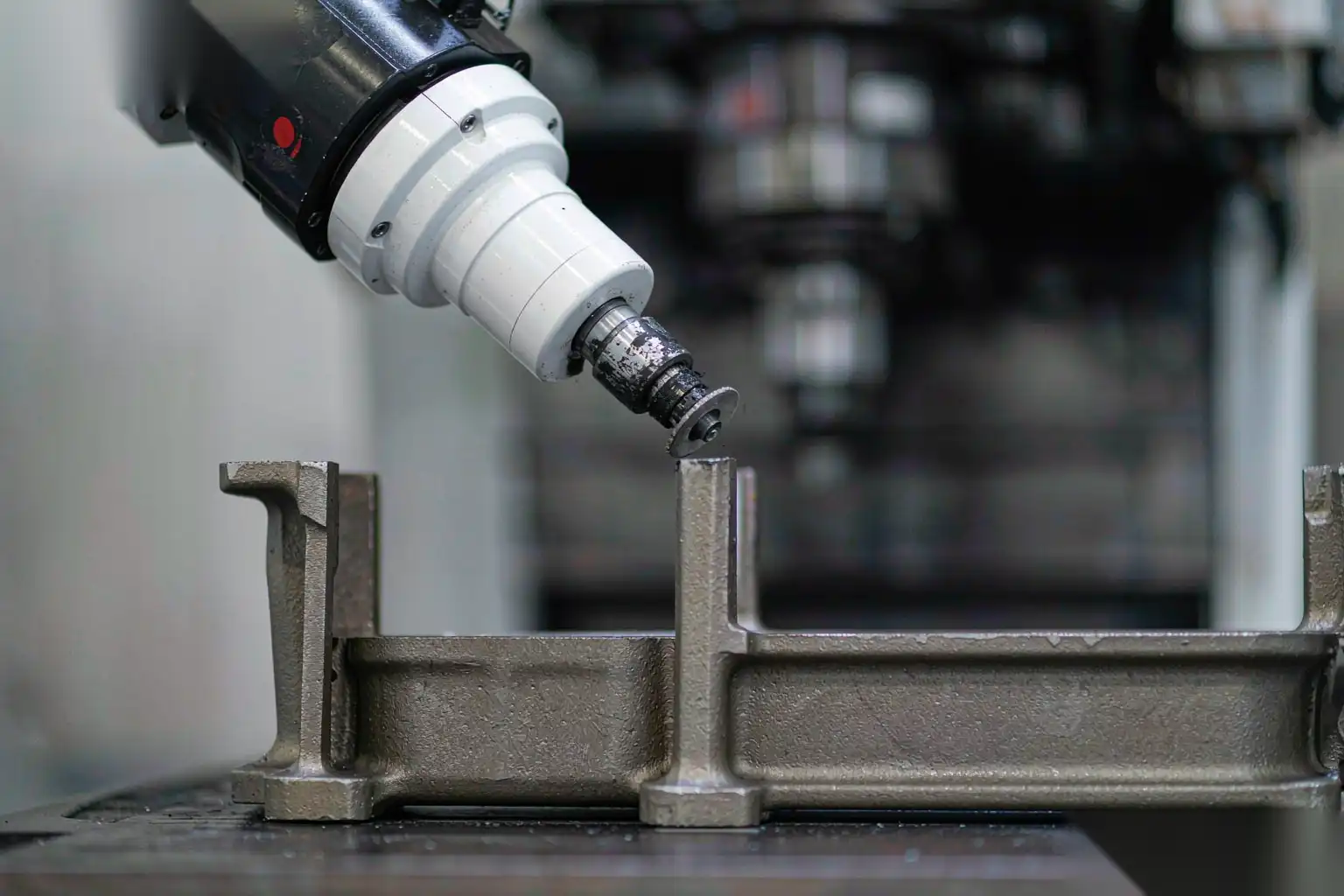
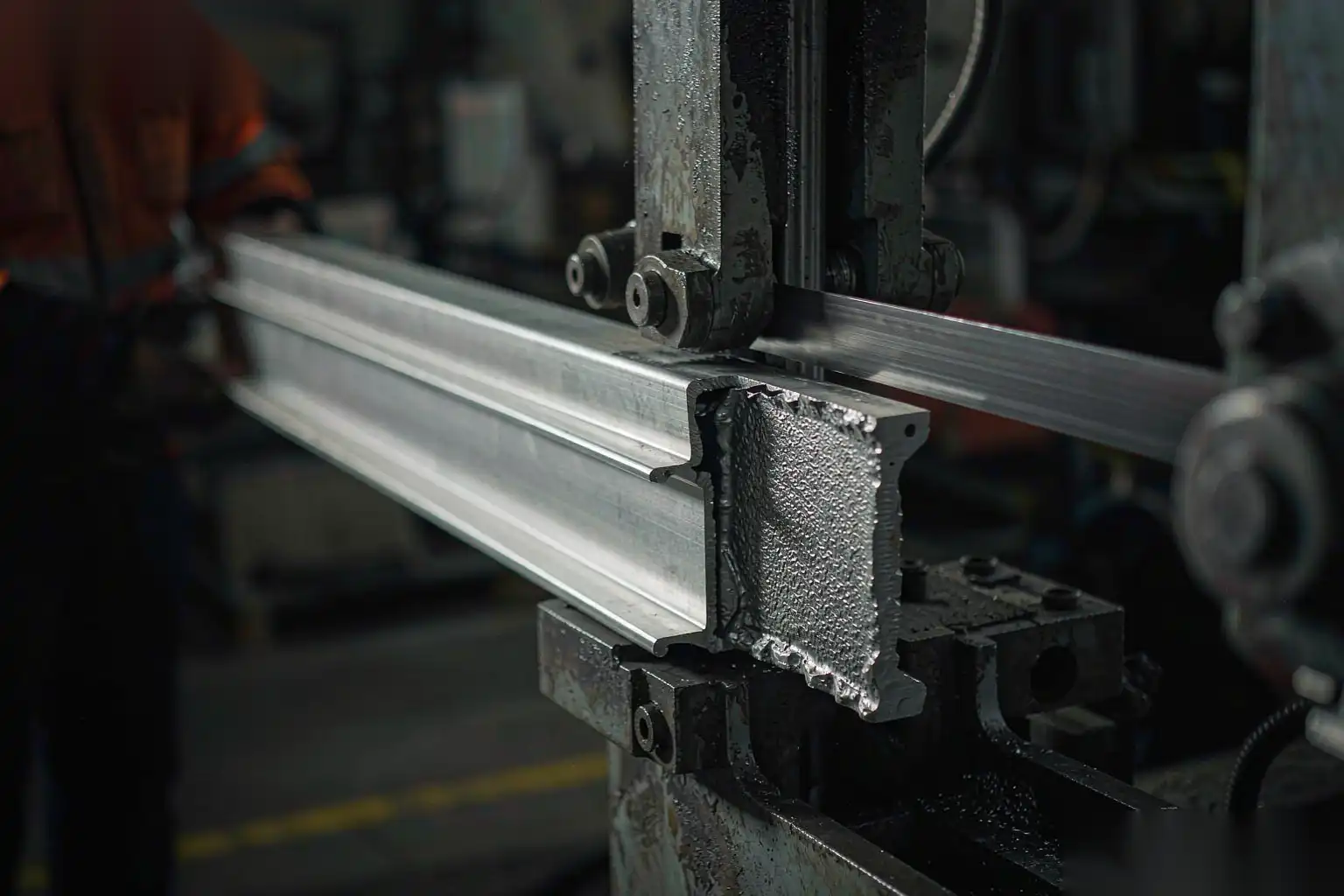
3. Forgetting the downstream step. A perfect core still needs the casting trimmed and cleaned. Plan the trimming and gate-cutting step alongside the shooter, or you’ll bottleneck at the cutoff saw.
A Pre-Quote Checklist
Before you talk to a supplier, write down:
- Monthly core volume now and in 18 months
- Typical core geometry — wall thickness, undercuts, hollow passages
- Binder process you can support (hot-box, cold-box, inorganic)
- Available floor space, compressed air, and exhaust
- Who will run and maintain the machine, and what training they need
Send that with a sample core or drawing. A supplier who asks about your box venting and binder is one who’ll deliver a cell that runs.
Frequently Asked Questions
Is a core shooting machine worth it for low volume?
Usually not below a few hundred consistent cores a month, where manual or outsourced coremaking avoids the capital and tooling lead time. It pays off once volume, complexity, or scrap pressure make consistency matter more than flexibility.
Can a core shooter make the same cores as manual ramming?
For almost all pullable and many undercut geometries, yes — and more consistently. Deeply complex hollow cores that can’t be rammed by hand are often only possible with shooting.
Which binder process should I choose?
Hot-box for heat-cured speed, cold-box for fast room-temperature curing and flexibility, inorganic where emissions rules are strict. The shooter hardware is largely the same; the choice is about alloy, fume limits, and cycle need.
This guide was prepared by the application engineering team at Xiamen Dingzhu Intelligent Equipment Co., Ltd. (DZ Machinery), which designs and commissions deburring, grinding, polishing, and die-casting lines for manufacturers across more than a dozen countries. Specifications above reflect typical core-shooting practice; confirm exact parameters against your part and supplier before purchase.
Tags: die casting machine, die casting, die casting process, foundry, automatic, machine selection, buying