

CNC Machining for Faucets: How to Improve Dimensional Accuracy
A faucet maker in Turkey lost a major distributor over a quarter-inch thread that didn’t seat. The casting was fine; the machining wasn’t. Every body was cut by hand on a modified lathe, and “close enough” added up to a 6% rejection at assembly. The fix wasn’t a better alloy or a new mold — it was taking the seats and threads off human hands and putting them on a CNC program. Dimensional accuracy in faucets lives or dies at the machining station, and that’s a control problem, not a craft problem.
This guide covers where faucet dimensional accuracy actually comes from and how to hold it.
Which Dimensions Actually Matter
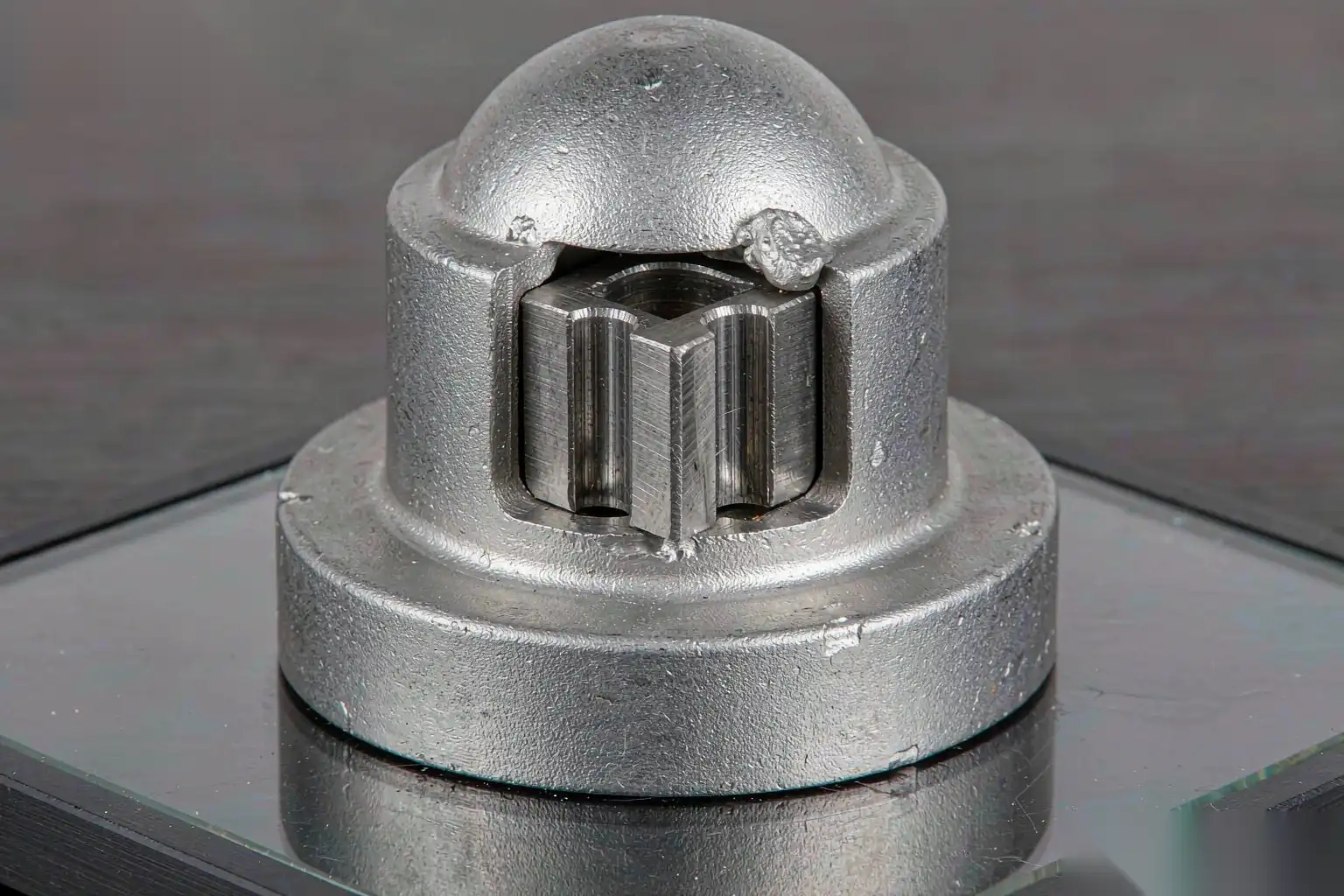
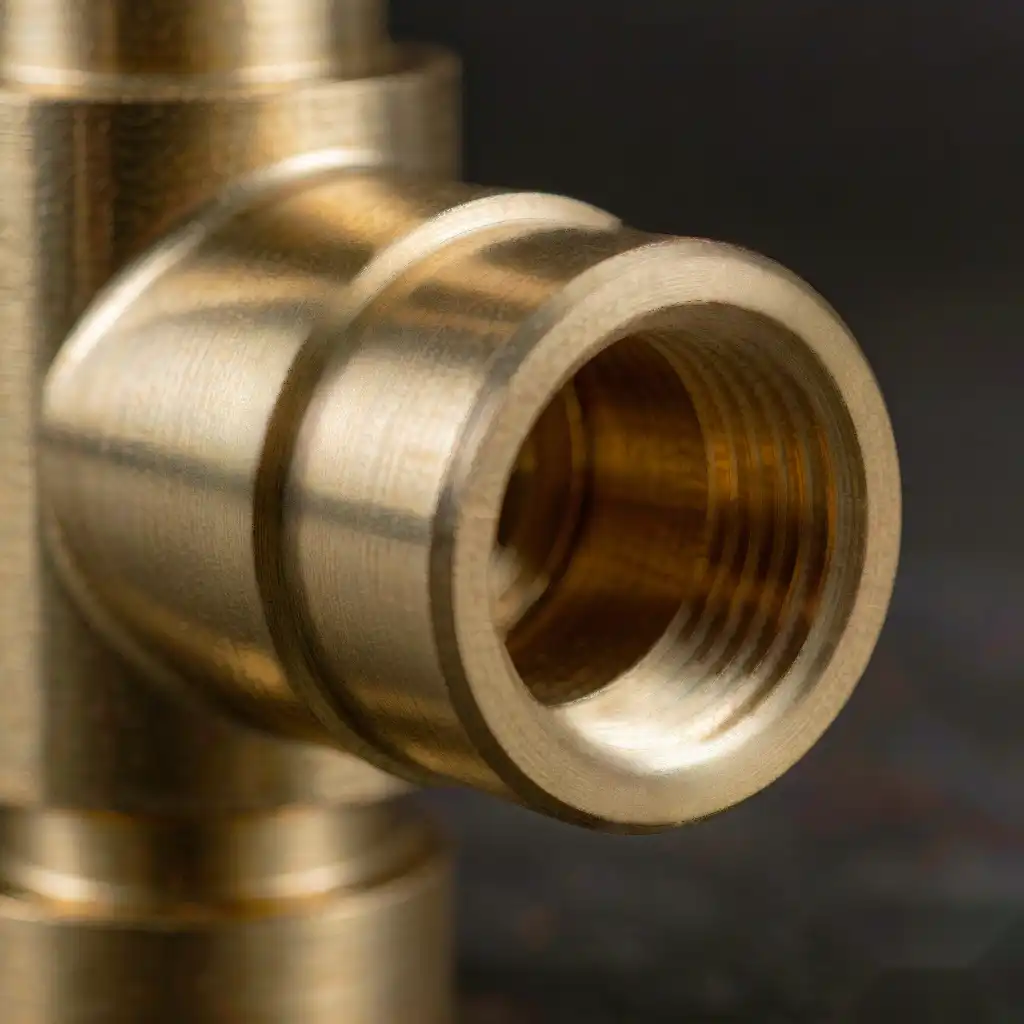
On a faucet body, three things decide whether it seals and assembles: the thread, the seat face, and the O-ring groove. Get any of those wrong and the part leaks or won’t assemble, no matter how pretty the polish is. The goal of CNC here isn’t speed — it’s holding those few critical dimensions inside tolerance, part after part.
How CNC Improves Accuracy
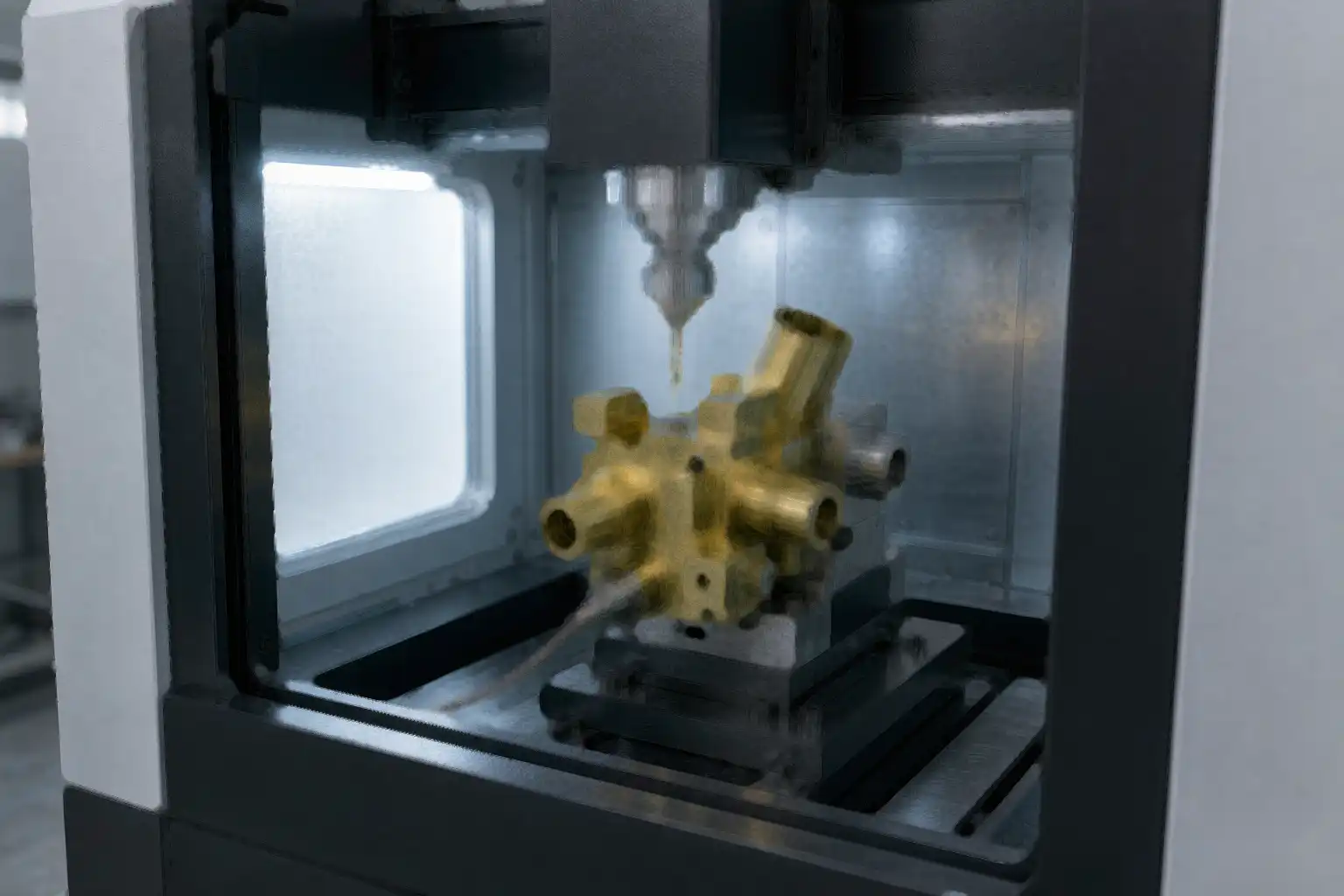
A CNC program cuts the same path every time. Tool offsets are measured, not guessed. Spindle and feed are locked. The result is a seat that’s flat within microns and a thread that seats first try — every body, not just the operator’s good ones. The moment you move off hand setup, your assembly rejection stops being a people problem.
For context on where machining sits in the whole flow, our faucet line station guide shows how it feeds grinding and buffing.
The Details That Decide Real Accuracy
Fixturing
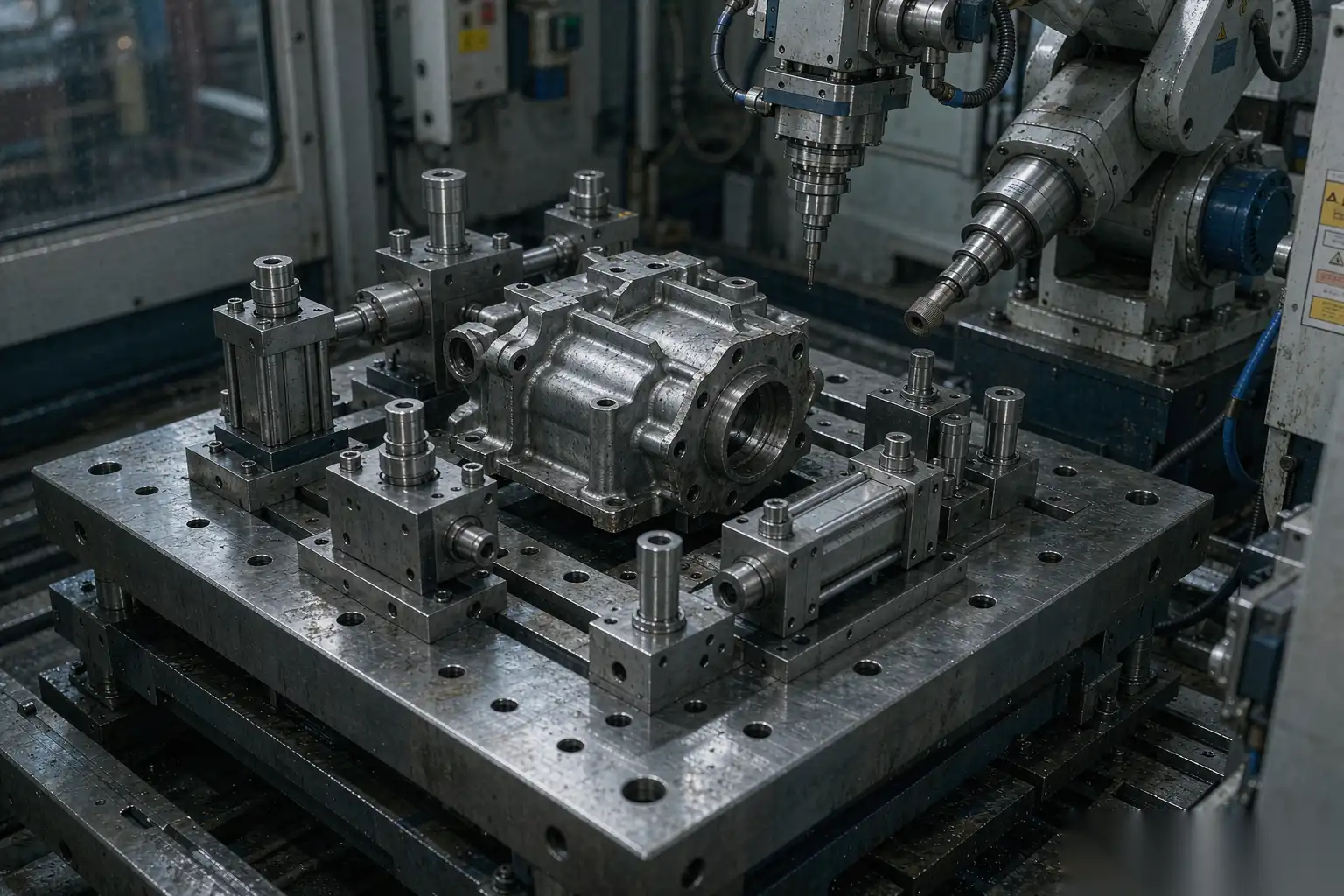
The part can only be as accurate as it’s held. A sloppy fixture lets the body shift a few thousandths under the cutter, and that shows up as a wobble at the seat. Invest in a fixture that locates on a consistent datum — usually the cored bore — so the part can’t move.
Tool Wear Management
Brass and zinc are gentle, but tools still wear. A worn cutter opens the groove and the leak starts. Set tool-life limits and offsets by count, not by eye, so the thousandth body matches the first.
Cast Consistency
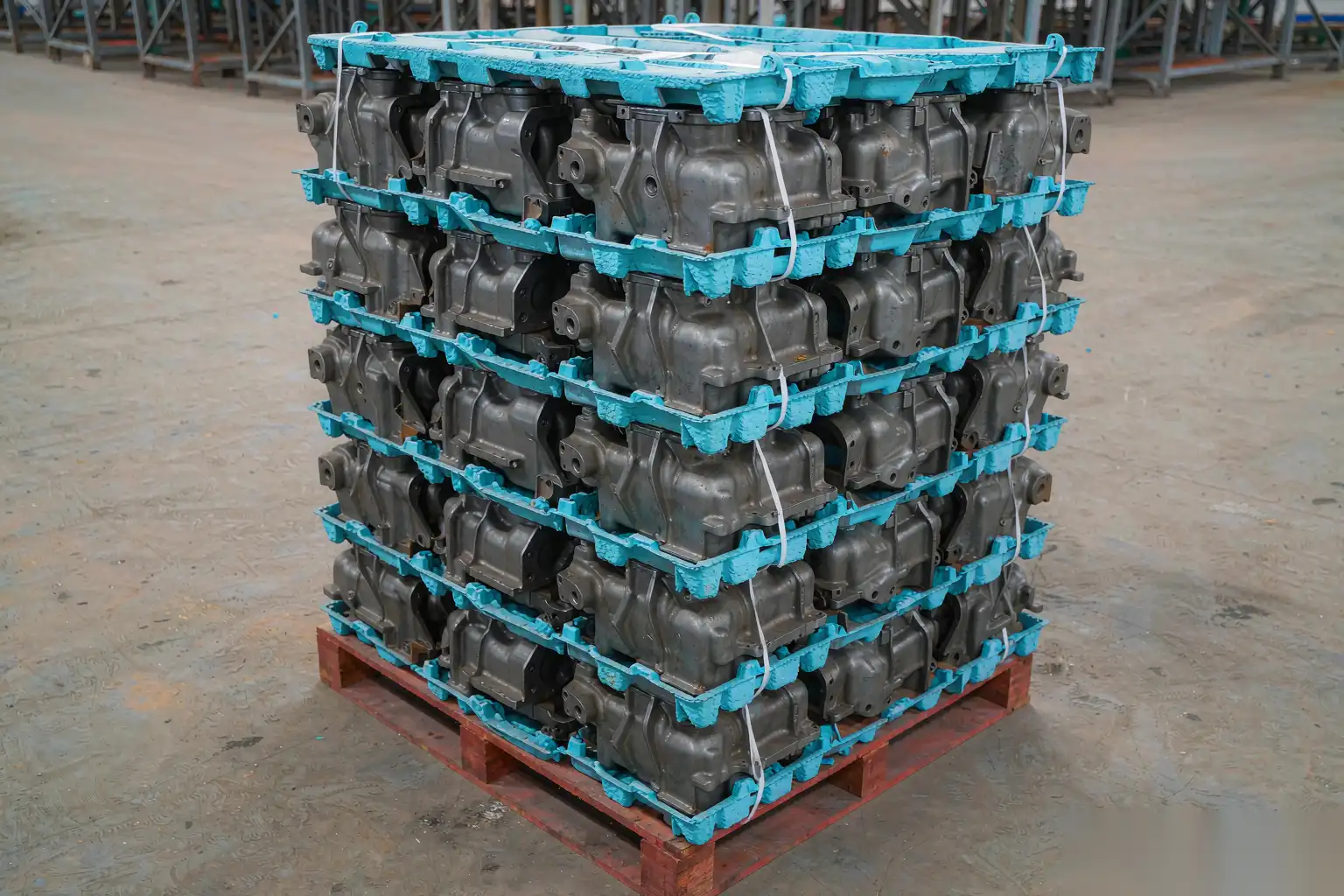
CNC can’t fix a core that moved. If the cored bore varies, the fixture fights it and accuracy drifts. That’s why consistent cores from the first step make the machining cell’s job possible.
Three Mistakes Buyers Make
1. Buying cycle speed over accuracy. A fast machine that can’t hold the seat costs you at assembly. Spec the tolerance, then the rate.
2. Ignoring thermal growth. Spindles warm up and shift. Let the machine reach temperature and verify offsets after warm-up, or your first parts of the shift drift.
3. Skipping in-process checks. Measure a body every few hundred parts. Catching a drift early saves a bin of scrap, not one part.
Frequently Asked Questions
How accurate can CNC faucet machining get?
With proper fixturing and tool-offset control, seat flatness and thread seats hold within a few microns consistently. The limit is usually the casting datum you locate on, not the CNC itself.
Does CNC replace hand finishing on faucets?
No. CNC handles the sealing dimensions — thread, seat, groove. Cosmetics like polish and buff are a separate station. The two are often confused, but they solve different problems.
Why do my faucets still leak after CNC?
If machining holds the seat but leak rate is still high, the cause is usually upstream — an inconsistent cored bore or a fixture that locates on a moving datum. Fix the core and fixture before blaming the cutter.
This guide was prepared by the application engineering team at Xiamen Dingzhu Intelligent Equipment Co., Ltd. (DZ Machinery), which designs and commissions deburring, grinding, polishing, and die-casting lines for manufacturers across more than a dozen countries. Tolerances reflect typical faucet machining practice; confirm exact specs against your part, alloy, and supplier before purchase.
Tags: faucet, faucet manufacturing, faucet production line, faucet manufacturing equipment, machine selection