

Ball Valve Grinding: Tips for a Leak-Free Seal Surface
A ball valve lives or dies on one surface: the sphere that seals against the seat. A valve maker in Italy told us a single ripple on that sphere meant a leak test failure and a scrapped body. “Grinding the ball isn’t cosmetic,” he said. “It’s the seal.” Ball valve grinding is precision work, not finishing polish.
This guide covers how to grind a ball valve sphere to a leak-free, repeatable seal surface.
Why the Sphere Surface Is Critical
The ball seals by full contact with the seat. Any ripple, pit, or out-of-round means a leak path. Hand grinding a sphere is slow and varies per operator, so leak rates swing with who is on shift. Automation locks the geometry.
How Robotic Grinding Holds the Sphere
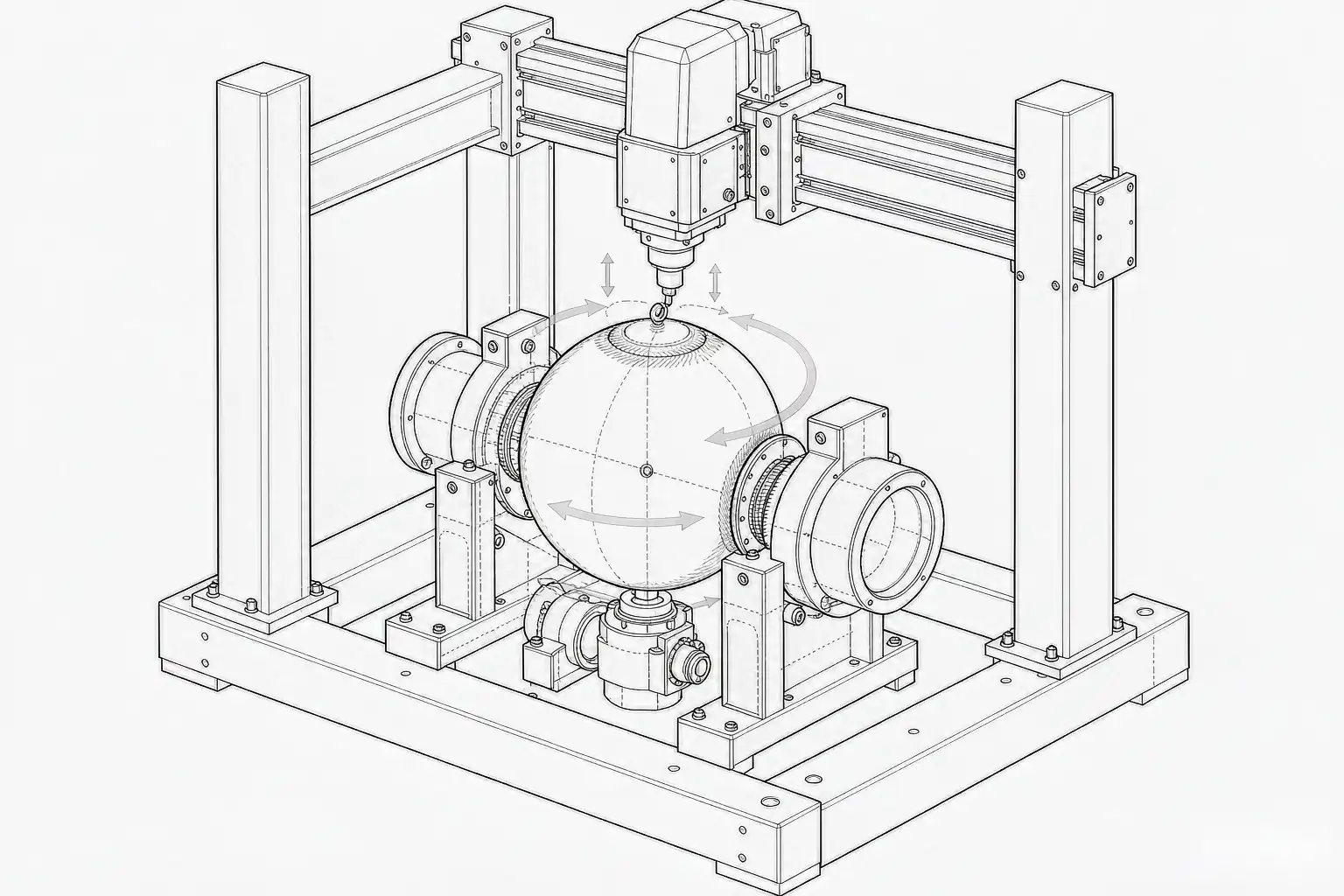
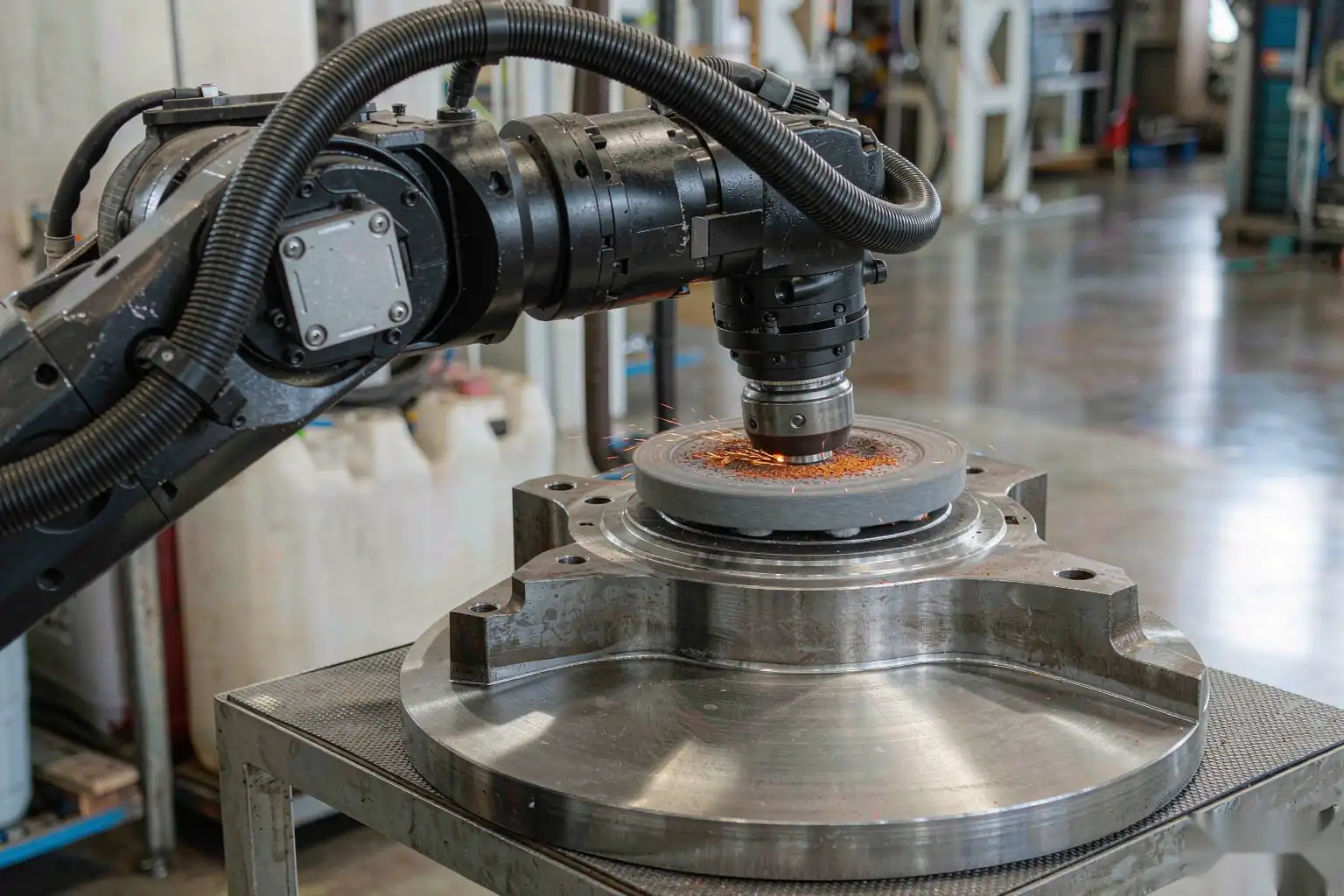
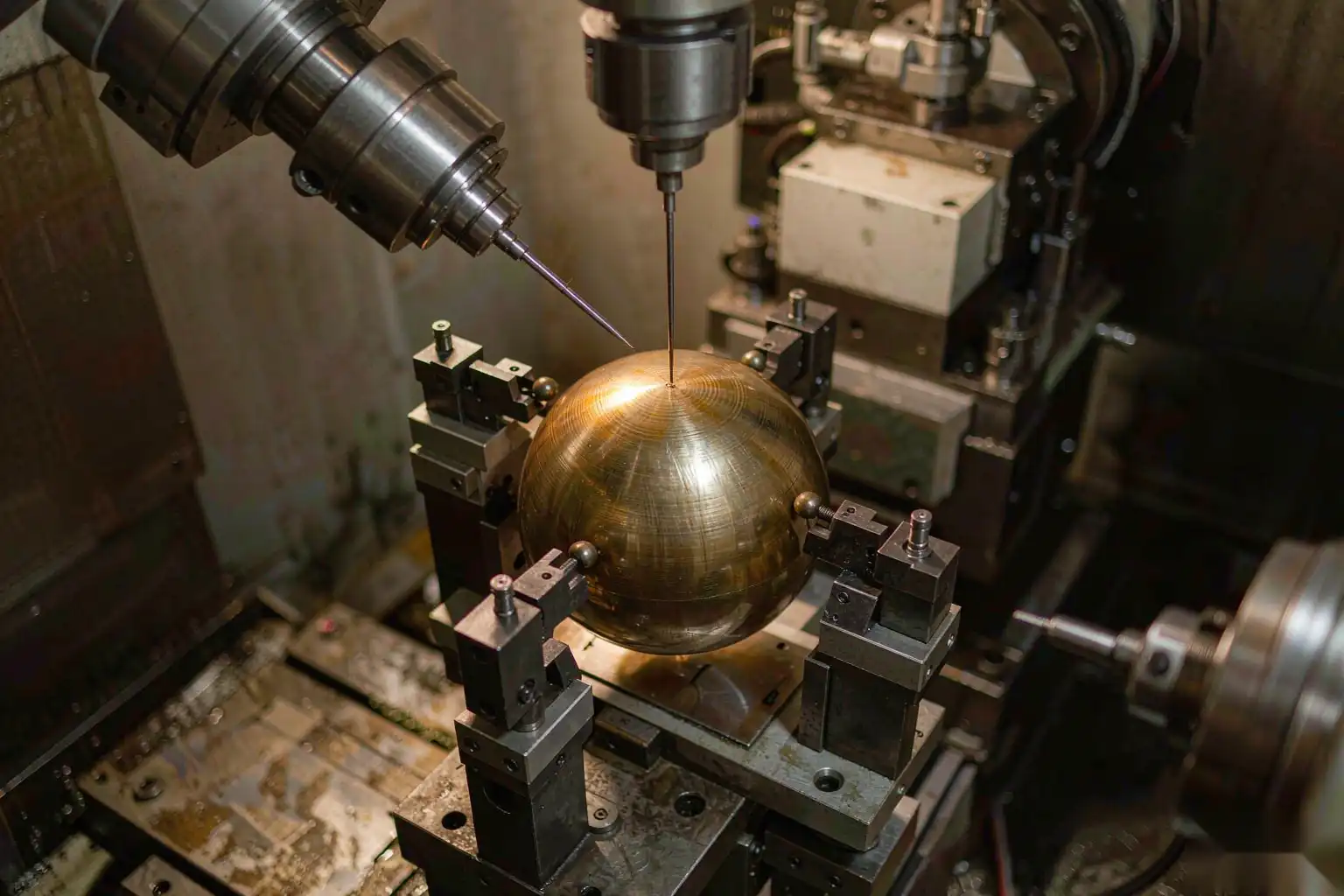
A robotic cell spins the ball on a fixed axis and presents it to a spindle at locked force, removing marks while holding roundness and surface finish. Every ball leaves at the same geometry. Force control is what keeps the sphere round instead of slightly egg-shaped.
The roundness discipline is the same one we apply in our grinding cell work, just on a spherical part.
What Has to Be True First
Round Starting Sphere
Grinding only refines what it’s given. If the cast sphere is out of round, the cell spends its budget chasing geometry instead of finish. Stable casting first. The casting method choice is half the battle, as we compare in gravity vs low pressure die casting
Fixed Axis and Fixture
Locate the ball on its true center so the robot knows the spin axis. A shifted axis grinds an oval, and an oval leaks.
Measured Surface Finish
Grind to a target Ra, not to “looks smooth.” A profilometer check on the first bodies proves the seal surface, not a guess.
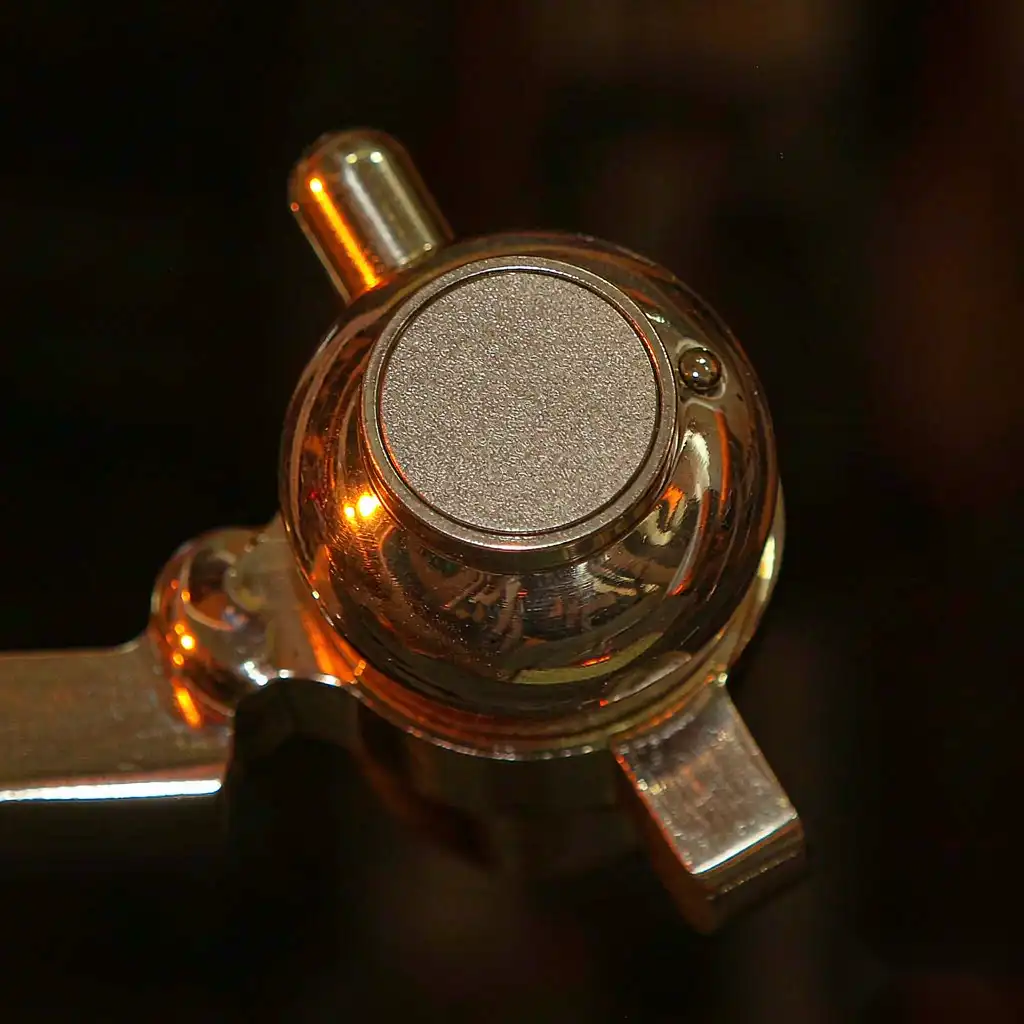
Three Mistakes Buyers Make
1. Treating ball grinding like cosmetic buffing. It’s geometry, not shine. Spec the roundness and Ra, not just “polished.”
2. Skipping force control. Fixed-path without force feedback either misses marks or over-grinds the sphere out of round. Force control holds the shape.
3. No leak-test feedback loop. Tie grind settings to leak-test results so the cell tunes to the seal, not to appearance.
Frequently Asked Questions
Can a robot hold sphere roundness better than hand grinding?
Yes, consistently. A skilled hand can match peak roundness on one ball; a cell holds it across thousands, which is what leak rate depends on.
What surface finish does a ball seal need?
It depends on the seat material and pressure class, but the point is to specify Ra and measure it. Grind to the number, confirm with a profilometer, don’t trust the eye.
Does grinding the ball replace lapping?
For many classes, a good grind gets close; tight sealing specs may still want a light lap. Design the process to the leak spec, not to habit.
This guide was prepared by the application engineering team at Xiamen Dingzhu Intelligent Equipment Co., Ltd. (DZ Machinery), which designs and commissions deburring, grinding, polishing, and die-casting lines for manufacturers across more than a dozen countries. Geometry notes reflect typical ball valve outcomes; confirm roundness and Ra against your seat and pressure class before purchase.
Tags: grinding, valve bodies, brass, surface finish, Robotic Grinding, Robotic Grinding Cell