

Automatic Die Casting Machine: Top Features to Look For
A components maker in Mexico asked us to shortlist an automatic die casting machine for thin-wall aluminum housings. He had three quotes on his desk that looked nearly identical on paper — same clamp tonnage, same price band — and he couldn’t tell which would actually hold tolerance across a million-part run. The spec sheets weren’t lying; they were just measuring the wrong things. If you’re buying one, here are the features that separate a cell that runs from an expensive regret.
Clamp and Platen
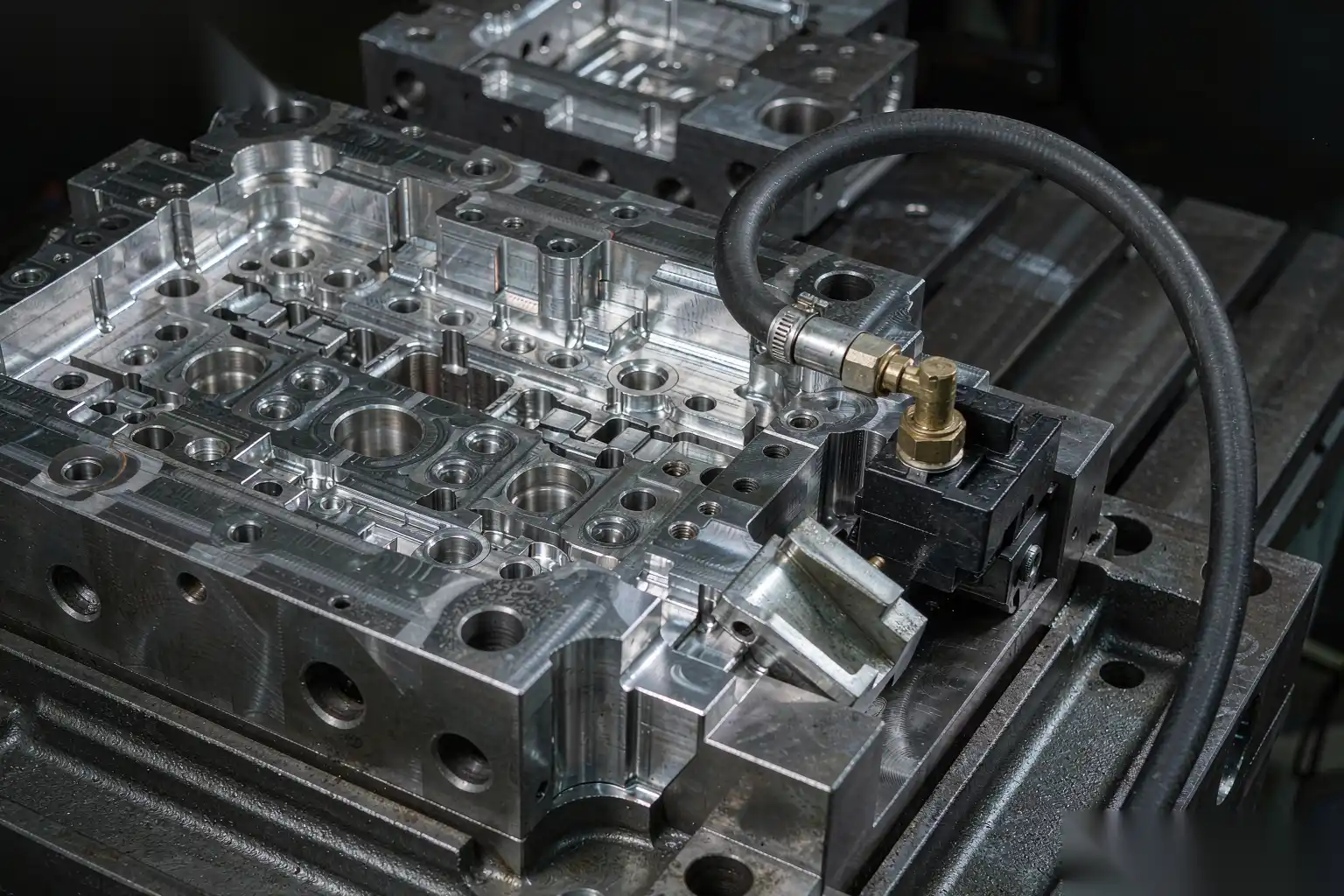
Clamp force gets the headline number, but platen rigidity and tie-bar spacing decide whether the die stays put under shot. Look for a platen big enough for your die plus cooling lines, ejectors, and the stalk — not just the biggest part you’ll ever make. A flexible platen pays back every time you swap tooling.
Fill and Injection Control
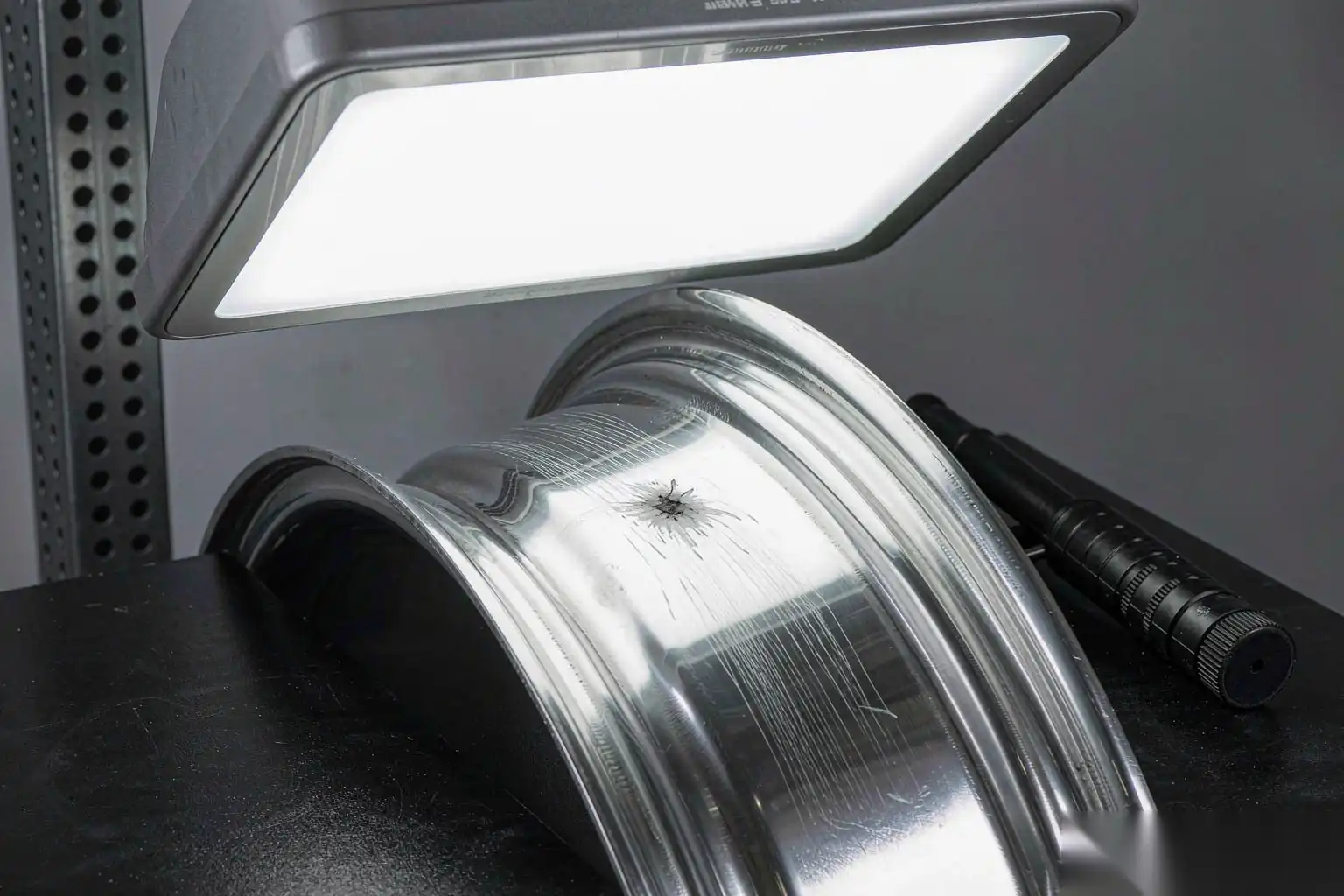
This is where quality lives. A fixed ramp fills good parts and bad ones equally; a closed-loop, recipe-driven injection profile lets you tune rise rate and holding pressure per part. For thin-wall, high-volume work the difference shows up as fewer cold shuts and less porosity. Match the control philosophy to your alloy and wall thickness, not to a brochure.
Furnace and Metal Delivery
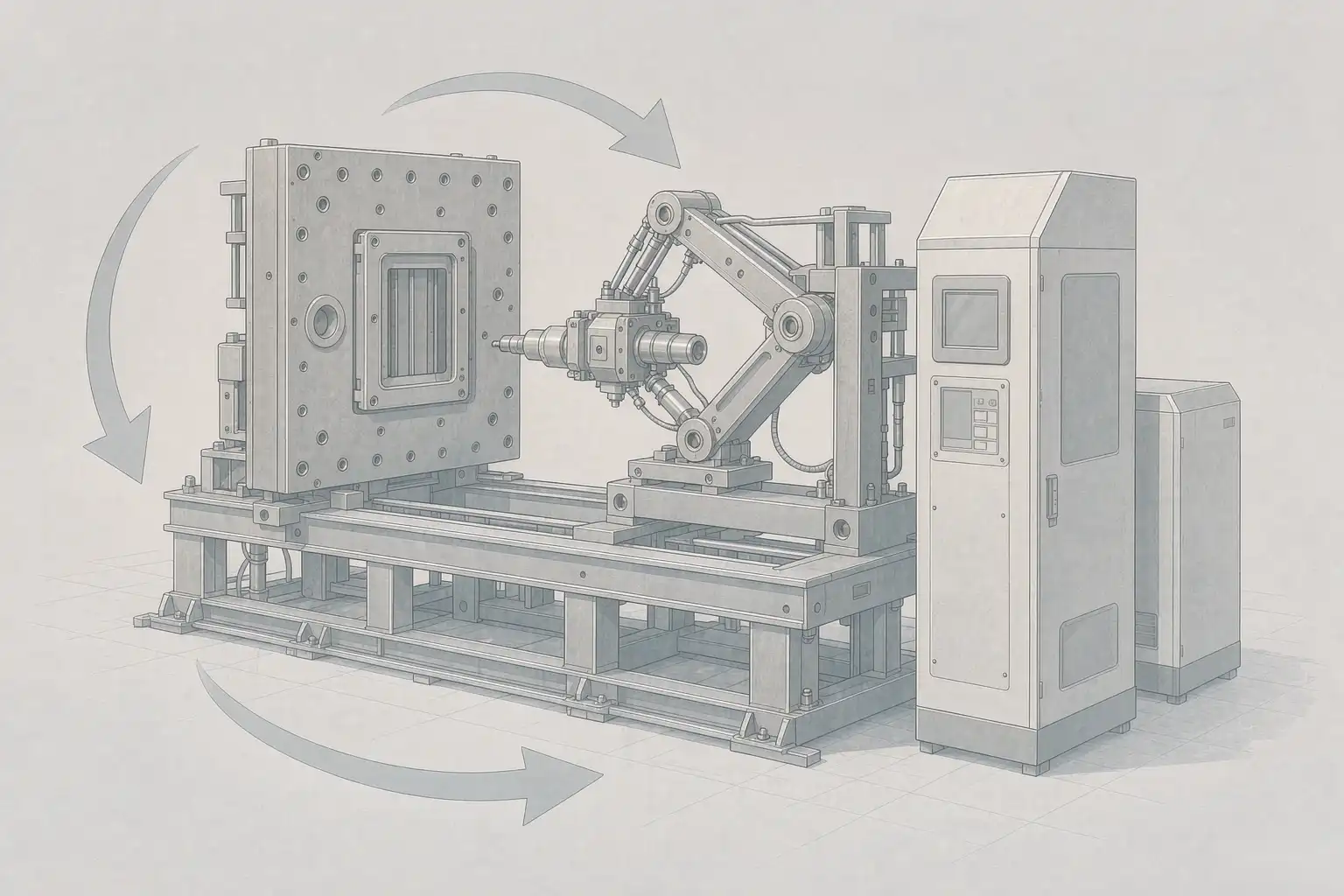
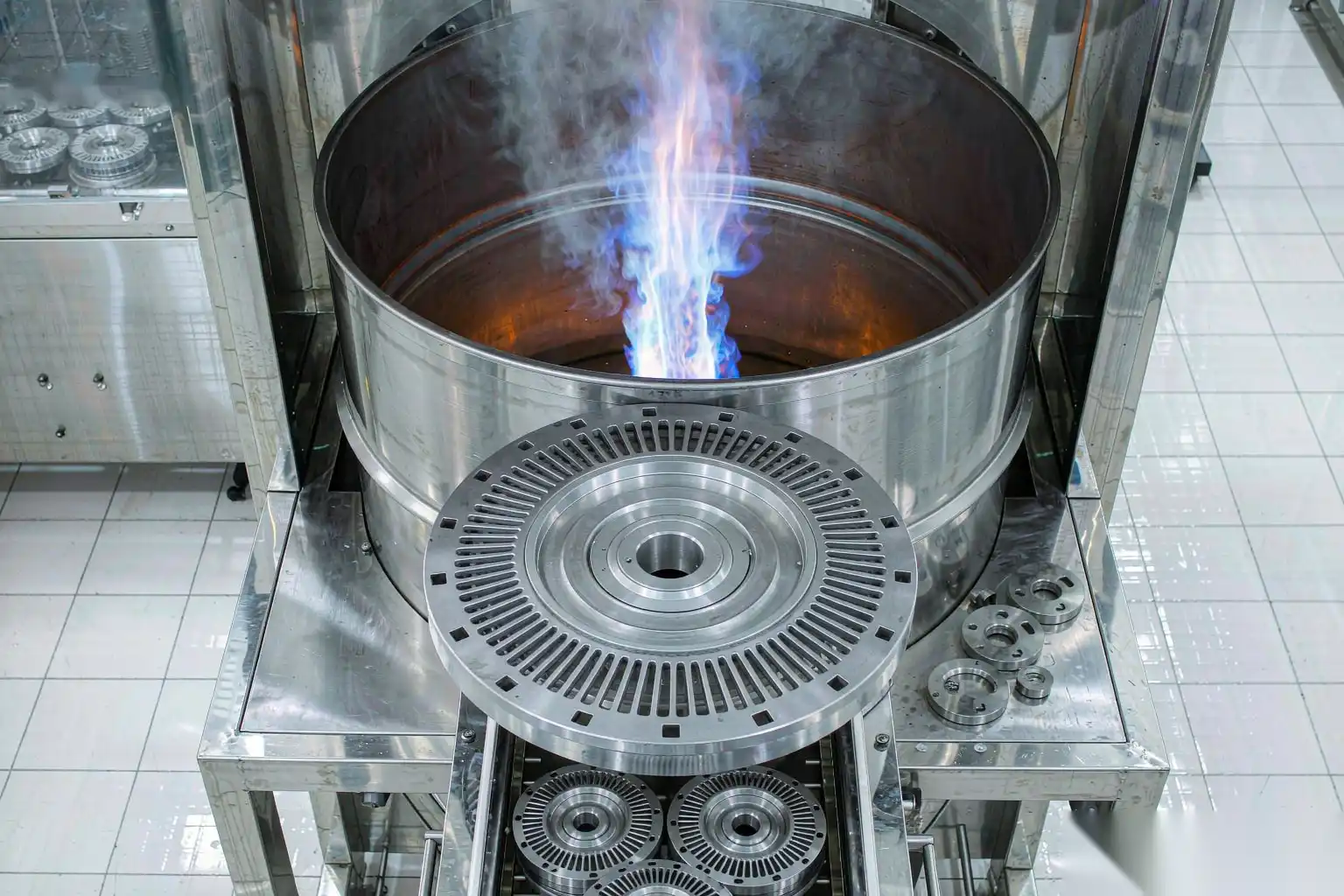
How the machine feeds itself metal matters as much as the shot. Look for clean delivery with minimal oxidation and a refill method that doesn’t stop production. If you’re weighing process types, our gravity versus low-pressure comparison helps you pick the right method before you spec the iron.
Die Cooling and Thermal Balance
Cycle time is set mostly by how fast the part sheds heat, and that’s cooling design, not brand. Look for enough controlled circuits and balanced flow to trim seconds off every shot without warpage. Our die cooling notes cover what good placement looks like in practice.
Automation and Extraction
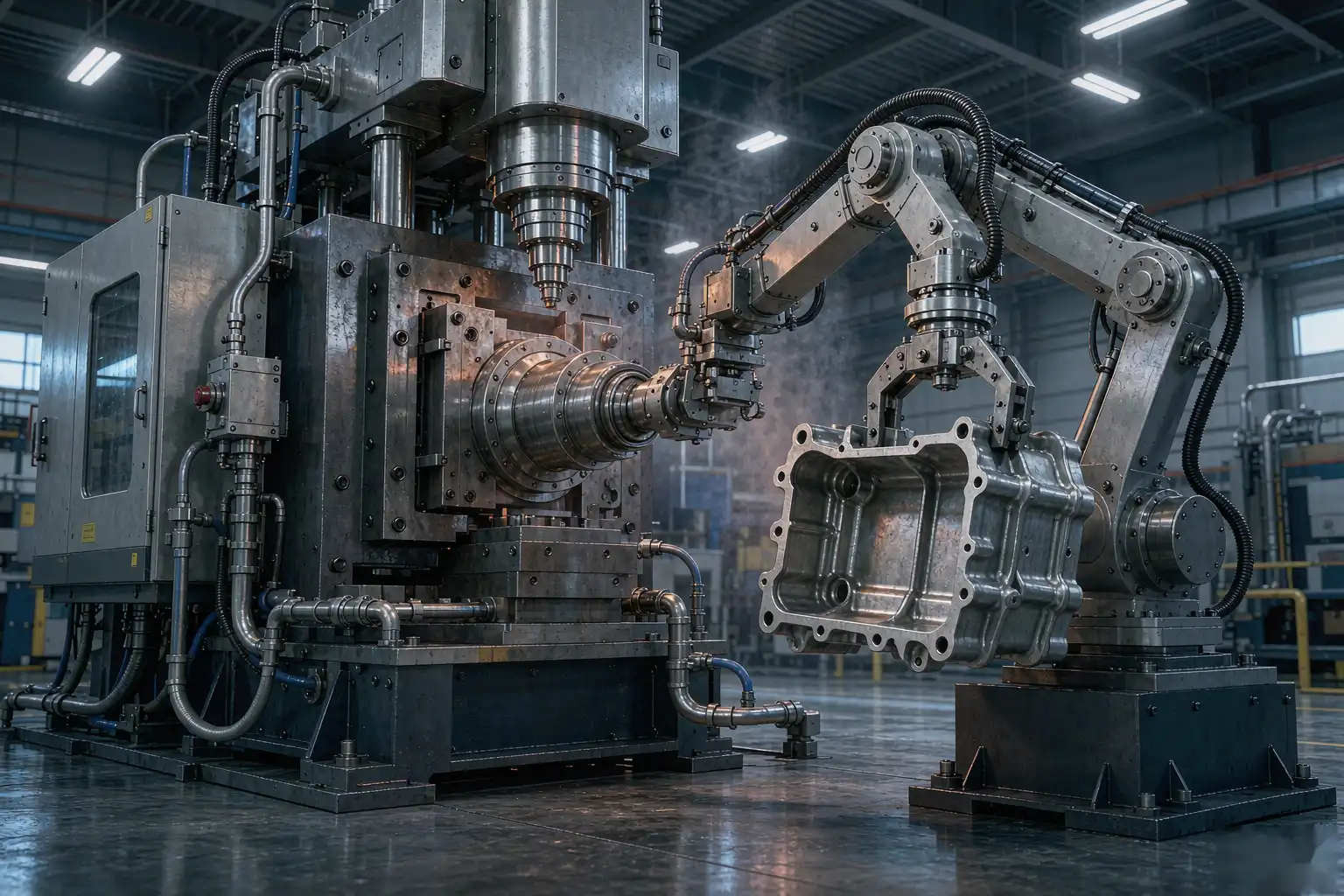
Robot extraction, integrated cooling, and downstream handling are what make a machine “automatic” rather than “powered.” Confirm the extractor reaches the part safely, that cooled parts move straight to trim, and that the cell doesn’t depend on an operator standing in the hot zone. The in-house versus outsourcing trade-off is really a question of whether your volume justifies the robot — and most lines past a few thousand parts a month do.
Controls, Recipes, and Data
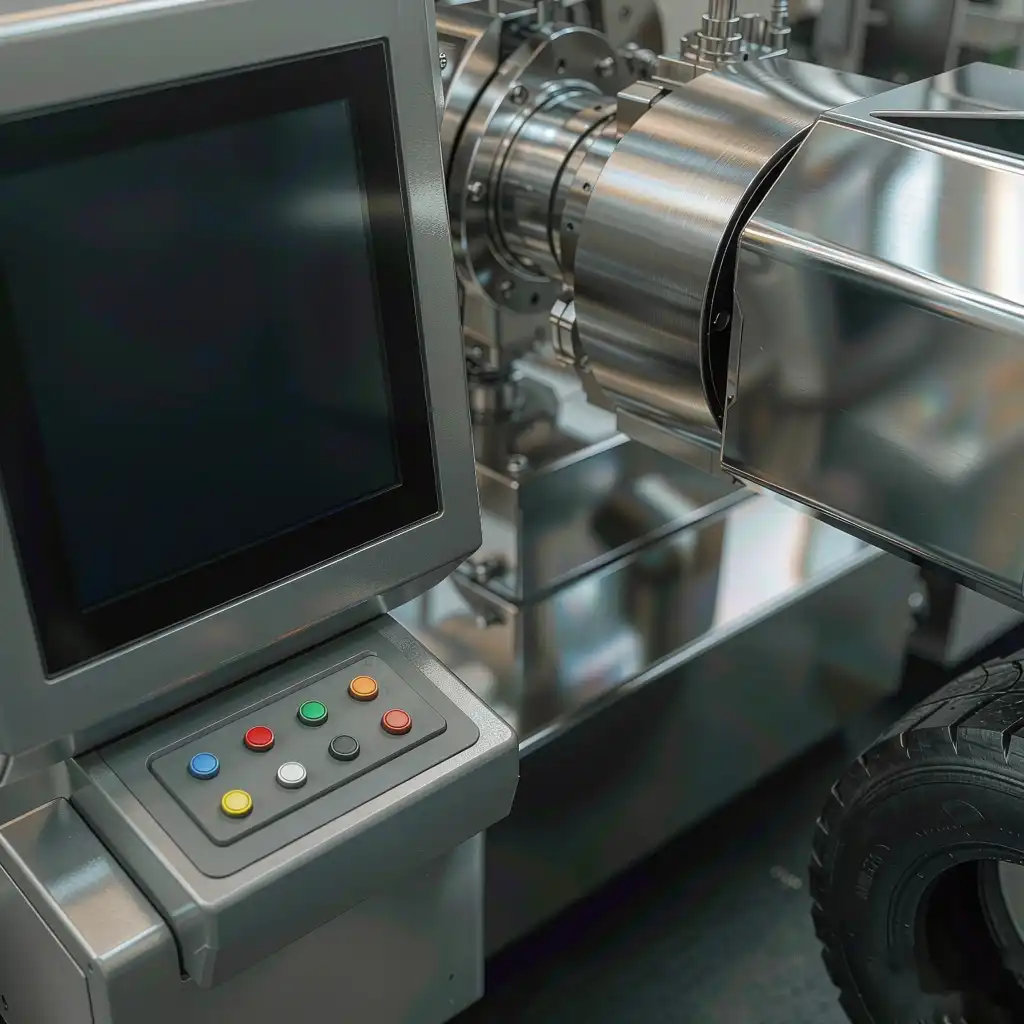
A good controller stores per-part recipes and shows you trends, not just faults. Look for fill-pressure recipes you can tune, alarms that describe problems, and data you can pull for maintenance. The same line that feeds a robotic finishing cell should report its own health.
Safety and Service
Guarding, fume capture, and a supplier who answers support calls matter more than a spec-sheet number. Confirm spare-part lead times and local support before you sign — a machine that’s down for a week waiting on a seal is a machine that isn’t earning.
Three Mistakes Buyers Make
1. Chasing clamp tonnage. The number that matters is cost per good part, which includes scrap, energy, and rework — not peak force.
2. Ignoring fill control. A fixed ramp buries porosity until it’s a customer complaint. Recipe-driven injection is what holds tolerance across the run.
3. Forgetting the downstream step. Casting is half the job. Plan extraction, trim, and finish before you commit, or the beautiful machine backs up into WIP.
A Pre-Quote Checklist
- Part alloy, weight, and wall thickness
- Platen size and tie-bar spacing for your die plus cooling
- Recipe-driven injection control, not a fixed ramp
- Cooling circuits and balanced flow specified
- Robot extraction straight to trim and finish
- Controls that store recipes and report trends
- Spare-part lead times and local support confirmed
Frequently Asked Questions
What is the most important feature on a die casting machine?
Fill and injection control. Clamp tonnage gets the headline, but a recipe-driven, closed-loop injection profile is what holds wall thickness and porosity consistent across a long run.
Should I prioritize automation or a bigger machine?
Automation, once you’re past a few thousand parts a month. A robot extractor and integrated finishing keep the cell running and consistent; a bigger clamp just adds cost you may not use.
How does cooling affect die casting quality?
Cycle time and warpage are set mostly by die cooling, not machine brand. Enough controlled, balanced circuits trim seconds per shot and cut defects.
This guide was prepared by the application engineering team at Xiamen Dingzhu Intelligent Equipment Co., Ltd. (DZ Machinery), which designs and commissions deburring, grinding, polishing, and die-casting lines for manufacturers across more than a dozen countries. Feature priorities above reflect typical practice; confirm exact specs against your part and supplier.
Tags: die casting machine, die casting, high pressure die casting, aluminum die casting, machine selection, buying