

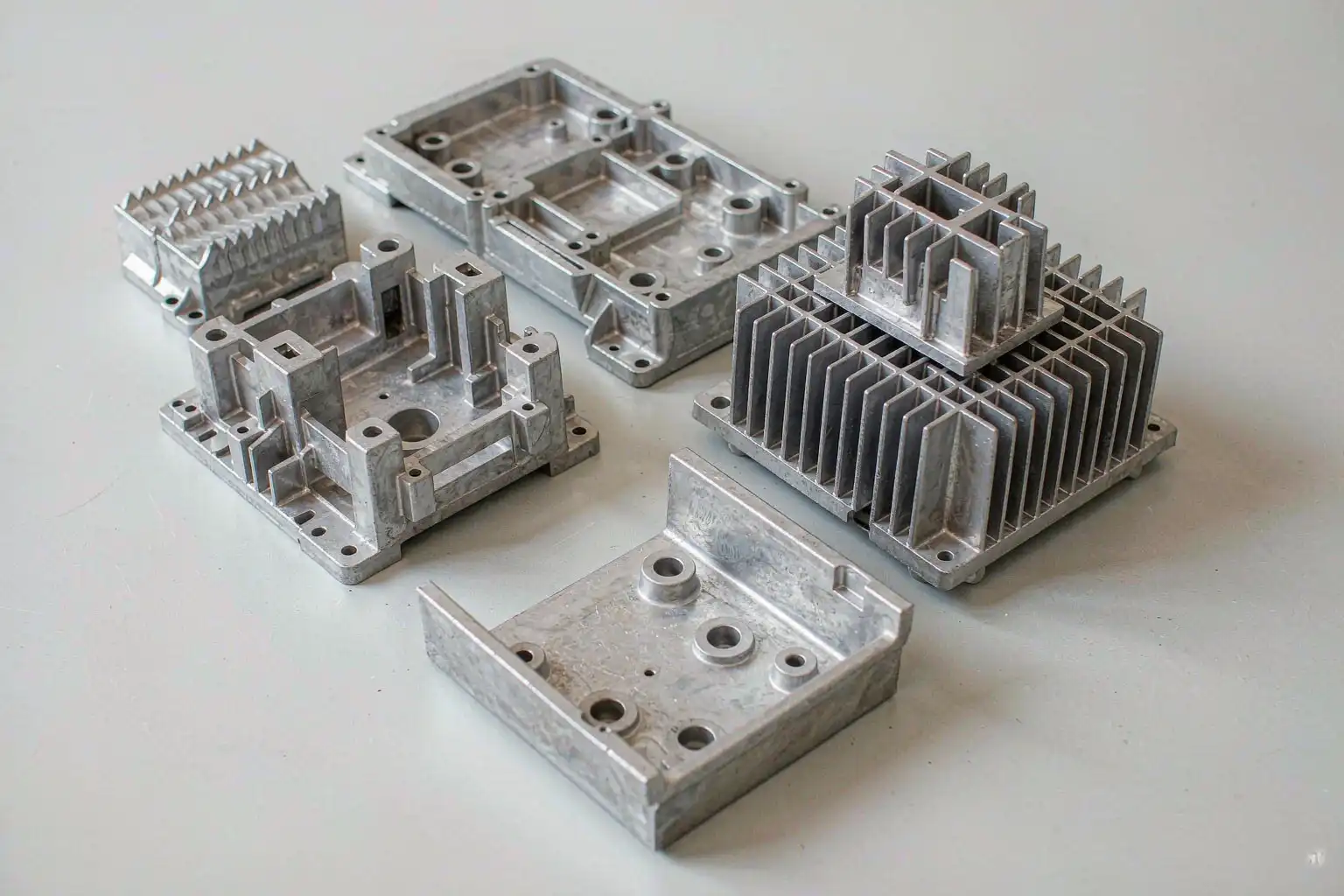
A buyer searching for aluminum die casting services usually wants either a turnkey supplier (someone who can quote, tool, cast, finish, and deliver a finished part) or a specialist at one or two steps in the chain. The two are very different businesses. A turnkey supplier is usually a larger, integrated operation with in-house tooling, casting, machining, finishing, and assembly. A specialist is usually a smaller, focused operation that excels at one step but needs partners for the others.
This guide walks through the 8 steps a typical die casting service engagement follows, with the questions a buyer should ask at each step and the answers that separate a real service company from a trading company that brokers the work. The goal is to help buyers match their part requirements to the right kind of supplier and avoid the audit mistakes that lead to scrap and delay.
Mr. Lai Dingren, general manager of DZ Smart Manufacturing, has run die casting service engagements from a 500-piece prototype run to a 2 million-piece annual program. The 8 steps below are the structure that any serious service engagement follows.
Step 1: Part Design Review (RFQ Stage)

The first step is a part design review. The buyer sends a drawing (usually a STEP file plus a 2D PDF), a target annual volume, a target piece price, and any quality or finishing requirements. The service company reviews the part for manufacturability and replies with:
- A feasibility assessment (can this part be cast at all, and at what cost)
- A list of design changes that would reduce cost, improve quality, or both
- A rough tooling cost and piece price estimate
- A timeline for tooling and first samples
What to look for in the response: a serious service company runs a quick DFM (design for manufacturability) review before quoting. The reply should reference specific features on your part (the 2.5 mm boss, the 0.8 mm wall, the M6 insert) and explain what they recommend and why. A service company that quotes a number without commenting on the part geometry is just guessing.
Step 2: Tooling Design and Build
Once the RFQ is approved, the service company designs and builds the die casting mold (and any related tooling for trimming, machining, or finishing fixtures). The tooling design is a critical step because the mold sets the floor on every downstream KPI.
What to look for in the tooling design:
- A mold flow analysis — the design should be validated with a flow simulation before the steel is cut. A service company that skips the flow analysis is gambling with your tooling check.
- A written tool steel specification — H13, SKD61, or 1.2344 for the cavity and core inserts, with a heat treatment spec and hardness target.
- A cooling channel layout — cooling channels within 15 to 25 mm of every cavity surface, with baffles to ensure turbulent flow.
- A gate and runner design — chosen for the part type (decorative vs structural) and validated by the flow analysis.
- An ejection design — ejector pins sized for the part weight, placed on non-show surfaces, and including any sleeve ejection for cylindrical cores.
- A tool tryout and sample plan — the service company should commit to a sample timeline (typically 4 to 8 weeks for a simple mold, 8 to 16 weeks for a complex one) and a sample quantity (typically 50 to 200 parts).
The tooling build typically takes 30 to 90 days depending on complexity. The buyer should expect a tool design review meeting at the 50 percent point of the build and a sample review meeting at the 100 percent point.
Step 3: First Article Inspection (FAI)
The first parts off the mold go through a formal First Article Inspection. The FAI package typically includes:
- Dimensional report on every critical dimension (CMM data preferred)
- Material certification (alloy chemistry, mechanical properties)
- Visual inspection report
- X-ray or CT scan for porosity-critical features
- Surface finish report on critical surfaces
- Initial sample of the finish (if finishing is in scope)
The buyer reviews the FAI and either approves, requests changes, or rejects. A serious service company will not push the buyer to approve parts that fail the spec. They will also document the changes requested and run a second sample if needed.
Step 4: PPAP (Production Part Approval Process)
Once the FAI is approved, the service company prepares a PPAP package. The PPAP typically includes:
- The FAI report
- A process capability summary (Cpk on critical dimensions)
- A control plan (inspection points, frequencies, methods)
- A material certification chain
- A failure mode analysis (PFMEA)
- A production routings document
The PPAP follows AIAG or VDA standards depending on the buyer’s industry. Automotive buyers expect AIAG PPAP. European industrial buyers often expect VDA. Consumer goods buyers often accept a simplified PPAP.
Step 5: Production Runs
Once the PPAP is approved, the service company moves into production. The production runs are typically scheduled in batches based on the buyer’s call-off (release schedule). The service company’s job in production is to hold the quality and timing that the PPAP committed to.
What to look for in production:
- On-time delivery (OTD) reporting — the service company should report OTD by line item, by customer-request date, and on confirmed orders. The target is 95 percent or higher.
- Quality reporting — the service company should report reject rate by defect type, by shift, by part number, and trending over time.
- Change management — any process change (mold repair, machine change, alloy change) should be communicated in advance with a documented impact assessment.
- Continuous improvement — the service company should be running cost-down or quality-up projects on your part, with periodic updates.
Step 6: Secondary Operations
Most die cast parts need one or more secondary operations before they are ready for assembly. The common secondary operations:
- Trimming and gate removal — the cast gate is cut or ground off, leaving a small witness mark. For cosmetic parts, the witness is hidden on a non-show surface or machined off.
- Deburring — flash and burrs from the mold parting line are removed by tumbling, belt grinding, or robotic deburring.
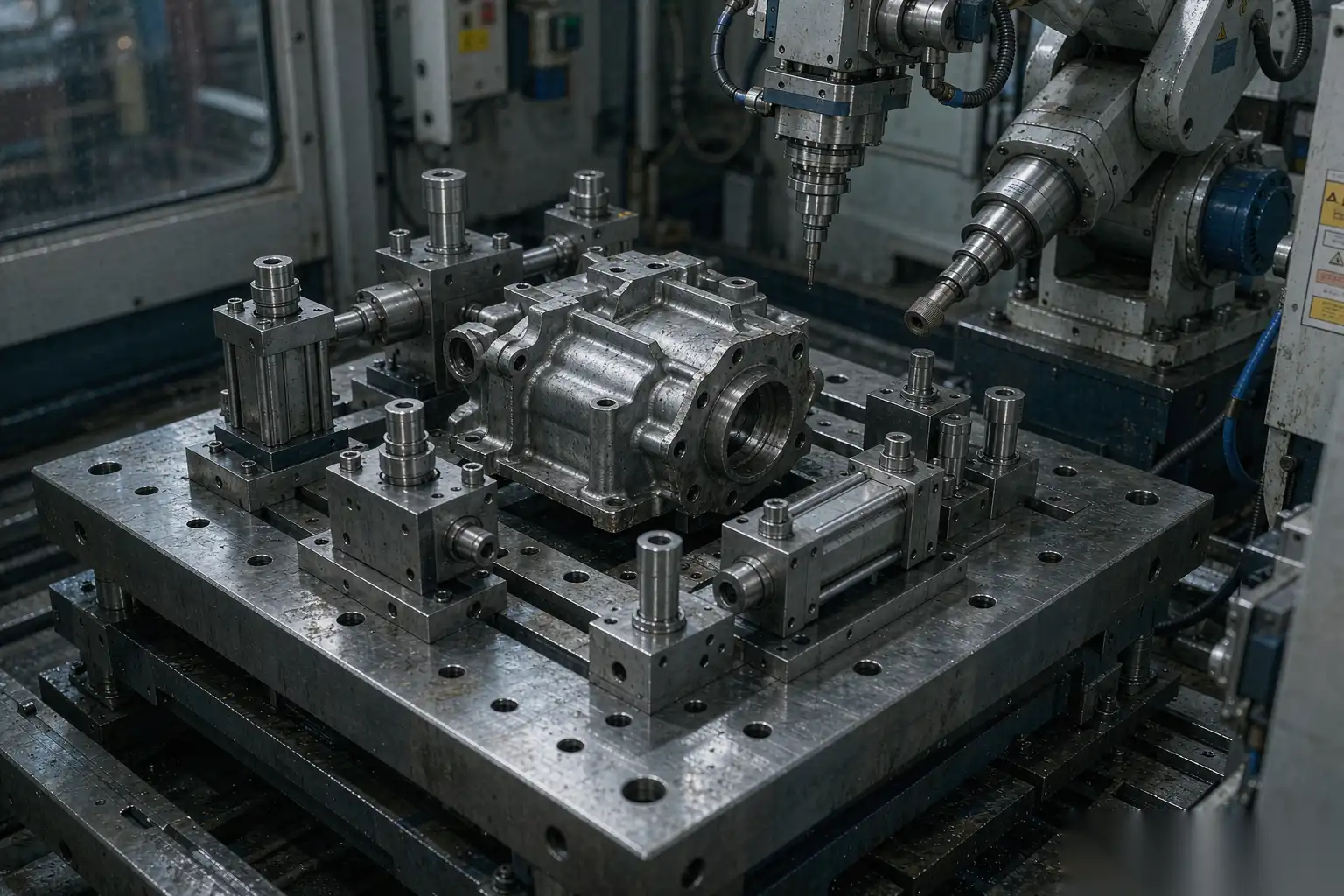
- Machining — critical interfaces, threaded holes, and mating surfaces are machined to tight tolerances. Typical machining operations on die cast parts include facing, boring, tapping, and milling.
- Surface finishing — depending on the spec, the part is polished, shot blasted, anodized, painted, plated, or powder coated.
- Heat treatment — some aluminum alloys (especially A356 and A357) are heat treated (T6) after casting for higher strength.
- Assembly — for some parts, sub-components (inserts, fasteners, seals) are assembled before delivery. This can be as simple as pressing a bushing or as complex as assembling a sub-system.
A turnkey service company runs all of these operations in-house or through vetted partners. A specialist service company runs one or two of them. Match the part requirement to the right service company.
Step 7: Quality Control and Inspection
Every production run goes through quality control. The standard inspection points:
- In-process inspection — at the casting machine, the operator checks the first and last part of each shift for visual defects, dimensions, and weight.
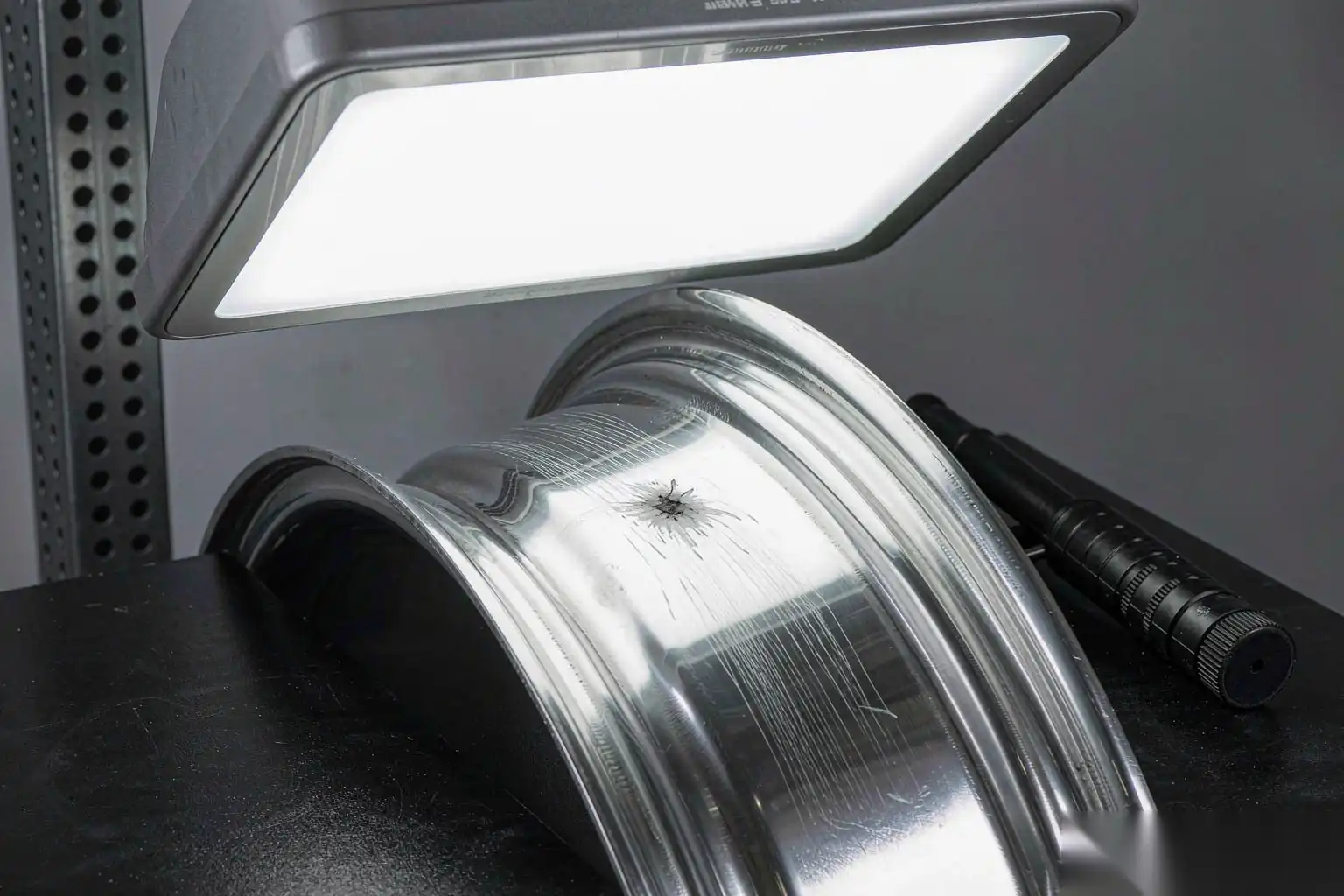
- End-of-line inspection — at the end of the production line, the part goes through automated visual inspection (AVI) for surface defects and a sampling of dimensional checks.
- Batch inspection — once per shift (or per batch), a sample of parts goes through a full dimensional check and a CT or X-ray scan for porosity-critical features.
- Final inspection — before shipment, the parts are inspected for cosmetic defects, packaging, and labeling.
The service company’s quality system should be certified to ISO 9001 at minimum, with IATF 16949 for automotive parts, AS9100 for aerospace, or ISO 13485 for medical.
Step 8: Packaging and Logistics
The final step is packaging and logistics. The service company is responsible for:
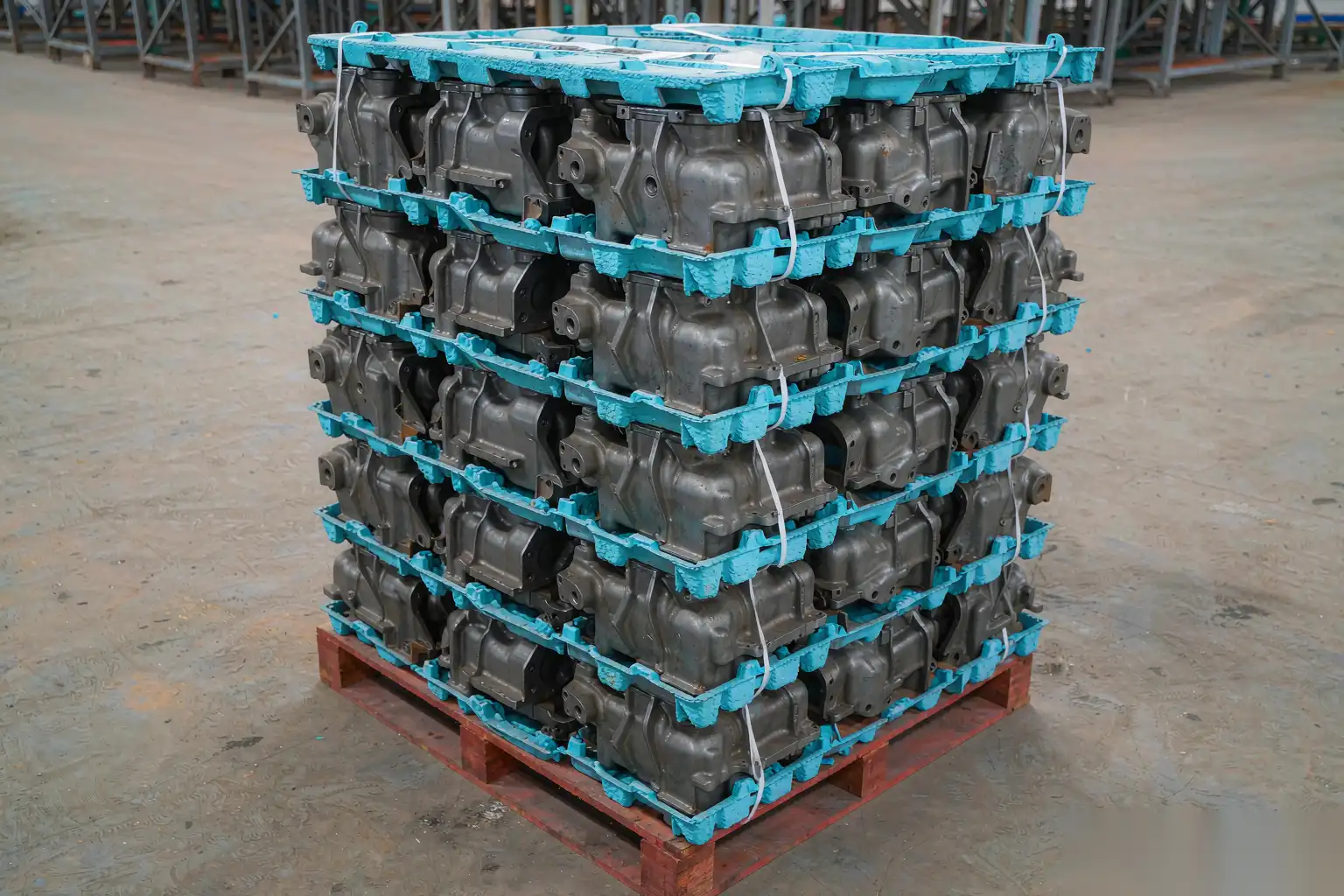
- Part packaging — clean, dry, and protected from damage in transit. For cosmetic parts, this often means individual wrapping or foam partitioning.
- Labeling — part number, lot number, quantity, country of origin, and any customer-specific labels.
- Documentation — packing list, commercial invoice, certificate of conformance, material certification, and any other documents the buyer requires.
- Logistics — the service company either arranges shipping (FOB, CIF, DDP) or works with the buyer’s nominated freight forwarder.
A serious service company owns the logistics chain end to end and can quote landed cost in the buyer’s currency.
How to Choose a Die Casting Service Company
For buyers evaluating service companies, the 8 steps above are also the 8 questions to ask:
- Who does the part design review? An engineer or a salesperson?
- Who designs the tooling? In-house or outsourced?
- What is included in the FAI?
- What PPAP standard do you follow?
- What is your on-time delivery in production?
- Which secondary operations do you run in-house?
- What quality certifications do you hold?
- Do you own the logistics chain?
Match the answers to your part risk. A structural automotive part needs full PPAP and IATF 16949. A decorative consumer part needs cosmetic inspection and on-time delivery. A high-mix low-volume prototype job needs flexible tooling and fast sample turnaround.
How DZ Smart Manufacturing Approaches Die Casting Services
DZ Smart Manufacturing is an integrated die casting and finishing service company. We run the casting, deburring, machining, polishing, and packaging in-house. For parts that need heat treatment, anodizing, or plating, we partner with vetted suppliers and own the reject rate end to end.
For buyers evaluating a die casting service company for a new program, contact DZ for a sample run on your part. We will deliver a quote, a DFM review, a sample timeline, and a finished sample in 4 to 6 weeks.
Author: Mr. Lai Dingren, General Manager, DZ Smart Manufacturing. 20+ years in aluminum die casting and integrated service delivery. LinkedIn: linkedin.com/in/dzivy
About this article: Educational content. The workflow is typical industry practice. Validate with your own RFQ process before committing to a service engagement.