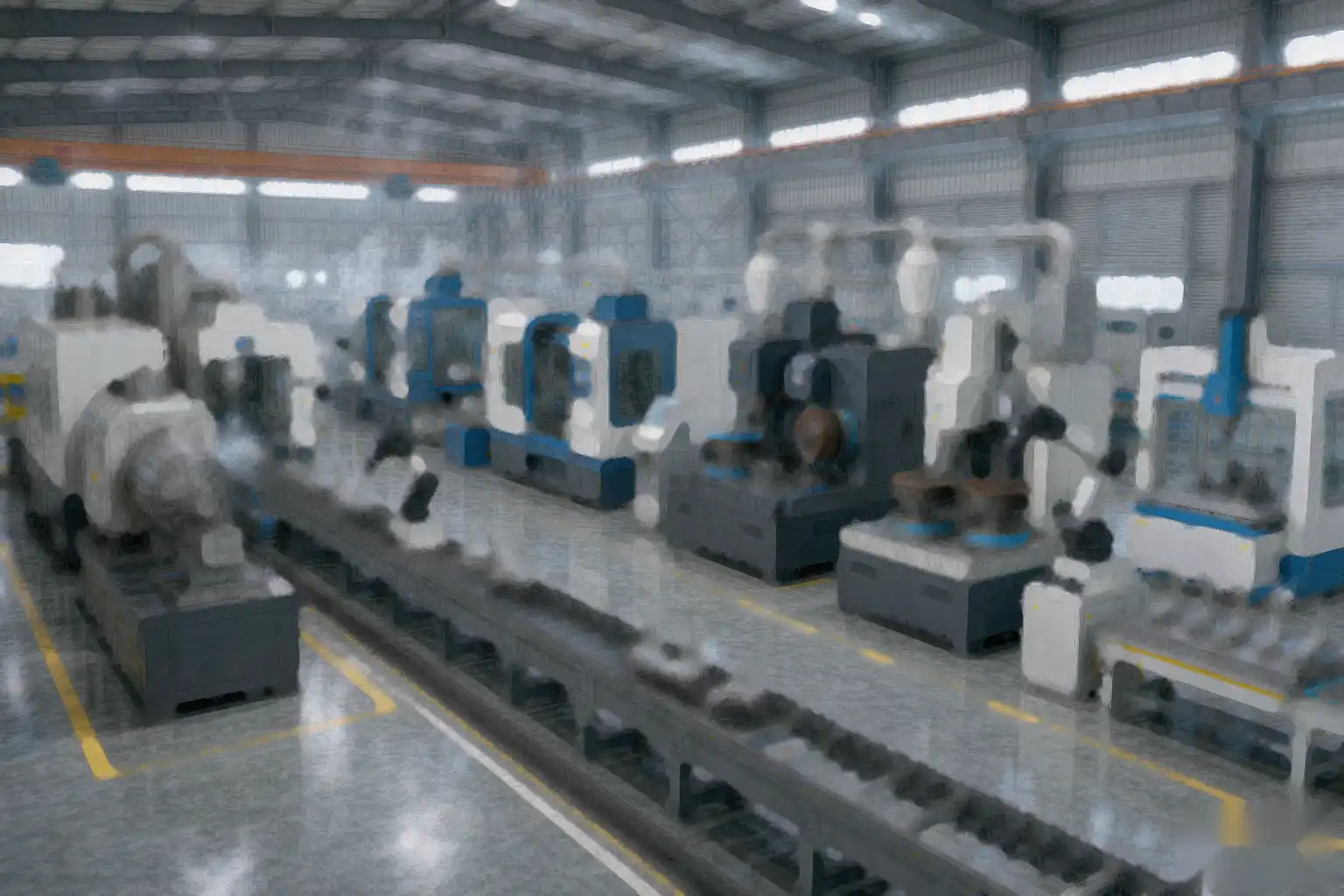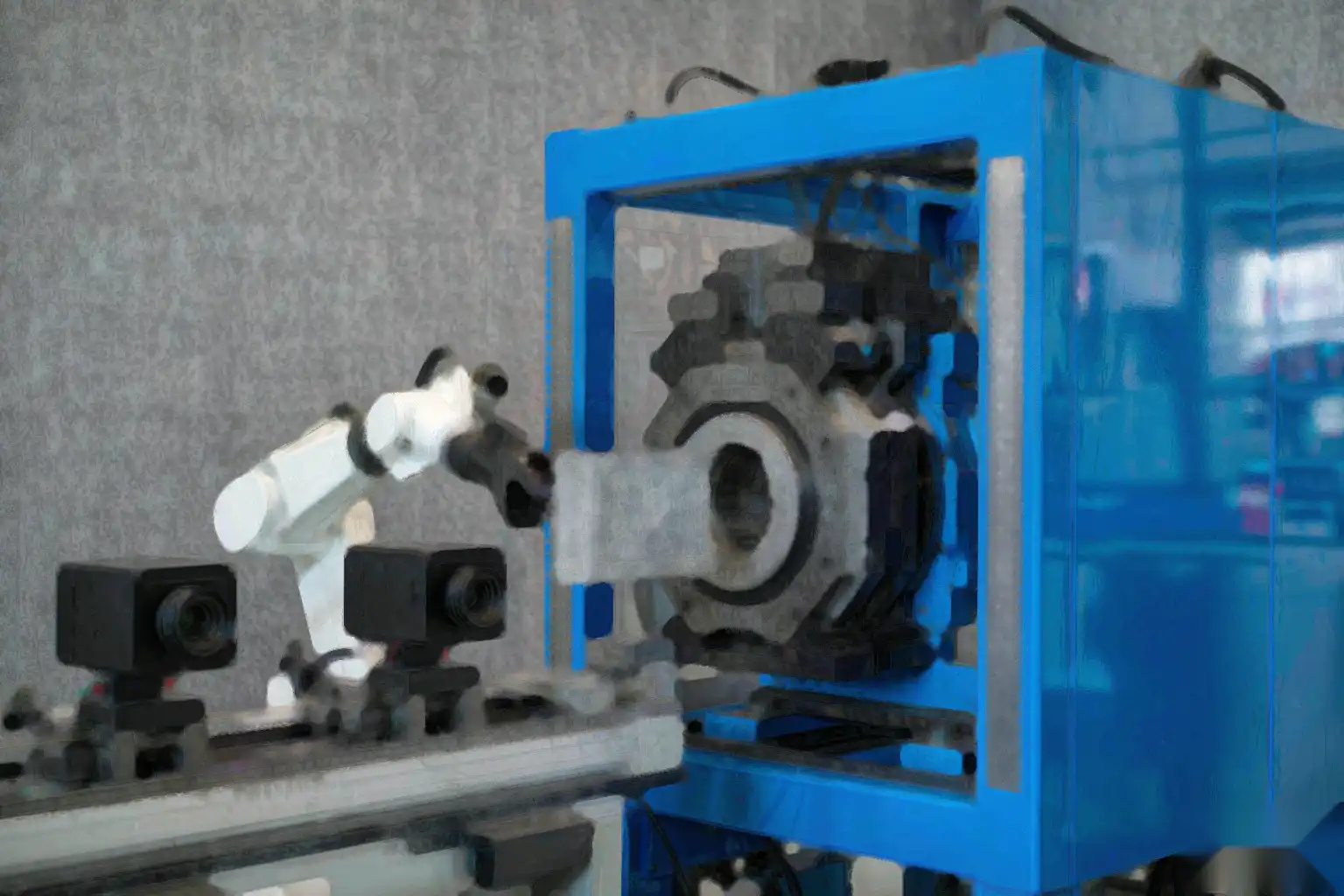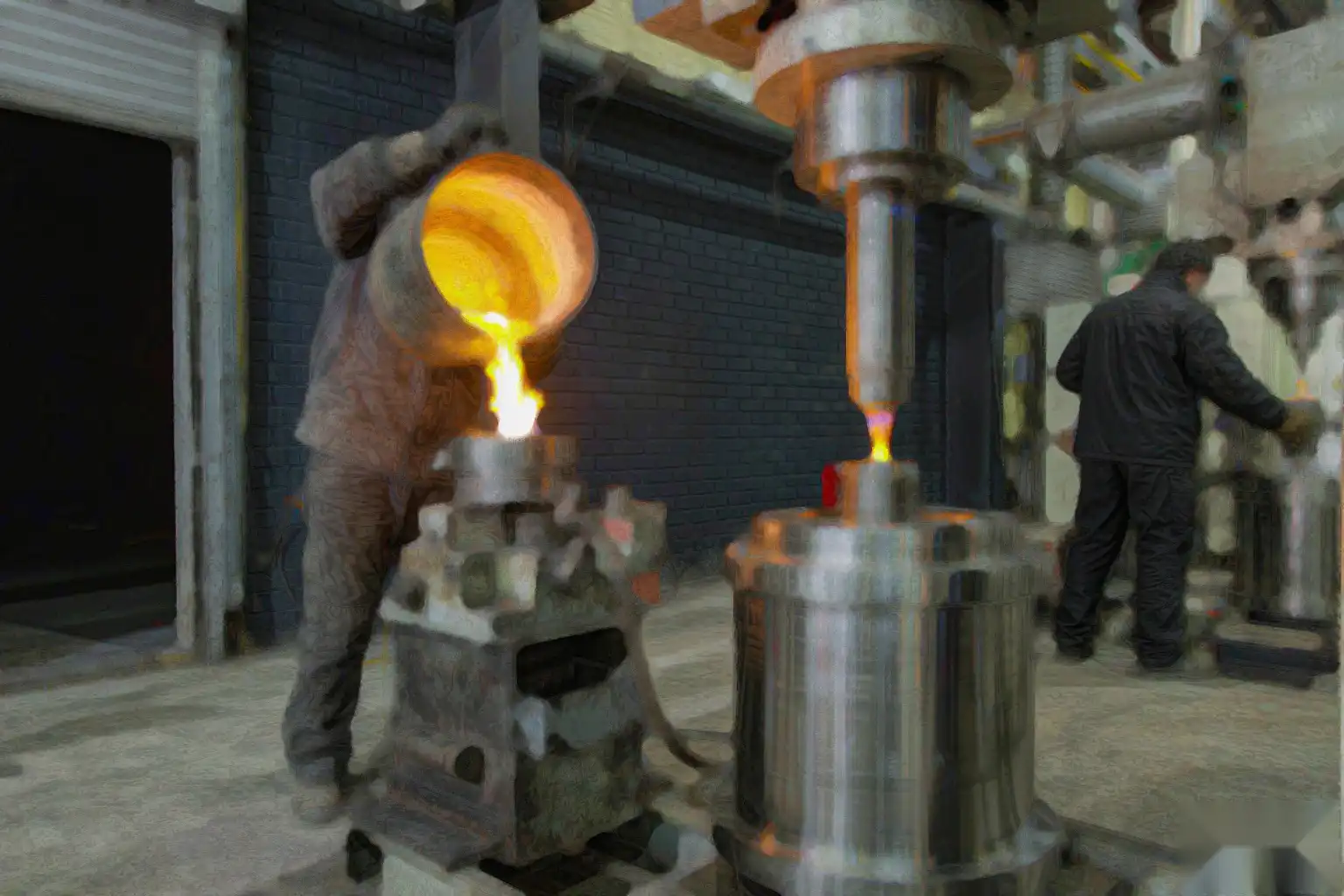


In high-volume manufacturing, the traditional foundry is undergoing a massive digital evolution. Driven by strict quality control demands, fluctuating raw material costs, and severe labor shortages, original equipment manufacturers (OEMs) are shifting away from manual pouring and traditional mold handling. At the heart of this shift is automated casting—the integration of robotics, programmable logic controllers (PLCs), smart sensors, and automated metal delivery systems into the metal casting process.
Whether you produce intricate automotive components, heavy industrial machinery, or high-precision aerospace parts, upgrading to automated die casting or automated sand casting offers structural cost and operational advantages.
Below, we detail the operational benefits of automated casting—and explain how partnering with an advanced foundry partner elevates your supply chain performance.
Key Advantages of Automated Casting for Modern OEMs
1. Superior Dimensional Accuracy and Scrap Reduction
Manual pouring inevitably introduces human variability—fluctuations in pour speed, metal temperature drops, and inconsistent mold filling rates—leading to costly defects like porosity, cold shuts, and misruns.
Automated casting systems utilize closed-loop feedback and robotic pouring ladles to control temperature and velocity down to precise parameters. Advanced sensors monitor melt temperature and filling dynamics live during every shot, allowing foundries implementing fully automated pouring lines to routinely achieve scrap rate reductions of 40% or more while significantly reducing expensive secondary rework.
2. Accelerated Cycle Times and High Throughput
In mass metal part production, cycle efficiency dictates profitability. Automated cell integration—spanning auto-ladling, robotic spraying, part extraction, and automated trim presses—eliminates shop-floor bottlenecks.
Robotic arms operate smoothly without thermal interruption, keeping the dies at ideal working temperatures to reduce thermal shock and extend die life. Furthermore, standardized handling guarantees predictable manufacturing schedules, allowing your supply chain team to plan down to the exact unit per hour.
3. Lower Total Cost of Production
While setup costs for automated casting machinery require capital allocation, the Total Cost of Ownership (TCO) drops drastically over medium-to-long production runs. Precise dosing reduces riser/sprue mass and eliminates overpouring.
Automating repetitive, high-hazard tasks protects workers while shifting labor expenditures toward higher-value quality assurance and engineering roles. Smart thermal management systems also prevent heat loss in continuous melting furnaces, significantly lowering energy bills per kilogram cast.
4. Improved Workplace Safety and Standards Compliance
Handling liquid metal at temperatures exceeding 1,000°C (1,832°F) carries inherent workplace risk. Automating molten metal transfer, mold closing, and rough deburring keeps human operators safely away from heat zones, toxic fumes, and pinch points—helping foundries comply with strict OSHA and international safety standards while lowering insurance overhead.
Unlocking the Potential of Your Custom Casting Project
Automated casting is not just about replacing manual tasks—it is an end-to-end engineering philosophy. Achieving lightweight structural designs, thin-wall aluminum castings, or complex internal cavities requires close collaboration between your design team and an advanced foundry.
When selecting an automated casting partner, evaluate their Design for Manufacturability (DFM) support, in-line quality verification capabilities (such as X-ray/CT scanning and CMM inspection), and their ability to flexibly scale volume from short runs to multi-thousand-unit programs.
Upgrade Your Supply Chain with Precision Automated Casting
Are high scrap rates, delayed deliveries, or dimensional inconsistencies impacting your production schedule? Elevate your product quality with state-of-the-art automated casting capabilities.
Ready to optimize your component manufacturing? Contact our engineering team today for a Free DFM & Casting Cost Optimization Review. Let our technical experts evaluate your CAD models, recommend material alloys, and provide a competitive quotation tailored to your production volume.