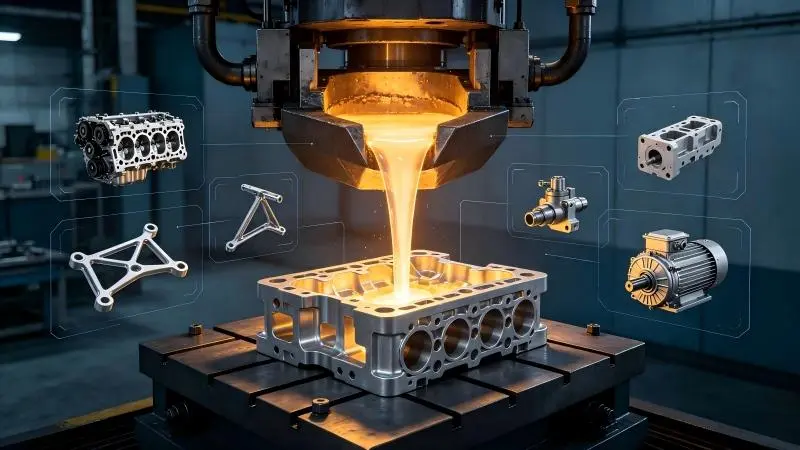
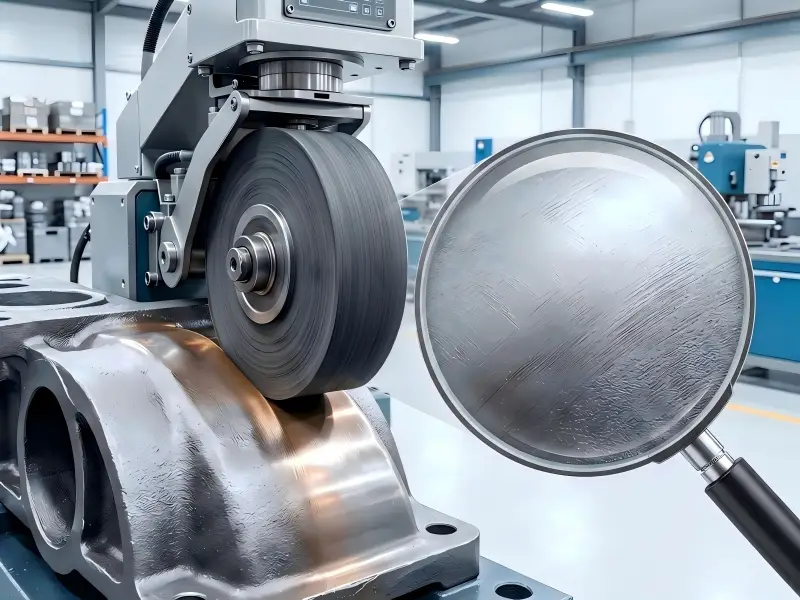
For any professional working in metal casting, precision machining, or surface finishing, understanding the core differences between grinding, polishing, and deburring is critical to achieving high-quality part results, reducing production costs, and extending the service life of your casting equipment. These three surface finishing processes are often mentioned together in post-casting operations, but they serve distinct purposes, use different equipment, and deliver unique surface outcomes that directly impact the performance of finished cast components.
What Is Grinding in Casting Post-Processing?
Grinding is an aggressive, material-removal process that uses bonded abrasive tools such as grinding wheels, abrasive belts, or specialized grinding machines to shape workpieces, correct dimensional inaccuracies, and eliminate large surface imperfections. In the casting industry, grinding is most commonly used to remove casting sprues, excess mill scale, uneven weld seams, and major surface irregularities left right after the casting process.
Primary Functions of Industrial Grinding
Unlike other finishing steps, grinding prioritizes material removal speed and dimensional accuracy over ultra-smooth surface quality. It works effectively across a wide range of materials, including stainless steel, titanium, high-nickel alloys, ceramic, and even hard plastics, making it one of the most versatile processes in any casting workshop. A standard grinding operation can quickly flatten rough casting surfaces, bring oversized parts down to required tolerance levels, and prepare workpieces for all subsequent finer finishing steps.
How Polishing Refines Casting Surfaces
Polishing is a gentle, precision-focused finishing process that uses fine abrasives on sanding discs, polishing wheels, or soft abrasive pads to refine pre-ground surfaces, eliminate leftover scratches, and reduce overall surface roughness. Unlike grinding, polishing removes only extremely thin layers of material, so it will not alter the core dimensions of your precision cast parts.
Achieving Superior Surface Finish Quality
In casting production lines, polishing is the key step that transforms a coarse ground surface into a smooth, matte, or semi-gloss finish. This process is widely used for cast components that require tight surface quality standards, such as automotive casting parts, medical equipment components, and food processing machinery castings. Modern advanced polishing solutions, including fluid polishing and micro-hole polishing technologies, can even reach complex internal cavities and tiny holes that traditional rigid grinding tools cannot access, ensuring consistent finish quality on every corner of intricate cast workpieces.
The Critical Role of Deburring in Casting Operations
Deburring is a targeted finishing process designed exclusively to remove sharp edges, raised burrs, and tiny unwanted projections that form on cast parts during machining, cutting, or casting solidification. Even after grinding and polishing, small hidden burrs often remain on part edges, hole openings, and joint areas — these hidden defects can cause safety risks for operators, damage adjacent assembled parts, and reduce the overall fatigue life of finished products.
Advanced Deburring Methods for Precision Castings
Today’s industrial deburring methods range from manual deburring tools to automated systems, including high-pressure water deburring, thermal deburring, and specialized abrasive flow deburring equipment. For high-precision casting applications, micro-hole deburring technology has become an industry standard, as it can safely remove micro-burrs from tiny, hard-to-reach passages without causing any secondary damage to the delicate casting surface.
Why Choosing the Right Process Matters for Your Casting Equipment Workflow
Selecting the correct sequence of grinding, polishing, and deburring directly improves your entire casting production efficiency. Understanding when to apply each technique ensures optimal resource allocation and superior final product quality.
Optimizing the Post-Casting Production Sequence
- Start with grinding: Quickly remove excess material and bring parts to near-final dimensions, reducing the workload for later steps.
- Move to polishing: Refine surface texture, eliminate grinding scratches, and achieve the required surface roughness value.
- Finish with targeted deburring: Remove all hidden sharp edges and micro-burrs, ensuring the part meets safety and performance specifications.
Skipping or misordering these processes will not only waste abrasive consumables and machine operating time, but also lead to high rejection rates for your finished cast products. For example, trying to skip grinding and move directly to polishing on a rough as-cast surface will wear out expensive polishing pads extremely quickly, while skipping deburring after grinding will leave dangerous sharp burrs that can cause part failure in end-use applications.
Get High-Performance Casting Finishing Solutions for Your Workshop
As a leading supplier of professional casting equipment and surface finishing systems, we provide a full range of grinding machines, industrial polishing equipment, and automated deburring solutions tailored for modern casting workshops. Our products cover everything from heavy-duty grinding equipment for large castings to precision fluid polishing and micro-hole deburring systems for micro-precision components, helping you streamline your post-casting workflow, reduce labor costs, and consistently deliver high-quality finished parts that meet global industry standards. Whether you need to upgrade an existing finishing line or design a brand new full-process casting post-treatment system, our technical team can provide customized solutions to match your specific production requirements.
About the Author
Dingren Lai is the General Manager of Xiamen Dingzhu Intelligent Equipment Co., Ltd. A certified Mechanical Engineer with over 20 years of expertise in automated casting and surface finishing (deburring, grinding, and polishing). He holds multiple national invention patents for robotic finishing and low-pressure die-casting systems, empowering global manufacturers in automotive, sanitary ware, and hardware sectors.